

Let me paint you a familiar picture. You walk into a room — maybe your living room or a new renovation project — and immediately notice that your large rug isn’t sitting right. Maybe it’s sagging in the middle, wrinkling at the edges, or worse, creating tripping hazards that make every step feel uncertain. I’ve been there, tugging at corners, trying to smooth out stubborn folds, only to realize I was doing it all wrong. That frustrating feeling of wasted effort and shoddy results? I’ve come to understand that the secret isn’t just about tugging harder, but about using the right technique — which I now call the ‘Quick-Stretch’ method.
Why Your Rug Installation Challenges Need a Better Approach
Large, room-sized rugs can be tricky to install properly. Many folks (including myself early on) fall into the trap of thinking that pulling the rug tight and stapling it down is enough. The truth? Without a strategic stretch, you’re just asking for wrinkling, buckling, and uneven wear over time. This problem isn’t minor; it impacts the aesthetics, safety, and longevity of your flooring investment. According to flooring experts, a proper stretch technique is crucial for achieving a flawless, durable finish — especially on expansive surfaces like your living room or office spaces. But what if I told you there’s a simple, effective way to make this process easier and more reliable?
Is the Quick-Stretch Method Really Better Than Traditional Techniques?
Early in my flooring endeavors, I made the rookie mistake of stretching the rug from the edges, believing that pulling as hard as possible would eliminate all wrinkles. It seemed logical, but the result was typically more wrinkles or even damage to the backing. It wasn’t until I learned about the ‘Quick-Stretch’ method — a technique that combines strategic tensioning with specific tools — that everything changed. The difference was night and day. This approach not only saved me time but also improved the quality of my final install. For more tips on perfecting your flooring work, you might want to explore how to achieve flawless carpet installation, which shares similar principles of proper stretching and tensioning.
In the following sections, I’ll walk you through how to master this method step-by-step, ensuring that your next rug installation turns out smoother, faster, and longer-lasting. Ready to ditch the frustrations and roll out a perfect rug? Let’s get started.
Prepare Your Workspace and Materials
Before you begin, clear the area of furniture and obstructions. Gather your tools: a power stretcher, knee kicker, stapler or tack strips, a measuring tape, and a rubber mallet. Lay out your rug and confirm its dimensions match the space. Think of this step as setting the stage—like preparing a kitchen before cooking—ensuring everything is ready for smooth execution.
Position the Rug Accurately
Unroll the rug and position it in the room, aligning it parallel to the walls or designated lines. Use spacers if necessary to prevent immediate stretching that could cause wrinkles. This initial placement is crucial; a well-aligned starting point minimizes adjustments later, akin to adjusting the wheels on a car before a long drive for a smooth ride.
Secure the First Edge
Stretch the rug towards the wall or edge, leaving a slight overhang. Use a knee kicker or manual pull to tension the fabric. Secure the edge with tack strips or staples into the subfloor, but do not fully tighten yet. This is comparable to anchoring a sail before tightening the lines; it holds the structure in place for fine-tuning.
Apply the Quick-Stretch Technique
Now, the core of the process begins. Attach the power stretcher to the center of the rug, placing the bar near your anchor point. Slowly tighten the stretcher, pulling the rug towards the opposite wall or boundary. As you do, focus on applying consistent, moderate tension—imagine tightening shoelaces evenly, avoiding over-tightening which can damage the fabric or backing.
Make small, controlled adjustments, listening for the stretch’s resistance and feeling for even tension. Step back frequently to assess wrinkle elimination and surface smoothness. This incremental approach prevents overstressing the material, like gently tuning a guitar string so it doesn’t snap.
Address Edges and Corners
Use the knee kicker to press the edges into position, stretching the material into the corners and along walls. For tight spots or corners, employ the corner tool or a paddle stretcher. Think of it as gently smoothing out a crease in fabric; you want to eliminate folds without creating new ones. Reinforce each edge with staples or tacks, maintaining tension as you go—similar to tightening screws on a frame to keep everything square and tight.
Final Tuning and Securing
Once the entire rug is stretched and secured, walk across the surface to identify any remaining wrinkles or loose areas. Reapply tension with the stretcher as needed, focusing on these spots. Use a power nailer or stapler along the edges for a secure finish, ensuring the rug remains taut over time. This is comparable to tightening bolts on a machine to prevent future malfunction.
Remember, patience and controlled tension are your best allies here. Rushing or yanking can cause rips or damage, much like trying to force a stubborn zipper open. With time and the right technique, your rug will lay flat, look professional, and stay that way, transforming your space beautifully.
Many homeowners and DIY enthusiasts assume that straightforward tasks like shower renovations or flooring installation are simple enough to overlook details, but in my experience, there are often subtle pitfalls that can lead to significant issues down the line. For instance, many believe that just sealing a shower properly guarantees leak-proof performance, yet the complexities of vapor barriers and proper waterproofing techniques are frequently underestimated, resulting in long-term water damage. According to expert advice from tile specialists, neglecting proper membrane installation is a leading cause of shower leaks, which could have been prevented with the right approach.
Why Do So Many Misjudge the Importance of Subfloor Preparation For Flooring?
This is a critical nuance often overlooked. Many think that as long as the surface looks flat, it’s suitable for flooring, but underlying issues like a ‘wet’ or uneven subfloor can cause tiles to crack or floors to warp over time. A recent study by flooring experts emphasizes that proper subfloor preparation is non-negotiable for durability and a flawless finish—yet, many underestimate this step. Incorporating proper leveling with self-leveling compounds or underlayment solutions ensures the foundation is solid, avoiding costly repairs later. Similarly, when installing baseboards, a common mistake is neglecting to account for expansion gaps or wall irregularities, leading to cracks or misaligned corners. The use of coped joints instead of butt joints, as discussed in our coped joint guide, can make a big difference for a seamless look.
Advanced topics like tile installation techniques reveal additional nuances. For example, methods such as applying an even bed of thinset using the right trowel size—detailed in our trowel guide—are crucial for preventing tile lippage and ensuring longevity. Skipping this step or choosing the wrong tools can result in uneven surfaces or cracking over time. Remember, what might seem like minor technical details often dictate the success or failure of your project. If you’re curious about how to prevent common pitfalls and elevate your installation game, check out our comprehensive tips on luxury shower upgrades or flooring upgrade strategies. Don’t forget to consider the importance of proper moisture barriers and the right sealing techniques to avoid the ‘oops’ moments that can cost you time and money. Have you ever fallen into this trap? Let me know in the comments.
Keep It Running: Essential Tools for Longevity and Ease
Maintaining your flooring and shower installations requires the right tools that not only facilitate repairs but also ensure long-term durability. I personally swear by a high-quality oscillating multi-tool, like the Dremel Multi-Max. It’s perfect for precision cuts in grout or sealing edges, especially in tight corners or around fixtures. The variable speed feature allows me to control the intensity, preventing damage to delicate materials. Additionally, a digital moisture meter is invaluable for monitoring underlying moisture levels, helping me prevent issues like mold growth or delamination over time, especially in shower areas. Regular use of a dampness indicator ensures your subfloor remains dry, safeguarding your investment.
For cleaning grout lines, I rely on a handheld grout saw combined with a specialized grout cleaning solution. This duo keeps the tiles looking fresh and prevents dirt buildup that can cause discoloration or deterioration. When it comes to sealing, a professional-grade caulking gun with a smooth trigger action helps me apply consistent, clean lines without excess mess. Investing in these tools might seem upfront, but they make ongoing maintenance more manageable and less costly by preventing minor issues from escalating.
Software and Techniques to Monitor and Extend Results
Beyond physical tools, I recommend using digital project management apps like Trello to track maintenance schedules for your flooring and shower systems. Setting reminders for resealing grout or inspecting baseboards can save you from surprise repairs. Furthermore, adopting annual inspections using a combination of the moisture meter and visual checks can catch problems early. As trends shift toward eco-friendly and high-tech solutions, I believe smart sensors embedded in flooring or shower enclosures will become standard. These devices will alert homeowners to humidity spikes or water leaks in real time, enabling prompt action before damage occurs.
How do I maintain my flooring and shower features over time?
The key lies in routine upkeep and using the right techniques. Regularly cleaning surfaces with non-abrasive products prevents buildup, while resealing grout and caulking every 1-2 years maintains moisture barriers. For shower doors, applying a water-repellent treatment can prolong their life and keep them sparkling clean. Properly functioning baseboards require occasional re-caulking and checking for warping or gaps, which is easier if you employ the coped joint method for seamless, durable finishes. Predicting the future, I see more trades opting for integrated maintenance systems with IoT devices, providing homeowners peace of mind and less downtime.
To truly master the art of maintenance, I suggest trying the advanced tip of incorporating moisture sensors into your scheme and regularly inspecting with a moisture meter. This proactive approach detects issues early, saving time and money. Remember, a little investment now keeps costly repairs at bay later. If you’re interested in deep diving into specific tools or techniques, visit our contact page for expert advice.
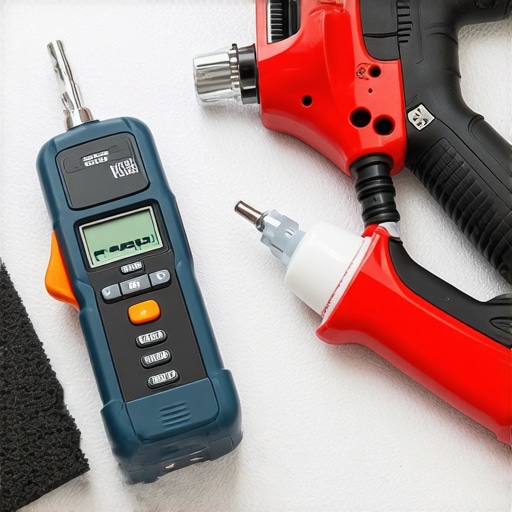
Over the years, my experience in showers, flooring, and baseboard projects has taught me that the devil is truly in the details. While tutorials often focus on the broad strokes, I’ve uncovered some less obvious lessons that have transformed my approach and saved me from costly mistakes. These insights are the hidden gems that can elevate your home projects from average to exceptional.
Why the Small Details Can Make or Break Your Home Makeover
One of the most eye-opening lessons I learned is that overlooked nuances—like subtle wall irregularities or the correct expansion gap—can lead to surprises down the line. For example, neglecting to scribe baseboards to uneven walls often results in unsightly gaps or cracking, which could have been avoided with a simple tracing method I now swear by. Similarly, in shower waterproofing, understanding the importance of proper vapor barrier placement has prevented countless leaks and headaches—something I wish I had understood earlier, instead of tinkering with temporary fixes.
Small tweaks like these, though seemingly minor, impact durability and appearance far more than you might expect. Trust me, mastering these subtle techniques will have your home look professional and stand the test of time.
Gems That Changed My Approach to Home Projects
One practical resource I lean on is the expert advice from seasoned pros. Their detailed guides on things like the coped joint technique for seamless baseboards have helped me achieve cleaner, more durable corners. I also rely on professional-grade tools like the specific trowels for large tiles which make the difference between a sloppy job and a flawless surface. Over time, investing in quality tools and trusted resources has cut my project time and increased my satisfaction.
For anyone serious about elevating their DIY skills, I recommend books like creating luxurious shower experiences or tutorials on proper waterproofing techniques. Embedding this knowledge into your workflow yields results that are both aesthetically pleasing and long-lasting.
Fuel Your Passion: Take Action Today
Remember, nothing beats hands-on experience guided by the right knowledge. Start your next project with confidence, armed with these insider secrets. Whether you’re trimming a custom shower niche or ensuring your baseboards have that perfect fit, every small step brings you closer to mastery. Don’t shy away from experimenting and refining your technique—each project is an opportunity to grow.
Are you ready to elevate your showers, flooring, or baseboards? Share your experiences or questions below—I love hearing what projects inspire you to take action!