

I’ll never forget the day I stood in my bathroom, staring at the stubborn cracks spreading across my shower’s grout lines. It was more than just a cosmetic annoyance; I sensed water might be sneaking behind those gaps, risking mold and costly repairs. That lightbulb moment made me realize I needed a better solution—not just a quick fix but a lasting one. And after some trial, error, and a bit of research, I discovered that incorporating flex-additives into my grout mix could be a game-changer.
Why Fixing Shower Grout Cracks Matters More Than You Think
If you’re like me, you probably thought that grout was just a filler, a way to keep tiles looking neat. But the reality is, grout isn’t just about aesthetics—it acts as a barrier against water infiltration. Over time, standard grout can crack due to temperature shifts, structural movement, or even poor installation. These tiny cracks open the door for moisture to seep behind tiles, leading to mold, water damage, and eventual tile failure. Delaying repairs can turn a minor issue into a hefty expense, which is why addressing grout cracks promptly is essential.
Is the Hype About Flex-Additives Just Marketing or Truly Effective?
Early in my journey, I made a crucial mistake: I assumed that regular grout would suffice, ignoring the natural expansion and contraction of bathroom materials. The cracks persisted, and I saw my efforts go to waste. It wasn’t until I learned about flex-additives—special admixtures that improve grout’s flexibility—that I truly appreciated their potential. These additives help grout move with the building, preventing cracks from forming in the first place. But skeptics often wonder: Do they really work, or is it just another bathroom fad? I discovered that when combined correctly, flex-additives significantly enhance grout durability, as supported by industry experts (source: Tile Craftsmen). Now, I want to share how you can harness this magic to keep your shower looking pristine for years to come.
If this sounds familiar, and you’re tired of battling recurrent grout cracks, stay tuned. We’ll explore the step-by-step process of mixing and applying a flexible grout that truly withstands the test of time. Ready to say goodbye to those unsightly cracks and protect your investment? Let’s get started!
Mixing Your Flexible Grout Correctly
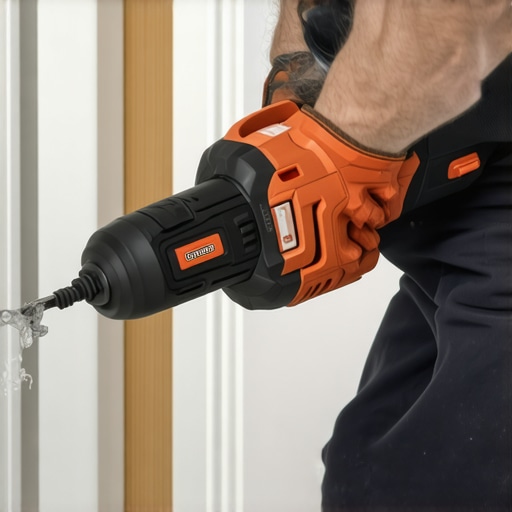
Start by cleaning your existing grout thoroughly, removing any loose debris or old sealant. Mix the dry grout powder with the appropriate amount of water, following the manufacturer’s instructions, but add a measured amount of flex-additive per the product’s guidelines. Think of it like baking: precise measurements ensure the final product holds together under stress. During my own project, I used a large mixing bucket, and after adding the water and flex additive, I blended the mixture with a paddle drill until smooth and uniform, avoiding lumps—this step is crucial for even flexibility across the surface.
Achieving the Perfect Consistency
The mixture should be firm yet pliable, resembling thick peanut butter. If too dry, it won’t adhere well or bond properly; if too wet, it’s prone to cracking. I tested my consistency by scooping with a trowel and giving it a slight tilt—if it held shape without oozing, it was ready. Remember, a consistent mixture ensures your grout will flex as needed, preventing future cracks.
Applying the Flexible Grout Effectively
Spread the mixture into the joints with a rubber float held at a 45-degree angle, pressing firmly to fill every crevice. In my bathroom, I worked in small sections, clearing excess grout from the tile surface immediately to prevent smudges. Think of this step as icing a cake—smooth and even application is key to a professional look. After applying, run the edge of a damp sponge over the tiles to remove grout haze, maintaining the joints’ integrity and appearance.
Ensuring Proper Curing and Flexibility
Allow the grout to cure undisturbed for at least 24 hours. During curing, avoid excess water or heavy use, as this can compromise flexibility. I once got impatient and started scrubbing too soon; as a result, small cracks appeared. To prevent this, I kept the area dry and minimal foot traffic during the initial curing period. This patience ensures the flex-additive works as intended, maintaining the grout’s resilience over time.
Sealing for Extra Defense
Once fully cured, apply a high-quality grout sealer specifically designed for flexible grout. This creates an additional barrier against water and stains, preserving your work. In my case, sealing made a noticeable difference—water beads up on the surface instead of seeping in, reinforcing the sealed joints’ protection against moisture infiltration. Regular maintenance with a gentle cleaning schedule will prolong the life of your new grout, keeping it crack-free and looking fresh.
By following these precise steps—accurate mixing, consistent application, proper curing, and sealing—you’ll craft a flexible grout surface capable of weathering the bathroom’s demands. With patience and attention to detail, your shower and kitchen tiles will stay beautiful and functional for years to come. For further insights on related upgrades, explore durable flooring tips or discover modern shower renovation ideas.
Many homeowners assume that installing flooring, baseboards, carpets, or showers is a straightforward process, but lurking beneath the surface are common misconceptions that can lead to costly mistakes. Let’s dig deeper into some of these hidden nuances that even experienced DIYers often overlook.
Beware of the Myth That All Flooring Is Equal
Everyone says hardwood is timeless or vinyl is budget-friendly, but in my experience, not all materials perform equally under the same conditions. For example, laminated flooring might look great initially but can warp with exposure to moisture if not installed properly. A common trap is ignoring the importance of subfloor preparation; a level and sound substrate is crucial for long-lasting results. According to industry experts, improper subflooring is the leading cause of tile cracking or vinyl planks lifting over time. To truly ensure durability, check out our guide to durable flooring.
Why Do My Baseboards Crack or Separate Over Time?
A typical mistake is nailing baseboards directly into drywall without accounting for natural expansion and contraction. This often leads to cracks or gaps, especially in changing seasons. One advanced technique is to use flexible caulk or shims that allow movement without cracking. Additionally, many miss the significance of properly scribing baseboards to uneven walls, which helps achieve a seamless fit. For more detailed tips, explore our guide to scribing baseboards. Ignoring these nuances can result in baseboards that look perfect initially but deteriorate quickly.
The Carpet Install Trap That Causes Misery
Many think that stretching carpet is simple, but the devil is in the details. A common error is using the wrong tensioning technique, leading to ripples, bulges, or seams that come apart. An advanced mistake is neglecting to install a proper seam sealer or hide joint with professional tools like the power stretcher. I’ve seen many DIY attempts fail because of inadequate stretching, which causes trip hazards and reduced lifespan. For flawless results, I recommend following our carpet installation secrets.
How Do Shower Niches Turn Into Leaky Nightmares
One sneaky issue is improper waterproofing around niches. A common misconception is that sealing with thinset alone suffices, but neglecting to incorporate a proper vapor barrier or flashing can lead to water infiltration behind tiles. This can cause mold, deterioration, and costly repairs. The hidden nuance is sealing every joint and corner meticulously, especially where the niche meets the shower wall. I recommend consulting specialized tutorials, like how to create a protective shower niche. Overlooking these details can cause years of frustration.
Let’s face it—many of these mistakes stem from overlooking subtle but critical steps. Each detail, from subfloor prep to expansion gaps, plays a vital role in the longevity of your renovations. Don’t fall into the trap of thinking shortcuts will save you time; instead, invest in understanding these nuances for results that last. Have you ever fallen into this trap? Let me know in the comments and share your experiences!
Keeping It Working: Tools I Recommend for Your Renovations
The key to long-lasting, beautiful renovations lies not just in choosing quality materials but also in utilizing the right tools for maintenance and ongoing care. Over the years, I’ve refined my toolkit to include specific equipment that ensures seamless repairs, consistent results, and efficient scaling of projects. These tools have saved me time, reduced errors, and extended the lifespan of installations, making them indispensable for both professionals and serious DIY enthusiasts.
One of the foundational tools I always keep nearby is a high-quality oscillating multi-tool. Its versatility allows me to tackle tasks ranging from sanding down squeaky baseboards to removing stubborn grout along shower tiles. I especially appreciate models with variable speed controls; they give me the precision needed for delicate adjustments without risking damage to existing work. For example, when re-scribing baseboards to uneven floors, the multi-tool facilitates precise cuts, saving hours of manual labor.
To maintain flooring, I rely heavily on a **hardwood floor roller**. This specialized roller helps in re-seating loose tiles or smoothing out areas after quick fixes. Its weighted, flat surface applies even pressure, preventing you from accidentally cracking or gouging the surface. In my experience, incorporating a roller during small repairs prevents future lifting or gaps, maintaining a consistent appearance over time.
Proper sealing is crucial in areas exposed to moisture, like showers. Here, I recommend a **caulking gun with a fine nozzle** for the best application. It allows for controlled, neat lines of sealant, essential for preventing leaks in shower niches or along baseboards near wet areas. I prefer manual guns over pneumatic ones for their portability and simplicity, especially when working in tight spaces. Just as important is selecting a **high-quality silicone or urethane sealant**, which offers flexibility and long-term adhesion, as supported by industry standards (source: Tile Craftsmen). Over time, seals can degrade; using the right tools makes reapplication straightforward and effective.
Looking ahead, I believe that scanning technologies and smart sensors will become integral to maintenance routines. Imagine using an app-connected moisture meter to detect leaks behind walls before problems escalate—that’s where the industry is heading. Staying ahead involves investing in adaptable tools now that can interface with future innovations.
How do I maintain my flooring and fixtures over time? I develop a routine that incorporates regular inspections using visual tests and moisture meters. Light scrapes or loosening, caught early, can often be remedied with minor adjustments, avoiding costly replacements. Additionally, scheduling seasonal check-ups of these key components ensures that expansion gaps, caulking, and sealants stay effective, preserving the integrity of your installation for years to come.
As a practical tip, I recommend trying the advanced technique of using a **silicone smoothing tool** after applying sealant. This creates a professional, watertight finish that lasts longer—an often overlooked step that makes a big difference. Whether you’re re-caulking a shower niche or sealing baseboards, this simple tool can elevate your results. For more detailed guidance, you can explore our shower sealing tips.
Remember, investing in the right tools and routines is what transforms a fleeting renovation into a lasting upgrade. By combining quality equipment with consistent maintenance, you can keep your home beautiful and functional, minimizing surprises down the line. Ready to take your upkeep to the next level? Pick up that oscillating multi-tool and see just how much easier repairs become!
Lessons from My Journey Beyond the Surface
- One of my biggest lightbulb moments was realizing that flexible, high-quality grout isn’t just about convenience—it’s about genuinely protecting your investment in your home. It took me several attempts and learning the hard way to understand that proper mixing, application, and curing are essential to prevent cracks and water damage.
- I learned that neglecting subtle details, like ensuring subfloor stability or using the right tools for sealing, can quickly turn a beautiful renovation into an ongoing battle with hidden leaks and cracks. Small investments in quality materials and tools pay off massively in durability and peace of mind.
- Sharing this knowledge has taught me that patience and precision are your best allies. Rushing through curing times or skipping sealing steps might save time initially, but it costs much more later. The key is to see renovation as a long-term commitment to quality, not just a quick fix.
- Lastly, embracing ongoing maintenance routines, like regular inspections with moisture meters or re-application of sealants, helps catch issues early. This proactive approach ensures your bathroom renovation remains resilient against moisture, temperature changes, and everyday wear for years to come.
Tools and Resources That Changed My Approach
- Oscillating Multi-Tool: Versatile for grout removal, sanding, and detail work. Its adaptability saves time and reduces errors, making it an indispensable part of my toolkit.
- High-Quality Caulking Gun: For neat, controlled sealant application—especially around niches and edges. Precise sealing keeps water where it belongs, preventing leaks before they start.
- Moisture Meter: Essential for early leak detection behind walls and under flooring. Catching moisture early can save expensive repairs later.
- Professional Drain and Shower Sealants: Long-lasting, flexible, and designed specifically for wet environments. Using the right sealant ensures your shower stays waterproof for years.
The Future of DIY Bathroom Confidence
Taking that first step into bathroom renovation might seem daunting, but with these insights and a focus on quality, you’re setting yourself up for success. Remember, each detail—whether it’s mixing flex-additives properly or sealing niches meticulously—contributes to a resilient, beautiful space you can enjoy long-term. Don’t let fear hold you back from elevating your home; embrace the process, learn, and watch your confidence grow. Your dream bathroom is just a careful, informed effort away.
Have you ever tackled a bathroom project where small details made all the difference? Share your experiences below and inspire others to take pride in their home upgrades!