

I vividly recall the day I realized my recent brick wall project was destined for disaster because of one overlooked detail—how I was handling the baseboards. Picture this: after hours of meticulous work, I stepped back to admire the room, only to notice that the baseboards I installed didn’t sit flush against the uneven brick wall. Gaps, misalignments, and a sense that I’d bitten off more than I could chew. That moment of frustration turned into my lightbulb moment—the discovery of the ‘Pencil-Scribe’ Hack for Baseboards on Brick.
Why Tackling Baseboards on Brick Can Feel Like an Uphill Battle
Installing baseboards on brick walls has always been tricky. Unlike drywall, brick’s uneven surface demands a different approach. Standard techniques often leave gaps or require messy fillers and shims, which don’t always yield a clean finish. My initial attempts involved brute force, trying to force the trim into place, only to end up with crooked lines and a lot of patching. Early on, I made the mistake of assuming that the usual ruler and level would suffice—spoiler: they don’t, not reliably on this uneven terrain. It was only after countless attempts and a few ruined baseboards that I stumbled upon a straightforward, effective method. That’s when I learned about the ‘Pencil-Scribe’ Hack—a simple, cost-effective trick that transformed my brick wall projects into professional-looking installations.
Is the ‘Pencil-Scribe’ Hack Really Worth the Hype?
At first, I was skeptical. I’d read about scribes and thought, “That sounds complicated.” But trust me, it’s anything but. Early in my DIY journey, I thought I could fudge the shapes with my saw, only to find out I was wasting time and materials. A critical mistake I made was trying to cut corners—literally—by eyeballing the cuts, which only led to more gaps. Once I adopted the ‘Pencil-Scribe’ method, everything changed. It’s a technique that’s well supported by professional carpenters and is referenced in guides like Baseboard Trends in 2025, emphasizing the importance of proper fitting on non-standard surfaces. This hack isn’t just a quick fix; it’s a game-changer that saves time, reduces waste, and boosts confidence in your craftsmanship.
Getting Precise with the Pencil-Scribe
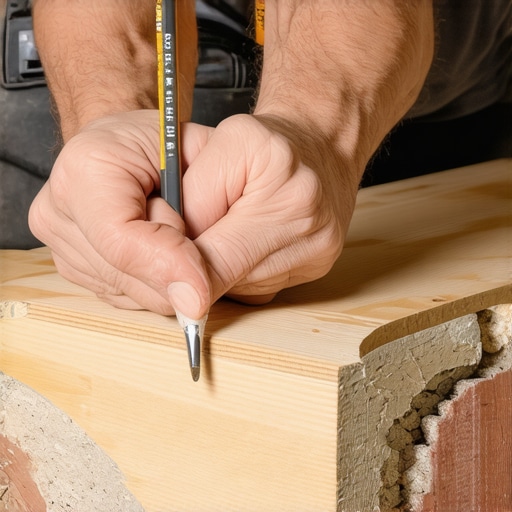
To ensure your baseboards fit snugly against uneven brick surfaces, start by placing the piece in position and marking the high and low points with a pencil. Imagine it as tracing the shape of the wall’s contours onto the trim. I once struggled with a warped brick wall in my living room, and by marking these points directly on the board, I eliminated guesswork. Then, connect these marks with a smooth line, which becomes your cutting guide.
Transferring the Scribed Pattern
Using a flexible contour or a piece of scrap trim, trace along the pencil marks to create a precise template of the wall’s profile. This step is crucial—think of it like fitting a key into a lock; the more accurately you trace, the better the fit. I recall carefully matching the scribed pattern onto the baseboard before cutting, resulting in a seamless fit that looked professionally done.
Cutting for a Perfect Fit
Use a fine-tooth saw or a miter saw to cut along your traced line. Keep your cut steady and avoid forcing the saw through; let the tool do the work. On a recent project, my first cut was a tad too wide, so I took a second pass, shaving off minute sections to refine the shape. This patience paid off with a flawless fit once installed.
Securing and Final Adjustments
Apply construction adhesive to the back of the baseboard and press it into place, aligning it carefully. For gaps, use color-matched caulk or wood filler to fill low spots, but remember—the precise scribing minimizes gaps to start with. I’ve found that shimming the top edge slightly ensures the baseboard remains flush and prevents any popping nails later. Check with a level periodically as you secure the board to maintain accuracy.
Tips for Success
Always double-check your marks before cutting, especially on complex profiles. Wear safety gear and work slowly through each step for the best results. Once you get comfortable with the scribing method, you’ll notice a significant reduction in material waste and a much cleaner finish compared to traditional methods. For more ideas on home upgrades, visit this guide on elevating your interior.
 While many DIY enthusiasts believe they grasp the basics of home finishing projects, there’s a surprising level of nuance and common pitfalls that often go unnoticed. One widespread misconception is that shim and filler materials suffice for dealing with uneven surfaces like brick walls or irregular subfloors. In reality, relying solely on these can lead to long-term issues such as cracked trims, uneven flooring, or water leaks in showers. Advanced practitioners know that understanding substrate behavior—like how different materials expand or contract—is crucial. For example, not accounting for thermal expansion in tile or hardwood can cause grout cracks or buckling over time, a fact supported by experts in flooring installation who emphasize proper joint spacing and material acclimatization.
Another elusive detail involves the framing and attachment techniques. It’s commonly assumed that nailing or screwing alone ensures durability. However, improper fastening—like overdriving nails or using the wrong anchors—can weaken the entire structure, especially in load-bearing applications or when dealing with moisture-prone areas such as showers. Using stainless steel or corrosion-resistant fasteners and staggering fastener placement can vastly improve longevity. Furthermore, many overlook the importance of detailed sealing and expansion gaps, which if misunderstood, can lead to water infiltration and foundation issues. Master installers take extra steps, like employing vapor barriers and premium caulks, which might seem unnecessary to novices but are essential for preventing costly damage.
What are the pitfalls that even experienced homeowners or contractors might miss when tackling complex surfaces and materials? A common advanced mistake involves misjudging moisture levels in the substrate, leading to adhesion failures or mold. For example, installing a shower tile without adequate waterproofing, such as a proper waterproof membrane or sealant, is a recipe for moisture damage. According to industry standards outlined in guides like this article on shower upgrades, comprehensive waterproofing is non-negotiable. Likewise, underestimating the importance of precise measurements—like scribing baseboards to uneven walls—can result in gaps that compromise aesthetics and structural integrity. The deep understanding of these small details separates a professional finish from a sloppy one, making the difference that lasts.
To elevate your projects, consider exploring advanced techniques such as the ‘reverse scribe’ for perfect baseboard fit or using laser leveling tools for flawless tile lines. Remember, attention to these nuanced aspects not only boosts your craftsmanship but also saves you from future headaches. If you’ve ever fallen into this trap, share your experience in the comments! For more tips on home upgrades, visit this guide on elevating your interior or check out this resource on durable flooring installation.
Keep Your Repairs in Top Shape with Proper Tools and Maintenance
Investing in the right tools is crucial to ensuring your home upgrades stand the test of time. For flooring installations, I swear by a high-quality tension roller, like the Bostitch T5F Heavy Duty Flooring Roller. This tool evenly presses vinyl planks or tiles into adhesive, eliminating bubbles and ensuring a smooth surface. I personally use a laser level such as the Bosch GLL 55 for precise alignment, especially when laying out big areas—nothing beats the accuracy it provides. When it comes to shower projects, a reliable waterproof membrane like the Schluter Kerdi system is essential. It’s a long-term solution that prevents water infiltration and avoids costly repairs down the line.
How do I maintain my floors and showers over time?
Routine maintenance extends the lifespan of your investments. For floors, regular cleaning with a damp mop and gentle cleansers suited to your flooring type keeps dirt and grit at bay, preventing scratches and wear. Applying a sealer or protective coating every 2–3 years is also a game-changer—especially for porous stone showers, where deep sealing using the Deep Seal Method can prevent staining and mold growth. In showers, inspecting grout lines and caulking annually for cracks or leaks helps prevent water damage. Addressing small issues early with simple repairs, like re-caulking or regrouting, avoids the bigger headaches down the road and keeps everything looking fresh and functioning perfectly.
The future of home finishing tools and maintenance
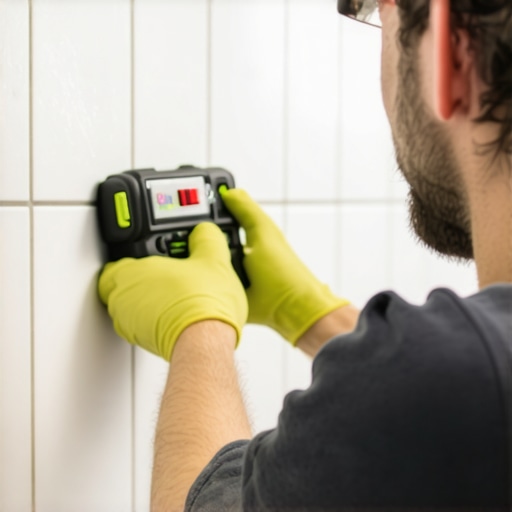
As technology advances, expect smart tools, like app-connected laser levels and digital moisture meters, to become standard. These innovations streamline the process, making it easier to achieve professional results without extensive experience. Embracing these tools now ensures your home repairs are efficient, accurate, and durable, saving you time and money in the long run. For example, combining a laser level with a moisture meter can help you identify hidden issues in subfloors or wall cavities before you start laying down new flooring or tile, as recommended in expert guides like this resource on durable flooring. Start incorporating one advanced tool today—perhaps a digital caliper for precise measurements—and notice how much smoother your projects become.
Don’t forget that consistent upkeep is the backbone of long-lasting results. Whether it’s regular cleaning, timely repairs, or adopting modern tools, these practices will keep your home shining and functional for years to come. Try applying the ‘deep sealing’ technique on your porous stone showers or invest in a laser level for perfect installations—small steps that make a big difference!
Tip: For visual guidance on sealing shower tiles, check out this detailed guide and equip yourself with the right materials for a worry-free bathroom.
What the Experts Won’t Tell You About Achieving Perfect Baseboards and Beyond
- One of my most eye-opening lessons was realizing that relying solely on shims and fillers for uneven brick walls is a quick path to future headaches. Instead, investing in proper scribing techniques results in cleaner, more durable finishes that stand the test of time.
- I used to believe that simply nailing baseboards was enough, but I learned that precise measuring, combined with techniques like the reverse scribe, can make your projects look professional—even if you’re a DIYer.
- Over time, I discovered that choosing the right tools, like laser levels and quality saws, isn’t just about convenience; it’s about creating a foundation for craftsmanship that lasts years without cracking or shifting.
- The most significant insight? Small details, like sealing porous stone or properly anchoring heavy flooring, are what elevate a good project into a great one—saving you money and frustration in the long run.
- Finally, embracing advanced methods, from deep sealing to moisture testing, helps avoid costly mistakes, especially in moisture-sensitive areas such as showers or basements.
My Arsenal for Home Enhancement Success
Over the years, I’ve come to trust tools and resources that make a real difference. The Baseboard Trends in 2025 guide keeps me inspired with fresh styles and innovative fitting techniques. My laser level, like the Bosch GLL 55, is indispensable for ensuring straight lines, especially on tricky surfaces. When sealing porous stone or waterproofing showers, I rely on systems like Schluter Kerdi—it’s worth every penny for peace of mind. Finally, books like this resource on durable flooring help me refine my skills and keep my work up to date with industry standards.
Your Turn to Elevate Home Finishes
Every home project is a chance to learn, improve, and express your unique style. Don’t shy away from trying advanced techniques like reverse scribing or moisture testing—they make a difference you can see and feel. Remember, the journey toward professional-quality results starts with confidence and the right tools. So, what’s the next project you’re excited to tackle? Share your plans or challenges below; I’d love to hear your story!