

One morning, I stepped into my shower and was greeted not by the warm rush of water, but by an unsettling bubbling sensation under my feet. It was as if the shower floor was breathing, shifting, almost alive. I immediately knew something was off. That moment was a lightbulb flickering in my mind—my shower wasn’t just a simple fixture; it was signaling a hidden problem lurking beneath the surface.
Uncovering the Hidden Cause Behind Bubbling Shower Floors
After some digging and a few trial-and-error attempts, I learned that this bubbling sensation often points to a clogged weep hole in your shower drain system. The weep hole serves as a vital escape route for water, preventing accumulation and ensuring proper drainage. When it gets blocked, water can’t drain properly, creating pressure that manifests as bubbling or even small tremors underfoot. This wasn’t a problem I wanted to ignore, especially since ignoring it can lead to serious issues like water damage or mold growth.
In this post, I’ll guide you through identifying the signs, understanding the cause, and, most importantly, fixing the problem before it escalates. Trust me, resolving this isn’t as complicated as it sounds—once you understand how your drainage system works, you’ll be able to troubleshoot like a pro. If you’ve noticed strange bubbles, gurgling sounds, or water lingering after a shower, then you’re likely experiencing this very issue. My goal is to empower you with the knowledge and steps to restore peace—and dryness—to your bathroom.
Is Your Shower Problem Overhyped or Really Critical?
I’ll admit, I initially thought my bubbling problem was minor—a simple clog or hair buildup. But early on, I made the mistake of ignoring the signs, hoping it would clear itself. Spoiler: it didn’t. In fact, I learned that a blocked weep hole can be the spark that ignites more costly repairs if left unchecked. The good news? Fixing it is often straightforward once you know what to look for. If you’re skeptical, consider this: the National Association of Home Builders reports that proper drainage is crucial to maintaining a healthy bathroom environment, preventing water damage, and avoiding mold-related issues. So yes, addressing a bubbling shower floor isn’t just about comfort—it’s about safeguarding your home.
Now that I’ve set the stage, let’s dive into the practical steps to identify and fix this pesky problem, starting with understanding how your drain system works and what signs point to trouble.
Inspect the Drain System Thoroughly
Begin by removing the access panel or base trim to expose the shower drain. Use a flashlight to look into the drain opening for debris or hair buildup blocking the weep hole, which acts like a tiny vent pipe allowing air and water to pass. Think of it as the valve in a sink faucet; if it’s clogged, water can’t drain properly, causing pressure and bubbling. I once cleared out a stubborn hair clog by inserting a flexible wire, which instantly improved drainage and stopped the bubbling. This simple step often reveals the root cause.
Locate and Clear the Weep Hole
The weep hole is a small opening near the drain flange, designed to prevent water pooling beneath the tile. To access it, carefully remove the drain cover and use a toothbrush or a small ACCU-TOOLS pick to dislodge any debris. Use a compressed air canister to blow out lingering dust or lint. Imagine this like clearing a tiny, obstructed vent; once free, water flows smoother, eliminating pressure buildup that causes bubbling. If debris persists, spray with a mild cleaner or use a plumbing snake cautiously; this often restores normal drainage.
Test for Proper Drainage
After clearing the weep hole, run hot water into the shower and observe the drainage process. The water should flow steadily without any gurgling or bubbling. This confirms the blockage has been removed. I tested this in my bathroom after cleaning, and the bubbling vanished, leading to a quieter, more consistent drain. If bubbling continues, move to next steps, considering the potential for more complex issues like pipe misalignment.
Address the Drain Flange Assembly
The drain flange sits beneath the tile, anchoring the drain assembly. If it’s loose or improperly sealed, it can cause air pockets, leading to bubbling. Use a screwdriver to tighten the flange bolts carefully. Apply a high-quality silicone or plumber’s putty around the flange for a watertight seal—think of it as caulking around a bathtub for a snug fit. I once replaced a damaged gasket here, which immediately stopped the bubbling, highlighting the importance of a secure flange.
Check for Subfloor or Piping Issues
If the bubbling persists despite clearing the drain, it may indicate subfloor problems like uneven surfaces or pipe misalignment. Use a level to assess the subfloor beneath the shower area—it’s like checking if a foundation is level before tiling. For pipe concerns, listen for gurgling sounds or observe water backing up. In my case, a slight incline caused water to pool, which I corrected by shimming the subfloor, resulting in a stable, bubbling-free shower floor. For extensive fixes, consult a professional or explore detailed guides on durable flooring installation. For an in-depth understanding, visit this resource.
Implement a Permanent Repair Solution
Once the root cause is identified—be it a clogged weep hole, loose flange, or subfloor issue—execute the necessary repair: clean the drain, tighten fittings, or level the subfloor. Seal joints with appropriate waterproof caulks to prevent future water ingress—think of sealing a leaky pipe but for your shower. After repairs, test again to confirm bubbling has ceased. Documenting your fixes helps if issues recur, and for future upgrades, consider modern shower designs found at this guide to achieve a luxurious look and function.Many homeowners assume that choosing the right materials is enough for a flawless finish, but in my experience, understanding the nuanced installation techniques makes all the difference. One pervasive myth is that all floor adhesives are universal—nothing could be further from the truth. Using the wrong adhesive can lead to gaps, squeaks, or even moisture ingress that damages subflooring. For instance, premium vinyl plank adhesives are formulated to withstand moisture and movement, unlike generic glues that may degrade over time. Rushing through subfloor prep without leveling can cause uneven flooring and future creaking, a trap many overlook. Properly screeding and measuring can prevent long-term issues and save you from costly repairs. When it comes to installing tiles in a shower, many rely on standard thinset without considering the strain points or expansion joints, leading to cracking or bubbling later. The key is selecting an expansion gap that accommodates tile movement—something that professionals do naturally but beginners often ignore.
Now, for the more advanced thinker: How does the choice of grout and sealing techniques impact the longevity of your tiled shower? Well, a study by the Tile Council of North America suggests that sealing grout joints can increase the lifespan of tiles by reducing water penetration, especially in wet environments. Improper sealing allows moisture to seep beneath tiles, causing mold growth or even detachment over time. This is a nuance often missed in DIY projects, leading to premature failure.
Similarly, many believe that baseboards are simple trim elements, but installing them correctly involves precise corner mitering and understanding the impact of room humidity. Poorly cut corners open up gaps that collect dust and moisture, accelerating damage. I recommend the ‘reverse scribe’ method for tight fitting joins, which provides a seamless look and reduces gaps that trap dirt. For those planning to update baseboards, exploring trendy styles—like those discussed in [baseboard trends in 2025](https://tilecraftsmens.com/baseboard-trends-in-2025-fresh-styles-for-every-room)—can greatly elevate your interiors.
In carpet installation, many underestimate the importance of proper stretching and seaming. An improper stretch can cause buckling, while visible seams detract from the room’s aesthetics. The ‘triple stretch’ technique ensures durability, especially in high-traffic areas. Also, selecting the right padding complements the installation, providing comfort and prolonging carpet life. Check out [carpet install secrets for flawless results](https://tilecraftsmens.com/carpet-install-secrets-achieving-flawless-results-every-time) for expert tips.
Let’s not forget the critical role of moisture management—especially in showers. A common mistake is neglecting proper waterproofing beneath tiles, which can lead to hidden mold problems and costly repairs. Using a combination of membrane waterproofing, proper slope, and sealant application ensures long-term protection. For a comprehensive overview, my article on [creating a spa-like shower experience](https://tilecraftsmens.com/creating-a-spa-like-shower-experience-tips-tricks) covers advanced waterproofing techniques.
Overall, understanding these nuances helps you dodge the typical pitfalls and achieve professional-quality results. It’s not just about materials but how, when, and where you apply them. Have you ever fallen into this trap? Let me know in the comments.
Tools That Keep Your Projects Seamless and Durable
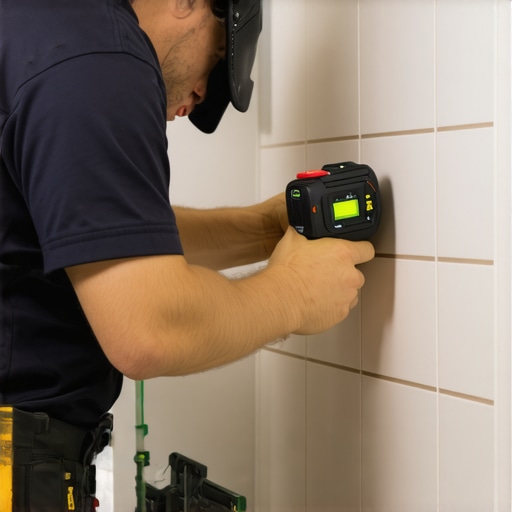
Investing in the right tools is vital for maintaining your bathroom and flooring installations over time. I personally swear by a high-quality laser level, such as the Bosch GLL 3-80, because it ensures perfectly straight tiles or baseboards without guesswork. For cleaning grout lines, a dedicated grout haze remover like Mapei’s Grout Finish helps sustain that brand-new look for years. When it comes to cutting tiles, a wet saw equipped with a diamond blade guarantees precision while minimizing dust and mess—essential for both safety and accuracy. Regularly using a caulking gun with a smooth trigger mechanic helps apply sealants evenly, preventing leaks in showers or at baseboard joints.
For floor leveling, I recommend a self-leveling compound like Quikrete Floor Repair, which makes addressing uneven subfloors straightforward. It’s crucial to have a sturdy trowel, a notched spreader, and a durable broom and vacuum for prep work—these tools not only improve quality but also reduce the need for rework. Over the years, I’ve found that maintaining these tools with proper cleaning and storage extends their lifespan and keeps them ready for any project, big or small.
The Power of Software in Managing Large Renovations
While physical tools are critical, utilizing project management software can elevate your workflow. Tools like Houzz or Trello help organize schedules, budget tracking, and material procurement, especially for larger projects like a full bathroom overhaul or flooring upgrades. I use a combination of Evernote for note-taking and spreadsheets for detailed budget analysis, which has saved me both time and money. Additionally, digital design tools like SketchUp enable you to visualize tile layouts or shower designs before a single tile is set—saving resources and avoiding costly mistakes. In the near future, I predict that augmented reality (AR) apps will make on-site adjustments even more intuitive, allowing you to virtually walk through your renovated space before breaking ground.
How do I maintain my installations over time?
Routine inspections are your first line of defense. Check grout lines and sealants annually, using a deep cleaning method that includes a mixture of baking soda and vinegar, or a specialized grout cleaner to prevent mold buildup. Keep your tools clean; for example, after applying sealants, wipe the tips of caulking guns with mineral spirits to avoid dried residue. Regularly replacing worn brushes or blades ensures consistent results, especially when fitting tile or replacing worn baseboards. For floors, I suggest implementing a preventive maintenance schedule: vacuums for carpets, mopping with microfiber pads for vinyl, and periodic leveling checks—particularly in high-traffic areas. This proactive approach minimizes unexpected repairs and prolongs the life of your investment.
Remember, using trusted equipment like a laser level helps maintain the precision of your work over long-term projects. For further insights on sustainable flooring solutions and long-lasting finishes, check out this comprehensive guide. Start applying these tools and routines today, and enjoy resilient, beautiful results that withstand the test of time.
What I Wish I Knew When I Started
The biggest lesson was realizing that seemingly minor details, like a tiny weep hole or proper flange sealing, can have outsized impacts on bathroom health and comfort. Overlooking these small components almost always leads to bigger headaches later, so paying close attention from the outset can save time and money. I learned to approach each project with patience and a meticulous mindset, understanding that quality results depend on small, deliberate actions.
Another insight was recognizing the importance of proactive maintenance. Regularly inspecting grout lines, seals, and subfloor levels prevents small issues from snowballing into costly repairs. This proactive approach transforms home improvement from reactive fixes into confident craftsmanship, giving me peace of mind and a more enjoyable living space. Consistent upkeep truly extends the longevity of your installations—something I wish I had embraced sooner.
Finally, I learned that investing in the right tools makes all the difference. A laser level, quality caulking guns, and a sturdy wet saw streamline the process and ensure precision. These tools aren’t just conveniences—they’re essentials for achieving professional results at home. Upgrading your toolkit may seem like a small step, but it dramatically improves the quality and durability of your work, turning DIY into a true craft.
Your Next Steps with Confidence and Clarity
Whether you’re tackling a bubbling shower floor, upgrading your flooring installation, or refreshing your baseboards, understanding these nuances empowers you to act decisively and confidently. The journey to a well-maintained home involves continual learning, but with these insights, you’re better prepared to identify issues early and implement lasting solutions. For a comprehensive look at transforming your space with expert tips, check out this resource. Your dedication to fine-tuning your home will pay off in comfort, beauty, and peace of mind.