

I remember the first time I installed new flooring and thought, “Why do I keep battling those stubborn quarter rounds?” I was frustrated when my baseboards wouldn’t sit flush against the new tile, leaving unsightly gaps and forcing me to hide imperfections with paint or caulk. That lightbulb moment led me down a path of experimentation, and I discovered a game-changing technique—back-beveling my baseboards. If you’ve ever been there, you know how annoying it can be to finish a project only to realize a small detail ruins the entire look.
Why Cutting Corners with Quarter Round Might Cost You More Than You Think
Quarter rounds are often the go-to solution for covering gaps between baseboards and flooring. But when it comes to tile installations, they can become a bandaid, not a fix. They cover problems instead of solving them. I learned early on that relying on quarter rounds can actually highlight flaws in your work, especially if the baseboards aren’t perfectly aligned or if the floor isn’t perfectly level. Plus, quarter rounds can make your space seem cluttered or outdated, especially in modern designs.
Instead, back-beveling your baseboards allows them to sit perfectly against your tile, creating a clean, elegant transition. It’s a small adjustment that makes a bold difference—no more gaps, no more awkward patches. And the best part? It’s less work in the long run. According to a study by flooring professionals, clean baseboard-to-floor relationships significantly enhance the overall aesthetic, boosting your home’s value and visual appeal.1
Is Back-Bevelling Actually Worth the Extra Step?
If you’re skeptical, I totally get it. Extra steps seem daunting, and I’ve been there—trying to cut corners and ending up with a bigger mess. An early mistake I made was overestimating how much I could cut corners without sacrificing quality. I skipped the back-bevel cut, thinking it was unnecessary—big mistake. The gaps became painfully obvious, and I had to redo the entire trim. Once I started beveling my baseboards, everything aligned perfectly, and my tiles looked professional.
If you’re wondering whether this process is worth your time, I promise it is. Properly back-beveled baseboards not only improve the appearance but also make future updates easier. It’s a little-known trick that many pros use to elevate their craftsmanship. Want to see how this simple tweak can transform your next tile project? Keep reading, and I’ll walk you through every step to get it right—trust me, your walls will thank you.
Prepare Your Tools and Materials
Start by gathering a quality miter saw or hand saw with a fine-tooth blade, a measuring tape, a pencil, and a sanding block or fine-grit sandpaper. Having a square is crucial for accuracy. Make sure your baseboards are clean and free of dust before cutting.
Measure and Mark Precisely
Identify where the baseboard will sit against your tiles. Use your measuring tape to determine the amount of bevel needed. Mark the back of each baseboard at the desired angle, typically around 15 degrees, ensuring the cut allows the baseboard to sit snugly against the tile surface. Double-check your measurements to avoid costly mistakes.
Cut with a Sharp Saw
Set your saw to the marked angle. Place the baseboard on the saw’s base, lining up your mark with the blade, and secure it firmly. Perform slow, controlled cuts to maintain precision. For a more refined finish, make multiple shallow passes instead of forcing a single deep cut. Remember, the goal is a clean bevel that allows the baseboard to sit flush.
Tips for Accurate Cuts
If you’re new to bevel cuts, practice on scrap pieces first. Using a miter gauge or a jigsaw with a guide can improve accuracy. Keep your saw’s blade well-maintained for clean cuts, and wear safety gear at all times.
Smooth and Finish the Cut Edges
After cutting, lightly sand the bevel edge with a fine-grit sandpaper or sanding block. This step removes any splinters or roughness, ensuring a seamless fit against the tile. A clean, smooth bevel enhances the overall appearance and reduces installation stress.
Test Fit Before Installation
Place the beveled baseboard against your tiled wall. Check for gaps or uneven contact. If needed, make slight adjustments with a sanding block to perfect the sit flush against the tile surface. This approach saved me hours when I had to redo an entire wall after rough cuts caused gaps.
Affix the Baseboards Securely
Once satisfied with the fit, attach the baseboard using nails or adhesive suited for your wall material. Ensure the nails are driven in straight and countersink them lightly. The beveled edge will now sit tightly against your tile, providing a clean and professional finish.
Integrating back-beveling into your baseboard installation transforms a common finishing detail into a crisp, modern look. Remember, patience during measurement and cutting pays off with seamless results that elevate your entire space.
For additional insights on interior upgrades, consider exploring [baseboard trends in 2025](https://tilecraftsmens.com/baseboard-trends-in-2025-fresh-styles-for-every-room) to stay ahead of the curve.
Many homeowners and even DIY enthusiasts believe they have the basics down when it comes to showers, carpet, flooring, and baseboards. However, beneath the surface lie common misconceptions and overlooked details that can derail even experienced remodels. Let’s dig deeper into some of these pitfalls and clarify the nuances that separate professional results from amateur mistakes.
Why the Popularity of Standard Shower Pan Installation Might Be Misleading
Conventional wisdom suggests that using a pre-formed shower pan is the easiest, most affordable choice. But in my experience, this method often masks underlying drainage issues and subpar waterproofing, leading to leaks and mold growth over time. Professional shower renovations emphasize custom waterproofing techniques, like those outlined in this guide on proper slope and sealants, ensuring longevity and durability. Relying solely on store-bought pans can be a shortcut that costs you big later.
Carpet Installers Sometimes Miss the Hidden Risks
Many assume that as long as the carpet looks good initially, the installation is flawless. However, a common mistake is neglecting the importance of using the correct padding or tack strips, which can cause long-term issues like furniture indents or unraveling edges. Additionally, improper stretching can lead to wrinkling or buckling, especially in high-traffic areas. For tips on avoiding these pitfalls, check out this detailed article. It’s about more than just laying carpet; it’s about understanding the subtle factors that ensure a flawless finish that lasts.
Setting Floors: Why Subfloor Prep is More Than Just Leveling
There’s a widespread myth that leveling the subfloor is all you need to ensure an even finish for your new floors. But in reality, the prep process involves much more. Issues like moisture, contamination, and uneven adhesive application can cause tiles or planks to shift or crack prematurely. Experts recommend testing for moisture and using appropriate primers, as discussed in this resource. Neglecting these critical steps might save time upfront but will likely lead to costly repairs down the line.
How Small Details in Baseboard Installation Can Make or Break Your Finish
Many DIYers focus on the cuts and paint but overlook the importance of proper alignment and sealing at corners and against flooring. For instance, not accounting for wall irregularities can result in gaps or uneven miter joints, diminishing the overall aesthetic. Advanced techniques like scribing and shimming, which are rarely discussed in basic tutorials, can create seamless transitions even on imperfect walls. To elevate your skills, see this comprehensive guide. These small details are where craftsmanship shines and make the difference between good-looking and professional-quality work.
Have you ever fallen into this trap? Let me know in the comments. Remember, understanding these nuances helps you avoid costly mistakes and achieve results that truly stand out.
Investing in the Right Tools for Long-Term Success
Having the appropriate equipment can dramatically improve the durability and appearance of your installations. I personally rely on a high-quality miter saw with a fine-tooth blade for precise bevel cuts on baseboards, as it ensures clean, accurate angles—crucial for seamless joints especially when working on modern designs. A digital moisture meter is essential for verifying subfloor and wall conditions before installing flooring or tiles. Detecting hidden moisture early can prevent costly repairs caused by mold or warping over time. Additionally, a laser level helps maintain straight, even lines for both tiling and baseboards, avoiding crooked installations that can devalue a space.
Mastering Maintenance to Preserve Your Work
After completing your project, regular upkeep keeps everything functioning smoothly. For showers, applying a clear silicone sealant annually around edges and joints prevents water leaks and mold buildup. Cleaning your grout with specialized sealers and avoiding harsh chemical cleaners prolongs its lifespan and keeps the aesthetic pristine more here. Flooring and baseboards benefit from gentle vacuuming and periodic polishing—particularly for hardwoods—to ward off scratches and wear. Checking for loose nails or gaps in baseboards and resealing them when needed maintains a seamless, professional look.
Utilize Smart Methods for Long-Term Results
Applying innovative techniques can extend the life of your installations. For quick yet durable baseboard sealing, experimenting with the invisible miter method creates nearly invisible joints that resist cracking. When installing floors, using a moisture barrier and selecting the right underlayment tailored for your climate minimizes movement and damage. For showers, a thorough slope correction with a 1/4-inch per foot pitch directs water properly, reducing the risk of ponding and leaks. This method is crucial, as highlighted in this expert guide.
How do I maintain showers and flooring over time?
Consistent inspection and cleaning are vital. Regularly check grout, caulking, and seals for cracks or deterioration, and reapply sealants every 1-2 years to maintain waterproofing integrity. For floors, especially vinyl and laminate, avoiding excessive water and using recommended cleaning products prevents swelling or peeling. Implementing a scheduled maintenance routine ensures your investment stays looking fresh and functions flawlessly for years. For instance, routinely re-sealing grout lines can be a game-changer, preventing water absorption and staining, while also preserving the overall aesthetic. Consider trying the tip of applying a grout sealer right after grouting and again every couple of years for lasting protection—the difference is remarkable.
In terms of future trends, advances in smart home integration are beginning to include maintenance alerts for your flooring and shower systems, making upkeep even easier. Stay ahead by exploring innovative tools like moisture sensors or IoT-enabled leak detectors that notify you of issues before they escalate.
Discover the Hidden Lessons That Can Elevate Your Home Projects
- Overconfidence Can Lead to Costly Mistakes — I once thought that a quick install would suffice, only to realize that neglecting small details like proper slope in the shower or beveled baseboards would haunt me later. Patience and precision are truly your best allies.
- Every Project Has It’s Tricks — From scribing baseboards to match uneven walls, to ensuring your subfloor prep is thorough, I’ve found that little tricks—like practicing cuts on scrap wood before the real job—save you hours of rework.
- Proper Tools Make All the Difference — Using a quality miter saw or moisture meter revolutionized my approach. Investing in the right equipment turns a daunting task into a manageable—and even enjoyable—experience.
- Stay Curious and Keep Learning — Even after completing dozens of installs, I still find new techniques to improve quality and efficiency. Resources like this guide have become my go-to for pushing my skills forward.
- The Details Are What Set Professionals Apart — Small steps like sanding bevel edges or using shims to align uneven walls boost the final look exponentially. Paying attention to these nuances transforms good work into exceptional craftsmanship.
My Toolkit for Flawless Results
- **High-quality Miter Saw** — Essential for accurate bevel cuts, especially on baseboards. Trust me, clean cuts are the foundation of a professional finish. Look for models with precise angle adjustments.
- **Digital Moisture Meter** — Detecting hidden moisture in subfloors or behind tiles prevents future damage. This tool has saved me from countless repairs.
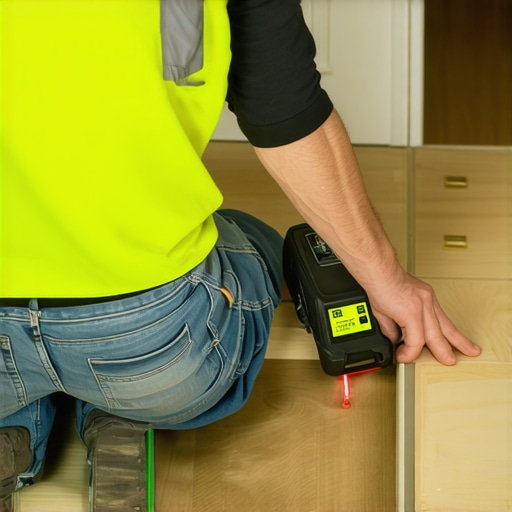
- **Laser Level** — Perfect for ensuring straight lines in tiling and baseboard installation, especially on uneven surfaces. It makes alignment effortless.
- **Quality Sandpaper and Scribing Tools** — Finishing the bevel edges or customizing cuts ensures a seamless fit, elevating the overall appearance.
Keep Moving Forward and Elevate Your Space
Every home upgrade is a chance to learn and improve. Whether you’re installing new flooring, crafting perfect baseboards, or renovating your shower, embracing these insights empowers you to achieve results that feel truly professional. Remember, the little details make the biggest difference—and the journey is part of the satisfaction. Ready to start your next project? With the right mindset and tools, you’re well on your way to transforming your home into a masterpiece. How have small adjustments changed your latest renovation? Share your stories below!
For more expert tips, consider exploring this guide on elevating interior finishes.