

I remember the first time I attempted to verify my shower pan slope. The frustration was real—standing there with a level, a tape measure, and a sinking feeling that I was missing something crucial. After all, a properly sloped shower pan is the backbone of a leak-proof, durable shower. But I kept questioning myself: am I doing this right? The lightbulb moment came when I discovered the 3-Brick Method, a simple yet profoundly effective technique that transformed my approach to shower pan testing.
The Importance of a Correct Shower Slope and How to Achieve It
Why does this matter so much? Because a too-flat or uneven slope can lead to water pooling and eventual leaks, causing costly repairs and mold problems. Conversely, a slope that’s too steep may lead to water escaping the drain, making your shower less safe and efficient. Getting this right is essential, and it’s easier than you think once you understand the method.
But let’s be honest—early on, I made a common mistake. I relied solely on visual checks or a basic level, thinking that was enough. I didn’t consider the critical height differences across the pan, which led to inaccuracies. Trust me, if you’re aiming for precision, this is a mistake best avoided.
Have you ever faced an uneven shower floor or struggled with ensuring proper drainage? If so, you’re not alone. It’s a challenge many of us face, especially when DIY-ing or working with less-than-ideal subfloors. Luckily, mastering the 3-Brick Method is a game-changer.
Supporting this, the experts at Tile Craftsmanship emphasize the importance of accurate slope testing for longevity and performance of the shower. They recommend techniques like this for ensuring professional results—[learn more about transforming your home with expert flooring tips](https://tilecraftsmens.com/transform-your-home-expert-flooring-installation-tips-for-2025).
Now, let’s dive into how this straightforward method can set you up for shower success—making sure every drop of water stays where it belongs and saving you from headaches down the line.
Lay Your Foundation with the 3-Brick Approach
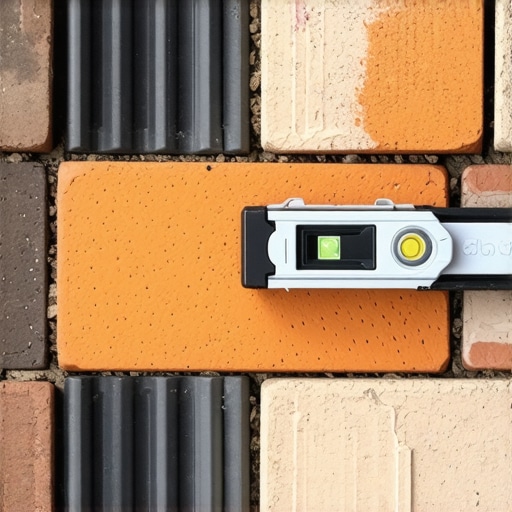
First, gather three standard bricks or concrete blocks—aim for uniform size. Place them at strategic points across the shower pan’s drain area, ensuring they create a gradual slope toward the drain. I once did this in a tight space where maneuvering was tricky; stacking the bricks under a level gave me a clear visual of the slope, saving me from later tile cracking. The bricks elevate the center, pointing the slope perfectly, and act as temporary supports.
Check and Adjust the Height Gradually
Set your level across the bricks, adjusting the height of each brick until the bubble sits perfectly centered—this indicates a consistent slope. Remember, the slope should be about 1/4 inch per foot toward the drain for proper drainage. When I went through this for my weekend project, I used a long carpenter’s level along with a laser level to verify coverage. It took patience, but the result was a perfectly graded pan that held water briefly—just what you want for a functional shower.
Secure the Slope with Subfloor Materials
Once satisfied with the brick heights, tape or secure them temporarily if needed. Spread thin-set mortar beneath the bricks to hold them in place after verifying the slope. This step ensures the bricks won’t shift during tile installation or curing. During my test, I used a quick-setting mortar, which made repositioning after initial placement nearly impossible, so I learned to work swiftly. After the mortar set, I removed the bricks carefully, leaving a precise slope behind.
Final Checks Before Tiling
Perform a final verification with your level or laser. Walk across the pan to feel for any inconsistencies. If necessary, add or remove mortar to fine-tune the slope. Remember, the goal is a consistent incline leading toward the drain, preventing ponding. Once I confirmed the slope, I proceeded confidently, knowing water would flow properly and avoid future leaks or mold issues. This method eliminates guesswork and gives you repeatable, professional results.
Note on Common Mistakes
A mistake I made early on was overestimating the importance of visual assessment alone—trusting your eyes isn’t enough. The brief use of bricks as spacers gives a tangible, measurable reference. For more tips on achieving flawless results in your remodels, check out this guide on flooring perfection. Remember, precision at this stage simplifies everything downstream, from tiling to sealing.
 }]}\nWhile many DIY enthusiasts and even seasoned pros focus on the visible aspects of flooring, baseboards, or shower finishes, they often overlook nuanced pitfalls that can undermine the entire project. One common misconception is that following the standard measurements and visuals suffices, but in reality, small details like subfloor prep or moisture control have far-reaching implications. For example, many believe that leveling the surface once is enough, ignoring the fact that floor settling or humidity fluctuations can cause gaps or cracks over time—making the initial effort appear perfect only temporarily. An advanced mistake is underestimating the importance of proper expansion joints in flooring, especially with large hardwood or vinyl installations. Without these, natural expansion and contraction lead to buckling and durability issues. Similarly, in shower installations, neglecting the subtleties of slope consistency can result in ponding, which promotes mold growth and water damage.
One misconception I want to debunk involves baseboard installation on uneven walls. Many installers rely solely on mitered corners or quick shims, but the nuanced technique of using adjustable shimming behind the baseboards ensures a seamless, professional finish—even on irregular surfaces. This advanced trick prevents unsightly gaps or uneven tops, elevating the overall design aesthetic. For immersed showers, the often-overlooked detail is the waterproofing membrane’s thickness and application technique. Failing to apply it uniformly can lead to leaks that are hard to detect initially but cause major structural issues later.
From a practical standpoint, the most critical advanced mistake is neglecting the importance of moisture management during and after installation. A study published by the National Roofing Contractors Association highlights that improper moisture control accelerates deterioration of both flooring and shower components, frequently leading to premature failures. Always consider using moisture barriers, especially in basements or high-humidity areas, and ensure proper ventilation. You might think that a quick seal with standard caulks suffices, but experts recommend high-quality, flexible, waterproof sealants for longevity. For comprehensive advice on this, check out this insightful guide.
And here’s a little tip for the meticulous installer: always double-check the compatibility of your adhesives and sealants with the building’s environmental conditions. Using a universal product in a high-moisture zone is a recipe for disaster. Instead, opt for those rated specifically for wet or humid environments to prevent issues like bubbling, peeling, or molding. Remember, paying attention to these nuanced details not only saves future repair costs but also significantly enhances the aesthetic and functional quality of your installation.
Are you guilty of overlooking these subtle yet impactful details? Share your experiences or questions in the comments below and let’s help each other elevate our DIY game! For more expert insights, explore this resource to master flawless carpet installation or these shower tips for a spa-like upgrade.Once you’ve completed your flooring, baseboards, or shower installation, the work doesn’t stop there. Proper maintenance is vital to keep your surfaces looking pristine and functioning flawlessly over time. For flooring, regular cleaning with a non-abrasive mop and pH-neutral cleaner prevents dirt buildup without damaging the finish. Cleaning grout lines in showers with a soft brush and mild vinegar solution helps prevent mold and mildew proliferation. Investing in a quality waterproof sealant, applied periodically, protects the grout and tile from moisture ingress, which can cause long-term damage.
Tools I recommend for ongoing upkeep include a high-quality steam mop for sealed floors, which uses hot steam to sanitize without harsh chemicals. A grout haze remover brush simplifies cleaning between tiles, making routine care more efficient. For showers, a squeegee after each use minimizes water spots and soap scum buildup. Using digital moisture meters helps monitor subfloor and wall moisture levels, catching leaks early before they become major issues.
Looking ahead, the trend in maintenance tools leans toward smart technology. IoT-enabled sensors can monitor humidity and moisture in real-time, alerting you to potential leaks or ventilation issues before they escalate. Additionally, automated cleaning devices are becoming more sophisticated, with robotic vacuums and mops tailored for specific surfaces—saving time and ensuring consistency.
How do I maintain my flooring and showers over time?
Lessons That Challenged My Expertise and Raised the Bar
One of the toughest realizations I faced was understanding that even small miscalculations in slope or level could cascade into bigger headaches down the line. A wrongly pitched shower floor or uneven baseboards might seem minor initially, but over time, they become symbols of overlooked details that compromise durability and beauty.
Another lesson was appreciating the power of proactive testing methods like the 3-Brick Technique. Instead of relying solely on visual cues, I learned to measure, verify, and adjust with confidence—saving time, money, and frustration.
The third insight was realizing that patience and meticulousness during installation pay dividends long after the project ends. Rushing through the slope test or skipping moisture checks is tempting, but experience proved that doing it right in the beginning ensures peace of mind for years to come.
Tools and Resources That Elevate Your Skills
For anyone serious about achieving professional results, I highly recommend investing in quality tools like a long spirit level, laser measurement devices, and reliable mortar mixes. These aren’t just accessories—they’re essentials that make the difference between guesswork and precision.
Beyond tools, exploring expert-guided resources like this comprehensive guide on flooring installation can transform your approach, providing insights that save you from common pitfalls.
Books on advanced tiling and flooring techniques have also been invaluable in broadening my understanding. They offer a deeper look into materials, environmental considerations, and innovative methods that elevate craftsmanship.
Your Next Step in Mastery and Confidence
The journey to impeccable flooring and shower installations is ongoing, but every step taken with intention boosts your skill and confidence. Remember, attention to the smallest detail—be it slopes, moisture barriers, or baseboard fitment—makes your work not only durable but also a source of pride.
Have you ever encountered a subtle flaw that caused bigger issues later? Share your story below, and let’s learn from each other’s experiences to perfect our craft. For more tips on creating flawless interiors, explore these expert carpet installation secrets.
,