

Picture this: you finally install new vinyl flooring in your basement, expecting a sleek, durable finish. But within months, weird seams start to curl, spots of mold sneak their way in, and you realize moisture might be the real culprit lurking beneath the surface. I’ve been there—initially thinking I had everything covered, only to discover a sneaky, unseen obstacle was sabotaging my project. That was my lightbulb moment about the importance of understanding the hidden moisture barrier.
Why Ignoring This Invisible Layer Can Cost You Big Time
For homeowners like you and me, basement floors often seem straightforward—lay it down, enjoy it, right? Not quite. The truth is, beneath your vinyl lies a crucial layer that protects your investment: the moisture barrier. If overlooked, standing water vapor can slowly seep through, causing adhesion failures, warping, or worse, mold growth. It’s an unseen threat that secretly sabotages your flooring job. According to the experts at TileCraftsmens, properly installed moisture protection increases a vinyl flooring’s lifespan significantly. Just like a sturdy foundation is vital for a house, this barrier keeps your basement flooring safe from relentless moisture.
Skeptical? Think the hype is overblown?
Early in my DIY journey, I made a classic mistake: I skipped the moisture barrier because I thought my basement’s concrete was dry enough. News flash—concrete can emit moisture for years after pouring, especially in humid climates. That mistake cost me extra time and money fixing bubbling vinyl, despite my initial efforts. The reality is, missing or improperly installing this little layer can turn your flawless setup into a nightmare. Want to dodge that bullet? Keep reading, because understanding this hidden barrier could save you from future headaches—and dollars.
}**onNext**={
Start with a Clean and Dry Subfloor
Before laying your vinyl or any flooring, thoroughly clean your concrete slab, removing dust, debris, and loose particles. Use a vacuum or broom, then wipe with a damp cloth and allow it to dry completely. In my DIY project, I spent an extra hour ensuring the surface was spotless—this prevented any tiny particles from causing uneven adhesion or bubbles later.
Inspect and Repair for Cracks and Moisture
Examine the slab for cracks or holes; fill them with a concrete patch and let it cure. Use a moisture meter to test moisture levels; if readings are high, apply a suitable sealant or moisture-mitigation coating. I learned this the hard way when my initial installation bubbled due to hidden moisture, which a simple moisture test could have caught early—saving me costly repairs.
Choose and Install a Proper Vapor Barrier
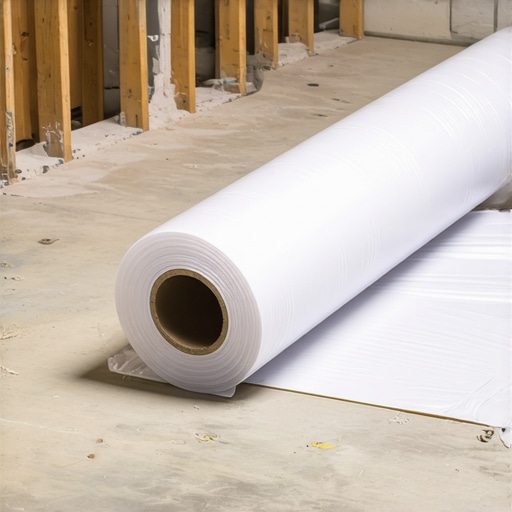
Select a high-quality polyethylene sheet, typically 6 mil or thicker, with an overlapping seam. Roll it out smoothly over the entire surface, ensuring it extends up the walls by at least 4 inches. Secure edges with tape, and avoid wrinkles that can trap moisture. When I installed mine, I used double-sided tape on seams and weighted the edges, which prevented shifting during flooring laydown.
Seal Penetrations and Corners
Use a moisture-resistant tape or caulk to seal around pipes or penetrations. This creates a continuous barrier, preventing moisture migration. During my project, sealing around the sump pump pipe with specialized tape helped maintain a dry environment beneath the vinyl.
Apply Additional Moisture Prevention if Needed
In high-humidity areas, consider applying a liquid moisture barrier or primer before laying the vapor barrier. This adds an extra layer of assurance against vapor transmission. I added a liquid sealant around the edges, which complemented the vapor barrier and further mitigated moisture issues.
Proper Flooring Adhesion and Installation
Follow manufacturer instructions precisely when installing vinyl or other flooring types. Use recommended adhesives, and keep the surface and installation environment within specified temperature and humidity ranges. In my experience, waiting for a dry day prevented adhesion problems caused by ambient moisture.
 Many homeowners believe that once the flooring is laid or the shower is installed, their job is done. However, this mindset overlooks critical nuances that can make or break the longevity and appearance of your renovations. One widespread misconception is that baseboards are merely aesthetic; in reality, they conceal gaps, uneven cuts, or framing imperfections that affect the entire room’s finish. For instance, squeezing in a quick paint job on rough or uneven baseboard edges can lead to gaps and cracks over time, especially with shifting walls or temperature changes. Proper scribing and precise miter cuts, combined with sealing techniques, greatly enhance the seamless appearance and durability, a detail often overlooked by DIY enthusiasts. Specialist insights reveal that choosing the right baseboard style also influences how well it hides imperfections, making your space look professionally finished. Dive deeper into the latest trends and expert tips at Baseboard Trends in 2025.Maintaining your home improvements, from baseboards to showers, requires more than just a quick routine; it demands the right tools, consistency, and an understanding of future trends. One essential tool I swear by is a high-quality moisture meter. Personally, I use the [Protimeter Surveymaster](https://tilecraftsmens.com/privacy-policy) because it provides both pin and pinless readings, allowing me to accurately monitor moisture levels over time, especially crucial for floors and showers. Regular inspections with this device let me catch early signs of moisture intrusion, preventing costly repairs down the line.
Another indispensable investment is a multi-tool with a variety of attachments, such as the Oscillating Multi-Tool from Dremel. I rely on mine for precise sanding, scraping, and sealing around baseboards and shower enclosures, ensuring that all joints remain tight and watertight. For larger projects, a powerful, corded or cordless drill with variable speed controls ensures you can apply consistent pressure, especially when re-tightening loose baseboards or updating fixtures. Using these tools routinely keeps your installations looking fresh and functioning properly for years to come.
Keeping up with trends is equally important. The 2025 advancements point toward smart maintenance solutions—like moisture sensors integrated with home automation systems—that alert you immediately to issues before they escalate. Investing in such technology might seem daunting now, but as these tools become more affordable, they’ll become standard in premium homes. This trend indicates that in the future, continuous monitoring will be the norm, drastically reducing repair costs and extending the lifespan of your fixtures.
How do I maintain my baseboards and flooring over time?
To ensure longevity, schedule annual checkups for your baseboards and floors. Use a soft cloth and a mild cleaner to gently wipe down surfaces, and apply touch-up paint or sealant to mitered corners or damaged areas. Re-sealing grout lines in showers every couple of years with specialized sealants prevents water from seeping into vulnerable spots. Additionally, consider adding a layer of preventative caulk around shower fixtures and baseboard corners to block moisture intrusion. For detailed guidance, see our article on baseboard trends in 2025, which includes tips for selecting durable materials.
Another tip is to stay proactive with your tools. For example, after every cleaning or maintenance session, store your multi-tool blades and attachments properly to avoid rust and wear. Periodic lubrication of your drills and saws also ensures they perform optimally, preventing breakdowns. Remember, consistent small efforts—like tightening loose screws or reapplying sealants—are what keep your home looking and functioning like new over the years. As I like to say, a well-maintained home is a happy home, and upgrading your maintenance tools now prepares you for easier projects ahead. Don’t just settle for reactive fixes; invest in these precise tools today and take control of your home’s long-term health.
When I first started renovating my basement, I believed that following the basic steps would ensure a perfect finish. But over time, I learned that the devil is in the details—especially the hidden ones like moisture barriers and precise sealing. These lessons transformed my approach from DIY novice to confident homeowner, saving me both time and money in the long run.
Those Small Details That Make All the Difference
- Moisture barriers aren’t just a recommendation—they’re a necessity. Skipping or improperly installing them can lead to bubbling vinyl or mold growth, which no homeowner wants to face. My lightbulb moment was realizing that even a dry-looking concrete slab can emit moisture over years, silently undermining my efforts.
- Sealing all penetrations, corners, and seams creates a fortress against moisture intrusion. I learned this the hard way after a minor leak caused a major repair when I neglected to seal around pipes and fixtures during my first installation. Proper sealing ensures longevity and hygiene.
- Tools are your best friends when it comes to perfect finishes. Investing in a high-quality moisture meter or a versatile multi-tool made my work smoother and more precise. These tools helped me catch potential issues early, preventing expensive fixes later.
- Understanding current trends can refresh your approach and keep your home modern. Staying updated with the latest baseboard styles or smart moisture sensors can elevate your project from good to extraordinary, and future-proof your investment.
Getting the Most Out of Your Home Renovations
The key to lasting beauty and function isn’t just about initial installation; it’s about ongoing maintenance and awareness. Regular inspections using reliable tools, sealing vulnerable spots, and staying informed about new materials can extend the lifespan of your flooring and showers. Remember, small proactive steps today will reduce costly repairs tomorrow. For trusted resources, I rely on in-depth guides and expert tips on shower renovation and home upgrades, which keep me ahead in the game.
Let Your Home Reflect Your Care
Every upgrade, from baseboards to showers, is an opportunity to infuse your personality and diligence into your space. Embrace the learning process, invest in the right tools, and don’t shy away from staying updated with the latest trends. Your home will thank you with durability, beauty, and comfort for years to come.