

Thinking you nailed that vinyl flooring installation, only to find that unmistakable clicking sound every time you walk across the room? I can’t tell you how many times I’ve been there—think you’ve finished a project, only to be startled by those pesky noises days later. It’s like your floor is trying to tell you a secret, but all it’s saying is, “Fix me.”
That moment of realization—when your beautiful new floor sounds more like a piano than a sleek finish—can be frustrating. But here’s the good news: those unsettling clicks and squeaks are often fixable without ripping everything out. Over the years, I’ve learned a few tried-and-true techniques that genuinely work to tame those problematic spots. And today, I’m going to share exactly how I did it.
Why Subfloor Leveling Is a Big Deal—And How to Fix It
Before I dove into the nitty-gritty, I used to assume those noises were just part of the deal with vinyl flooring. Turns out, they’re often a sign that the subfloor beneath isn’t quite ready for prime time. Uneven surfaces—whether due to moisture, age, or improper installation—cause the clicking to amplify with every step.
According to flooring experts, an uneven subfloor is the leading cause of vinyl plank squeaks and clicks. The good news? It’s typically a straightforward fix. With a bit of leveling compound or strategic shimming, you can create a solid, noise-free foundation that keeps your floors quiet and comfortable for years.
Now, I’ll admit, I made a rookie mistake early on: I skipped checking the subfloor’s levelness, thinking my skills could compensate for minor dips and bumps. That oversight resulted in more sound than style—as much as I believed I could fix it later, the truth is, the best fix is prevention. Knowing what to look for and how to quickly correct uneven spots has saved me countless headaches.
If you’ve laid down new vinyl yourself or even if a professional did—and you’re now stuck with those echoing clicks—stick around. I’ll walk you through simple, effective fixes that have stood the test of my own DIY adventures. Plus, I’ll point you to more valuable tips, like how to prepare your subfloor properly before installation or what materials to keep handy for quick repairs. Ready to silence those troublesome clicks for good? Let’s dive into proven techniques to level your subfloor efficiently and effectively.
Level the Subfloor for a Quiet Foundation
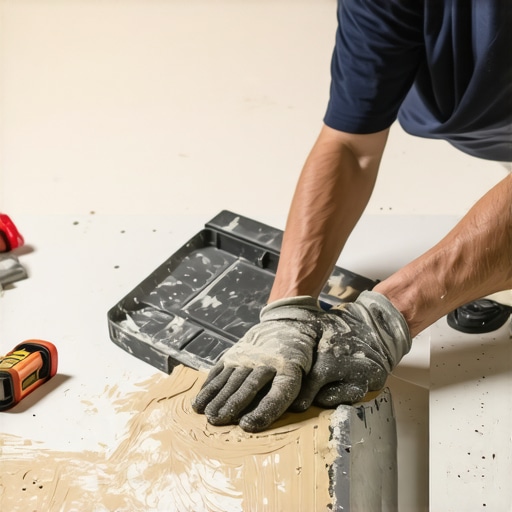
Start by inspecting your subfloor with a long level or straightedge. If you notice dips or high spots, mark them clearly. I once overlooked this step and attempted to install vinyl over a subtly wavy surface—within days, the clicking sound intensified. To fix it, I applied a self-leveling compound, spreading it evenly with a notched trowel, then let it cure fully before proceeding. This creates a smooth, stable base that prevents movement and noise.
Identify Problem Areas
Use a straightedge or a marble to roll across the floor; listen for creaks or feel for unevenness. For stubborn spots, tap lightly with a hammer to see if the subfloor flexes. Mark these locations. Addressing uneven spots early makes a big difference in noise reduction.
Proper Installation Techniques
When laying vinyl planks, ensure each piece is snug against the previous, avoiding gaps that can cause movement. Use tapping blocks—preferably rubber—to gently push planks into place, preventing damage and ensuring tight seams. I once skipped this and ended up with gaps that rattled underfoot. Tapping with the right tool locked everything together, eliminating the noise source.
Secure Loose Boards
If any subfloor sections are loose, fix them with screws at strategic points. Pre-drill with a countersink bit to prevent splitting, then sink the screws just below the surface. This firm anchoring removes flexing that can cause clicking sounds.
Maintain Consistent Installation Conditions
Install vinyl in a climate-controlled environment. Excess moisture or humidity can cause materials to expand or contract, creating movement noise. I’ve learned to wait for ideal conditions to avoid surprises later. Using a hygrometer helps monitor humidity levels, keeping everything stable.
Use Quality Underlayment
A good underlayment acts as a buffer, absorbing minor subfloor movements. Options include foam or cork underlayments designed for vinyl flooring. I once used a subpar underlayment and regretted it—the clicking was never fully resolved. Investing in a high-quality underlayment pays off in quieter floors.
Regular Maintenance and Checks
Periodically inspect your flooring for loose planks or signs of movement. Tighten any areas that feel loose immediately. This proactive approach prevents minor issues from escalating into more significant noise problems. Routine checks keep your vinyl floor silent and looking great for years.
Applying these steps meticulously transformed my noisy vinyl floor into a peaceful surface—proof that proper preparation and technique make all the difference. For more in-depth DIY tips or professional insights, visit this resource.
 Many homeowners harbor misconceptions about interior finishing tasks like installing baseboards, flooring, carpets, or showers. One prevalent myth is that perfect cuts and flawless finishing come from expensive tools or professional help. While high-quality equipment eases the process, mastering nuanced techniques—such as precise scribing or joint caulking—can compensate without breaking the bank. In fact, novice installers often overlook the significance of moisture control during flooring and shower installs, leading to long-term issues like warping or mold. Experts emphasize that controlling humidity and temperature at installation is critical for durability, a detail many miss. For advanced insights, consider how understanding the wood’s moisture content can prevent gapping in wooden baseboards—an often misunderstood issue. A study by the Wood Education and Resource Center highlights that applying a moisture barrier reduces movement and gaps significantly. Also, many believe that sealing is optional for showers, but neglecting proper waterproofing leads to leaks and framing damage over time. Moving beyond the basics, paying attention to niche details like proper expansion gaps for flooring or the strategic placement of shower waterproof membranes can make or break the project’s longevity. So, next time you feel tempted to skip a step based on common wisdom, remember that the devil is in the details. Would you like to explore how to precisely scribe baseboards for uneven walls? Check out our guide on [Baseboard Trends in 2025](https://tilecraftsmens.com/baseboard-trends-in-2025-fresh-styles-for-every-room) for more expert tips on achieving a professional finish. Don’t let myths undermine your craftsmanship—invest time in learning the nuanced differences that make a project stand out.
Keeping It Working with the Right Tools
Maintaining a flawless finish in your home projects hinges on using specialized, high-quality tools tailored to each task. For flooring, I swear by my laser distance measurer; it ensures precise measurements, preventing gaps that can cause noise or uneven looks. My go-to is the Bosch GLM 50 C, thanks to its accuracy and Bluetooth connectivity—making it easy to document measurements for future reference. When installing baseboards, a high-tension Nissin staple gun has saved me countless times by securing caulk-free, gap-free joints quickly and cleanly. For shower renovations, a digital moisture meter like the Tramex CME4 helps me monitor humidity levels after sealing, ensuring that the waterproofing stands the test of time.
Investing in quality tools might seem costly initially, but their durability and precision save time and prevent costly mistakes in the long run. As technology advances, I predict more smart tools—like app-connected moisture levels and automated laser guides—will become standard in DIY and professional settings, bringing higher accuracy and efficiency. Incorporating these gadgets into your workflow means your projects won’t just look good initially but will maintain their integrity for years.
How do I maintain my tools over time?
Regular cleaning, proper storage, and periodic calibration are key. For example, I clean my laser level after every use with a damp cloth and store it in a padded case to prevent drops. Calibration checks, available via manufacturer instructions, ensure ongoing accuracy, especially for measurements critical in flooring and shower waterproofing. Keep batteries fresh and replace worn parts promptly—this routine upkeep guarantees your tools perform reliably when it counts. Additionally, investing in a quality toolbox with organized compartments helps me quickly find what I need, reducing project downtime. For a deeper dive into essential tools for lasting upgrades, consider reviewing expert tips on durable flooring installation.
By adopting these maintenance habits, your tools will serve you faithfully for years, making each project easier and more precise. Next time you’re tackling a flooring or shower renovation, try calibrating your laser level before starting—this small step can markedly improve your alignment and finish quality. Remember, mastery comes from both the right equipment and diligent care.

Here’s an image of a professional-grade laser level in action during a flooring measurement, illustrating how precision tools help achieve perfect results.
The Hardest Lesson I Learned About Finishing Touches
One of my most surprising realizations was that small details like precise scribing or meticulous layering can make or break a project’s professional look. I used to think that big tools and expensive materials were everything, but I quickly discovered that honing seemingly minor skills elevated my work significantly. For instance, mastering how to hide uneven walls with clever scribing transformed my baseboards from amateurish to flawless, saving time and reducing rework.
Hidden Truths Professionals Keep Quiet About
Many seasoned installers won’t tell you that moisture control is the unsung hero in lasting results. Properly measuring and managing humidity levels during installation prevents gaps and warping months down the line, especially for hardwood and showers. Learning these nuanced practices, like using a moisture barrier with baseboards or sealing shower leaks from unexpected points, can dramatically extend the lifespan of your investments.
Why Small Tweaks Lead to Big Wins
Something as simple as adjusting your underlayment thickness or shim placement can reduce squeaks and gaps. I found that taking an extra moment to precisely align and secure every piece prevented many issues before they started. Incorporating these minor but impactful changes in your routine can save you from laborious fixes later—making every project not just look good, but stand the test of time.
What Setting Up for Success Can Teach Us
My biggest insight was that thorough preparation—like pre-measuring for uneven walls or ensuring your tools are perfectly calibrated—makes all the difference. Setting aside time to plan your approach, whether it’s for installing a shower or laying new flooring, ensures that each detail aligns perfectly. This proactive mindset minimizes mistakes and elevates your craftsmanship from average to outstanding.
Where I Turn for Trusted Wisdom
- Tools that Keep Me on Track: My laser level from Bosch ensures precise measurements every time, preventing those dreaded gaps in baseboards or uneven tile seams. Its reliability has been a game-changer.
- Invaluable Reading Material: The guide “Transform Your Home: Expert Flooring Installation Tips for 2025” offers insights that push my skills further and keep me updated with industry trends.
- Online Communities and Tutorials: Connecting with seasoned craftsmen through forums and tutorials has provided quick solutions to tricky issues like fixing shower leaks or seam mismatches, saving me time and frustration.
Your Turn to Make It Perfect
Remember, the key to flawless projects lies not just in the big steps but in the tiny details that often go unnoticed. Embrace continuous learning and don’t shy away from experimenting with new techniques—your home will thank you. Whether you’re refining your baseboards or sealing a stubborn shower leak, every tweak brings you closer to mastery.
What’s the smallest detail you’ve improved that made the biggest difference in your project? Share your experience below and let’s learn together!