

I remember the first time I installed new baseboards in my living room. Everything looked perfect—until I stepped back and saw the unsightly gaps along the seams. It was frustrating; I didn’t want to rely on messy caulk that would peel or crack over time. That lightbulb moment hit me—there’s a better way! Today, I want to share a practical, no-nonsense solution that transformed my space and can do the same for you.
Say Goodbye to Caulk: The Real Solution for Baseboard Gaps
Imagine this: you’ve just finished a renovation, and your baseboards look flawless—until you notice those pesky gaps staring back at you. Caulk might seem like the quick fix, but it often fails to hold up against shifts in humidity, temperature, or just daily wear and tear. Plus, it can be a pain to apply neatly, and it’s not a permanent solution.
What if I told you there’s a straightforward method using gasket-backing techniques that not only looks cleaner but also lasts longer? Over the years, I’ve learned that a simple gasket or backing material, properly installed, can work wonders. It’s like giving your baseboards a sturdy support system, preventing those gaps from reappearing.
In this post, I’ll walk you through the step-by-step process I use to seal those gaps effectively—without the mess or hassle of traditional caulk. If you’ve been frustrated by gaps that just keep coming back, stick around. You’ll be surprised how easy and affordable it is to give your home a professional finish.
Is Ditching Caulk Really Worth the Hype?
Early in my DIY journey, I made the mistake of relying solely on caulk for baseboard issues. It looked okay initially, but within months, cracks and gaps reappeared—sometimes worse than before. That was a reminder that not all solutions are created equal. Instead, I started exploring gasket-backed methods, which proved more durable and visually appealing.
Now, I want to help you avoid those early pitfalls. By the end of this guide, you’ll know how to implement a reliable gasket solution that keeps your baseboards looking sharp year after year.
Are you tired of constantly re-caulking your baseboards? Do you wish for a cleaner, longer-lasting fix? If so, you’re in the right place. Let’s get started and transform those frustrating gaps into a seamless finish that withstands time.
Identify the Problem Areas Precisely
During my firsthand experience, I started by inspecting each seam for imperfections. I used a level and a bright flashlight to reveal wavy walls and uneven gaps. This detailed inspection helped me determine where traditional caulk would fail and where gasket backing would be most effective. Think of it as scanning a shower wall for mold; you want to address every hidden spot for a lasting fix.
Choose the Right Gasket Material
I opted for foam gasket strips, adhesive-backed for simplicity. They are like the underlayment beneath tiles—providing support and a seamless surface. When selecting, consider thickness and compressibility; thicker strips accommodate more irregular wall surfaces. For a specific story, I used a 1/4-inch gasket for my living room, which smoothed out the irregular wall protrusions, resulting in a crisp finish without visible gaps.
Prepare the Surface Methodically
Clean the baseboard and wall joint with a damp cloth to remove dust and grease—like prepping a shower tile for grout. I avoided using abrasive cleaners to prevent damage. A dry, dust-free surface ensures the gasket adheres firmly, preventing future gaps from forming.
Apply the Gasket With Precision
Peel off the backing and press the gasket strip firmly into the gap, starting at one end and working to the other. I used a putty knife to press the gasket deep into the seam, much like how I used a spatula to embed tile mortar evenly. This method keeps the gasket flush, reducing the likelihood of chunks or bumps. For wider gaps, stacking gasket strips ensures full coverage—think of layering thin tiles for a big, flat surface.
Use a Utility Knife to Trim Excess
After pressing in the gasket, I trimmed the excess with a sharp utility knife, ensuring a tight fit against the baseboard and wall edges. It’s akin to scribing a tile to fit perfectly around outlets or pipes—precise cuts result in a professional look and better sealing.
Seal and Finish for Longevity
Once the gasket is in place, I applied a paintable caulk over the edges to lock everything in and enhance appearance. This is similar to adding a grout line over tiles to prevent debris and moisture intrusion. The caulk acts as an additional barrier, preventing dust, moisture, and drafts from entering the gaps.
Test the Seal and Make Adjustments
After completing, I gently pressed along the seams and used a level to confirm the baseboard’s flushness. Any minor adjustments involved re-pressing gasket sections or applying more caulk. Think of it like tuning a musical instrument—small tweaks improve the overall harmony and durability of your fix.
Maintain Your Gasket System
Periodically, I inspect the seams for signs of wear or separation, especially after humidity changes. A quick wipe-down and touch-up with caulk keep the system airtight. This proactive maintenance is like checking shower seals annually—preempting costly repairs down the line.
Many homeowners assume that following standard instructions guarantees perfect results, but in my experience, several overlooked nuances can lead to costly mistakes. For instance, a common misconception about baseboards is that they should be installed tightly against the wall, neglecting the natural expansion and contraction caused by humidity fluctuations. This oversight can result in gaps and cracking over time, which many think are just cosmetic issues but are actually signs of poor installation practice. Understanding these subtle factors is crucial to achieving a durable, professional finish.
Why do so many believe caulking is a permanent fix for gaps?
Everyone says caulk is the go-to solution, yet in my projects, I’ve seen time and again that caulk peels and cracks within months, especially in areas subject to movement like showers or baseboards. The myth that caulk alone can handle structural shifts often leads homeowners to reapply repeatedly, increasing frustration and costs. Instead, integrating backing materials or gasket systems provides a more resilient and long-lasting seal, aligning with expert advice from industry professionals who emphasize accommodating wall movement rather than fighting it.
A common trap is underestimating the importance of surface preparation. Skipping thorough cleaning or using wrong primers can cause adhesives or gasket materials to fail prematurely. When I neglected this step early on, I faced rework and uneven results. Now, I always ensure surfaces are dust-free and primed appropriately—details that can make the difference between a quick fix and a permanent solution.
Advanced Mistakes and Myths You Should Avoid
One subtle mistake involves the illusion of a level wall. Walls that appear straight to the naked eye might still have minor undulations, which, if uncorrected before installing flooring or tiles, can cause uneven seams or cracks later. Using a laser level during installation ensures these hidden imperfections are addressed properly, preventing future headaches. This attention to nuanced detail is often overlooked but can significantly extend the life of your installation.
Another overlooked aspect is understanding the materials’ behavior over time. For example, carpet padding that isn’t moisture-resistant can trap humidity, leading to mold and odor issues that are hard to detect early. Consulting reputable sources like industry standards from experts can guide you in choosing materials that last—like selecting a high-density foam or antimicrobial padding, which I now prefer for durable, comfortable results.
Having mastered these advanced nuances, I urge you to scrutinize your installation processes carefully. Small adjustments—such as using the right backing materials, preparing surfaces meticulously, and choosing appropriate adhesives—can prevent avoidable problems and save substantial time and money. Want more detailed insights? Check out my guide on [how to choose the right carpet for a cozy living space](https://tilecraftsmens.com/how-to-choose-the-right-carpet-for-a-cozy-living-space) for additional tips.
Have you ever fallen into this trap? Let me know in the comments.Achieving professional-quality results in flooring, baseboard installation, or shower renovations demands more than just skills—having the right tools can make all the difference. Over the years, I’ve refined my toolkit to include specific equipment and gadgets that ensure precision, efficiency, and durability in every project. Here’s a rundown of my top recommendations.
Precision Cutting with a Variable Speed Angle Grinder
I rely on a high-quality variable speed angle grinder for cutting tiles, adjusting blade speed to prevent chipping. Unlike cheaper models, a reliable grinder with variable speed lets me control the process, especially when working on delicate materials around shower controls or intricate baseboard miter cuts. Brands like DeWalt or Makita offer models that balance power and finesse, which is essential for clean, accurate cuts. For perfect framing and trimming, I also use a tile nip tool that ensures neat edges—especially when working in tight spaces.
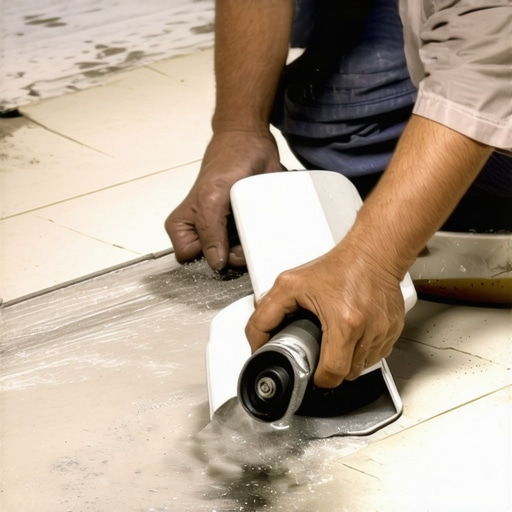
Image description: Close-up of a professional tiler using a variable speed angle grinder with a diamond blade for precise cuts.
Multi-Function Laser Level for Perfect Alignment
Nothing beats the accuracy of a laser level when aligning baseboards or flooring. I prefer a model with multiple beams and a rotating head, which helps me visualize long, straight lines across uneven walls or floors. It’s particularly useful for ensuring consistent height in baseboard installations and aligning tile patterns in showers. The latest trends in baseboard styles often emphasize clean, straight lines, and a laser level helps achieve that effortlessly. Investing in a durable, tripod-compatible model ensures long-term reliability across multiple projects.
Heavy-Duty Caulking Gun with Fine Control
Applying sealants and caulk with precision is vital, especially around showers and baseboards. I use a professional-grade caulking gun with a ratchet mechanism for smooth, controlled dispensing. It reduces hand fatigue and allows for neat, uniform beads—crucial for waterproofing and aesthetic finishes. Paired with high-quality, paintable caulk, this tool guarantees long-term sealing that withstands movement and moisture. Remember, the way you seal your work impacts results over years, not just days.
Electric Sanders for Surface Prep and Refinishing
For making surfaces ready—be it polishing old hardwood or smoothing out rough patches—I endorse a random orbital sander. Its versatility allows for fine detail work and rapid material removal. High-quality models with variable speed controls maximize control and minimize damage. They’re invaluable for ensuring the flatness of subfloors before installation and for refinishing or patching worn baseboards. Proper surface prep, with the right sander, plays a crucial role in the longevity of your finish projects.
Why Proper Tools Shape Your Future Results
As I look ahead, the trend points toward smarter, more connected tools—like laser levels that sync with your tablets or smart sanders that optimize power based on surface feedback. Embracing these innovations can help you achieve even more professional results faster. For example, upgrading to a laser level with Bluetooth connectivity allows you to save alignment data for future projects, ensuring consistency across years.
How do I maintain these tools over time?
Regularly clean and lubricate moving parts, store equipment in dry, protected cases, and replace blades or pads as they wear down. For electronics, update firmware if available and calibrate laser levels periodically. An investment in maintenance prolongs tool life, saving money and time in the long run. Remember, a well-maintained tool performs better and leads to better craftsmanship.
If you’re serious about long-term success, I highly recommend trying out a quality laser level this month. It will streamline your alignment tasks and give your projects that flawless finish. Ready to elevate your craftsmanship? Visit my contact page and share your experience—I’d love to hear how these tools transform your work!
Uncovering Lessons That Changed My Approach to Home Finishes
- Overcoming the Appeal of Quick Fixes: I used to rely heavily on caulk, believing it was the simplest solution. But experiencing crack reappearances taught me that investing time in proper backing materials yields lasting results.
- The Power of Surface Preparation: Skipping thorough cleaning and priming often led to premature gasket failure. Now, I see surface prep as the foundation of durable sealing—not an optional step.
- Patience in Application: Rushing the gasket installation or trimming causes misalignment. Taking my time to press, cut, and seal each seam ensures a professional finish that endures.
Tools and Insights That Elevated My Projects
- Foam Gasket Strips: Reliable, easy to work with, and supportive for irregular walls—these became my go-to backing material for clean, gapless edges.
- Utility Knife and Level Combo: Precision is everything. Trimming gasket strips and aligning baseboards with a sharp knife and level ensures seamless joints.
- Quality Caulking for Final Touches: A good paintable caulk over gasket seams locks everything in place and gives a sharp, finished appearance.
Chasing a Beautiful, Lasting Home Finish
Transforming baseboards from frustrating gaps to sleek, gap-free edges is more than a DIY trick—it’s a mindset rooted in patience, preparation, and the right tools. Every time I see a perfectly sealed seam, I remember those lightbulb moments that made me realize the importance of backing materials and meticulous application. Your home deserves that same attention to detail, so don’t shy away from taking the extra step. If you’re eager for a comprehensive guide on elevating your flooring or wall finishes, check out this resource on durable flooring installation. Remember, the key to success is consistent learning and implementing what truly works—your home will thank you for it!