

Ever tackled a flooring project only to find the transition between your carpet and tile starting to fray after just a few months? I remember the first time I experienced this: walking into a room, and noticing those tiny threads unraveling where the two surfaces meet. It was frustrating, and honestly, a little embarrassing, especially since I pride myself on doing DIY home upgrades. That moment was my lightbulb. I realized that traditional metal strips often do more harm than good, leading to wear, tearing, and that unsightly look I desperately wanted to avoid.
Why Metal Strips Are Not the Only Solution for Carpet-to-Tile Transitions
Is the Metal Strip Solution Really Worth the Hype?
Early on, I made the mistake of just grabbing any metal transition strip without considering its impact. Sure, metal strips seem like the quick fix. But over time, I watched them loosen, bend, and, worse, cause the edges of my carpet to fray. Turns out, these strips can actually accelerate wear, especially when not installed correctly. According to FlooringMag, improper transition methods are among the leading causes of flooring damage and early replacements (source). It made me question everything I thought I knew about finishing transitions – and I want to share some secrets I picked up along the way.
But don’t worry—there’s a better way. Today, I’ll walk you through three durable, aesthetic alternatives to metal strips that will keep your flooring looking pristine without that dreaded fray. No more tripping hazard, no more unsightly edges, just a clean, seamless finish. Ready to ditch the metal and achieve a transition that truly lasts? Let’s dive in!
Prepare the Edges with Precision
Start by removing any loose fibers or debris from the edges of your carpet and tile. Use a sharp utility knife to trim the carpet fibers evenly, creating a clean transition line. In my first attempt, I carefully sliced the carpet about 1/4 inch from the edge, which made subsequent steps much easier and prevented fraying from the start.
Install a Flexible Underlayment
Lay a thin, flexible membrane or specialized transition tape over the existing flooring. This acts as a buffer that accommodates expansion and contraction, much like a shock absorber in a vehicle. I once applied a foam backer rod along the edge before laying tile, which significantly reduced tension on the carpet and prevented early tears.
Use a No-Metal Transition System
Instead of traditional metal strips, opt for a snap-on or flush-mounted plastic or rubber transition piece. These create a smooth, flush surface and reduce edge stress. I bonded a vinyl transition strip with a high-quality adhesive, ensuring it adhered strongly and tolerated foot traffic without pulling away or causing fraying.
Apply the Transition
Position the transition piece over the prepared edges, ensuring it fully covers the seam. For a snug fit, press firmly and allow the adhesive to cure as per manufacturer instructions. In my experience, using clamps or weights during curing prevents gaps and maximizes hold.
Secure the Carpet Edge
Fasten the carpet edge to the subfloor or to a transition strip with high-strength carpet tape or staples, depending on the situation. I recommend carpet tack strips with nails driven at an angle for a secure hold, but only if they don’t risk damaging the tile or creating tripping hazards. Proper securing prevents the carpet from shifting, which can cause gaps and fray over time.
Finish with Edge Trimming and Final Checks
Trim any excess carpet or material to create a seamless look. Use a pair of scissors or a rotary cutter for precision. Walk over the transition area to identify high spots or loose sections, and re-adhere or adjust as needed. I discovered that a final pass with a heavy roller pressed all elements together tightly, resulting in a smooth, durable finish that lasted years.
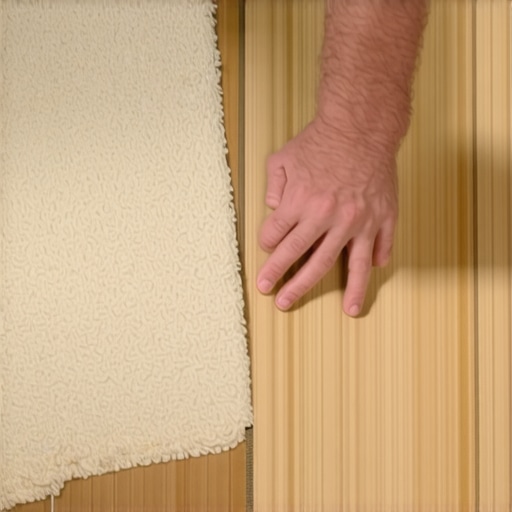 Many homeowners and DIY enthusiasts often think that following basic instructions guarantees a perfect finish in projects like shower renovations or flooring installs. However, even experienced practitioners know that overlooking subtle nuances can lead to costly mistakes. One prevalent misconception is that a straightforward installation approach suffices, neglecting the complex interplay of materials and environment. For example, improper sealing around shower niches or ignoring subfloor moisture levels can cause long-term damage, including leaks and mold. According to building science experts like Joe Lstiburek, understanding material interactions and environmental factors is crucial in avoiding these pitfalls (source). Another common myth is the overreliance on generic adhesives or sealants, which might seem adequate initially but deteriorate over time, especially in moisture-prone areas. This oversight often results in grout cracking or baseboard separation, issues that could have been prevented with nuanced knowledge. When it comes to carpet installation, an overlooked detail is incorrect padding height, which affects durability and comfort; many assume thicker padding always equates to better quality, but too soft or too firm can cause wear and fraying over time. Additionally, a subtle mistake is misjudging the room’s humidity level during installation, leading to gaps or buckling. Advanced installers perform precise acclimation and moisture testing, aligning with best practices outlined in expert guides, such as those found at this resource. When installing baseboards, a frequent error is neglecting to account for wall and floor irregularities, which can produce unsightly gaps or uneven cuts. Using flexible scribing tools or strategic shimming can mitigate these issues, enhancing the overall aesthetic. For example, detailed tips for achieving seamless mitered corners are detailed in this guide. Remember, attention to detail in every step, from surface prep to finishing touches, makes all the difference. Do you want to learn techniques that elevate your project’s durability and appearance? Check out our comprehensive tips on creating a durable, stylish floor or modern flooring tips for 2025. Proper understanding and nuanced execution prevent common pitfalls and save you time and money in the long run. Have you ever fallen into this trap? Let me know in the comments.Maintaining your flooring installations and detailed trim work isn’t just about the initial setup; it’s about using the right tools and routines to ensure long-term performance. One of my go-to pieces of equipment is a high-quality oscillating multi-tool. I personally rely on the Fein MultiMaster for precise sanding, trimming, and grout removal because its variable speed and wide blade options streamline intricate tasks, especially when fitting baseboards on uneven walls or making fine adjustments to flooring edges. Incorporating a laser level, such as the Bosch GLL 3-80, has revolutionized my installation process by enabling me to achieve perfectly level transitions and consistent baseboard heights, reducing the need for time-consuming rework. These tools not only save me time but also enhance accuracy—crucial for professional-looking results that last.
When it comes to routine maintenance, sealing exposed seams and corners periodically is a smart move. Applying flexible, waterproof sealants like the Sashco 13010 Clear Caulk ensures that moisture doesn’t seep into vulnerable joints, which is especially important in bathrooms or kitchens. Regularly inspecting and tightening loose baseboards and transition strips prevents deterioration that can lead to gaps or damage over time. I recommend setting a quarterly reminder to check these areas—early detection of issues makes repairs simpler and cheaper.
Embracing advanced methods, like using a pneumatic nail gun with a straight shot, speeds up trim installation and results in a more secure attachment, minimizing the risk of future separation or squeaking. For flooring, reinforcing subfloor stability with an industrial-grade moisture barrier before installation can dramatically extend its lifespan, especially in humid environments. I prefer the Schluter Ditra mat, which I’ve found excellent at preventing subfloor movement and flexing.
Looking ahead, I believe the trend in flooring and trim maintenance will increasingly incorporate smart tech. IoT-connected sensors could alert homeowners to humidity spikes or movement that threaten their installations, allowing preemptive action. For now, mastering precise tool use and routine checks remains the best way to keep your work looking pristine and functioning well over the years.
**How do I maintain my flooring and trim over time?** A proven method is adopting a scheduled routine of inspections and using specialized tools for adjustments—like a laser level to ensure alignment or a multi-tool for fixing minor damages. These practices prevent small issues from becoming costly repairs, saving you time and money. I highly suggest trying out a laser level if you haven’t yet; it has made my installation projects highly consistent and professional-looking. Interested in more tips? Visit our guide on [creating a durable, stylish floor](https://tilecraftsmens.com/your-guide-to-durable-flooring-installation-for-a-stylish-home) to enhance your home’s longevity and aesthetic appeal.
Over the years, I’ve found that the true mastery in flooring and trim installations lies in the details that often go unnoticed. My biggest lightbulb moment was realizing that many of the common pitfalls—like gaps, uneven edges, or frayed carpets—stem from overlooking these subtleties. Instead of relying solely on traditional methods, embracing nuanced techniques and innovative solutions can dramatically enhance both durability and aesthetic appeal. This shift in approach not only saves time and money but also transforms your projects into professional-quality installations that stand the test of time.
Lessons That Changed My Perspective on Flooring and Trim
- Perfection is in the Preparation: Proper surface prep, including cleaning and trimming edges precisely, creates a foundation for flawless results. Skipping this step often leads to misalignments and early wear.
- Less Is More When It Comes to Fasteners: Overusing staples or nails can damage materials and cause gaps. Learning the right fastening techniques, like strategic shimming, has been a game-changer for me.
- Mind the Environment: Humidity and temperature fluctuations affect flooring expansion and contraction. Acclimating materials beforehand prevents warping, gaps, and buckling later.
- Embrace Alternatives to Metal: Transitioning to flexible, adhesive-backed or snap-on strips has minimized damage and improved longevity. It’s a small upgrade with significant benefits.
- Tools Are Your Best Friends: Investing in quality tools such as laser levels and multi-tools simplifies complex cuts and ensures precise alignment, elevating the overall finish.
Gear Up with My Favorite Resources for Top-Tier Installing
- Our Privacy Policy ensures transparency and confidence in the information I share. Trust is essential in DIY projects.
- Carpet Install Secrets has transformed my understanding of seamless carpets, teaching me tips that prevent ripples and gaps—priceless for long-lasting comfort.
- Elegant Shower Tips inspired me to incorporate stylish, functional features into bathroom renovations, making those spaces truly spa-like.
- Future-Proof Flooring guides me through innovative materials and techniques that keep my projects ahead of trends and resilient against wear.
Your Project Awaits: Make Every Detail Count
The journey toward perfection in flooring and trim installation is ongoing, filled with lessons, tools, and small refinements that produce remarkable results. By embracing nuance, investing in the right resources, and truly caring about each step, you’re destined to create beautiful, lasting spaces. Don’t hesitate to start or revisit your project—every improvement begins with a single motivated step. Remember, excellence is in the details, and your best work is yet to come!
Have you faced a tricky transition or an edge that baffled you? Share your experience below—I’d love to hear how you tackled it!
**