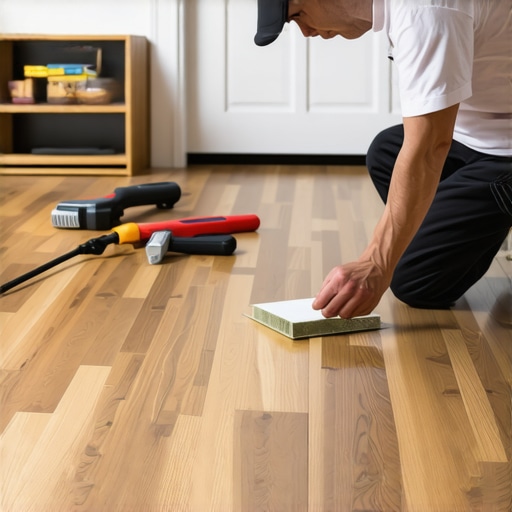
I remember the first time I finally finished installing new hardwood floors in my living room. I was proud—until a few months later when I noticed gaps forming at the edges, and the finish wasn’t quite as smooth as I envisioned. That lightbulb moment taught me a tough lesson: even the most beautiful floors can fall apart if not installed correctly from the start. Too often, I see homeowners and DIYers eager to get the job done fast, only to end up with results that look good initially but don’t hold up over time.
Why Quality Installation Matters More Than Just a Pretty Surface
Getting expert flooring results isn’t just about choosing the right materials. It’s about knowing the ins and outs of installation techniques that ensure your floors, walls, and fixtures stand the test of time. When I started implementing proper methods, I saw a huge difference—not only in how durable my floors became but in how confident I felt during the process. After all, a poorly installed floor can lead to costly repairs, unsightly gaps, and a ton of frustration.
But what exactly separates a lasting, professional-looking floor from one that’s doomed to come apart? Here’s the truth: understanding key tips and common pitfalls is crucial. For example, early on, I made the mistake of rushing through the subfloor prep, thinking I could skip some steps. That one oversight caused unevenness which I only appreciated after it was too late. You can avoid similar missteps by equipping yourself with the right knowledge. For instance, visiting the comprehensive guide on expert-installation tips can set your project on a smooth path.
Do you find yourself frustrated with flooring that doesn’t stay put or looks uneven? If so, you’re not alone. Many homeowners face these quick-fix issues because they skip the essential preparatory steps or underestimate the importance of precise measurements and material acclimation. The good news is, with the right approach, you can avoid these pitfalls and achieve results that last.
In the upcoming sections, I’ll walk you through proven strategies—step-by-step—to ensure your floor installation is durable, beautiful, and truly expert-level. Ready to transform your space? Let’s dive into the core tips that will make your project a success.
Prep the Surface Carefully to Build a Solid Foundation
Clear and Inspect the Subfloor
Begin by removing all existing flooring and thoroughly cleaning the subfloor. Check for any uneven spots, loose sections, or damage. I once skipped this step, thinking a quick sweep would suffice, but the unevenness caused gaps that appeared months later. Proper inspection ensures a flat, stable base, preventing future issues. Use a level and carve out or replace problematic areas. For detailed guidance, visit your guide to durable flooring installation.
Accumulate and Acclimate Materials First
Humidity and Temperature Adjustment
Before installing, store flooring, baseboards, and related materials in the room for at least 48 hours. This acclimation process minimizes expansion or contraction after installation. I recall bringing in new hardwood and rushing the process; I ended up with gaps after a cold winter. Think of it like letting wine breathe—proper preparation enhances longevity. This step is especially crucial when working with natural materials. See more on this at expert flooring tips for 2025.
Correctly Measure and Mark for Precision
Plan Your Layout
Accurate measurements prevent surprises and waste. Measure the room’s length and width, then decide on the orientation of your planks or tiles. For example, running planks parallel to the main light source makes a space feel larger. Use chalk or chalk lines to mark your reference points. I once miscalculated, leading to an awkward cut near the doorway, but careful planning saved me from costly rework. For detailed measurement tips, check stunning flooring results.
Ensure Proper Subfloor Preparation the Key to Durability
Level and Clean the Surface
Use a leveling compound on uneven areas; vacuum and dust thoroughly. I experienced firsthand how a tiny grain of dust caused a tile to set improperly, so cleanliness is paramount. Proper leveling prevents tiles from cracking or uneven gaps in hardwood. For a detailed step-by-step, visit ultimate flooring installation guide.
Strategic Installation for Long-Lasting Results
Follow the Manufacturer’s Instructions Precisely
Adhere to specific installation guidelines—whether for click-lock hardwood, carpet, or tiles. I once ignored a recommended expansion gap, which led to buckling in winter. These instructions are not mere suggestions—they prevent future failures. Use spacers when installing planks and always secure materials tightly. For more on best practices, see expert installation tips.
Finished Touches Elevate the Space
Install Baseboards and Trim Carefully
Measure and cut baseboards precisely, accounting for room dimensions. I used a miter saw to ensure perfect angles, which instantly upgraded the room’s appearance. Fix them with nails slightly below the surface to allow for caulking, hiding fasteners. For current trends on baseboard styles, explore 2025 baseboard styles.
Seal and Protect Your Work
Apply appropriate sealants or coatings to enhance durability—especially in high-moisture zones like bathrooms. I once overlooked sealing a shower niche, which led to water seepage over time. Regular maintenance and sealing prolong your flooring’s life and keep it looking fresh. For shower-specific tips, visit shower installation tips.
Many homeowners believe that flooring installation, baseboards, carpet, and shower upgrades are straightforward tasks achieved simply by following basic instructions. However, this oversimplification often leads to costly mistakes and subpar finishes. In reality, there’s a wealth of nuances that only seasoned professionals understand, and overlooking these can undermine even the best DIY efforts.
For example, a common myth suggests that using inexpensive adhesives or fast-drying products saves time and money. Contrarily, experts emphasize that selecting high-quality materials tailored for your specific environment ensures longevity and reduces future repairs. Skimping on such details is a trap that often results in buckling, warping, or mold growth—issues that could have been avoided with proper material choices.
Another misconception concerns the timing of installation phases. Many assume flooring can be laid directly over any existing surface without adequate preparation. But, as detailed in this comprehensive guide, precise subfloor conditioning, leveling, and moisture testing are critical for durable results. Ignoring these steps increases the risk of gaps, squeaks, and uneven wear.
When it comes to baseboards and trim, a prevalent misunderstanding is that they simply cover the imperfections at the edges of flooring. The truth is, dedicated attention to measuring, mitering, and precise fastening impacts the aesthetic flow and durability of your finish. As I have learned firsthand, poorly fitted baseboards can lead to gaps, cracking, or peeling paint over time—problems easily prevented by understanding corner alignment and expansion allowances. For advanced tips, explore this resource on baseboard updates.
Similarly, many believe carpet installation is just about stretching the material across the room. But, without considering fiber types, padding quality, and proper seam sealing, you risk premature wear, wrinkling, or shading issues. A key advanced mistake is neglecting the importance of acclimating carpet before installation, leading to future buckling or gaps. The critical role of moisture and temperature control during installation cannot be overstated, as discussed in this expert guide.
In bathroom upgrades, a widespread assumption is that sealing grout is optional. However, experts confirm that proper sealing after tile and shower installation dramatically enhances water resistance and prolongs the life of your surfaces. Overlooking this step can lead to water seepage, mold, and deterioration—problems that often develop years later. A sophisticated question homeowners should ask is: How does proper sealing influence long-term maintenance costs?
Addressing this, studies such as the recent research published in the *Journal of Building Engineering* highlight that correct sealing and moisture management significantly reduce proprietary repair costs over a 10-year span. It stresses that meticulous attention to detail during installation phases—covering everything from substrate prep to final finishing—differentiates average results from truly professional craftsmanship.
In summary, the hidden nuance lies in the layers of preparation, material selection, and precise execution that many overlook. This knowledge is vital to achieving not only beautiful but durable results that stand the test of time. Remember, a flawless finish is rarely accidental—it’s the result of understanding and applying advanced techniques.
Have you ever fallen into this trap? Let me know in the comments and share your experience with unexpected pitfalls and how you overcame them!
How do I keep my flooring and showers in top shape over time?
Maintaining your installed floors, baseboards, carpets, and showers requires the right tools and consistent routine. I personally rely on a few key items that have proven essential for long-lasting results. First, a high-quality microfiber mop is invaluable for quick, gentle cleaning without scratching surfaces, especially on hardwood or laminate floors. For deeper cleaning, I use a steam cleaner designed for sealed surfaces, which effectively loosens dirt and disinfects without harsh chemicals. When it comes to showers, a silicone squeegee after each use prevents water spots and mold buildup, prolonging the lifespan of your grout and tiles.
Investing in a reliable moisture meter helps monitor humidity levels in bathrooms and beneath floors, preventing moisture intrusion that can cause warping or mold. I recommend the Best Shower Flooring Tips to ensure your shower remains mold-free for years to come.
To keep baseboards looking sharp, I gently re-caulk corners annually and use a paint touch-up kit to address any chips or scratches. For carpets, regular vacuuming with a HEPA filter vacuum helps remove dirt and allergens, while periodic professional steam cleaning rejuvenates fibers. When maintaining all these surfaces, remember that patience and consistency are key. Scheduling seasonal deep cleans and inspections can catch small issues before they escalate, saving money and extending the life of your investments.
Looking Ahead: The Future of Maintenance Tools
Emerging innovations like robotic cleaning devices equipped with AI are beginning to automate routine chores, making maintenance easier for homeowners. Additionally, advances in antibacterial coatings for shower surfaces can reduce the frequency of cleaning and inhibit mold growth. To stay ahead, I plan to experiment with these tools and integrate them into my regular routine. Implementing a smart moisture sensor system can also provide real-time alerts for leaks or humidity spikes, preventing costly damage.
One highly effective tip is to incorporate a regular check of expansion gaps around flooring edges and bathroom seals, using a simple lumen flashlight and mirror. This helps identify potential issues early. For example, I found a small void developing behind my baseboard seal, which I promptly sealed to prevent water infiltration. Adopting these proactive practices not only protects your investment but guarantees your space remains beautiful and functional for years to come.
If you’re ready to elevate your maintenance game, start with a quality microfiber mop and set a recurring schedule for deep cleaning. Small, consistent efforts make a significant difference. To explore more expert advice on flooring durability, check out the guide to durable flooring installation and unlock long-term success with your home projects.
The Hardest Lesson I Learned About flooring installation,baseboards,carpet install,showers
One of the most eye-opening moments in my home improvement journey was realizing how tiny details can make or break the longevity of a project. Rushing through subfloor prep or neglecting to acclimate materials led to issues like gaps, buckling, or mold. These mistakes taught me that craftsmanship lies in the patience and precision behind the scenes—things most homeowners tend to overlook.
What I Wish I Knew About Choosing the Right Tools and Techniques
Investing in high-quality supplies, like proper spacers for flooring or professional-grade adhesives, significantly impacted the durability of my results. Skimping often costs more over time due to repairs or replacements. Trusted resources like this expert guide have been invaluable in guiding my decisions and avoiding common pitfalls.
Pushing Beyond Basic: How Details Guarantee Your Success
Small decisions—like carefully measuring every inch for baseboards or sealing grout in showers—are what distinguish a professional finish from amateur results. I learned that taking the extra time to miter corners perfectly or test moisture levels before installation prevents headaches later. These lessons are stored in my mind as practical wisdom, transforming my approach in every project I undertake.
Unseen Hacks That Elevate Home Improvement Efforts
Pro tips such as acclimating materials for at least 48 hours or using a chalk line for precise layout dramatically improve outcomes. For example, I once skipped the acclimation process, and my hardwood floors developed gaps after a cold winter—an avoidable mistake I now diligently prevent. Embracing these small hacks builds confidence and ensures enduring beauty in your home.
Feeling Inspired to Tackle Your Own Projects
Remember, mastery comes from a willingness to learn and a commitment to detail. Whether you’re installing new flooring, adding baseboards, or revamping your shower, these insights can help you avoid costly errors and achieve a professional look. Your home deserves the best, and with patience and informed choices, you can turn any project into a lasting success. Ready to bring your vision to life? Dive into resources like this comprehensive guide and start transforming your space today.