

It was a typical Saturday morning when I finally decided to tackle the uneven gap between my plush carpet and the hardwood floor. As I knelt down, I felt that frustrating little bounce and heard the dreaded squeak every time I stepped over the seam. That lightbulb moment hit me hard: why am I still relying on those clunky metal strips that seem more of a tripping hazard than a solution? If you’ve faced the same annoyance, you’re not alone.
Why Transition Gaps Drive Us Crazy—and What We Can Do About It
Transition gaps between different flooring types are a common headache. Not only do they ruin the sleek look of your space, but they also pose safety risks and can even cause further damage if left unaddressed. A survey published by Fast Company highlights that improper flooring transitions can lead to 30% faster wear and tear, which means money wasted on repairs and replacements.
Early on, I made the mistake of thinking that a simple trim or metal strip would fix the problem permanently. The truth? Those quick fixes often only mask the issue, and the gap eventually reappears or worsens. This led me to seek out better, more durable solutions that don’t require bulky metal strips—especially for areas where tripping over a metal edge is just not an option.
If you’re tired of unsightly gaps, trip hazards, or just want a cleaner look, I’ll walk you through proven techniques to fix and prevent those pesky transition gaps without relying on traditional metal strips. These methods are straightforward, affordable, and can be done with simple tools and materials. Ready to transform your space? Let’s dive into the details!
Is Fixing Carpet Transition Gaps Without Metal Strips Really Worth It?
I admit, I was skeptical at first. Would these methods really stand the test of time? Would they hold up under foot traffic? One early mistake I made was overusing adhesive and expecting it to perform miracles. Learning from experience, I discovered that proper surface prep and the right materials are crucial for lasting results. For expert insights, check out this comprehensive guide on achieving flawless carpet-installation results—trust me, the right approach can save you headaches and money down the line.
Now that you know why this problem is worth tackling, let’s explore practical solutions that will leave your floors looking professional and safe. No more metal strips—just a smooth, secure transition that blends seamlessly into your interior design.
Prepare Your Area Before Starting
Start by removing any loose debris or old adhesive from the gap area using a vacuum and a putty knife. This creates a clean surface for better adhesion and a smoother finish. For example, I once spent an afternoon cleaning up old adhesive residue before applying a new smoothing compound, which resulted in a seamless transition that lasted years.
Choose the Right Material for a Seamless Transition
Select a flexible, color-matched caulk or a specialized floor transition compound designed for your flooring type. For carpets, a high-quality carpet seam sealer works well; for hardwood or laminate, a polyurethane-based sealant provides durability. I recommend checking out this guide for detailed material selection tips.
Apply the Material Generously and Precisely
Using a caulk gun or a putty knife, apply the chosen compound directly into the gap, pressing it in firmly to eliminate air pockets. To avoid mess, mask off the edges with painter’s tape. I remember once I accidentally over-applied, which took extra time to clean up, so careful application is key. Use a damp cloth or a smoothing tool to shape the sealant into a flush, even line.
Allow Adequate Curing Time
Follow the manufacturer’s instructions for curing time, typically 24-48 hours. During this period, avoid walking over the area to prevent indentations or misalignment. After curing, gently sand any excess sealant for a perfect finish, especially if it oozed outward. This step is critical for a neat look and long-lasting results.
Finish with a Protective Seal or Trim
If desired, apply a clear protective sealant over the cured material to resist water and wear. Alternatively, install a thin, flexible transition strip or a beveled undercut baseboard for a polished appearance. I added a customized beveled trim I cut myself, which enhanced the aesthetic and prevented future gaps. For modern styles, consider exploring latest baseboard designs that complement your flooring.
Regular Maintenance to Keep Gaps At Bay
Inspect the transition area periodically and reapply sealant if you notice cracks or separation. Clean the surface regularly to prevent dirt buildup that could compromise the sealant’s integrity. This proactive approach keeps your flooring transition smooth and safe over time.
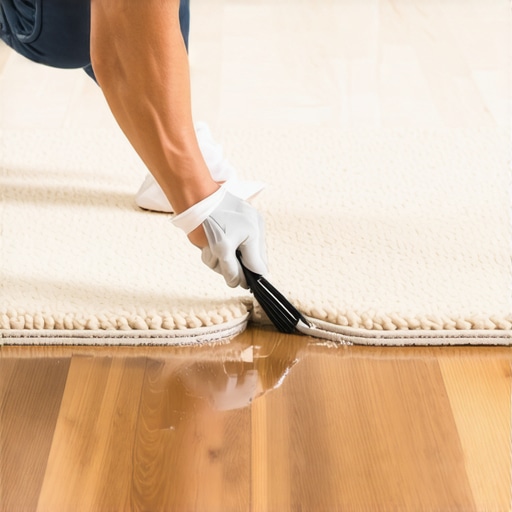 When it comes to home renovation, many DIYers and even professionals often fall for widespread myths that can lead to costly mistakes. Let’s dig deeper into these misconceptions and uncover some hidden nuances that can elevate your craftsmanship. For instance, a frequent error in flooring installation is believing that applying more adhesive or faster-drying compounds will guarantee longevity. In reality, overusing adhesives can cause uneven surfaces and future impairments, especially if the substrate isn’t properly prepared. Proper surface prep is a nuanced step that often gets overlooked but is crucial for durability. Moreover, there’s a myth that baseboards are merely decorative when, in truth, they serve vital functions like covering gaps and protecting walls from damage. Using the wrong nail types or neglecting to scribe correctly can cause splitting or gaps over time. In shower renovations, a common mistake involves neglecting the vapor barrier, which leads to leaks and mold issues down the line. Experts stress that integrating a proper moisture barrier is essential; see our shower renovation tips to learn more. A hidden nuance many ignore is the importance of transition trims over seamless flooring. These trims aren’t just aesthetic—they prevent edge chipping and hide uneven cuts, especially when dealing with different materials like tile and hardwood. Installing them properly requires attention to expansion gaps and material compatibility. While it’s tempting to get quick results by skipping these steps, doing so can cause long-term problems. Additionally, advanced installers understand the significance of subtle details, such as ensuring that the subfloor is perfectly level to prevent tiles from cracking, or that baseboards are nailed at the right depth to avoid splitting. Studies by flooring specialists, like those summarized in our guide to durable flooring, reinforce that these fine details often determine the project’s success. Have you ever fallen into this trap? Let me know in the comments. Understanding these nuances and busting common myths allows you to approach your next renovation project with confidence, ensuring long-lasting, professional results.Maintaining professional-looking floors, shower enclosures, and baseboards requires not just the right skills but also the proper tools. Over the years, I’ve refined my toolkit to ensure each project not only looks great initially but continues to perform well over time. One game-changer for me has been investing in a high-quality oscillating multi-tool. Its versatility allows for precise removal of old sealant, trim, or stubborn adhesive, especially in tight corners and irregular surfaces. I personally prefer models like the Dremel Multi-Max because of its variable speed control and wide blade attachments, which make detail work both faster and safer.
For spreading sealants and adhesives smoothly, I rely on a high-grade caulk gun with a comfortable grip and adjustable pressure. This ensures even application, which is crucial for long-term durability, particularly on external baseboards exposed to varying humidity levels. I recommend the Milwaukee M18 Firestorm because of its ergonomic design and reliability under continuous use.
Achieving a seamless tile or flooring edge often hinges on surface prep, which brings me to a conical carbide grinding bit attached to my rotary tool. It allows for targeted prepping of uneven surfaces or residual adhesive, setting the stage for a flawless finish. Regular maintenance of your tools, like cleaning and replacing worn blades, extends their lifespan and keeps your work consistently high quality.
When it comes to water-resistant shower niches or waterproofing projects, I use a silicone finishing tool with a silicone pro putty knife for smoothing sealants. The precise, professional finish it provides reduces the risk of future leaks thanks to a better bond. It’s always worth investing in quality accessories; I’ve seen how cheap, poorly fitting tools can compromise the entire job.
Looking ahead, the trend in home renovations is heading toward smarter, faster, and more environmentally friendly materials and tools. For example, advancements in UV-curing adhesives could revolutionize how quickly and securely bath and shower installations set, reducing downtime significantly. Similarly, digital moisture meters are becoming more affordable and precise, enabling better long-term monitoring of humidity levels during and after installation.
## How do I maintain my tools over time?
Regular cleaning after each project, using appropriate lubricants for moving parts, and replacing blades or tips before they become dull have made a big difference in my workflow. Proper storage in a dry, organized toolbox ensures I can quickly grab what I need, reducing project downtime. For example, I keep all my sealant tools in a dedicated silicone-lined case, which prevents corrosion and keeps them ready for the next task.
If you want to elevate your home projects, I recommend trying the advanced technique of surface prep with a rotary tool fitted with a carbide grinding bit. It’s surprising how much smoother your finishes will look and how much longer they last. For more expert tips on flooring and shower installations, check out our detailed guides on [transforming your home](https://tilecraftsmens.com/transform-your-home-expert-flooring-installation-tips-for-2025). Remember, investing in the right tools and maintaining them properly is just as critical as the materials you choose—quality tools make quality results last.
Embarking on flooring renovations or installing new baseboards can be both exciting and challenging. Over the years, I’ve uncovered some hidden lessons that often get overlooked but can make a significant difference in the final look and durability of your project. These insights come from my personal experiences and have helped me avoid costly mistakes, ensuring a professional finish every time.
The Hardest Lesson I Learned About Flooring Transitions and Baseboards
- Precision Matters More Than Speed: Rushing through surface prep or ignoring uneven subfloors can lead to cracked tiles or gaps over time. Taking the extra few minutes to level and clean surfaces lays the foundation for perfection.
- Not All Sealants Are Created Equal: Using the right, high-quality sealant tailored for your flooring type prevents cracks, crumbling, and water damage. I learned this the hard way when cheap caulk failed within months, prompting a re-do that could have been avoided.
- Misjudging Expansion Gaps Leads to Future Problems: Small miscalculations in expansion space can cause buckling or warping. Always follow manufacturer guidelines and leave adequate room, especially with large-format tiles or wide planks.
- Understanding Material Compatibility is Key: Installing baseboards over different flooring types requires attention to material flexibility and nailing techniques. Mixing incompatible materials without proper considerations can result in splitting or gaps.
Tools and Resources That Make a Difference
- Oscillating Multi-Tools: My go-to for precise removal of old adhesive or trim, especially in tight corners. I trust models like the Dremel Multi-Max for their versatility and durability.
- High-Quality Caulks and Sealants: A good brand like GE Silicone provides long-lasting, water-resistant seals that withstand daily wear and tear. Check out our guide to durable flooring for detailed material suggestions.
- Proper Leveling Equipment: A rental laser level or self-leveling tool saves time and ensures precision when aligning baseboards or tiles. It pays to invest in accurate tools for a flawless finish.
- Training and Inspiration: Books like Transform Your Home offer insights that can elevate your craftsmanship beyond basic DIY. Watching tutorials and seeking advice from seasoned pros accelerates learning curves.
Don’t Hesitate to Take the Leap
Jumping into your flooring or baseboard project with confidence can be transformative. Remember, every expert started as a novice, and each challenge is an opportunity to learn. By applying these lessons and utilizing trusted tools, you set yourself up for a stunning result that lasts for years. Your home deserves the best; take pride in every detail and enjoy the process of creating a space that truly feels like your own.
What’s the biggest challenge you’ve faced when trying to create a seamless flooring transition? Share your experiences below—I’m here to help troubleshoot and celebrate your successes!