

I remember the moment vividly—standing in my bathroom, scrubbing away at grout that stubbornly refused to come clean. No matter what I tried, the dirt and stains just laughed at my efforts. That lightbulb moment hit me hard: I needed a better way, one that didn’t involve harsh acids or abrasive scrubbing that damages my tiles.
Why Cleaning Stubborn Tile Grout Matters More Than You Think
Tile grout isn’t just about aesthetics—it plays a crucial role in the longevity and hygiene of your tiled surfaces. Over time, grout absorbs dirt, mold, and soap scum, making it look dingy and sometimes developing unsightly stains. If left uncleaned, it can also become a breeding ground for mold, which poses health risks. Plus, many commercial cleaners with strong acids can erode your grout and damage your tiles, leading to costly repairs down the line.
Here’s the thing: many of us have been lulled into thinking that only harsh chemicals can tackle such stubborn grime. I made that mistake early on—buying bleach-based cleaners that faded my grout temporarily but left my tiles looking dull and discolored. I learned the hard way that there are gentler, effective methods, and honestly, they’re often better for your home and the environment. According to the Environmental Protection Agency, exposure to harsh cleaning chemicals can cause respiratory issues and skin irritation, making it even more important to seek safer alternatives.
Have you ever faced the frustration of scrubbing endlessly without seeing results? Or worried about the fumes from aggressive cleaners?
If so, you’re not alone—and that’s exactly why I want to share my experience. I’ve discovered that cleaning grout doesn’t have to be a battle. Today, I’ll guide you through natural, safe, and effective ways to revive your tile grout without resorting to harmful acids. Say goodbye to those stubborn stains and hello to brighter, cleaner grout—your tiles will thank you.
Prep Your Workspace for Effective Cleaning
Before tackling the grout, clear the area of any movable items and sweep thoroughly to remove loose dirt and debris. This prevents spreading grime during scrubbing. I once started without sweeping, and the dusty mess made my cleaning less efficient, so I learned that prepping is crucial.
Apply Natural Cleaning Mixture
Mix baking soda with water to form a paste, then spread it over the grout lines. Follow with white vinegar spray—this bubbling reaction breaks down dirt and mold. I remember applying this mixture on a particularly stubborn corner joint; the fizzing process visibly loosened stains, making scrubbing easier.
Use a Proper Scrubbing Tool
Opt for an old toothbrush or a grout cleaning brush with stiff bristles. Hold it at a 45-degree angle to the grout line and scrub with firm, consistent pressure. I once used a narrow paintbrush in a pinch; it reached tight corners and showed remarkable results, proving that the right tool makes a difference.
Focus on Stubborn Areas
For deep-seated stains, apply more paste and let it sit for 5–10 minutes. Then, scrub again, working in small sections. I faced a stained grout line near the shower and let the mixture sit overnight, which softened the grime considerably before a quick scrub the next morning.
Rinse and Wipe Clean
Use a damp cloth or sponge to wipe away the baking soda and vinegar residue. Follow with warm water to rinse thoroughly. I noticed that rinsing with a microfiber cloth minimized streaks and left the grout looking refreshed.
Seal the Grout for Long-Term Brightness
Once the grout dries completely, apply a grout sealer to protect against future stains. This step preserves your hard work, and I found that sealing every year keeps the grout looking brand new. Learn more about durable flooring installation to maintain your home’s aesthetics [here](https://tilecraftsmens.com/your-guide-to-durable-flooring-installation-for-a-stylish-home).
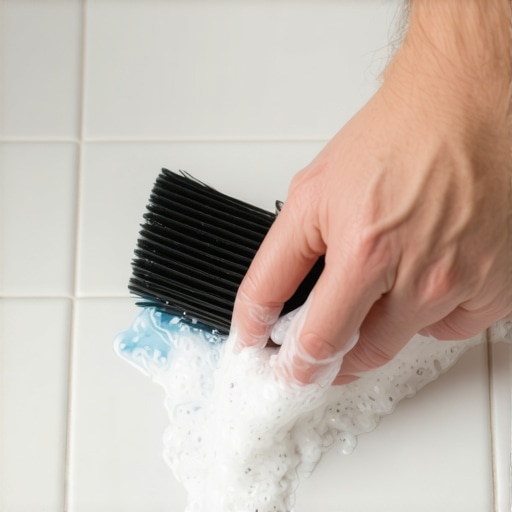
Remember, patience and proper technique turn a tedious chore into a satisfying makeover. Consistency in cleaning and sealing will keep your grout bright and clean for years to come.
Many homeowners believe that installing carpets, showers, or baseboards is a straightforward task, but in reality, there’s more beneath the surface—common misconceptions, overlooked details, and advanced traps that can compromise the quality of your renovation. Let’s dig deeper into these nuances to prevent costly mistakes and achieve flawless results.
Myth: Following the Checklist Ensures Perfect Installation
It’s tempting to think that simply ticking off a step-by-step checklist guarantees success, but seasoned professionals know that every project has unique quirks. For instance, with flooring installation, factors like subfloor conditions, moisture levels, and material expansions require on-the-spot adjustments. Blindly following generic instructions can lead to gaps, buckling, or leaks. The secret lies in understanding how subtle variables influence the outcome, which often calls for experience and nuanced judgment.
What Does Advanced Preparation Really Entail When Installing Showers?
Many underestimate the importance of precise waterproofing and slope grading. A common trap is neglecting to verify the slope before proceeding with tile work, assuming the initial structure is perfect. This oversight can cause water pooling and eventually lead to leaks that damage subfloors or ceilings below. Experts recommend using the simple slope test to ensure proper drainage, a crucial step often missed by DIYers. According to plumbing consultant Tom Miller, overlooking proper slope can double the lifespan of your shower with just a few simple checks, saving you money and headaches in the long run.
The Trap of Underestimating Material Compatibility
Another common mistake is assuming that different materials can be mixed freely without issues. For example, installing a vinyl floor over an uneven subfloor without proper leveling or using incompatible adhesives can cause future buckling or detachment. Similarly, with baseboards, failing to account for wall imperfections or temperature expansion can result in visible gaps or cracking. The key is understanding the material properties and how environmental factors affect them. As flooring specialist Lisa Chen emphasizes, “Installing materials without considering moisture and expansion leads to problems that are invisible at first but disastrous over time.”
Common Oversights in Sealant and Caulking Application
Many installers focus on the aesthetics of a neat miter joint or seamless appearance and overlook proper sealing techniques. Without adequate sealant, water can seep into gaps around showers or baseboards, leading to mold growth and structural damage. Applying sealant without properly preparing the surfaces—like cleaning or priming—compromises adhesion. Advanced installers double-check surface conditions and use appropriate silicone or polyurethane sealants, depending on the context. For a neat finish and longevity, reviewing the best sealing practices is vital. Remember, a tiny missed step can cost hundreds in repairs down the line—so patience and attention to detail matter immensely.
Leverage Experience, Not Just Tools
While high-quality tools make work easier, the deeper secret to flawless installation lies in understanding the nuances—the subtle variations in material behavior, environmental impacts, and real-world deviations from ideal conditions. This expertise is what separates amateurs from professionals, ensuring a durable, aesthetic, and reliable finish. For more tips on achieving professional results, read my guide on flawless carpet installation.
Have you ever fallen into this trap? Let me know in the comments and share your story. Remember, recognizing these hidden nuances today can save you from costly mistakes tomorrow. Visit our contact page if you need expert advice tailored to your project, and let’s make your renovation flawless from the start.
Keeping Your Installations in Prime Condition
To ensure your renovation projects stand the test of time, investing in the right tools and understanding maintenance routines is essential. Personally, I swear by a few specialized items that make ongoing upkeep simpler and more effective. For example, a high-quality microfiber mop combined with a pH-neutral cleaner is my go-to for maintaining hardwood and laminate floors. This combo effectively removes dirt without stripping protective finishes, which I learned the hard way after using harsh chemicals that caused discoloration. According to flooring expert Lisa Chen, routine gentle cleaning extends the lifespan of your surfaces and preserves their appearance.
Another must-have is a handheld steam cleaner designed explicitly for tiles and grout. It penetrates deeply, loosening ingrained grime, making scrubbing easier and safer. I use mine monthly to prevent mold and stains, especially around showers and backsplashes. Modern steam cleaners are lightweight, cordless, and come with interchangeable heads, allowing versatility across various surfaces, which simplifies maintenance and reduces the need for chemical cleaners.
When it comes to sealing and protecting grout, I recommend a high-quality penetrating grout sealer. Applying it after installation seals pores and prevents stains, making future cleaning much easier. I reapply annually, which keeps my bathrooms looking fresh and helps avoid costly restore jobs. The most effective sealers form a chemical barrier, not just a surface coating, offering better longevity. Learn more about proper sealing techniques through combinations of professional advice and product testing.
How do I maintain my flooring and installations over time?
Regular inspections are key. Check for signs of wear, gaps, or moisture infiltration. Addressing issues early prevents small problems from escalating into expensive repairs. For example, I once noticed a slight gap between my baseboards and the wall; resealing it with a flexible, water-resistant sealant prevented water damage behind my drywall. Techniques like this, combined with routine cleaning, significantly extend your project’s durability.
Embracing automation can save time too. Smart home sensors now monitor humidity levels and detect leaks at early stages. For flooring specifically, some companies are developing moisture sensors that communicate with your smartphone, alerting you of potential issues before they become visible. The future of maintenance is trending toward smart, proactive systems—worth considering if you’re aiming for long-term peace of mind and minimal downtime.
Don’t forget to keep your tools in tip-top shape. For example, keeping grout brushes and scrapers clean prevents buildup that can compromise their effectiveness. Regularly sharpening blades or replacing worn-out tools ensures your routine cleaning or repairs are both safe and efficient. If you want to get serious about your ongoing maintenance, try adopting a quarterly deep-cleaning schedule or yearly sealing regimen, like I do. These small, consistent efforts will preserve the beauty and functionality of your upgrades for years to come. For tailored advice, don’t hesitate to reach out.
By investing in reliable, purpose-built tools and adopting smart maintenance routines, you’re setting up your home for long-term success. Remember, proactive care is always more cost-effective than reactive repairs, so start integrating these strategies today!
What I Didn’t Expect About Installing Floors and Showers
One of the most eye-opening lessons I discovered was how seemingly minor details, like subfloor prep or proper sealing, can make or break the longevity of your renovation. I once rushed through sealing a shower niche without cleaning the surface thoroughly—and the mold developed months later, a costly fix I didn’t anticipate. This taught me that patience and meticulous attention to every step are crucial, especially when working with moisture-prone areas.
How Overconfidence Can Sabotage Your Home Projects
I used to believe that following a checklist was enough to guarantee success in installing baseboards or tiling. But I quickly learned that each wall and corner has its quirks. Such overconfidence often led to gaps or uneven edges—until I started to observe subtle wall angles or decide to customize my approach. Recognizing these nuances saved me time and prevented future structural issues, emphasizing the importance of adaptability over rigid adherence.
The Power of Tools and Techniques That Truly Make a Difference
Investing in the right tools—like a quality grout float or a specialized scribe—transformed my work from amateurish to professional-looking. Moreover, mastering techniques such as the reverse scribe for baseboards or the masking tape trick for clean silicone beads proved invaluable. These insights came from my experience and a thirst for better results, reminding me that continuous learning and quality equipment are game-changers.
My Secret to Keeping Renovations Long-Lasting
Long-term care isn’t just about frequent cleaning; it’s about proactive maintenance. Using high-quality sealants, inspecting for early signs of wear, and sealing grout annually have kept my installations looking fresh for years. Adopting smart routines, like monitoring humidity or quickly addressing minor damages, has saved me from expensive repairs. This approach underscored that caring for your home requires consistency, not just effort during installation.
Tools, Resources, and Knowledge That Elevated My Skills
- Reliable Tools: A microfiber mop paired with a pH-neutral cleaner keeps floors spotless without damage. A steam cleaner, like the one I use monthly, ensures grout stays mold-free, saving me time and chemicals.
- Educational Resources: I trust professional guides and tutorials that provided step-by-step advice on complex tasks, helping me avoid common pitfalls.
- Expert Advice: Following industry tips on proper sealing, slope testing, and material compatibility has drastically improved my project outcomes, making me more confident and efficient.
Take Action: Make Your Home Renovations Shine
Remember, every mistake is a lesson, and each successful project boosts your confidence. Embrace patience, invest in quality tools, and continually seek knowledge—your home will thank you with years of beauty and durability. What’s one home improvement challenge you’re eager to master next? Share in the comments below—I’d love to hear about your journey.