

Ever had that frustrating moment when you step into the shower, only to be greeted by the persistent drip of a leaking valve stem? I remember the first time I encountered it—trying to enjoy my morning routine was suddenly overshadowed by the relentless sound of water dripping, like an unwelcome metronome. That lightbulb moment made me realize how something seemingly minor can become a major annoyance and even cause water damage if left unattended.
Why a Leaking Shower Valve Stem Needs Your Attention
The truth is, a leaking shower valve isn’t just about annoying sounds or wasting a few extra gallons of water. Over time, ongoing leaks can cause significant damage to your plumbing fixtures, lead to mold growth, and increase your water bills—sometimes by a surprising amount. According to the Environmental Protection Agency, small leaks can waste over 10,000 gallons of water annually—enough to fill a swimming pool! That’s money down the drain, quite literally. Recognizing and fixing these leaks early is not just about peace of mind—it’s a smart move for your home’s health and your wallet.
What Could Go Wrong If You Ignore It?
Ignoring a leaking valve stem can turn minor irritation into a larger problem, such as corrosion of the valve components or even damage to surrounding drywall. I made the mistake early on of just ignoring a slow drip, assuming it would fix itself. Spoiler: it didn’t. Instead, it worsened, costing me more time and money to fix later. Learning from that, I now know that tackling the issue promptly saves headaches and keeps my bathroom in top shape. Want to avoid my rookie mistakes? Stay tuned to learn how to confidently repair that stubborn leak and restore your shower to its former glory.
Shut Off Water Supply and Prepare
Start by turning off the main water valve to prevent water from leaking during the repair. Open the shower faucet to drain any remaining water and relieve pressure in the lines. Gather necessary tools: an adjustable wrench, flat-head screwdriver, replacement O-rings, and plumber’s grease. Wear gloves to protect your hands.
Remove the Faucet Handle and Cartridge
Use the screwdriver to unscrew and remove the handle. Once removed, identify the cartridge inside the valve assembly. Use the adjustable wrench to carefully loosen and extract the cartridge. I once used pliers without proper grip and ended up damaging the cartridge; instead, I now use a cloth to protect the surface and a wrench for leverage.
Inspect and Replace O-Rings
Check the O-rings around the cartridge for signs of wear or damage—cracks, brittleness, or deformation. Apply a thin layer of plumber’s grease around the new O-rings before installation to ensure a snug fit and reduce future leaks. Proper lubrication prevents the rubber from tearing during reassembly.
Reassemble and Test
Carefully insert the new or cleaned cartridge back into the valve. Reattach the handle and tighten the screws firmly, but avoid over-tightening to prevent stripping threads. Turn the main water supply back on and check for leaks around the handle and valve stem. If water persists, recheck the O-ring placement and connections.
In my experience, testing the repair immediately after reassembly helps catch any issues early. If the leak persists, double-check the cartridge seating or consult troubleshooting guides like this detailed O-ring replacement article.
Seal and Finish the Job
Once confirmed leak-free, apply a silicone sealant around the escutcheon plate to prevent water infiltration behind the wall. Wipe away excess sealant and ensure all components are tight. Restoring the water pressure gradually ensures the repair holds and prevents sudden leaks.
Remember, addressing a leaking shower valve stem promptly not only saves water and money but also avoids further damage. For larger or more complex issues, consider consulting a professional or exploring other remodeling ideas at this shower upgrade guide.
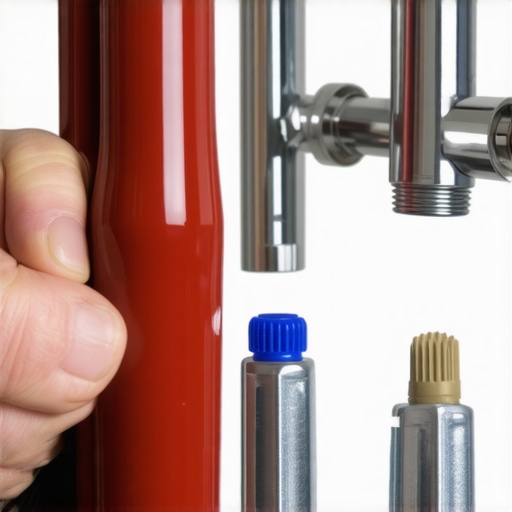 When tackling home renovations, many people rely on conventional wisdom, but some beliefs are actually misconceptions that can compromise quality and durability. For instance, it’s a common myth that installing flooring directly over existing surfaces without proper prep is sufficient. In reality, neglecting subfloor assessment often leads to creaking, unevenness, or future damage, as detailed in expert guides on durable flooring installation. Another widespread misconception is that showers can be sealed with generic caulk and forgotten about; however, advanced professionals know that proper vapor barriers and waterproofing techniques—like those explained in comprehensive shower renovation articles—are vital to prevent leaks and mold growth.
A nuanced aspect often overlooked is the importance of precise boundary detailing, especially when installing baseboards. Many overlook the significance of the reverse scribe technique, which ensures tight fits on uneven walls, a common issue that can wreak havoc on aesthetic and structural integrity, as discussed in detailed baseboard makeover resources.
What about carpet installation? There’s a false belief that choosing a plush, high-density padding alone guarantees longevity. In reality, proper seam joining and selecting the right carpet tack strips are critical to prevent unraveling or shifting over time. Learn more about these subtle yet crucial details in carpet installation secrets.
Addressing these misconceptions requires a deeper understanding of the nuances involved in each task. For example, advanced DIYers recognize the importance of atmospheric conditions during installation—like temperature and humidity—since they influence adhesive curing and material expansion. Ignoring these factors can lead to warping or buckling, as supported by recent studies on material behavior.
Furthermore, trusting in quick fixes or shortcuts often results in oops moments that cost more in the long run. For instance, using low-quality sealants for showers or baseboards might seem cost-effective initially but can cause leaks, mold, or detachment over time. Proper preparation, understanding material properties, and following best practices—like applying silicone sealant around shower edges or using the right nails for baseboards—are essential for lasting results.
Do you find yourself falling for these myths? Share your experiences or questions in the comments. Remember, mastering the subtle nuances makes all the difference between a temporary fix and a home that truly stands the test of time. For more insights on advanced techniques and avoiding common pitfalls, explore guides like creating a spa-like shower experience or transforming your flooring with expert tips.
Keep Your Home’s Finishes Working Perfectly with the Right Tools
Maintaining flooring, showers, and baseboards over time requires precision and the right equipment. I personally rely on a high-quality digital moisture meter, like the Tramex MRH3, to regularly assess moisture levels in subfloors before reapplying adhesives or installing new finishes. This tool helps prevent future warping or mold growth by catching excess moisture early. For tile and grout upkeep, a grout float with rubber edges allows me to re-seal joints without damaging surrounding surfaces. Using specialized tools ensures the job is done right the first time, prolonging the life of your renovation investments.
Why Software Can Boost Your Maintenance Routine
Beyond physical tools, I recommend software for project tracking and scheduling maintenance tasks. Apps like HomeZada allow me to set reminders for re-sealing grout, inspecting baseboard caulking, or reapplying protective finishes on wood flooring. These proactive measures help maintain aesthetic appeal and structural integrity, saving time and money in the long run. As the trend moves toward smart homes, integrating sensors that monitor humidity and air quality can also alert you to potential issues before they escalate.
Essential Methods for Ensuring Long-Lasting Results
Adopting meticulous methods is equally important. For example, in carpet installation, ensuring a tight seam involves stretching the carpet properly and using professional-grade seam tape and hot-melt adhesive. I avoid shortcuts by investing in a heavy-duty power stretcher like the Power-Stretcher 3000, which guarantees wrinkle-free and durable fits. Similarly, in shower maintenance, applying waterproofing membranes correctly during installation, as detailed in this article, significantly reduces leak risks and extends the lifespan of your shower enclosure.
How do I maintain my flooring, shower, or baseboards over time?
Regular inspections and prompt touch-ups are key. For flooring, monitor areas prone to traffic wear and reseal when necessary to prevent moisture infiltration. For showers, routinely check silicone joints and reapply sealant around edges every few years. Baseboards benefit from gentle cleaning and occasional re-scribing to fit walls perfectly, especially if your home experiences settling. Using the right tools, like a flexible scribing tool for uneven walls, guarantees a neat finish and prevents gaps that could harbor pests or moisture. Incorporate these habits into your maintenance routine, and your home’s finishes will continue to impress and perform for years. For advanced techniques, try implementing a moisture barrier beneath your flooring, which can drastically reduce long-term damage and is especially recommended in areas with high humidity—learn more about this in this comprehensive guide.”}]} {
{
Lessons That Changed My Home Improvement Approach Forever
- Early on, I underestimated the importance of precise subfloor prep, which led to costly creaking and unevenness later. Now, I always invest in thorough inspection and proper leveling before laying down new flooring, preventing long-term issues.
- Misjudging moisture levels with cheap tools caused me to reinstall entire sections of laminate flooring; upgrading to a quality moisture meter like the Tramex MRH3 transformed my process and saved me money.
- I used to think sealing with generic caulk was enough around showers and baseboards—sooner or later, water seeped in, causing mold and damage. Learning about advanced waterproofing techniques, like applying waterproof membranes, made a huge difference.
- Ignoring subtle wall imperfections when installing baseboards led to gaps and misaligned corners. Now, I use the reverse scribe technique to ensure a perfect fit, elevating the overall look.
- Rushing through carpet seams without using the right tape or stretchers resulted in loose areas and unraveling. Mastering the secret of proper seaming and tension has given my projects a professional finish.