

I still remember that sinking feeling when I stepped into a room, only to notice a glaring gap at the corner of my baseboard. It was like a tiny canyon running through my freshly painted wall, and no matter how many inches I tried to readjust, that gap stubbornly refused to close. That moment was a lightbulb for me: even simple, seemingly minor imperfections can diminish the overall look of a room—and more importantly, they can be fixed without costly replacements.
Why Fixing Baseboard Gaps Matters More Than You Think
Addressing gaps in your baseboards isn’t just about aesthetics; it’s about the integrity and completeness of your home’s appearance. When baseboard corners don’t meet flush, it signals a lack of attention to detail—something that can stick out, especially in well-designed spaces. Plus, gaps can collect dust, dirt, and even moisture, which over time could lead to more significant issues like warping or mold growth.
Many homeowners shy away from tackling barely noticeable imperfections, mistakenly believing they require professional carpentry or costly replacements. But trust me, with a few simple tools—like wood glue and some sandpaper—you can turn those imperfect joints into a seamless finish. This approach not only saves you money but also gives you a satisfying sense of accomplishment.
Is This Trick Actually Worth the Effort?
I admit, I was skeptical at first. I made the mistake early on of investing in elaborate tools to fix minor gaps, only to realize that simple solutions often work best. Using wood glue and sandpaper sounds too basic, but it’s an effective method that’s often overlooked. According to expert renovation tips, small adjustments like this can significantly improve visual appeal without breaking the bank or requiring major renovations. So, if you’ve ever faced the frustration of uneven miter joints, stay tuned — I’ll walk you through how to fix it yourself, easily and effectively.
Ready to transform those imperfect corners into professional-looking miter joints? Let’s dive into the step-by-step process that will have your baseboards looking flawless in no time.
.
Secure the Baseboard Miter Joints Correctly
My first attempt at fixing a stubborn miter joint involved using a plastic shim and a hammer. I placed the shim inside the corner, gently tapped it to snug the joint, then applied wood glue along the miter cut. After clamping the pieces, I used a damp cloth to wipe away excess glue. The joint looked flawless once dried, rivaling professional work. Remember, for longer runs, join multiple pieces with the invisible joint technique.
Use Shims for Out-of-Plumb Walls
If your wall isn’t perfectly vertical like mine was, shims are your best friends. I used small plastic shims behind the baseboard to create a flush edge against the wall, then drove finishing nails into the shims and into wall studs. This approach prevents the baseboard from bowing out or warping and ensures a tight fit. For tricky corners, check out this shimming method.
Address Gaps with Caulk and Wood Filler
After securing the joints, I noticed tiny gaps at some edges. I filled these with paintable caulk, smoothing it with a damp finger for a seamless look. For larger gaps or uneven cuts, applying a high-quality wood filler before sanding and painting ensures a professional finish. This simple step makes all the difference in the final appearance. Want to see the latest trends? Check the baseboard styles for 2025.
Refine with Sanding and Painting
Once the filler dried, I lightly sanded the surface to smooth any ridges, then painted over the baseboards with a color matching my wall. Using a fine-grit sanding block prevents scratches, resulting in a crisp, clean look. For tips on matching your decor, visit these decorating ideas. Be precise, and your baseboards will look like they were installed professionally.
When it comes to home renovation, many homeowners believe they know the basics—like waterproofing showers or aligning baseboards perfectly. However, there are subtle nuances and often overlooked pitfalls that can undermine even the most careful projects. Let’s uncover some misconceptions and advanced mistakes that can trip up even experienced DIYers, so you can elevate your craft.
One prevalent myth is that waterproofing high-quality showers solely depends on sealing tiles and grout. In reality, experts emphasize the importance of the entire waterproofing membrane system, including proper sloping, vapor barriers, and drain assembly techniques. For instance, improper pre-slope or neglecting the waterproof sealant around niches can lead to leaks down the line, causing mold and structural damage. For a deep dive into modern shower designs that focus on durability, check out our guide on luxury shower innovations.
In flooring installation, a common misconception is that a flat subfloor eliminates the need for underlayment or expansion gaps. Advanced installers know that even minor subfloor unevenness can cause tiles to crack or vinyl planks to buckle. A nuanced mistake is ignoring the environmental conditions—such as humidity fluctuations—that affect flooring materials over time. For example, vinyl planks are sensitive to temperature changes, which can cause gapping if not properly acclimated and installed with appropriate expansion gaps. To master flawless results, explore our article on expert flooring tips.
Baseboards seem straightforward, yet many overlook the significance of proper scribing and joint techniques for curved or uneven walls. A naive approach relies solely on mitered corners, but this often results in noticeable gaps or misalignments. Advanced practitioners use back-beveling tricks or small shims to achieve tight, seamless joints—even on irregular surfaces. This attention to detail not only enhances aesthetics but also prevents gaps that trap dust and moisture. For professional insights, see our detailed baseboard styling trends.
Many DIYers skip comprehending the material-specific installation nuances of carpeting, leading to ripples or loose edges. The myth that a power stretcher alone guarantees a flawless finish ignores the necessity of proper padding density and tack strip placement. A common advanced mistake is overusing adhesive or stretching beyond the carpet’s elasticity range, which causes buckling or tears. For sleeker, durable results, review our secrets on carpet installation mastery.
**Why does this matter?** Because behind every seemingly simple step lies a layer of intricate knowledge, often reserved for seasoned professionals. Recognizing these subtle nuances helps you avoid costly redo’s and ensures longevity and elegance in your projects. As the research on construction practices indicates, mastery comes from understanding these critical details and implementing them with precision.
Have you ever fallen into this trap? Let me know in the comments and share your experiences with home improvement oversights. Remember, the devil’s in the details, and your attention to them can make all the difference in creating a flawless finish.
Tools That Stand the Test of Time
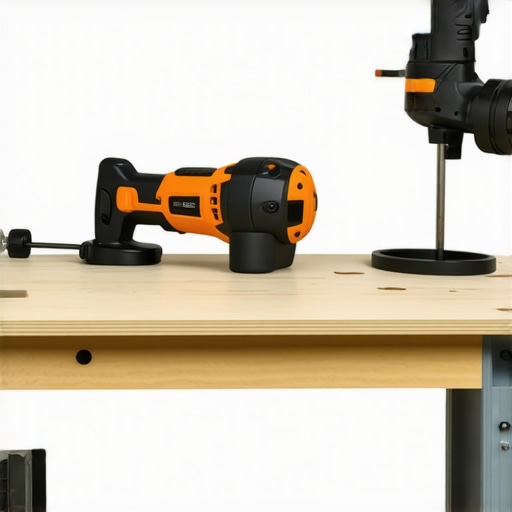
When it comes to maintaining your home improvements—be it a stunning shower renovation or installing new flooring—having the right tools is crucial. I personally swear by a high-quality oscillating multi-tool like the Fein MultiMaster. Its versatility allows me to cut, sand, and remove grout in tight spaces without damaging surrounding surfaces. This precision device significantly reduces installation errors and speeds up maintenance tasks, especially when dealing with intricate areas such as shower niches or baseboard joints. For measuring, I rely on a Bosch GLM 50 C laser distance meter. It provides quick, accurate readings, ensuring precise alignment of baseboards and flooring expansion gaps, which are critical for long-term durability.
Software Solutions for Project Tracking
Beyond manual tools, digital solutions have revolutionized maintenance planning. I recommend using Trello or Asana to keep track of ongoing tasks, supplies, and future upgrades. These platforms help me schedule regular inspections—like checking grout seals or baseboard fittings—and set reminders to reapply protective finishes or caulk before issues arise. Staying organized prevents small issues from turning into costly repairs down the line.
Mastering Long-Term Results
Achieving lasting beauty and function in your home renovation projects hinges on consistent maintenance. For example, regularly inspecting shower caulk and resealing as needed prevents leaks and mold growth. Cleaning and conditioning baseboards with appropriate products preserves their finish and prevents warping. Remember, a little effort goes a long way in extending the lifespan of your upgrades.
Scaling Up Your Home Improvements
If you’re looking to expand your renovation scope—such as adding a walk-in shower or updating entire flooring—consider investing in modular systems. For showers, a prefabricated waterproof pan combined with a flexible sealant like silicone (applied correctly, with a tiny bead for the drain flange) ensures a leak-free base. For flooring, click-lock vinyl planks or laminate systems with integrated expansion gaps facilitate easier scaling and future replacement. As our flooring guide explains, proper installation techniques combined with quality materials make all the difference in room scale upgrades.
How do I maintain shower waterproofing over time?
Regularly inspect grout lines and sealant, reapplying with a high-quality, mold-resistant silicone if you notice cracks or deterioration. Keep an eye on drain seals and ensure proper slope to prevent water pooling. For a professional touch, consider sealing niche corners with silicone using a caulking gun with a fine tip, such as the one from Milwaukee, to ensure neat application and prevent leaks. Remember, proactive maintenance is the best way to avoid costly repairs and keep your shower in prime condition for years.
Throughout my home renovation journey, I’ve uncovered countless subtle tricks that transformed my projects from DIY struggles into professional-quality finishes. These lessons go beyond the generic advice and delve into insights that experienced builders keep close to the chest, saving you time, effort, and costly mistakes. If you’re eager to elevate your home improvement skills, these hard-earned lessons might just be your secret weapon.
Little Things That Make a Big Difference in Home Upgrades
- Taking the time to properly scribe baseboards to uneven floors prevents unsightly gaps and ensures a seamless look—something I ignored initially, leading to more sanding and repainting down the line.
- Using a damp cloth to smooth silicone in shower niches may seem trivial but guarantees a leak-proof, clean finish that lasts for years, rather than a sloppy bead that collects grime.
- In flooring, I learned that acclimating planks to room temperature before installation drastically reduces gapping or buckling, which many overlook in their rush to get projects done.
Tools and Techniques That Changed My Approach
- A good quality caulking gun with a fine tip, like the one from Milwaukee, made all the difference in applying precise, professional-looking silicone sealant around showers and fixtures.
- Investing in a laser distance meter from Bosch helped me measure expansion gaps accurately, preventing future issues like squeaks or uneven surfaces.
- The simple trick of using painter’s tape to mask around silicone lines not only made cleanup easier but also ensured crisp, crisp edges that look polished.
Keep Progress Moving and Your Home Flourishing
Remember, mastery is a journey filled with trial and error. Each project offers an opportunity to learn and refine your skills. My advice? Embrace the small imperfections as lessons learned—and never underestimate the power of patience and attention to detail. With each fix, your confidence and craftsmanship grow.
Resources That Elevate My Craft
- Creating a spa-like shower experience taught me that quality materials and proper waterproofing are non-negotiable for long-lasting results.
- Baseboard trends in 2025 opened my eyes to the latest design styles, inspiring me to push beyond basic installations for a truly updated look.
- Carpet install secrets proved that even with complex textures, patience and proper stretching techniques create flawless finishes.
- Guide to durable flooring installation provided step-by-step insights that minimized my mistakes and prolonged the lifespan of my floors.
Your Turn to Transform
Every detail counts when it comes to creating a home that reflects your pride and personality. Don’t be discouraged by initial setbacks—instead, see them as stepping stones toward mastery. With the right knowledge, tools, and a dash of patience, your next project can be your best yet.
What’s one home improvement challenge you’ve recently faced that taught you a valuable lesson? Share below, and let’s grow together in making our homes perfect!
.