

Ever had a moment where you step onto your living room carpet, and suddenly there’s a visible hole or tear staring back at you? It’s almost like the carpet suddenly develops a mind of its own, betraying your efforts to keep your home looking pristine. I remember the first time I faced this dilemma—my toddler’s relentless adventures or maybe a fallen sharp object, and bam! A noticeable tear in the carpet. That lightbulb moment made me realize: this problem isn’t just about aesthetics; it’s about preserving the comfort and value of our homes without breaking the bank.
Why Patch a Carpet Hole? It’s Closer Than You Think
Sometimes, replacing an entire carpet feels like overkill, especially when the damage is just a small hole or tear. A well-executed patch can save money, time, and the headache of a complete overhaul. Plus, it’s surprisingly satisfying to see a once-ragged spot blend seamlessly into the rest of your flooring. Today, I’ll walk you through a simple, cost-effective method using something I bet you already have—spare carpet scraps. This approach saved me more than once and might do the same for you.
What’s the Big Deal About Using Spare Carpet Scraps?
Initially, I made a rookie mistake—trying to patch with a piece that didn’t match the pile height or texture. The result? A patch that stuck out like a sore thumb. Trust me, I learned the hard way that picking the right scrap is crucial. But don’t worry; with a little patience, you can achieve professional-looking results. Plus, this method is flexible enough for various damages, whether they’re small punctures or larger tears. Curious about how to properly match your patch and make it invisible? Stick around; I’ll share step-by-step tricks that worked wonders in my home. And if you want to explore more flooring tips, check out my guide on durable flooring.
Are Carpet Patches Really That Easy? Let’s Find Out
Many skeptics question whether DIY carpet repairs are truly worth the effort, fearing that the repair will be obvious or worse—make things worse. Early in my journey, I underestimated the importance of selecting a scrap with similar fiber, color, and pile direction. That mistake led to noticeable mismatches and a bit of regret. But once I learned the trick of matching these details, the fixes became surprisingly straightforward and durable. Now, I tend to recommend this method to friends and family—it’s a cost-efficient alternative to replacements and eco-friendly too. So, if you’re tired of hiding or trimming around unsightly patches, keep reading. I promise you can master this craft with a little patience and attention to detail.
Selecting the Right Carpet Scrap
Begin by gathering leftover carpet pieces from your renovation stash or local hardware store. Ensure the scrap closely matches the color, texture, and pile height of your existing flooring. I once tried patching a tear with an off-color remnant, and it stuck out like a sore thumb, so take your time in choosing a good match for seamless blending.
Preparing the Damaged Area
Vacuum the area thoroughly to remove dirt and debris. Use a utility knife to cut a neat, rectangular hole around the damage, making sure the edges are clean and straight. This step is crucial—rough edges will make the patch uneven and noticeable. I remember when I didn’t trim properly and ended up with a lumpy repair that took hours to fix.
Cutting the Carpet Patch
Lay the scrap on a flat surface and cut a piece slightly larger than your prepared hole. Use a straightedge to guide your knife for clean, precise cuts. Match the pile direction of the patch with the existing carpet to ensure it doesn’t stand out. This is where patience pays off—rushing can lead to misaligned fibers and a patch that draws attention.
Fitting and Gluing the Patch
Apply a strong carpet adhesive or double-sided carpet tape to the back of your patch. Carefully insert it into the hole, pressing firmly to eliminate air pockets and ensure adhesion. Use a roller if available for even pressure. I once tried to skip this step and ended up with a loose patch that shifted over time, so don’t rush this part.
Blending the Pile and Finishing Touches
Once the adhesive has set, gently comb or brush the fibers to align with the surrounding area. Trim any uneven fibers with scissors for a neat finish. For high-traffic areas, consider applying a thin layer of carpet sealant over the patch to prevent fraying. This meticulous attention to detail turned my patch from glaring to nearly invisible. For further insights on flooring techniques, visit durable flooring installation tips.
Addressing Common Challenges
Matching Texture and Pile Height
If the patch feels different underfoot or looks off in texture, lightly tease the fibers with a pin or fine comb to blend. Sometimes, the pile of the patch may be shorter; in such cases, carefully trim the fibers or use a carpet rake to lift and match the surrounding pile height.
Handling Large Tears
For sizable damage, consider sewing a patch into place with a heavy-duty needle and upholstery thread before gluing it down. This adds extra security and makes the repair more durable, especially in high-traffic zones.
Final Advice for a Seamless Repair
Patience is key—taking your time during each step leads to a professional-looking fix. Remember, mismatched patches can be distracting, so double-check your alignment. With some practice, patching your carpet becomes a straightforward task that saves you money and restores your home’s coziness. If you want more tips on flooring repairs, explore carpet installation secrets and master your home projects with confidence.
Many homeowners believe that flooring installation and bathroom renovations are straightforward tasks that adhere strictly to DIY tutorials. However, there’s a wealth of nuances and misconceptions that can trip even seasoned DIYers. One common myth is that using the same flooring material throughout a space guarantees seamless transitions. In reality, variations in material batches, wear patterns, and subfloor conditions mean that perfect matching requires an expert touch, especially with hardwood or tile flooring. For instance, a small mismatch in sheen or texture can become glaring over time, diminishing the aesthetic appeal and possibly causing long-term issues.
Another frequent mistake is overlooking the importance of subfloor preparation, which is critical for a durable, squeak-free finish. Skipping this step can lead to lipping and uneven surfaces, especially with laminate and vinyl planks. Studies, such as those published by the National Flooring Association, emphasize that proper subfloor leveling is a key factor in long-lasting installations. Don’t assume that a quick fix on the subfloor will suffice; detailed assessment and correction are often necessary.
What Do Advanced Installations Really Require Beyond the Basics?
For seasoned DIY enthusiasts, understanding the subtle differences in installation techniques is vital. For example, the common misconception is that simply securing baseboards with nails is enough. In reality, careful consideration of the stud placement, nail size, and use of adhesives can prevent future popping or gaps. Similarly, in shower renovations, the mistake of neglecting proper waterproofing layers can lead to costly leaks and mold growth down the line. A comprehensive approach, including proper sealing of niches and using premium waterproof membranes, makes all the difference. For practical tips on creating a truly water-resistant shower, consider exploring this guide.
Furthermore, many underestimate the complexity involved in transitions between different flooring types, such as from tile to carpet or hardwood to vinyl. Precise scribing and the use of transition moldings should not be overlooked. A botched transition not only looks unprofessional but can also cause uneven wear and damage over time. Mastering these finer details elevates a project from basic to polished, saving money and frustration in the long run.
When it comes to shower installation, especially with custom tile designs, understanding the importance of proper slope and drain placement is crucial. A slight miscalculation during slope creation can cause water pooling, leading to slips and long-term damage. Adhering to best practices as outlined in industry standards or by reputable sources like this resource ensures a waterproof, functional, and beautiful result.
In sum, whether you’re installing baseboards, flooring, or showers, paying attention to these nuanced details can dramatically improve the outcome. Don’t fall into the trap of thinking that superficial fixes or shortcuts will serve you long-term. Instead, investing time in understanding the complexities and avoiding common pitfalls will save you money and stress. Have you ever fallen into this trap? Let me know in the comments, and share your experiences.
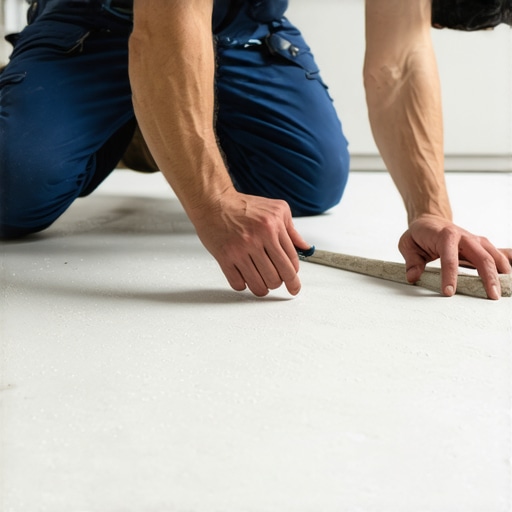
Stay Ahead with Proper Maintenance and Quality Tools
Achieving a professional finish on projects like baseboard installations or shower refurbishments requires more than just skill—having the right tools is paramount. One indispensable item I rely on is a high-precision finish nail gun. Unlike manual hammering, a pneumatic nail gun ensures consistent nail depth and reduces hand fatigue, making baseboard mitering and sealing much more accurate. For delicate tasks, I prefer a fine-tipped caulking gun with a quick-release mechanism; it gives me control over bead application, preventing messy finishes and ensuring tight seals around showers or flooring joints.
Why Invest in Quality Power Tools?
While cheap tools might seem tempting initially, they often cost more in the long run due to frequent replacements or subpar results. I recommend a cordless oscillating multi-tool—versatile enough to cut, sand, and scrape in tight spots, especially when scribing baseboards to uneven walls or removing old grout in shower corners. Its oscillating movement minimizes damage to surrounding surfaces, which is critical for maintaining a clean, professional appearance.
Long-Term Results Come From Regular Maintenance
To keep your equipment in top shape, regular cleaning and lubrication are essential. For power tools, I follow the manufacturer’s maintenance schedule diligently, lubricating moving parts and replacing worn-out blades or bits before they cause damage. Additionally, investing in a set of forstner bits and precision saw blades allows me to make clean, accurate cuts, reducing the need for rework.
Tools That Future-Proof Your Projects
One trend pointing forward is the integration of smart technology into home renovation tools. Digital laser levels, for instance, have become game-changers—they eliminate guesswork in aligning baseboards or ensuring level tile installation. I personally use a laser level that syncs with my smartphone, allowing me to save setups for multiple rooms and review alignment before fixing. Such tools streamline workflow and drastically improve finish quality, especially on complex projects like custom shower niches or intricate flooring transitions.
How do I maintain my tools for longevity?
Maintaining a consistent cleaning routine prevents dust and debris from damaging finely tuned components. I keep my power tools in a custom foam-lined case, which reduces physical damage and keeps moisture out. Lubrication, as mentioned earlier, extends the life of motors and moving parts. Also, periodically replacing consumables like blades and bits with high-quality versions, sourced from reputable brands, guarantees precision and safety. For example, using OEM blades for cutting ceramic tiles ensures clean edges and reduces the risk of cracking, as supported by experts in tile installation methodologies.
Scaling Your Projects Without Losing Quality
As you expand your home renovation efforts, investing in modular, interchangeable tools becomes invaluable. Portable workbenches and adjustable-height scaffolding help manage larger projects efficiently, providing stability and reducing fatigue. Moreover, maintaining a log of tool maintenance schedules helps keep everything running smoothly, avoiding unexpected breakdowns during crucial moments.
If you’re ready to elevate your DIY game, try incorporating a laser level or an oscillating multi-tool into your next project. These additions might seem small, but they significantly improve accuracy and save you time. Remember, keeping your tools well-maintained ensures they perform when you need them most, delivering professional-quality results that last for years. For more insights into advanced flooring techniques, check out this guide.
Investing in proper maintenance and the right tools today sets the foundation for flawless, long-lasting home improvements tomorrow.
Lessons the Hard Way: Hidden Pitfalls in Home Renovation
- I learned that rushing through matching carpet fibers often leads to glaring mismatches; patience and attention to detail are your best allies.
- Overlooking proper subfloor prep caused my hardwood to squeak and buckle—no shortcut replaces a solid foundation.
- Attempting DIY shower waterproofing without understanding the nuances resulted in costly leaks; investing in quality materials and proper layering made all the difference.
- Ignoring transition details between different flooring types turned simple transitions into eyesores—a small extra step saves long-term headaches.
- Not maintaining my tools regularly caused them to perform poorly, hampering my projects—dedicating a bit of time for upkeep pays off immensely.
Tools and Tips That Changed My Approach
- A high-quality finish nail gun transformed baseboard installation from tedious to precise and efficient.
- Laser levels and oscillating multi-tools became my secret weapons for aligning and fitting materials perfectly—trustworthy tools make all the difference.
- Using OEM blades for tile cuts and proper grout sealants ensures durability and a professional look in showers and tiles.
- Keeping a detailed maintenance log for my tools extends their lifespan and guarantees readiness for the next project.
- Investing in modular, adjustable scaffolding and workbenches helps manage larger projects smoothly, maintaining quality throughout.
Embrace the Challenge and Elevate Your Home
Every project, whether patching a carpet or installing a shower, is an opportunity to learn and improve. Remember, the key to successful DIY home upgrades isn’t just about tools or techniques; it’s about patience, attention to detail, and a willingness to learn from mistakes. Don’t hesitate to start small, experiment, and gradually tackle more complex tasks—remarkable results often come from small, consistent efforts. Your home is a reflection of your care and vision, so keep pushing your boundaries. Have you ever faced a DIY challenge that taught you an unexpected lesson? Share your story below, and let’s grow together in our home transformation journeys.