

I remember the exact moment I realized I had bitten off more than I could chew when attempting to patch the carpet after removing a built-in cabinet in my living room. It wasn’t just about pulling out the hardware or the cabinet itself; I overlooked how much the surrounding carpet would need attention to look flawless again. The sight of that uneven patch, with its jagged edges and mismatched pile, was a discouraging reminder that even small renovation projects can turn into unexpected challenges. That realization sparked a determination in me to find a reliable way to restore my flooring without calling in a professional every time.
Why Fixing Carpet Patches Matters More Than You Think
Carpets are more than just a floor covering; they set the tone for your entire space. A poorly patched area can ruin your room’s aesthetic and make you feel like your home isn’t quite finished. Plus, a neat repair can actually add value and prevent further damage from dirt or fraying. But here’s the thing—many folks hesitate or give up because they fear their patch won’t match, or worse, that they’ll make the problem worse. Trust me, I’ve been there. Early on, I made the mistake of trying to hide the patch with a rug—only to realize that the mismatch in pile height and color was even more noticeable.
What I Found Out About Carpet Patching
It’s not just about cutting out a piece and fitting it in. Achieving a seamless look requires a bit of know-how, patience, and the right tools. After experimenting and a lot of trial and error, I discovered that proper preparation and knowing the subtle tricks of the trade can make all the difference. For example, ensuring the new patch is precisely cut, having the right adhesive, and perfectly aligning the pile direction can turn a kludge job into an almost unseen fix. If you’re feeling overwhelmed, you’re not alone—many homeowners and even seasoned DIYers face this challenge. According to industry experts, mastering simple carpet patching techniques can save you hundreds of dollars in professional costs and give you major bragging rights around your home.
Are you tired of uneven patches or visible seams ruining your flooring? Then stick around, because I’m going to walk you through my tried-and-true steps for patching carpet after removing a built-in cabinet—so that your floor looks undisturbed and stylish once more.
Addressing the Skepticism: Will This Really Work For You?
I know what you’re thinking—”Is patching carpet really doable for someone without professional training?” Well, early on, I made the mistake of rushing and skipping some crucial steps, like properly securing the edges or matching the pile direction. That only led to further frustration. But once I learned the correct approach, I was surprised at how straightforward it could be. If you’re cautious, prepared, and follow the right methods, you might just be amazed by the results. Want to see some of the techniques I use? Check out this article on carpet patching secrets that opened my eyes to simple yet effective tricks.
Prepare the Damaged Area for a Flawless Fix
Start by thoroughly cleaning the area around the patch to remove dirt and debris. Carefully trim away frayed fibers or loose carpet edges with sharp scissors, creating a clean, straight line. When I repaired a patch in my hallway, I used a utility knife to cut along the damaged section, ensuring the edges were smooth and even, which made fitting the new piece much easier.
Select and Cut the Replacement Carpet Precisely
Match the Pattern and Pile Direction
Locate the carpet’s pile direction, which runs in the same way as the fibers lay. For my repair, I examined the weaving pattern and felt the pile’s tilt to ensure the new patch would blend seamlessly. Cutting the replacement piece slightly larger than the opening allows room for trimming to exact fit. Use a straight edge and a utility knife for clean cuts. For example, I made a slightly oversized rectangle, then trimmed gradually, which helped avoid gaps or overlaps.
Use the Right Tools for Cutting
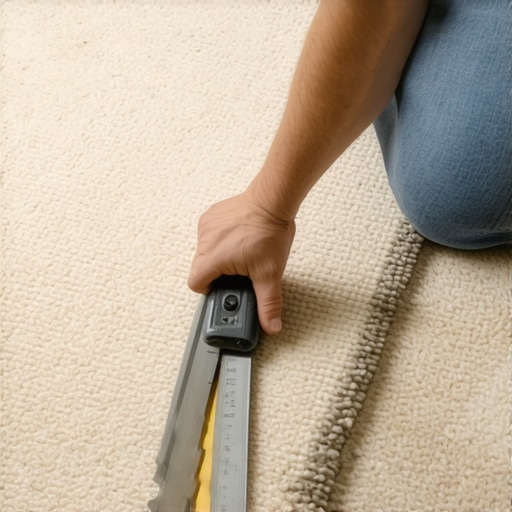
A straight-edge ruler or T-square combined with a sharp utility knife provides precision. When I cut my patch, I clamped a metal straight edge to the carpet to prevent slipping, producing clean, accurate lines that matched the existing flooring. Remember, multiple shallow cuts are better than a single deep one, reducing fraying and irregular edges.
Secure and Perfectly Align the Patch
Apply Appropriate Adhesive and Positioning
Choose a high-quality carpet adhesive suitable for your carpet type. Spread it evenly on the bottom of the patch and the taped-down edges of the surrounding carpet. When I did my repair, I pressed the patch into place, starting from one edge and working across to avoid bubbles. Carefully align the pile direction; misaligned fibers can make the patch conspicuous. Use a knee kicker or a push tool to ensure a tight fit and avoid wrinkles.
Blend the Edges with Seam Sealer
To hide the seams, apply a seam sealer or double-sided tape along the edges. Gently press the edges down, then set heavy objects or weight to hold everything in place as the adhesive cures, usually 24 hours. In my experience, this step prevented peeling or lifting over time, maintaining a seamless look.
Finishing Touches to Achieve Expert Results
Once the adhesive has set, vacuum the patch thoroughly to lift the fibers and match the pile height. Use a carpet rake or a stiff-bristled brush to blend the fibers together. If the color or texture slightly differs, consider using a carpet dye or fabric protector to mitigate the mismatch. I found that taking your time with these finishing details makes a significant difference in how undetectable your repair appears.
Remember, patience and attention to detail are key. With these steps, your patched area can blend seamlessly into the existing flooring, saving you the expense and hassle of professional repair. For further insights into achieving flawless flooring results, visit this article on carpet patching secrets.
 Many homeowners and even professionals often fall prey to oversimplified beliefs about installing carpets, baseboards, flooring, or showers. One prevalent myth is that a perfectly flat subfloor guarantees a flawless finish. Reality check: even subtle imperfections or moisture issues can cause long-term problems. For example, skipping the moisture barrier beneath vinyl floors can lead to warping or mold, despite a smooth surface. Advanced installers recognize that proper prep, like using the stay-put tack strip method, is essential for durability.
Why do so many install mistakes go unnoticed at first glance?
Often, neglecting the importance of proper seam matching in patterned carpets or tiles leads to a less-than-perfect appearance. DIYers may prioritize speed over precision, resulting in seams that gape or discolor over time. Industry insiders warn that rushing the process, especially in areas like shower niches or intricate flooring layouts, can cause issues like water seepage or tile cracking, which are costly to repair later. The study by the National Tile Contractors Association emphasizes meticulous planning and execution for lasting results, especially when preparing for expansive patterned layouts or waterproofing showers.
Keep It Working: Essential Tools for Longevity and Maintenance
Maintaining your finished flooring, baseboards, or shower installations isn’t just about occasional cleaning—it requires the right tools and techniques to ensure they stand the test of time. Over the years, I’ve refined my toolkit to focus on equipment that offers precision, durability, and ease of use. One staple is a high-quality seam cutter, like the Garrison Seam Ripper. I personally prefer this because its fine, sharp blade allows me to accurately trim seams without damaging surrounding material, which is crucial for maintaining a seamless look, especially in patterned carpets or intricate tile layouts. For cleaning and upkeep, I swear by a microfiber mop combined with a steam cleaner—this duo effectively removes dirt without harsh chemicals or abrasive scrubbing, preserving surface integrity over years of foot traffic or moisture exposure.
When it comes to repairs or touch-ups, a precision caulking gun with rotary action makes applying sealant along shower niches or baseboard joints much smoother. I use the SureWater 24A because it offers consistent pressure, reducing mess and waste, which is especially important for waterproofing or sealing gaps. For deeper maintenance, like inspecting subfloors or wall cavities, a compact digital moisture meter helps me detect hidden leaks or moisture issues early. I rely on the Extech MO255 model—it provides accurate readings and quick results, so I can address problems before they escalate into expensive repairs.
What’s Next for Tool Selection in Renovation Work?
As technology advances, expect to see smarter, wireless tools that sync with your smartphone for data logging and scheduling maintenance tips. This trend will enable homeowners and professionals alike to keep their installations in prime condition with minimal fuss. Embracing these innovations now can reduce the risk of long-term issues and save both time and money.
How do I maintain my flooring and showers over time? Regular inspections are key—checking for loose tiles, cracked caulk, or signs of water damage enables early intervention. Incorporating tools like a moisture meter or a quality seam cutter into your routine can make these checks easier and more effective. Additionally, following expert advice—such as the guide to durable flooring installation—helps ensure your work remains intact for years. I recommend trying out a precision caulking gun for your next shower sealing project; honest application can prevent leaks and deterioration, which are costly to repair later. Investing in the right tools is a proactive step toward keeping your renovation investments looking and functioning perfectly long term.
The Hidden Truth About Seamless Repairs
The biggest lesson I learned was that patience is your best ally in flooring repairs. Rushing through the process often leads to noticeable seams and uneven patches, which can be frustrating to fix later. Taking the time to carefully match pile direction, cut precisely, and blend edges makes all the difference between an obvious fix and an invisible one. Remember, it’s not just about aesthetics—proper technique extends the lifespan of your flooring, saving you from future headaches.
Top Tools That Make a Difference
Investing in quality tools transformed my repair skills. A sharp utility knife and a straight edge ensure clean cuts, while a seam sealer can hide seams effectively. My trusted tools also include a moisture meter, which helps detect hidden issues early, preventing costly damage. Using the right equipment not only simplifies each step but also boosts your confidence in tackling DIY projects like carpet patching or installing baseboards.
Take Action and Transform Your Space
Now that you’re equipped with proven techniques and the right tools, there’s no reason to delay those project plans. Whether repairing a small patch or updating your entire floor, start with a clear plan and patience. Remember, the results are within your reach—your home’s beauty and durability depend on the effort you invest today. If you’re curious about advanced flooring installation tips, check out this resource for inspiration. What’s the one flooring project you’ve been putting off? Share below—I’d love to hear your story.