

One lazy Sunday, I found myself staring at a tiny crack in my shower tile, and suddenly, the daunting task of replacing just one tile felt overwhelming. I had visions of cracking neighboring tiles, causing a cascade of damage, and ending up with a mess that would take days to fix. That moment was a lightbulb—there had to be a better way. If you’ve ever tried to replace a damaged shower tile and feared taking out half the bathroom in the process, you’re not alone. I’ve been there, and through plenty of trial and error, I’ve discovered some practical tricks that make this task manageable—and even straightforward.
Why Choosing the Right Technique Matters More Than You Think
When you’re faced with that small crack or chip in your shower tile, the instinct might be to start ripping away at it, thinking that’s the only way. But more often than not, this approach leads to unintended consequences—damaging surrounding tiles, creating uneven surfaces, or worse, causing leaks that might not show up until months later. Early in my own DIY journey, I made the mistake of prying out a tile without considering the adhesive holding the neighboring tiles, leading to a domino effect of broken pieces. It’s a classic rookie move, but one that I learned to avoid with a little knowledge and patience. Today, I want to share the strategies I’ve picked up, so you can replace that one stubborn tile without turning your bathroom into a disaster zone. Plus, we’ll look at how to make the repair durable and seamless, so your shower looks flawless and functions perfectly.
Is Replacing a Shower Tile Without Damage Really Achievable?
It’s a common skepticism among homeowners—and honestly, I used to share it. The fear of causing more harm than good kept me from tackling the project head-on. I also believed that only professionals could do this right, which isn’t entirely true. A key mistake I made early on was underestimating the importance of gentle tools and patience. Using the wrong chisel or applying too much force only increased my frustration and damage. Trust me, with the right approach—carefully working with the grout, employing the right tools, and understanding how tiles are attached—you can successfully replace a single shower tile. According to expert tile installers, knowing how to separate tiles without damage is a skill that can be learned and refined, saving you hundreds on repairs later. If you’re ready, I’ll guide you step-by-step through the process, sharing all my tips and tricks along the way.
Choose the Right Tools and Prepare Carefully
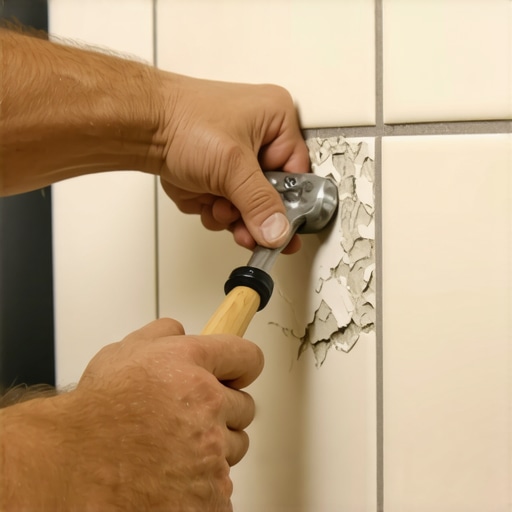
In my first attempt, I grabbed a screwdriver and started prying. Big mistake. Instead, I used a small chisel and a hammer, gently tapping around the cracked tile. To prepare, I turned off the water supply and dried the area thoroughly to prevent slips. Wearing safety glasses and gloves helped me avoid injuries. Set a soft cloth beneath the tools to dampen vibrations, which minimizes the risk of breaking adjacent tiles.
Loosen the Grout and Remove the Damaged Tile
Using a grout saw, I carefully scored the grout line around the tile. This step is crucial to prevent damaging neighboring tiles. I worked slowly and patiently, running the saw along the grout without applying too much pressure. Once the grout was loosened, I inserted the chisel at a shallow angle beneath the tile’s edge, gently prying it upward. When I faced resistance, I tapped the chisel lightly with the hammer, mimicking how a person might gently lift a stubborn lid without damaging the container. This method prevented cracks in surrounding tiles and kept the substrate intact.
Clean the Area and Prepare for Replacement
After removing the broken tile, I cleaned the exposed adhesive and debris with a damp cloth. If the substrate was damaged, I patched it with a thin layer of waterproof mortar. Applying a sealant to the edges of the existing tile ensures a watertight seal when setting the new tile. This step is akin to sealing the edges of a book cover before gluing in a new page—ensuring longevity and preventing leaks.
Set the New Tile Properly
Before placing the new tile, I spread a layer of thin-set mortar evenly on the back with a notched trowel, much like spreading butter evenly over a slice of bread. I then pressed the tile firmly into position, aligning it carefully with neighboring tiles to maintain consistent grout lines. Using spacers helps maintain uniform gaps. I tapped lightly with the rubber mallet, ensuring firm contact without cracking the tile, similar to gently setting a gemstone into a ring to avoid fractures.
Finish Up and Seal the Joints
Once the mortar cured (check manufacturer’s instructions), I removed the spacers and applied grout with a rubber float, pressing it into the gaps thoroughly. Wiping excess grout with a damp sponge kept the surface clean—think of smoothing frosting on a cake. After the grout dried, I applied a waterproof sealant over the joints to prevent future water infiltration, much like applying a final coat of varnish to a wood surface. This comprehensive sealing prevents leaks and extends the lifespan of your repair.
Throughout the process, patience and gentle handling proved key. My initial hasty attempts had caused damage, but discovering these precise steps saved me from bigger headaches. Remember, every tile is different, so take your time and adapt these techniques to your specific shower. If you want insight into creating a spa-like oasis after your fix, check out this guide.
Many DIY enthusiasts and even seasoned homeowners believe they know the essentials of installing baseboards, showers, flooring, or carpet. However, misconceptions linger that can sabotage your project. Let’s dig deeper into these nuances to ensure you’re not falling into common traps that compromise durability and aesthetics.
The Danger of Relying Solely on Visual Cues
One frequent mistake is trusting visual alignment alone to determine proper installation. For example, many think that a perfectly straight line guarantees a solid fit, but subtle inconsistencies—like uneven subflooring or unrecognized wall deviations—can lead to gaps or cracked grout over time. Experts emphasize that taking the time to check levelness and squareness with laser levels or precision tools yields a more reliable result than visual inspection alone. This insight is crucial for projects like [creating a spa-like shower experience](https://tilecraftsmens.com/creating-a-spa-like-shower-experience-tips-tricks), where precision directly impacts water sealing and longevity.
Advanced Consideration: How does wall bowing influence tile and baseboard installation?
Wavy or bowed walls are often dismissed as minor irregularities, but they pose significant challenges for professional finishes. Installers need to scribe and shim materials meticulously to achieve a flush appearance. Ignoring these nuances can cause misaligned grout lines or gaps, especially evident in [baseboard trends for 2025](https://tilecraftsmens.com/baseboard-trends-in-2025-fresh-styles-for-every-room). Using flexible adhesives or specialized tools to accommodate wall imperfections ensures a seamless look and prevents damage over time—details that only seasoned pros consider.
Myths About the Cost of Proper Technique
A common misconception is that rushing or cutting corners saves money. On the contrary, missed steps—like failing to pre-fit flooring planks or neglecting waterproofing in showers—set the stage for costly repairs later. For instance, skipping waterproof membrane installation can lead to leaks and mold, which influences your home’s health and resale value. As industry experts point out, investing in correct methods from the start, such as utilizing the [correct shimming and nailing techniques for baseboards](https://tilecraftsmens.com/the-2-piece-trick-for-perfect-baseboard-mitered-corners-on-wavy-walls), saves money and effort long-term.
Beware the Hidden Trap of Ignoring Material Compatibility
Using incompatible materials—like installing hardwood over high-humidity concrete or mixing different types of flooring without proper underlayment—can lead to warping, buckling, or adhesion failures. A study published by the National Wood Flooring Association highlights that understanding the moisture content and expansion properties of materials is vital for durability. Recognizing these factors is particularly critical for [flooring installation with expert tips](https://tilecraftsmens.com/transform-your-home-expert-flooring-installation-tips-for-2025), where subtle incompatibilities can cause major problems down the line.
By acknowledging these hidden nuances and avoiding common myths—such as the idea that visual perfection replaces meticulous measurement—you ensure your home upgrades last. Remember, a little extra effort upfront can prevent costly corrections later. Have you ever fallen into this trap? Let me know in the comments, and if you’re interested in further tips, check out our comprehensive guides on [baseboards](https://tilecraftsmens.com/baseboards-makeover-elevate-your-interior-with-simple-updates), [carpet](https://tilecraftsmens.com/carpet-install-secrets-achieving-flawless-results-every-time), or [shower renovations](https://tilecraftsmens.com/shower-renovation-ideas-modern-designs-for-a-luxury-feel).
Maintaining the integrity of your home’s flooring, tilework, and baseboards requires not only skill but also the right arsenal of tools and strategies. Over the years, I’ve honed my toolkit to include equipment that makes repairs efficient, durable, and precise.
Quality Tools that Make a Difference
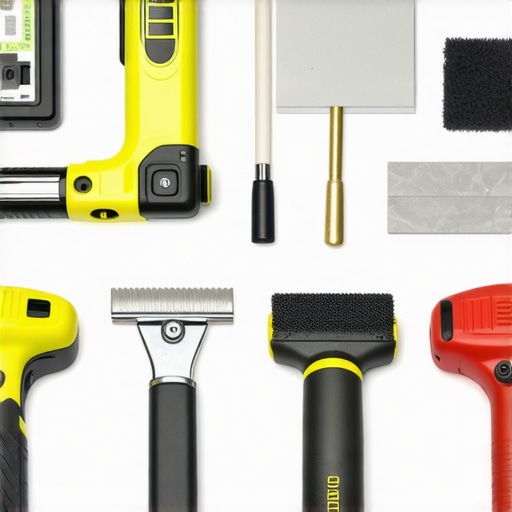
First and foremost, a dependable oscillating multi-tool has become my go-to. It’s invaluable for intricate tasks like removing stubborn grout or trimming damaged tiles without risking damage to surrounding surfaces. I personally rely on the Dremel Multi-Max Xp because its variable speed control allows me to adjust based on the delicacy of the job, ensuring clean cuts and safe removal.
For measuring, there’s no substitute for a laser level. It instantly projects straight lines, helping me achieve perfect grout lines or baseboard angles. Investing in a durable model like the Bosch GSL2 Professional ensures accuracy over countless projects, and it’s especially useful when working on wavy walls or uneven floors—common hurdles that often trip up DIYers.
Coupled with this is a high-quality notched trowel for applying thin-set mortar. I prefer ones with a consistent notch size—usually 1/4 inch—like the MARSHALLTOWN Manda notched trowel, because it spreads adhesive evenly, preventing tile lippage or uneven bonding. Regularly checking the adhesive’s coverage and thickness ensures longevity, especially when installing large-format tiles for a spa-like shower experience.
Tools for Long-Term Results
Once the install is complete, sealing joints properly is essential. I use a grout float with an ergonomic grip to press grout evenly into seams and minimize air pockets. For detailed or hard-to-reach areas, I keep a set of micro-precision tools, such as dental picks, to clean excess grout and ensure a smooth finish.
To maintain the condition of my floors and tiles over time, I swear by a steam cleaner designed for grout and sealed surfaces. Regular gentle cleaning prevents build-up of dirt and mildew, keeping the repairs looking pristine for years. Remember, high-quality cleaning tools extend the life of your repairs, so investing now pays dividends later.
Looking to the Future
I predict that the trend toward smarter, more efficient repair tools will continue. Automated leveling devices and app-connected inspections could become commonplace, simplifying tasks like checking floor flatness or wall squareness. Staying current with such innovations will ensure your projects are both quick and durable.
How do I keep my repairs functioning smoothly over time?
Regular maintenance involves inspecting grout lines for cracks, resealing joints, and promptly addressing any signs of moisture infiltration. Tools like a handheld moisture meter and a precision sander help me catch issues early and perform minor touch-ups before they escalate. In the long run, combining smart tools with consistent upkeep ensures your flooring and tile installations stay beautiful and functional for years to come.
If you’re eager to improve your repair game, start by trying out a laser level for your next project. It’s a game-changer in achieving professional results with minimal fuss. For detailed techniques and tools tailored to specific tasks, don’t hesitate to explore our guide to creating a spa-like shower experience—you’ll find insider tips that make maintenance much easier.
Remember, investing in the right tools and knowing how to use them properly set the foundation for long-term success in home improvements. Happy fixing!
Three Lessons That Changed My Approach to Home Upgrades
- Patience Is Your Best Tool: Rushing through tile cuts or baseboard fitting often leads to mistakes that cost both time and money. Taking the extra moments to measure twice and cut once has saved me from redoing entire sections—trusting the process yields better results.
- Details Make All the Difference: Small adjustments, like shimming wavy walls before installing baseboards, create a seamless look and prevent future cracks. Paying attention to these nuances transformed my projects from average to professional quality.
- Invest in Knowledge as Much as Tools: Reading industry guides and watching expert tutorials gave me insights that no fancy tool can replace. Combining the right tools—like a laser level for precise alignment—with expert tips ensures durability and beauty.
Tools and Resources That Honestly Elevate My Work
- Creating a spa-like shower experience guide: Offers innovative ideas for finishing touches that withstand moisture and time, inspiring confidence in my renovation projects.
- Durable flooring installation tips: Provides comprehensive techniques that prevent future buckling or gaps, ensuring my floors stay flawless over the years.
- Baseboard transformation ideas: Showcases modern styles and installation tricks, helping me elevate simple trim into a design feature.
- Carpet installation secrets: Teaches precision techniques that avoid wrinkles and uneven edges—vital for comfortable, professional-looking results.
Your Next Move for Home Improvement Confidence
Embracing these lessons, tools, and resources marks a turning point in tackling home upgrades with assurance and skill. The more you learn and adapt, the more your projects reflect your true potential. Remember, every home improvement journey is a chance to develop a more capable, confident version of yourself. Have you ever discovered a small trick that made a big difference in your repairs? Share below, and if you’re eager for more expert guidance, explore our steps to creating a spa-like shower to start transforming your space today.