

It was a morning just like any other, until I stepped into my brand-new shower and was greeted by a musty smell I couldn’t ignore. My heart sank as I noticed dark stains creeping along the grout lines. That lightbulb moment hit hard—if I didn’t take action, mold and mildew would soon become my daily companions. I realized that sealing the grout in my shower was the key to keeping it fresh, clean, and mold-free. But let me tell you, I learned the hard way that not all sealers are created equal, and a little mistake early on can turn into a big headache.
Why Sealing Grout Matters More Than You Think
Sealing grout isn’t just about making your shower look pristine; it’s about combating a very real enemy—moisture. Every time you take a shower, steam and water vapor settle into those tiny pores of the grout. Without proper sealing, moisture seeps in, inviting mold, mildew, and unsightly stains. Not to mention, unsealed grout can deteriorate faster, leading to costly repairs. I used to skip this step, thinking regular cleaning was enough, but I quickly learned that grout not sealed properly can be a breeding ground for mold in just a few months. Fortunately, I found that applying a high-quality grout sealer can dramatically extend the lifespan of your tile and keep your shower looking fresh.
Have you ever faced persistent mold or staining despite regular cleaning? If so, you’re not alone. Many homeowners overlook the importance of sealing grout, unaware of how much it impacts their shower’s cleanliness and longevity. That’s why I’m here—to share my experience and guide you through the best way to seal your grout effectively.
Is Grout Sealing Really Worth the Hype?
Early in my DIY journey, I made a common mistake: I assumed a quick spray of sealer would do the trick. Turns out, I used the wrong type for my tiles, and the stains kept coming back. It was frustrating—and a bit embarrassing. I’ve since learned that choosing the right sealer and applying it correctly can make all the difference. According to the Tile Council of North America, sealing grout can extend its life by years and help prevent the growth of harmful mold spores (https://tilecraftsmens.com/why-your-grout-is-discoloring-and-the-sealing-step-you-missed). The secret is understanding your grout type and applying an even coat that penetrates deeply.
So, if you’re tired of fighting a losing battle with stains and mold, stay with me. We’re going to explore how to seal your grout like a pro, ensuring your shower remains a relaxing, clean oasis. Now, let’s dive into the step-by-step process that turned my dingy shower into a sparkling sanctuary.
Prepare Your Workspace and Gather Supplies
Start by removing all items from your shower—bottles, soap dishes, and mats. Wear gloves and protective eyewear to safeguard your skin and eyes from the sealant fumes. Have a high-quality grout sealer, a clean sponge, a small brush for detailed areas, and painter’s tape ready. I once skipped this prep and ended up with sealant mess all over my tiles, which took extra hours to clean up.
Clean and Dry the Grout Thoroughly
Thorough cleaning is crucial; dirt and soap scum can prevent proper sealing. Use a grout cleaner or a mixture of baking soda and vinegar, scrubbing with a stiff brush. For stubborn stains, a mixture of hydrogen peroxide can help. Rinse well and dry completely with a microfiber cloth. I learned this step the hard way when residual moisture caused the sealant to bubble, compromising its effectiveness.
Apply Painter’s Tape to Protect Adjacent Areas
Use painter’s tape along the edges of tiles and fixtures to keep sealant off surfaces where you don’t want it. This is especially helpful around corners and edges. I once accidentally sealed over the faucet because I didn’t tape beforehand, and it looked terrible—needed a complete redo.
Apply the Sealer with Precision
Using the small brush, apply the sealer into the grout lines carefully. Work in small sections to prevent the sealer from drying before you can smooth it out. Hold the applicator at a 45-degree angle and fill the grout lines uniformly. Think of it like coloring in the lines on a coloring book; neatness counts. Once the grout is saturated, go over the area with the provided applicator sponge to remove excess sealer and ensure even coverage. I once over-applied and had to wait longer for curing, delaying my project.
Let It Cure and Remove Tape
Allow the sealer to cure as per the manufacturer’s instructions—usually 24 hours. Avoid using the shower during this time. After curing, carefully peel off the painter’s tape. This step keeps your tiles looking sharp and prevents smudging. I once forgot to remove the tape and ended up peeling off part of the sealer, which was frustrating.
Inspect and Reapply if Necessary
Once dried, check your grout lines for any missed spots or uneven coverage. Reapply sealer to those areas and let it cure again. This extra step ensures comprehensive protection. In my experience, a second application can be a game-changer for stubborn, heavily used showers.
Maintain Your Sealed Grout
Regular cleaning with gentle cleaners and avoiding harsh abrasives will prolong your sealant’s life. Re-seal every 1 to 2 years or when you notice water no longer beads on the surface. I learned that neglecting re-sealing turned my once-protected grout into a mold hotspot within months.
Sealing grout might seem straightforward, but skipping steps or rushing can lead to poor results. Take your time with each phase, and you’ll enjoy a clean, mold-resistant shower for years to come.
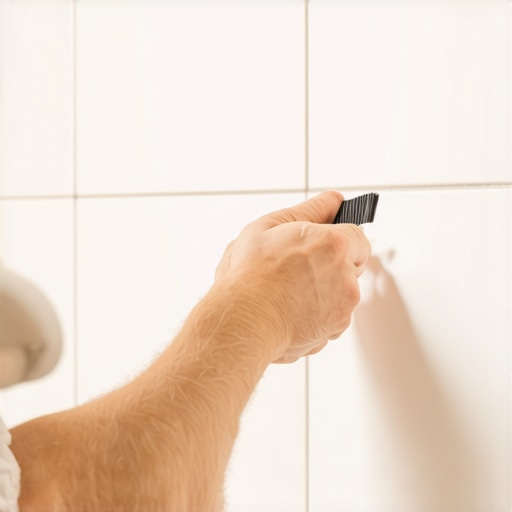 Many homeowners believe that installing a shower or flooring is a straightforward task, but in my experience, there’s a lot more nuance involved than most realize. One of the most pervasive myths is that simply choosing high-quality materials guarantees a perfect outcome. Actually, the installation technique, especially understanding the subtleties like proper slope in shower floors or the right sealing methods, plays a crucial role in longevity and performance. For instance, many think that sealing grout once is enough; however, repeating the sealing process every couple of years ensures continued protection against moisture ingress, which is critical in preventing mold and damage.
A sneaky trap many fall into is neglecting to check subfloor stability before laying down flooring. An uneven or spongy subfloor might seem insignificant initially, but it can cause tiles to crack, vinyl to buckle, or carpets to wear unevenly over time. According to recent studies by the National Wood Flooring Association, ensuring a rigid, level subfloor increases the lifespan of your flooring dramatically. To avoid this common mistake, always perform a simple but effective test—like the simple slope test—to confirm proper subfloor preparation.
Have you ever used the wrong adhesive or skipped the primer on baseboards? In my experience, this oversight can cause nails or screws to pop out and gaps to develop, marring the sleek look you aimed for. Proper adhesive application and surface preparation are often overlooked details that separate professional results from DIY disasters. For wall-to-wall installations, such as carpets, understanding the secret to flawless seams—like the double cut method—is essential for a seamless finish. Check out my guide on achieving perfect carpet seams to avoid those unsightly gaps or bulges.
Layered with installation complexities, a nuanced mistake is ignoring expansion gaps with vinyl planks or hardwood flooring. Not leaving enough room can cause warping and buckling as the material expands and contracts with temperature changes. External research confirms that proper spacing, coupled with the right underlayment, maintains both aesthetic appeal and structural integrity. I recommend the simple Penny Gap secret for large vinyl floor areas; it’s an easy fix to ensure proper expansion.
In the realm of shower renovation, many are unaware of the importance of waterproofing, especially in niche areas. Skipping or skimping on this step can lead to leaks that damage substructures or even ceilings below. Installing the right flashing and sealing around niches with specialty silicone or membrane drastically reduces these risks. For an in-depth look at this, my tips on creating a spa-like shower experience include careful waterproofing techniques that will make maintenance a breeze.
Understanding these advanced nuances and avoiding common pitfalls can save you time, money, and frustration. It’s worth investing a little extra effort into proper preparation, material selection, and finishing touches. Would you like to see step-by-step guides or expert advice for your specific project? Feel free to explore more on my site about transforming your home efficiently and beautifully. Have you ever fallen into this trap? Let me know in the comments.Investing in quality tools and adopting proper maintenance routines will keep your home improvements looking great and functioning smoothly for years to come. When it comes to projects like shower upgrades, flooring, baseboards, or carpet installation, having the right equipment not only saves time but also ensures a professional finish. For instance, I highly recommend investing in a high-quality oscillating multi-tool, which I use extensively for delicate cuts and detailed work, especially when trimming tiles or sealing edges. Its versatility makes it invaluable for quick adjustments and reducing material waste, a crucial factor when aiming for long-term durability.
Another must-have is a digital moisture meter. Regularly checking moisture levels in areas prone to humidity, such as bathrooms or basements, helps prevent mold growth and red flags early issues like subfloor rot or sealing failures. I personally use a non-invasive pinless model, which provides instant readings without damaging surfaces, ensuring your maintenance routine is both safe and efficient.
Proper cleaning tools also play a significant role in maintaining your investments. A microfiber mop combined with pH-neutral cleaners preserves the appearance of floors and prevents buildup that can compromise adhesives in flooring or loosening of grout lines. To keep your tools at their best, I recommend regularly cleaning your brushes and replacing sponge heads—small upkeep efforts that prolong their usefulness.
Thinking ahead to long-term results? Sealant applicators designed with precision tips help avoid excess product and mess, providing cleaner edges on baseboards and around fixtures. For example, I now prefer a squeeze tube with a fine nozzle for caulking gaps — it allows for controlled application, reducing cleanup time and improving seal integrity.
Looking to the future, advancements in smart home monitoring may introduce sensors that track humidity, temperature, and even stress points in structural components, alerting homeowners before minor issues evolve into costly repairs. Staying up-to-date with these innovations can make home maintenance smarter and less labor-intensive.
How do I keep my installations working smoothly over time? The answer lies in routine inspections combined with proactive maintenance. Regularly checking for signs of wear, like grout cracking or loose baseboards, and addressing them early can extend the lifespan of your work significantly. For example, reapplying a high-quality grout sealer every couple of years can prevent water infiltration, which is a common cause of deterioration in tiled showers. Applying a protective topcoat isn’t complicated if you have the right tools and knowledge – and it makes a substantial difference.
If you’re serious about keeping your home upgrades performing at their best, try integrating a maintenance checklist with scheduled inspections. Maintain detailed records of your repairs and reapplication dates to stay ahead of wear and tear. This disciplined approach not only preserves your investments but also enhances your home’s safety and aesthetic appeal.
To get a head start, consider the simple step of re-sealing grout every other year. It’s an inexpensive investment that can save you from major repairs down the line—and with the right applicator, it’s quick and mess-free. For more expert tips on durable flooring techniques, visit my guide on [transforming your home](https://tilecraftsmens.com/transform-your-home-expert-flooring-installation-tips-for-2025). Moreover, understanding the importance of proper subfloor preparation, as detailed in the Tile Council of North America’s documentation, can help you avoid long-term issues like uneven flooring or tile cracking (https://tilecraftsmens.com/your-guide-to-durable-flooring-installation-for-a-stylish-home).
By embracing these tools and maintenance habits, you’ll ensure that your home projects stand the test of time, providing beauty, comfort, and value year after year. Remember, staying proactive is the secret to lasting success.
The Hidden Traps That Cost Me Time and Money
One of the toughest lessons I learned was that rushing through sealing grout or neglecting to waterproof properly can lead to long-term headaches. Small oversights, like not applying enough sealer or skipping inspection steps, snowball into mold issues or structural damage. These mistakes taught me to prioritize patience and precise techniques, understanding that quality work upfront saves countless hours later.
Tools and Resources I Can’t Live Without
Investing in the right tools has transformed my renovation approach. A high-quality moisture meter helped me spot hidden issues before they escalated, while a professional-grade sealer ensured uniform coverage. I also rely on trusted guides like the comprehensive flooring installation tips for 2025, which demystify complex steps, making my projects safer and more durable. These resources have become my secret advantage in home upgrades.
Build Confidence and Elevate Your Skills
Every project is an opportunity to learn and grow. Embrace the process, take your time, and don’t be afraid to revisit steps if something doesn’t look right. Remember, mastering shower sealing, flooring, or baseboard installation isn’t about perfection from day one—it’s about consistent improvement. I encourage you to start small, apply what you’ve learned, and gradually take on bigger challenges. Your future self will thank you for the effort—visit these tips for a spa-like shower to inspire your next upgrade. What’s one step you’re ready to take today? Drop your thoughts below—I’d love to hear about your plans or challenges.