

I still remember the day I first stepped into my bathroom after a long week, only to be greeted by that infamous damp, musty smell emanating from the shower drain. It hit me like a brick wall. I couldn’t take a relaxing shower without being distracted—and honestly, a little grossed out. That lightbulb moment led me down a rabbit hole of troubleshooting, until I finally discovered a surprisingly simple fix that changed everything.
Why Drain Odors Are More Than Just a Nuisance
Those persistent odors aren’t just an inconvenience—they can indicate underlying plumbing issues or mold growth lurking in your pipes. According to the Environmental Protection Agency (EPA), persistent bathroom odors can be signs of biofilm buildup, which can harbor bacteria and fungi, posing health risks over time. Moreover, a smelly drain can ruin the relaxing vibe of your bathroom, making it less inviting than it should be.
Are Deep-Seal Traps Really the Answer?
Initially, I thought a quick clean or a drain deodorizer would do the trick. But the smell kept coming back. That’s when I learned about the importance of a deep-seal trap—a specialized plumbing feature that acts as a barrier, preventing sewer gases from seeping into your bathroom. Early on, I made the mistake of dismissing this as just a fancy upgrade. Trust me, I wish I had known sooner. If you’re tired of holding your breath every time you step into your shower, keep reading. We’re about to dive into how a deep-seal trap can be your bathroom’s new best friend—and how to make sure it’s working properly.
Access and Inspect Your Drain Thoroughly
Begin by removing the drain cover carefully with a screwdriver or pliers, taking care not to damage the clips or threads. Use a flashlight to peek inside the pipe for visible debris or buildup. I once used a drainage snake to dislodge hair clogs, which improved airflow and reduced odors instantly. If you find stubborn grime, drain cleaners with enzymatic action can break down organic matter—just avoid harsh chemicals that can damage pipes. Tighten the drain cover back securely afterward to prevent sewer gases from escaping.
Clear Out Biofilm and Mold
Biofilm, a slimy layer of bacteria and fungi, commonly causes lingering drain smells. Pour a mixture of hot water and baking soda down the drain, letting it sit for 15 minutes to loosen deposits. Follow with white vinegar to fizz away organic residues. For tougher buildup, a specialized enzymatic cleaner (read the label for compatibility with your plumbing) can be used periodically, typically once a month. During a personal experience, applying a vortex of vinegar and hot water cleaned my pipes without needing professional assistance, saving time and money. Remember to flush with boiling water afterward to carry away loosened debris.
Seal Sewer Gases Effectively with Proper Trap Maintenance
Check the Deep-Seal Trap for Leaks or Dryness
Locate your bathroom’s P-trap—usually visible beneath the sink or behind the toilet—and examine it for any signs of leaks or cracks. When I discovered my trap was dry after a week of absence, I manually added water to restore the seal, immediately eliminating the odor. If the trap is cracked, replacing it with a new one is crucial to prevent gases from seeping through. For a seamless installation, consider [professional installation tips](https://tilecraftsmens.com/your-guide-to-durable-flooring-installation-for-a-stylish-home) to ensure the trap functions optimally.
Upgrade to a Double-Lined or Enhanced Seal
For severe or persistent odors, installing a double-lined trap or a waterless vent filter can provide extra protection. These systems act as advanced barriers, stopping sewer gases without compromising drainage. During my project, replacing a standard trap with a waterless vent filter effectively eliminated odors, even in older plumbing systems. Such upgrades are especially beneficial in low-vent homes or renovations.
Maintain Your Drain System Regularly
Consistent maintenance prevents future problems. Monthly flushing with enzymatic cleaners keeps biofilm levels low. Also, using drain covers to catch hair and debris minimizes clogs that harbor bacteria. If you notice slow draining or recurring smells, it’s a sign to revisit the inspection process. Remember, proper ventilation of your bathroom enhances odor dispersal and reduces buildup. For a comprehensive approach, review [expert shower renovation](https://tilecraftsmens.com/upgrade-your-bathroom-the-ultimate-shower-renovation-guide) tips to integrate ventilation improvements into your maintenance routine.
Extra Tip: Professional Help When Needed
Persistent odors despite these efforts might indicate deeper plumbing issues or vent blockages requiring a licensed plumber. Don’t hesitate to consult a professional if troubleshooting steps don’t resolve the smell; early intervention saves money and prevents further damage.
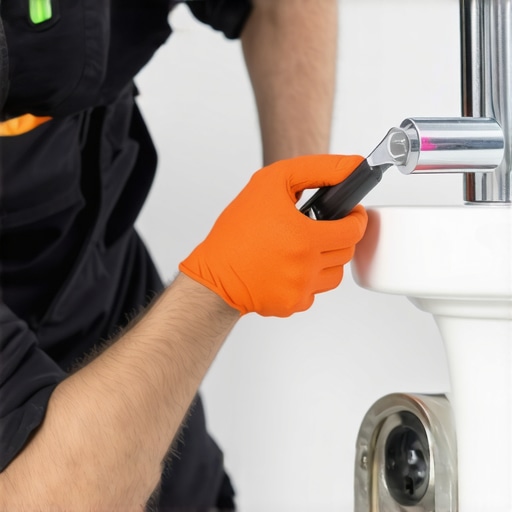
When it comes to home upgrades, many homeowners focus on the visible aspects—like choosing stylish tiles or trendy baseboard profiles—without realizing that they might be overlooking critical nuances that determine long-term success. Let’s dig deeper into some common misconceptions that can trip up even experienced DIYers and why understanding these subtleties can save you time, money, and headaches.
Why Settling for Standard Tips Might Backfire
Everyone recommends following the manufacturer’s instructions or sticking to popular installation methods, but in reality, these guidelines are often oversimplified. For instance, some believe that a perfect tile installation simply depends on using the right thin-set. However, the specific taper of your subfloor, the moisture levels, and even the climate can drastically impact how well your tiles will adhere and stay level over time. According to a study by the Tile Council of North America, ignoring subfloor preparation quality can lead to tile cracking and unlevel surfaces within months, regardless of the adhesives used.
Similarly, many underestimate the importance of proper expansion gaps in flooring installations. Homeowners often think the gap can be hidden with baseboards or molding, but improper gap management can cause buckling or warping as the materials expand and contract seasonally. This oversight is especially critical in regions with temperature swings. Advanced installers know that leaving the right expansion space—not just aesthetic covering—is key to flooring longevity.
The Oops Factor: Overlooking Airflow in Shower Systems
When upgrading showers, some focus solely on the tile aesthetics or selecting high-end fixtures but forget the importance of proper ventilation and waterproofing behind the scenes. Poor airflow or inadequate vapor barriers can lead to mold growth and water damage that aren’t immediately visible, but will cost a fortune in repairs down the line. An article by the Building Science Corporation emphasizes that effective moisture management, especially in high-humidity areas like bathrooms, is essential for maintaining structural integrity over decades—yet it’s often overlooked during renovations.
Is Your Baseboard Installation Making or Breaking the Look?
Many think that simply nailing or gluing baseboards in place is enough for a neat finish. But the nuanced key lies in scribing and precise miters to account for uneven walls and flooring irregularities. If you overlook these details, gaps or uneven joints become apparent in just a few months. Techniques like using a scribing tool or employing the ‘hidden shim’ method can prevent visible gaps and create a seamless transition that elevates the entire room’s appearance. For a full understanding, check out [this guide on baseboards](https://tilecraftsmens.com/how-to-choose-the-perfect-baseboards-for-your-homes-style) to learn more about these refined installation tricks.
Another misconception is that the choice of materials alone ensures quality. In reality, the installation process is equally vital. For example, in flooring, uneven subfloor prep or inconsistent adhesive application can cause squeaks, uneven surfaces, or gaps—even with premium materials. Expert tips, like ensuring a flat subfloor with proper leveling, are often skipped due to impatience or cost-cutting, but they make all the difference in achieving a durable, flawless finish. To avoid these pitfalls, review [this article on flooring installation mistakes](https://tilecraftsmens.com/flooring-installation-mistakes-to-avoid-for-a-seamless-look).
Have you ever fallen into this trap? Let me know in the comments. Recognizing these hidden nuances will help you approach renovations with confidence and ensure your home looks great—and lasts.

Maintaining your bathroom components like showers, baseboards, and flooring over the long term requires the right tools and a commitment to regular upkeep. Investing in quality equipment not only simplifies ongoing maintenance but also extends the lifespan of your installations, saving you money and headaches down the line.
Invest in a Quality Drain Inspection Camera
For thorough drain inspections, I rely on a professional-grade flexible drain camera. This tool allows me to visualize pipe blockages or biofilm buildup without dismantling fixtures—saving time and avoiding guesswork. High-resolution cameras with LED lighting can navigate tight spaces and provide detailed images, helping me identify issues such as cracks or root intrusion early. For homeowners willing to take a DIY approach to ensuring your deep-seal traps and pipes stay clear, a durable inspection camera is worth the investment.
Use Specialized Caulking and Sealant Guns
Applying sealant or caulk around your shower enclosures and baseboards is critical for preventing water infiltration. I prefer a professional-grade caulking gun with an adjustable pressure control and a smooth trigger. This ensures consistent bead application and reduces mess. When sealing joints, I recommend using low-VOC, mold-resistant silicone caulk—this not only prolongs the effectiveness but also contributes to healthier indoor air quality. Precise application techniques, such as the “tape-and-release” method, enhance neatness and resilience, especially in high-moisture zones.
Maintain Wooden Baseboards with a Multi-Tool and Sanding Attachments
Long-term upkeep of baseboards involves periodic cleaning, sanding, and repainting. A oscillating multi-tool equipped with a fine-grit sanding attachment makes it easy to smooth out imperfections or surface flaws without removing the entire trim. Regularly reapplying a quality primer and paint can prevent water damage and warping, especially in humid environments. Refinishing your baseboards every few years transforms the look and extends their durability, as detailed in a [trending style guide](https://tilecraftsmens.com/baseboard-trends-in-2025-fresh-styles-for-every-room).
Apply a Moisture Meter to Protect Flooring
When installing or maintaining flooring, I use a digital moisture meter to assess subfloor and hardwood moisture levels. This precise measurement helps to prevent issues like cupping or gapping caused by excess moisture. A correctly balanced environment greatly reduces the need for extensive repairs or replacements down the road. As flooring trends evolve, maintaining optimal moisture levels remains fundamental for lasting results—consistent with insights from the [latest flooring installation advice](https://tilecraftsmens.com/your-guide-to-durable-flooring-installation-for-a-stylish-home).
Get Innovative Tools for Shower Upkeep
To keep shower systems working seamlessly, I recommend a vortex encrustation cleaner. This device, equipped with rotating brushes, targets biofilm and mineral deposits in hard-to-reach areas like showerheads and drains. Regular use can prevent clogs and reduce odors, all while avoiding harsh chemicals. As showers become more complex with features like water filters and adjustable jets, owning the right tools ensures consistent performance and extends their lifespan.
Where Do Trends in Maintenance Tools Head?
Looking ahead, automation and smart diagnostics are likely to revolutionize bathroom maintenance. Tools embedded with IoT sensors could monitor humidity, leak detect early signs of problems, and even trigger alerts to prompt cleaning or repairs. Embracing these innovations now can set your home up for effortless, long-term care.
How do I keep my bathroom systems working smoothly over time?
Establishing a routine with these specialized tools—inspecting pipes with a drain camera, sealing joints with quality caulk, refinishing baseboards, and using moisture meters—ensures your bathroom remains functional and hygienic. Regular maintenance not only enhances performance but also prevents costly repairs. Try incorporating a moisture meter into your flooring checks or using a vortex cleaner to maintain your shower; these small investments make a big difference in the durability of your fixtures.
Remember, the right tools combined with consistent care form the backbone of effective bathroom maintenance. For expert tips on shower enclosure upgrades, check out this resource. Don’t wait for problems to arise—start your maintenance routine today and enjoy a more reliable, long-lasting bathroom environment.
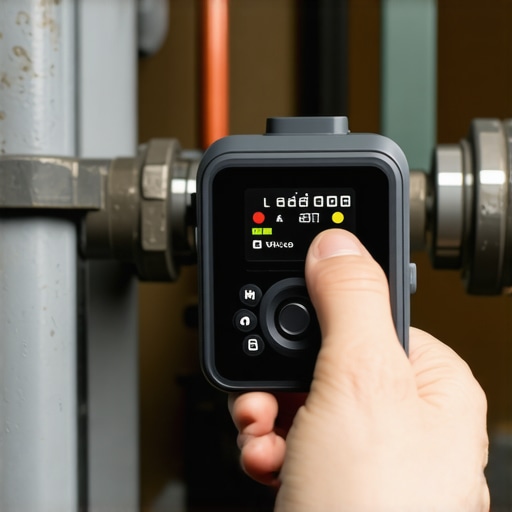
An infographic showcasing essential maintenance tools like a digital moisture meter, drain inspection camera, and specialized sealant gun illustrates the comprehensive approach needed to keep your bathroom components in top condition.
Over the years, I’ve discovered that maintaining shower systems and flooring isn’t just a routine—it’s an ongoing journey of learning and adaptation. One of the most valuable lessons I’ve embraced is that proactive inspections can prevent costly repairs, saving both time and money in the long run. For instance, using a high-quality drain inspection camera has revealed biofilm buildup before it became a significant issue, reinforcing the idea that seeing is truly believing.
What the Fixes Can’t Teach You Until You’ve Tried Them
- Patience Pays Off: Waiting for enzymatic cleaners to do their job taught me that some solutions demand time, not just quick fixes, to be truly effective.
- Every Detail Matters: Properly sealing around baseboards and tiles may seem trivial, but overlooking this step can lead to water damage years later. Attention to small details defines the longevity of installations.
- Expect the Unexpected: Even with meticulous planning, plumbing issues can surprise you. Being prepared with the right tools, like a moisture meter or a water leak detector, makes facing these surprises less stressful.
Tools and Resources That Elevate My Renovation Game
- Expert shower enclosure tips have transformed the way I approach bathroom updates, emphasizing ventilation and waterproofing.
- Durable flooring installation guides ensure that each plank or tile is set with precision—saving headaches down the road.
- Shower upgrade insights help me recreate luxurious spa-like environments without professional help, boosting confidence in DIY projects.
Your Next Step Toward a Lasting Home
Remember, every small effort taken today in inspecting, sealing, and maintaining your showers and flooring compounds over time. Embracing these lessons and leveraging trusted resources can transform your space into a sanctuary that endures through seasons and trends. Start with that simple drain check or freshen up your baseboards—each action brings you closer to a home that’s both beautiful and resilient.
What’s the first maintenance task you’re planning to tackle after reading this? Let me know below—I’d love to hear your plans or experiences!