

I remember the first time I tried to stretch a carpet over a thick underlayment, and it was a complete disaster. The rug wrinkled, strained, and I ended up ripping it right at the edge. It was a frustrating realization that what seemed like a straightforward task was actually more complicated than I thought. If you’ve ever faced a similar struggle, you’re not alone. Many homeowners and DIY enthusiasts find themselves stuck when trying to achieve that perfect, wrinkle-free finish over challenging subfloors.
The Challenge of Thick Underlayment
Handling carpet installation over thick underlayment is tricky. The extra cushion often causes the carpet to distort or develop unsightly wrinkles if not stretched properly. Ripping or tearing becomes a real risk if you’re not aware of the right techniques and tools. I quickly learned that rushing or using the wrong approach can turn a simple job into a costly mistake.
The good news? With the right knowledge and a few insider tricks, you can stretch your carpet smoothly over even the thickest underlayments without damaging it. Today, I’ll share proven strategies based on personal experience that will help you get that flawless look you desire.
Is Edging and Tensioning the Same? Or Is There More to it?
Initially, I believed all stretching methods were created equal. I thought tackling the job with just a knee kicker and a lot of force would do the trick. Spoiler alert: it doesn’t. In fact, I made a common mistake early on—overstretching near the edges, which caused the carpet to rip! That’s why I always recommend learning about specialized tools and techniques, like using a power stretcher, which makes a huge difference.
According to flooring experts, understanding the right tension and application of tools can prevent tears and ensure a professional-looking result. For a closer look at flawless installation tips, check out this comprehensive guide on achieving perfect carpet stretches [here](https://tilecraftsmens.com/carpet-install-secrets-achieving-flawless-results-every-time). Now, let’s move on to the practical steps that can save your project from ruin and bring that newly installed carpet to life.
Prepare Your Tools and Space
Start by gathering a power stretcher, knee kicker, carpet stretcher bar, and a carrier bar. Clear the area of furniture and debris to ensure unobstructed access. Wear knee pads and gloves to protect yourself during vigorous stretching. I once tried tackling a large room without proper knee protection, resulting in sore knees and uneven tension; don’t make that mistake.
Assess the Carpet and Underlayment
Examine the carpet for wrinkles, especially near the edges. Check the underlayment’s thickness—over ½ inch can complicate stretching. Recognize that thicker underlayments act like a trampoline, resisting even tension. Mark the perimeter with chalk lines to identify stretch points, akin to marking cut lines on drywall, which helps in systematic tensioning.
Start in the Middle and Work Outwards
Begin by stretching the carpet in the middle of the room using the power stretcher. Attach it securely, then gradually work towards the edges with controlled force. Think of this like tightening a stubborn bolt—gentle, steady pressure prevents tearing. I once over-tightened near the wall and caused a rip; slow, incremental stretching is key.
Stretch Towards the Walls Carefully
Use the powered stretcher to pull the carpet evenly towards the walls, avoiding excessive force that can cause rips. Place the stretcher’s end bar flush against the wall or a secure wall block. Remember, unlike a shower tile that might crack under too much pressure, carpet needs a balanced amount of tension—too tight, and it tears; too loose, and wrinkles form.
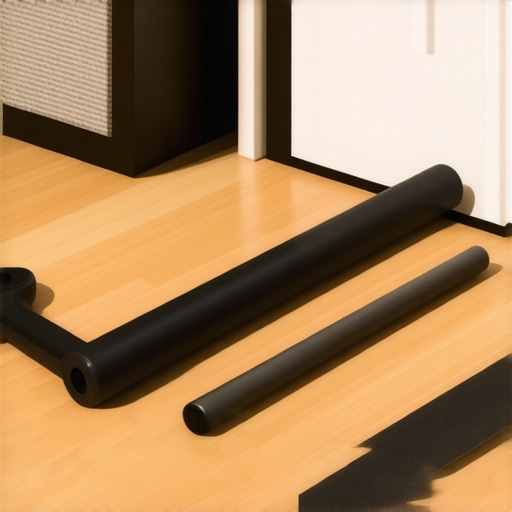
Images illustrating proper placement of the power stretcher and technique to avoid overstretching are invaluable. Incorporate this step to ensure your carpet remains smooth and durable.
Secure the Edges and Trim Excess
After achieving the desired tension, staple or tack the carpet’s edge to the tack strip. Use a knee kicker to snugly fit the carpet into the corners, ensuring no slack. Cut away any excess carpet along the wall, making sure the edges are flush and tight. It’s similar to fitting baseboards—precision here prevents gaps and uneven lines, which can mar the clean look.
Finish with a Seam Roller
Roll over the edges with a seam roller to press the carpet tightly against the tack strip. This step improves durability and appearance. Like sealing grout in a shower, proper finishing prevents future issues and maintains a professional look.
Address Wrinkles Immediately
If any wrinkles or bubbles appear, use the knee kicker or power stretcher to reapply tension. Addressing these early prevents permanent creases. I learned this the hard way when a stubborn wrinkle refused to flatten, turning into a permanent flaw. To prevent this, routinely check tension as you work, just like testing shower slope during installation.
Additional Tips for Thick Underlayment Challenges
Consider removing a small section of underlayment if it’s excessively thick and prevents proper stretching. Laying a plywood sublayer can provide a more forgiving surface. Remember, patience is essential—rushing can lead to tears or uneven surfaces. For more detailed insights, check out this guide on achieving perfect carpet installation here.
While most DIYers and even experienced contractors focus on the obvious aspects of carpet, shower, and baseboard installations, there’s a web of misconceptions and overlooked details that can undermine even the best efforts. Many believe that following standard procedures guarantees success, but in my years of hands-on experience, I’ve found that certain nuances can make or break the final result.
One common myth is that simply applying a high-quality adhesive ensures a durable shower seal or a lasting baseboard fit. In reality, the curing process and the choice of materials matter more than most realize. For instance, using a VOC-rich adhesive might seem convenient, but it can lead to long-term problems like mold or peeling, especially in moisture-prone areas like showers. Experts recommend opting for low-VOC or zero-VOC sealants, which are not only healthier but also last longer, as highlighted in specialized guides on [your guide to durable flooring installation](https://tilecraftsmens.com/your-guide-to-durable-flooring-installation-for-a-stylish-home).
Another pitfall is underestimating the importance of precise measurement and preparation, which is vital for seamless baseboard corners or tight tile joints. Many overlook the significance of pre-filling gaps, scribing cuts accurately, or using the right tools like laser guides. This oversight often results in gaps, uneven lines, or misaligned corners that diminish the professional look of the project. Advanced techniques like the zero-gap secret for laminate or the shadow line trick for modern baseboards can dramatically improve outcomes when implemented correctly. Learn more about these at [baseboard trends in 2025](https://tilecraftsmens.com/baseboard-trends-in-2025-fresh-styles-for-every-room).
Now, let’s address a question that often confuses even seasoned installers: How can you guarantee long-term waterproofing in shower renovations? A common mistake is relying solely on surface sealants without understanding the intricacies of proper slope and sealant application. Water will always find its way if the underlying slope isn’t correct or if waterproof membranes are improperly installed. According to experts, meticulous slope testing and utilizing systems like the two-stage drain or the deep seal method can prevent leaks and mold issues down the line. For detailed advice on shower waterproofing, see [shower renovation ideas](https://tilecraftsmens.com/shower-renovation-ideas-modern-designs-for-a-luxury-feel).
Listen closely to this tip: Rushing through these nuanced steps often results in costly repairs later. A small extra effort in measurement, material selection, and technique calibration will pay dividends in durability and aesthetic appeal. Do you recognize any overlooked details from your previous projects? Share your experiences or questions in the comments below. Remember, mastering these subtle points elevates your work from good to exceptional.Achieving professional results in flooring, shower installation, and finishing touches hinges on having the right tools and maintenance routines. I personally swear by a few key pieces of equipment that have transformed my approach from cumbersome to efficient. First, a **power stretcher** is indispensable for carpet installation over thick underlayment; it allows precise tensioning without damaging the fabric, reducing the risk of tears and wrinkles. Unlike manual knee kickers, a **Heated Carpet Power Stretcher**, such as the Roberts Power-Lifte, provides the added leverage needed for large rooms, ensuring a smooth, wrinkle-free finish—check out detailed reviews [here](https://tilecraftsmens.com/carpet-install-secrets-achieving-flawless-results-every-time).
Lessons That Changed My Approach to Flooring and Baseboards
One of the most valuable lessons I learned was the importance of patience when working with thick underlayment. Rushing the stretching process often led to tears or unsightly wrinkles, reminding me that precision beats force every time. Additionally, I discovered that selecting the right tools, like a high-quality power stretcher, can transform a daunting task into a manageable one, saving time and avoiding frustration. Another insight was understanding the subtle differences in materials—knowing when to remove excess underlay or reinforce sublayers made all the difference in achieving a professional finish that lasts. Lastly, I realized that proper assessment before starting—checking for complicating factors like uneven floors or oversized underlayment—can prevent costly reworks and ensure smooth results from the outset.