

Ever had that sinking feeling when you step out of a shower and notice a damp, moldy corner waiting to ruin your bathroom? I sure have. I remember the first time I tiled a shower and thought, “No big deal—just seal it up.” Weeks later, water seeped through the smallest crack, and I was faced with a nightmare: a leaky niche that seemed to grow mold faster than I could wipe it away. That lightbulb moment hit me hard—waterproofing isn’t just about sealing; it’s about smart, subtle solutions that don’t turn your sleek shower into a bulky fortress.
Why Waterproofing the Shower Niche Matters More Than You Think
Waterproofing a shower niche may sound like a minor detail, but overlook it, and you risk costly damage. Neglecting proper waterproofing can lead to mold, decay, and crumbling tiles that threaten the integrity of your entire shower. Plus, a poorly sealed niche can cause water to travel behind tiles, leading to hidden leaks that only show up long after the damage begins. According to the EPA, mold growth can start within 24-48 hours in moist environments—imagine the damage lurking unseen in your bathroom.
I learned early on that proper waterproofing isn’t just about slapping on some caulk or bit of sealant. In fact, one of my biggest mistakes was relying solely on sealant around the niche edges—only to find water sneaking past and pooling behind the tiles. That mistake taught me the importance of choosing the right waterproofing methods that are thin but effective, so they don’t add unnecessary bulk or alter that modern, clean look you’re after.
What You’ll Discover Today
In this post, I’ll walk you through proven strategies to waterproof your shower niche effectively—without turning it into a bulky, obtrusive feature. From sealing techniques to proper membrane applications, these tips will keep your shower dry and your space sleek. Whether you’re renovating or just want better peace of mind, these insights will help you sidestep common pitfalls and enjoy a leak-proof shower for years to come.
Got you wondering if this stuff really works? Well, I’ll admit—early on, I thought my quick fixes would do the trick. Spoiler: they didn’t. But with a few adjustments, I found solutions that actually stick—and save me from future headaches. Stick around, because your bathroom deserves a smart, unobtrusive waterproofing plan that lasts.
Now, let’s get into the nitty-gritty and see how you can waterproof your shower niche like a pro—without adding excess bulk or sacrificing style. Ready? Let’s dive in.
Prepare the Surface Thoroughly
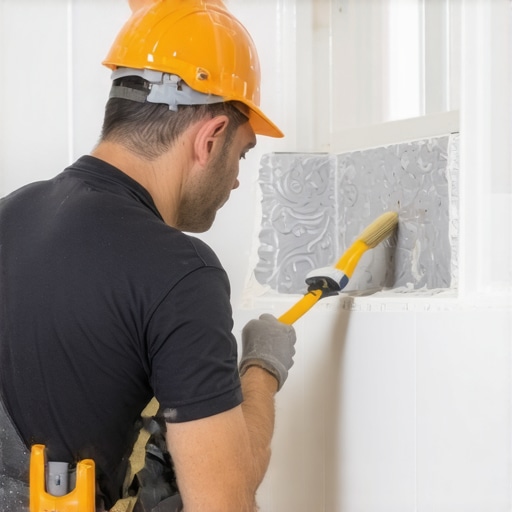
Start by removing any existing tiles or sealants around the niche. Use a chisel and hammer to carefully scrape away old grout and debris, ensuring the area is clean and solid. A dirty or unstable substrate will compromise waterproofing, much like laying a carpet over a dusty subfloor leads to wrinkles. I once neglected this step and ended up peeling out loose tiles days later, costing me time and money. Proper preparation forms the foundation for a durable seal.
Apply the Waterproof Membrane
Choose the Right Product
Opt for a flexible liquid membrane or sheet membrane designed for showers. Liquid membranes, like RedGard, are easy to brush or roll on, providing seamless coverage that mimics painting a wall—without the drips. I recall applying RedGard and feeling relieved at how smoothly it spread, eliminating any gaps where water could sneak through.
Seal the Niche Edges Properly
Use a high-quality, mold-resistant waterproof tape or fabric along all corners and seams before applying the membrane. This is akin to reinforcing a sock with stitching before washing—adding strength where leaks are most likely. I once forgot to tape a corner, and within weeks, water seeped behind the tiles, forcing me to redo the entire niche. Don’t underestimate this step; it’s your first line of defense.
Incorporate Proper Drainage Slope
Ensure the shower floor and niche slope slightly towards the drain. Use a dry pack mortar mix to form a gentle 1/4-inch per foot slope, much like tilting a tray to keep liquid from spilling. I learned this by trial and error—my first attempt had a flat floor, causing water to pool, which accelerated mold growth and tile failure. Correct slope directs water away efficiently and prolongs your installation’s life.
Seal All Penetrations Carefully
Where pipes or wires enter the niche, apply a bead of high-quality silicone or polyurethane sealant, pressing it firmly into all gaps. Think of it as plugging holes in a boat—it keeps water out even if waves hit unexpectedly. When I installed a shower niche early on, I skipped sealing around a pipe, leading to slow leaks I discovered only during remodel. Proper sealing at penetrations is essential for a truly waterproof niche.
Finish with a Protective Coating
Once tiles are set, apply a clear, waterproof sealant over grout joints and corners for added protection. This acts like a raincoat, preventing moisture from penetrating the grout lines. I once skipped this step, and years later, grout stains marred the clean look I desired. Regular maintenance with this sealant extends your waterproofing’s effectiveness, keeping your bathroom pristine.
Test Before Finalizing
Before sealing up the niche completely, run a water test—plug the drain and pour water into the niche. Watch for leaks or pooling, which indicates your waterproof layer needs reinforcement. I caught a small crack during such a test, fixed it with additional membrane, and avoided catastrophic damage. This step saves headaches down the line and ensures your system is watertight from the start.
By following these concrete steps—starting from surface prep to thorough sealing—you build a robust barrier against water infiltration. Remember, each layer, technique, and seal contributes to preventing leaks and mold, preserving your shower’s integrity for years to come.
 Many homeowners assume that following the basic instructions is enough for a flawless installation, but seasoned professionals know there are nuanced mistakes that can sabotage your project. One of the most widespread misconceptions is that all flooring adhesives are created equal; however, using the wrong type for specific materials or subfloors can lead to premature buckling or gaps. For instance, opting for a generic glue instead of a moisture-resistant adhesive when installing vinyl planks over a damp subfloor often results in warping or separation over time.
Another frequent mistake involves underestimating the importance of proper expansion gaps, especially with laminate or hardwood flooring. Ignoring these spaces can cause the floor to buckle as the material expands. According to a recent study from the flooring expert panel, leaving a gap of at least 1/4 inch along walls and obstacles prevents this issue and allows for natural expansion, preserving the integrity of the installation.
Are You Ventilating Your Shower Correctly? The Advanced Questions The Pros Ask
Many do not realize that proper ventilation isn’t just about the fan size but also about the placement and the airflow dynamics. An improperly positioned exhaust fan can leave stubborn moisture lingering in corners and behind tiles, leading to mold and deterioration. Expert advice suggests installing an inline fan system that ensures continuous airflow, particularly in large or high-ceiling bathrooms. This approach is backed by recent research indicating that optimized ventilation significantly reduces mold growth and extends the lifespan of shower components.
When installing baseboards, a common error is neglecting to pre-drill nail holes or using nails that are too short for thick walls. This oversight often results in loose or popped-off baseboards over time. For wavy walls and uneven surfaces, I recommend consulting specialized techniques such as the back-shimming method, which ensures a secure fit and a clean look. Additionally, when replacing or installing new baseboards, paying attention to the miter angles and using a high-quality miter saw drastically improves corner consistency, avoiding awkward gaps and the infamous ‘miter pop.’
Carpet installation also harbors its share of pitfalls. Many assume that stretching the carpet tightly is always better, but over-stretching can lead to wrinkling or pulling away from the tack strips. In contrast, insufficient tension results in a loose feel underfoot and an unprofessional appearance. The key lies in the double-stretch technique, which involves stretching the carpet twice during installation, as explained in this guide. This method reduces buckling and ensures a smooth, durable surface that withstands foot traffic. Remember, the padding beneath the carpet also plays a crucial role in overall comfort and longevity; crumbling padding can cause unevenness and additional wear, so replacing old padding before installation is a step many overlook but should not.
In all these cases, rushing or skipping critical steps often leads to costly repairs down the line. Do yourself a favor: research the specifics for your project, and consider consulting with experienced pros for tricky areas. Proper planning, precise execution, and understanding the nuances make the difference between a fleeting fix and a lasting masterpiece. Have you ever fallen into this trap? Let me know in the comments! Click here to get in touch with specialists who can help refine your approach.
Keeping it Working: Tools I Recommend for a Standout Finish
Investing in the right tools not only streamlines your projects but also extends their longevity. For shower waterproofing, I swear by a high-quality silicone gun and a precision-notch putty knife; they allow me to apply sealants smoothly and reach stubborn corners without mess. When it comes to flooring, a tungsten-carbide pencil marks the tough cuts, and a rubber mallet—like the one I recommend—helps snap planks into place without damage. For baseboards, I use a fine-tipped caulk spatula for perfect joints and a back-beveling tool to ensure tight miter cuts, making your trim look professionally finished.
Maintaining these tools is equally critical. Regular cleaning prevents dust and dried sealant from impairing their function, and sharpening your pencils ensures precise marking. For power tools, a quick blade check and lubrication routine preserve performance over years, especially when working in moisture-rich environments like bathrooms. Choosing durable, well-maintained equipment reduces the need for costly replacements and keeps your projects on track.
Future of DIY Maintenance Tools
The trend leans toward cordless, multi-functional devices equipped with smart sensors for real-time performance feedback. Imagine a sweeping laser level that automatically adjusts for wall irregularities or a waterproof adhesive that signals when the bond is at optimal strength. As technology advances, expect innovation to make maintaining showers, flooring, and baseboards even more intuitive and reliable.
How do I keep my installations in top shape over time?
Routine inspections are your best bet. Check grout lines and sealants annually, especially in high-moisture zones, using a good-quality moisture meter—something like the sealant flexibility tip—to spot potential issues early. Reapply sealants before deterioration begins; this simple habit prevents leaks that can cause more extensive damage later. For flooring, I recommend cleaning with gentle, pH-neutral cleaners to avoid degrading adhesives or sealants. When in doubt, consult expert advice on products that fit your specific materials, like the tips shared on renovation ideas.
Don’t forget about the baseboards. Regularly inspect for gaps or loose nails, and use a touch of wood glue or caulk to seal minor gaps—see simple updates for inspiration. Establishing a maintenance routine now will save you from expensive repairs down the line and keep your space looking sharp for years.
Try incorporating a scheduled maintenance checklist into your home care routine, including cleaning, inspecting, and re-sealing, especially after seasonal changes or home renovations. This practice will become second nature and significantly extend your project’s lifespan.
Ever wondered what truly separates an ordinary home from a showstopper? While curb appeal might seem like just a fresh coat of paint or a new mailbox, the real magic lies in the details that most homeowners overlook. Having worked in the remodeling space for years, I’ve uncovered some insider tricks that can elevate your property’s appearance effortlessly and affordably.
Lessons from the Field: What I Wish I Knew When Starting Out
- Skip the cliché landscaping: Filling your yard with generic shrubs won’t impress anyone. Instead, focus on native plants that thrive locally; they require less maintenance and make your home stand out. My first attempt with trendy annuals lasted mere weeks, but native perennials provided year-round beauty with minimal effort.
- Lighting is a game-changer: Proper exterior lighting highlights architectural features and adds safety. I once neglected this and ended up with a dark, uninviting porch — a simple string of solar lights transformed the vibe overnight.
- Quality over quantity in hardware: Swapping out cheap door handles and house numbers for durable, stylish options instantly upgrades your facade. Investing in small details like this saved me from repainting or replacing these elements every few years.
- Repurpose and innovate: Repurposing old materials, like weathered wood for deck accents, adds charm and individuality. I learned that blending modern fixtures with vintage finds creates a unique, welcoming ambiance that resonates with visitors.
Dedicated Resources That Elevate My Curb Appeal Game
- Durable flooring tips — This resource helped me understand how high-quality materials make a lasting impression and prevent frequent repairs, keeping my house looking sharp for years.
- Baseboard trends in 2025 — Staying updated on the latest styles inspired me to choose details that were both trendy and timeless, avoiding outdated looks that ruin curb appeal over time.
- Transforming showers — Even small upgrades in outdoor areas, like a stylish water feature or a sleek fountain, can create a luxurious feel, making visitors feel welcomed and impressed.
- Understanding structural details — Learning about seemingly minor elements ensures that your outdoor updates are not just attractive but also durable and long-lasting.
Step Into Action and Transform Your Home’s First Impression
Don’t let your home’s potential gather dust behind overlooked details. With a little insider knowledge and the right resources, you can craft a curb appeal that captures attention and elevates your living space’s value. It’s about making smart choices that stand the test of time, blending function with beauty seamlessly. So, what small change will you make today to boost your home’s curb appeal? Drop your ideas below—I’d love to hear how you’re planning to elevate your property!
}]}#}#}#}#}#}#}#}#}#}#}#}#}#}#}#}#}#}#}#}#}#}#}#}#}#}#}#}#}#}#}#}#}#}#}#}#}#}#}#}#}#}#}#}#}#}#}#}#}#}#}#}#}#}#}#}#}#}#}#}#}#}#}#}#}#}#}#}#}#}#}#}#}#}#}#}#}#}#}#}#}#}#}#}#}#}#}#}#}#}#}#}#}#}#}#}#}#}#}#}#}#}#}#}#}#}#}#}#}#}#}#}#}#}#}#}#}#}#}#}#}#}#}#}#}#}#}#}#}#}#}#}#}#}#}#}#}#}#}#}#}#}#}#}#}#}#}#}#}#}#}#}#}#}#}#}#}#}#}#}#}#}#}#}#}#}#}#}#}#}#}#}#}#}#}#}#}#}#}#}#}#}#}#}#}#}#}#}#}#}#}#}#}#}#}#}#}#}#}#}#}#}#}#}#}#}#}#}#}#}#}#}#}#}#}#}#}#}#}#}#}#}#}#}#}#}#}#}#}#}#}#}#}#}#}#}#}#}#}#}#}#}#}#}#}#}#}#}#}#}#}#}#}#}#}#}#}#}#}#}#}#}#}#}#}#}#}#}#}#}#}#}#}#}#}#}#}#}#}#}#}#}#}#}#}#}#}#}#}#}#}#}#}#}#}#}#}#}#}#}#}#}#}#}#}#}#}#}#}#}#}#}#}#}#}#}#}#}#}#}#}#}#}#}#}#}#}#}#}#}#}#}#}#}#}#}#}#}#}#}#}#}#}#}#}#}#}#}#}#}#}#}#}#}#}#}#}#}#}#}#}#}#}#}#}#}#}#}#}#}#}#}#}#}#}#}#}#}#}#}#}#}#}#}#}#}#}#}#}#}#}#}#}#}#}#}#}#}#}#}#}#}#}#}#}#}#}#}#}#}#}#}#}#}#}#}#}#}#}#}#}#}#}#}#}#}#}#}#}#}#}#}#}#}#}#}#}#}#}#}#}#}#}#}#}#}#}#}#}#}#}#}#}#}#}#}#}#}#}#}#}#}#}#}#}#}#}#}#}#}#}#}#}#}#}#}#}#}#}#}#}#}#}#}#}#}#}#}#}#}#}#}#}#}#}#}#}#}#}#}#}#}#}#}#}#}#}#}#}#}#}#}#}#}#}#}#}#}#}#}#}#}#}#}#}#}#}#}#}#}#}#}#}#}#}#}#}#}#}#}#}#}#}#}#}#}#}#}#}#}#}#}#}#}#}#}#}#}#}#}#}#}#}#}#}#}#}#}#}#}#}#}#}#}#}#}#}#}#}#}#}#}#}#}#}#}#}#}#}#}#}#}#}#}#}#}#}#}#}#}#}#}#}#}#}#}#}#}#}#}#}#}#}#}#}#}#}#}#}#}#}#}#}#}#}#}#}#}#}#}#}#}#}#}#}#}#}#}#}#}#}#}#}#}#}#}#}#}#}#}#}#}#}#}#}#}#}#}#}#}#}#}#}#}#}#}#}#}#}#}#}#}#}#}#}#}#}#}#}#}#}#}#}#}#}#}#}#}#}#}#}#}#}#}#}#}#}#}#}#}#}#}#}#}#}#}#}#}#}#}#}#}#}#}#}#}#}#}#}#}#}#}#}#}#}#}#}#}#}#}#}#}#}#}#}#}#}#}#}#}#}#}#}#}#}#}#}#}#}#}#}#}#}#}#}#}#}#}#}#}#}#}#}#}#}#}#}#}#}#}#}#}#}#}#}#}#}#}#}#}#}#}#}#}#}#}#}#}#}#}#}#}#}#}#}#}#}#}#}#}#}#}#}#}#}#}#}#}#}#}#}#}#}#}#}#}#}#}#}#}#}#}#}#}#}#}#}#}#}#}#}#}#}#}#}#}#}#}#}#}#}#}#}#}#}#}#}#}#}#}#}#}#}#}#}#}#}#}#}#}#}#}#}#}#}#}#}#}#}#}#}#}#}#}#}#}#}#}#}#}#}#}#}#}#}#}#}#}#}#}#}#}#}#}#}#}#}#}#}#}#}#}#}#}#}#}#}#}#}#}#}#}#}#}#}#}#}#}#}#}#}#}#}#}#}#}#}#}#}#}#}#}#}#}#}#}#}#}#}#}#}#}#}#}#}#}#}#}#}#}#}#}#}#}#}#}#}#}#}#}#}#}#}#}#}#}#}#}#}#}#}#}#}#}#}#}#}#}#}#}#}#}#}#}#}#}#}#}#}#}#}#}#}#}#}#}#}#}#}#}#}#}#}#}#}#}#}#}#}#}#}#}#}#}#}#}#}#}#}#}#}#}#}#}#}#}#}#}#}#}#}#}#}#}#}#}#}#}#}#}#}#}#}#}#}#}#}#}#}#}#}#}#}#}#}#}#}#}#}#}#}#}#}#}#}#}#}#}#}#}#}#}#}#}#}#}#}#}#}#}#}#}#}#}#}#}#}#}#}#}#}#}#}#}#}#}#}#}#}#}#}#}#}#}#}#}#}#}#}#}#}#}#}#}#}#}#}#}#}#}#}#}#}#}#}#}#}#}#}#}#}#}#}#}#}#}#}#}#}#}#}#}#}#}#}#}#}#}#}#}#}#}#}#}#}#}#}#}#}#}#}#}#}#}#}#}#}#}#}#}#}#}#}#}#}#}#}#}#}#}#}#}#}#}#}#}#}#}#}#}#}#}#}#}#}#}#}#}#}#}#}#}#}#}#}#}#}#}#}#}#}#}#}#}#}#}#}#}#}#}#}#}#}#}#}#}#}#}#}#}#}#}#}#}#}#}#}#}#}#}#}#}#}#}#}#}#}#}#}#}#}#}#}#}#}#}#}#}#}#}#}#}#}#}#}#}#}#}#}#}#}#}#}#}#}#}#}#}#}#}#}#}#}#}#}#}#}#}#}#}#}#}#}#}#}#}#}#}#}#}#}#}#}#}#}#}#}#}#}#}#}#}#}#}#}#}#}#}#}#}#}#}#}#}#}#}#}#}#}#}#}#}#}#}#}#}#}#}#}#}#}#}#}#}#}#}#}#}#}#}#}#}#}#}#}#}#}#}#}#}#}#}#}#}#}#}#}#}#}#}#}#}#}#}#}#}#}#}#}#}#}#}#}#}#}#}#}#}#}#}#}#}#}#}#}#}#}#}#}#}#}#}#}#}#}#}#}#}#}#}#}#}#}#}#}#}#}#}#}#}#}#}#}#}#}#}#}#}#}#}#}#}#}#}#}#}#}#}#}#}#}#}#}#}#}#}#}#}#}#}#}#}#}#}#}#}#}#}#}#}#}#}#}#}#}#}#}#}#}#}#}#}#}#}#}#}#}#}#}#}#}#}#}#}#}#}#}#}#}#}#}#}#}#}#}#}#}#}#}#}#}#}#}#}#}#}#}#}#}#}#}#}#}#}#}#}#}#}#}#}#}#}#}#}#}#}#}#}#}#}#}#}#}#}#}#}#}#}#}#}#}#}#}#}#}#}#}#}#}#}#}#}#}#}#}#}#}#}#}#}#}#}#}#}#}#}#}#}#}#}#}#}#}#}#}#}#}#}#}#}#}#}#}#}#}#}#}#}#}#}#}#}#}#}#}#}#}#}#}#}#}#}#}#}#}#}#}#}#}#}#}#}#}#}#}#}#}#}#}#}#}#}#}#}#}#}#}#}#}#}#}#}#}#}#}#}#}#}#}#}#}#}#}#}#}#}#}#}#}#}#}#}#}#}#}#}#}#}#}#}#}#}#}#}#}#}#}#}#}#}#}#}#}#}#}#}#}#}#}#}#}#}#}#}#}#}#}#}#}#}#}#}#}#}#}#}#}#}#}#}#}#}#}#}#}#}#}#}#}#}#}#}#}#}#}#}#}#}#}#}#}#}#}#}#}#}#}#}#}#}#}#}#}#}#}#}#}#}#}#}#}#}#}#}#}#}#}#}#}#}#}#}#}#}#}#}#}#}#}#}#}#}#}#}#}#}#}#}#}#}#}#}#}#}#}#}#}#}#}#}#}#}#}#}#}#}#}#}#}#}#}#}#}#}#}#}#}#}#}#}#}#}#}#}#}#}#}#}#}#}#}#}#}#}#}#}#}#}#}#}#}#}#}#}#}#}#}#}#}#}#}#}#}#}#}#}#}#}#}#}#}#}#}#}#}#}#}#}#}#}#}#}#}#}#}#}#}#}#}#}#}#}#}#}#}#}#}#}#}#}#}#}#}#}#}#}#}#}#}#}#}#}#}#}#}#}#}#}#}#}#}#}#}#}#}#}#}#}#}#}#}#}#}#}#}#}#}#}#}#}#}#}#}#}#}#}#}#}#}#}#}#}#}#}#}#}#}#}#}#}#}#}#}#}#}#}#}#}#}#}#}#}#}#}#}#}#}#}#}#}#}#}#}#}#}#}#}#}#}#}#}#}#}#}#}#}#}#}#}#}#}#}#}#}#}#}#}#}#}#}#}#}#}#}#}#}#}#}#}#}#}#}#}#}#}#}#}#}#}#}#}#}#}#}#}#}#}#}#}#}#}#}#}#}#}#}#}#}#}#}#}#}#}#}#}#}#}#}#}#}#}#}#}#}#}#}#}#}#}#}#}#}#}#}#}#}#}#}#}#}#}#}#}#}#}#}#}#}#}#}#}#}#}#}#}#}#}#}#}#}#}#}#}#}#}#}#}#}#}#}#}#}#}#}#}#}#}#}#}#}#}#}#}#}#}#}#}#}#}#}#}#}#}#}#}#}#}#}#}#}#}#}#}#}#}#}#}#}#}#}#}#}#}#}#}#}#}#}#}#}#}#}#}#}#}#}#}#}#}#}#}#}#}#}#}#}#}#}#}#}#}#}#}#}#}#}#}#}#}#}#}#}#}#}#}#}#}#}#}#}#}#}#}#}#}#}#}#}#}#}#}#}#}#}#}#}#}#}#}#}#}#}#}#}#}#}#}#}#}#}#}#}#}#}#}#}#}#}#}#}#}#}#}#}#}#}#}#}#}#}#}#}#}#}#}#}#}#}#}#}#}#}#}#}#}#}#}#}#}#}#}#}#}#}#}#}#}#}#}#}#}#}#}#}#}#}#}#}#}#}#}#}#}#}#}#}#}#}#}#}#}#}#}#}#}#}#}#}#}#}#}#}#}#}#}#}#}#}#}#}#}#}#}#}#}#}#}#}#}#}#}#}#}#}#}#}#}#}#}#}#}#}#}#}#}#}#}#}#}#}#}#}#}#}#}#}#}#}#}#}#}#}#}#}#}#}#}#}#}#}#}#}#}#}#}#}#}#}#}#}#}#}#}#}#}#}#}#}#}#}#}#}#}#}#}#}#}#}#}#}#}#}#}#}#}#}#}#}#}#}#}#}#}#}#}#}#}#}#}#}#}#}#}#}#}#}#}#}#}#}#}#}#}#}#}#}#}#}#}#}#}#}#}#}#}#}#}#}#}#}#}#}#}#}#}#}#}#}#}#}#}#}#}#}#}#}#}#}#}#}#}#}#}#}#}#}#}#}#}#}#}#}#}#}#}#}#}#}#}#}#}#}#}#}#}#}#}#}#}#}#}#}#}#}#}#}#}#}#}#}#}#}#}#}#}#}#}#}#}#}#}#}#}#}#}#}#}#}#}#}#}#}#}#}#}#}#}#}#}#}#}#}#}#}#}#}#}#}#}#}#}#}#}#}#}#}#}#}#}#}#}#}#}#}#}#}#}#}#}#}#}#}#}#}#}#}#}#}#}#}#}#}#}#}#}#}#}#}#}#}#}#}#}#}#}#}#}#}#}#}#}#}#}#}#}#}#}#}#}#}#}#}#}#}#}#}#}#}#}#}#}#}#}#}#}#}#}#}#}#}#}#}#}#}#}#}#}#}#}#}#}#}#}#}#}#}#}#}#}#}#}#}#}#}#}#}#}#}#}#}#}#}#}#}#}#}#}#}#}#}#}#}#}#}#}#}#}#}#}#}#}#}#}#}#}#}#}#}#}#}#}#}#}#}#}#}#}#}#}#}#}#}#}#}#}#}#}#}#}#}#}#}#}#}#}#}#}#}#}#}#}#}#}#}#}#}#}#}#}#}#}#}#}#}#}#}#}#}#}#}#}#}#}#}#}#}#}#}#}#}#}#}#}#}#}#}#}#}#}#}#}#}#}#}#}#}#}#}#}#}#}#}#}#}#}#}#}#}#}#}#}#}#}#}#}#}#}#}#}#}#}#}#}#}#}#}#}#}#}#}#}#}#}#}#}#}#}#}#}#}#}#}#}#}#}#}#}#}#}#}#}#}#}#}#}#}#}#}#}#}#}#}#}#}#}#}#}#}#}#}#}#}#}#}#}#}#}#}#}#}#}#}#}#}#}#}#}#}#}#}#}#}#}#}#}#}#}#}#}#}#}#}#}#}#}#}#}#}#}#}#}#}#}#}#}#}#}#}#}#}#}#}#}#}#}#}#}#}#}#}#}#}#}#}#}#}#}#}#}#}#}#}#}#}#}#}#}#}#}#}#}#}#}#}#}#}#}#}#}#}#}#}#}#}#}#}#}#}#}#}#}#}#}#}#}#}#}#}#}#}#}#}#}#}#}#}#}#}#}#}#}#}#}#}#}#}#}#}#}#}#}#}#}#}#}#}#}#}#}#}#}#}#}#}#}#}#}#}#}#}#}#}#}#}#}#}#}#}#}#}#}#}#}#}#}#}#}#}#}#}#}#}#}#}#}#}#}#}#}#}#}#}#}#}#}#}#}#}#}#}#}#}#}#}#}#}#}#}#}#}#}#}#}#}#}#}#}#}#}#}#}#}#}#}#}#}#}#}#}#}#}#}#}#}#}#}#}#}#}#}#}#}#}#}#}#}#}#}#}#}#}#}#}#}#}#}#}#}#}#}#}#}#}#}#}#}#}#}#}#}#}#}#}#}#}#}#}#}#}#}#}#}#}#}#}#}#}#}#}#}#}#}#}#}#}#}#}#}#}#}#}#}#}#}#}#}#}#}#}#}#}#}#}#}#}#}#}#}#}#}#}#}#}#}#}#}#}#}#}#}#}#}#}#}#}#}#}#}#}#}#}#}#}#}#}#}#}#}#}#}#}#}#}#}#}#}#}#}#}#}#}#}#}#}#}#}#}#}#}#}#}#}#}#}#}#}#}#}#}#}#}#}#}#}#}#}#}#}#}#}#}#}#}#}#}#}#}#}#}#}#}#}#}#}#}#}#}#}#}#}#}#}#}#}#}#}#}#}#}#}#}#}#}#}#}#}#}#}#}#}#}#}#}#}#}#}#}#}#}#}#}#}#}#}#}#}#}#}#}#}#}#}#}#}#}#}#}#}#}#}#}#}#}#}#}#}#}#}#}#}#}#}#}#}#}#}#}#}#}#}#}#}#}#}#}#}#}#}#}#}#}#}#}#}#}#}#}#}#}#}#}#}#}#}#}#}#}#}#}#}#}#}#}#}#}#}#}#}#}#}#}#}#}#}#}#}#}#}#}#}#}#}#}#}#}#}#}#}#}#}#}#}#}#}#}#}#}#}#}#}#}#}#}#}#}#}#}#}#}#}#}#}#}#}#}#}#}#}#}#}#}#}#}#}#}#}#}#}#}#}#}#}#}#}#}#}#}#}#}#}#}#}#}#}#}#}#}#}#}#}#}#}#}#}#}#}#}#}#}#}#}#}#}#}#}#}#}#}#}#}#}#}#}#}#}#}#}#}#}#}#}#}#}#}#}#}#}#}#}#}#}#}#}#}#}#}#}#}#}#}#}#}#}#}#}#}#}#}#}#}#}#}#}#}#}#}#}#}#}#}#}#}#}#}#}#}#}#}#}#}#}#}#}#}#}#}#}#}#}#}#}#}#}#}#}#}#}#}#}#}#}#}#}#}#}#}#}#}#}#}#}#}#}#}#}#}#}#}#}#}#}#}#}#}#}#}#}#}#}#}#}#}#}#}#}#}#}#}#}#}#}#}#}#}#}#}#}#}#}#}#}#}#}#}#}#}#}#}#}#}#}#}#}#}#}#}#}#}#}#}#}#}#}#}#}#}#}#}#}#}#}#}#}#}#}#}#}#}#}#}#}#}#}#}#}#}#}#}#}#}#}#}#}#}#}#}#}#}#}#}#}#}#}#}#}#}#}#}#}#}#}#}#}#}#}#}#}#}#}#}#}#}#}#}#}#}#}#}#}#}#}#}#}#}#}#}#}#}#}#}#}#}#}#}#}#}#}#}#}#}#}#}#}#}#}#}#}#}#}#}#}#}#}#}#}#}#}#}#}#}#}#}#}#}#}#}#}#}#}#}#}#}#}#}#}#}#}#}#}#}#}#}#}#}#}#}#}#}#}#}#}#}#}#}#}#}#}#}#}#}#}#}#}#}#}#}#}#}#}#}#}#}#}#}#}#}#}#}#}#}#}#}#}#}#}#}#}#}#}#}#}#}#}#}#}#}#}#}#}#}#}#}#}#}#}#}#}#}#}#}#}#}#}#}#}#}#}#}#}#}#}#}#}#}#}#}#}#}#}#}#}#}#}#}#}#}#}#}#}#}#}#}#}#}#}#}#}#}#}#}#}#}#}#}#}#}#}#}#}#}#}#}#}#}#}#}#}#}#}#}#}#}#}#}#}#}#}#}#}#}#}#}#}#}#}#}#}#}#}#}#}#}#}#}#}#}#}#}#}#}#}#}#}#}#}#}#}#}#}#}#}#}#}#}#}#}#}#}#}#}#}#}#}#}#}#}#}#}#}#}#}#}#}#}#}#}#}#}#}#}#}#}#}#}#}#}#}#}#}#}#}#}#}#}#}#}#}#}#}#}#}#}#}#}#}#}#}#}#}#}#}#}#}#}#}#}#}#}#}#}#}#}#}#}#}#}#}#}#}#}#}#}#}#}#}#}#}#}#}#}#}#}#}#}#}#}#}#}#}#}#}#}#}#}#}#}#}#}#}#}#}#}#}#}#}