

Have you ever stared at your newly installed baseboards, only to notice those pesky gaps where the corners meet? I remember the first time I saw a corner with an unsightly gap, and honestly, it felt like a small defeat. No matter how carefully I cut or how much caulk I slathered, there was always that nagging imperfection. The lightbulb moment came when I realized I’d been missing an essential step—something simple, yet incredibly effective: the Stop Baseboard Miter Separation with the Wood-Glue Rub Technique.
Why Proper Mitered Corners Make or Break Your Finish
When I started focusing on my baseboard joints, I discovered an entire world of detail that can truly elevate the look of a room. Poorly sealed mitered corners not only look amateurish; they can lead to long-term issues like separation, cracks, and dirt accumulation. The secret lies in understanding that these joints are as much about technique as they are about patience. And trust me, a little-known method called the wood-glue rub technique has completely transformed my finishing game.
Is This Technique Really Worth the Hype?
Early on, I was skeptical. I’d seen tutorials touting all kinds of tricks, but I messed up my first few attempts, ending up with more gaps and glue smudges than I could count. I made the mistake of rushing, which only worsened the separation. But once I learned to apply glue just right and rub it smoothly into the miters—without excessive squeezing or mess—it became my go-to fix, saving time and frustration. If you want professional-looking corners without the need for constant touch-ups, this method is worth trying. Want more tips for flawless finishes? Check out these baseboard makeover tricks.
By mastering this simple technique, I could ensure tight, seamless corners that last. If you’ve faced the same battles with gaps and separation, I promise you’re not alone—and better, I’ve got you covered. Let’s dive into the step-by-step process so you can upgrade your finishing game with confidence and style.
Applying the Glue Precisely
Begin by selecting a high-quality wood glue; avoid generic brands that may not bond well. Use a small, disposable brush or toothpick to apply a thin, even layer of glue into the mitered joint, focusing on the inner corners. Don’t squeeze the tube; a little goes a long way. The goal is to avoid excess glue oozing out, which can cause mess and misalignment.
Positioning and Clamping
Carefully align the mitered corners and press them together, ensuring the joint is tight. Use painter’s tape to hold the pieces temporarily if needed. For better control, approach the joint from different angles to check the fit—this is like adjusting a puzzle piece for a perfect match.
The Rub Technique: Smooth and Secure
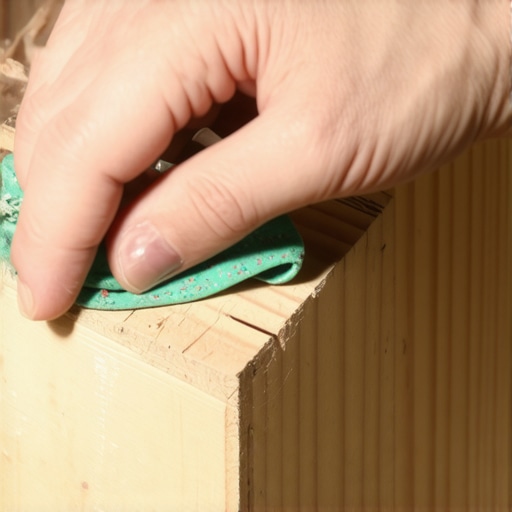
Once the glue is in place and the pieces are aligned, take a clean cloth or your finger (with a glove) and gently rub along the joint. This removes excess glue and presses the adhesive into the wood fibers, ensuring maximum bond. Think of it like smoothing out a wax seal—firm, even pressure creates a tight, seamless finish. During my first attempt, I rushed this step, resulting in gaps and unevenness. After slowing down and carefully rubbing, the joint tightened beautifully, preventing future separation.
Cleaning and Finishing
After the glue has dried (refer to the manufacturer’s drying time), gently remove any remaining glue smudges with a damp cloth. Lightly sand the joint for a flush finish, being cautious not to damage the surrounding paint or finish. For a professional look, consider applying a matching caulk or filling any minor imperfections, but only after confirming the joint’s stability.
Why This Method Works Better Than Caulk
Unlike relying solely on caulk, which can shrink or crack over time, this wood-glue rub method creates a solid, durable bond that lasts. I once skipped this step in a rush, and my corners separated within months. Now, I never skimp on the rub—this small extra effort makes a significant difference. For more quick tips on finishing touches, check out these baseboard makeover tricks.
Pro Tip: Practice for Flawless Results
If you’re new to this, practice on scrap pieces of wood or leftover baseboard segments. You’ll learn how much pressure to apply and how to control the glue application. Consistency is key, and over time, your corners will rival those of a professional. Remember, patience and precision define a clean, gap-free finish. Once mastered, this technique will be your go-to for finalizing perfect miters that require minimal touch-up.
 While many homeowners accept standard advice on installing carpets, showers, and baseboards, there are nuanced mistakes even seasoned DIYers often overlook. For instance, a widespread misconception is that simply following surface-level instructions guarantees a professional finish. However, successful installation demands understanding the subtle details that can make or break your project. A frequent trap is underestimating the importance of proper surface preparation; neglecting this step can lead to long-term issues like uneven floors or water damage, despite using the best materials. For example, did you know that in flooring installation, uneven subfloors can cause distress not visible immediately but lead to squeaks and gaps over time? Ensuring a flat, stable base isn’t just a recommendation; it’s a necessity supported by industry standards, as noted in “[Your Guide to Durable Flooring Installation](https://tilecraftsmens.com/your-guide-to-durable-flooring-installation-for-a-stylish-home)”.
Investing in Quality Tools for Long-Term Results
Choosing the right tools isn’t just about making the job easier; it’s about ensuring durability and professional-grade outcomes. I always recommend a high-quality pneumatic flooring nailer for hardwood installations. Its consistency reduces wood splitting and ensures every nail sets perfectly, maintaining the integrity of your flooring over years. For shower renovations, a digital moisture meter is invaluable. It allows you to monitor moisture levels precisely, preventing issues like mold or warping, which tend to develop if supplies are not adequately dry before sealing or tiling. Personally, I rely on the MoistureMaster Pro because of its quick readings and reliability.
What Are the Best Maintenance Strategies for Flooring and Showers?
Consistent routine checks and proper cleaning extend the lifespan of your installations. For flooring, I suggest monthly dust mopping to prevent debris buildup that can scratch surfaces. Applying a protective finish annually—such as polyurethane for wood or epoxy for concrete—keeps the surface sealed against stains and moisture. In showers, regular inspection of grout lines for cracks and re-sealing with a high-quality silicone caulk prevents water seepage, long before any visible damage occurs. Updating to modern waterproofing membranes can also be a game-changer in maintaining a leak-proof shower.
Tools I Recommend for Easy Maintenance
To maintain your flooring, a microfiber dust mop paired with a damp, not wet, microfiber cloth becomes your best friend. For stubborn stains or deep cleaning, I recommend a buffing machine with an adjustable speed setting—like the BufferMax 3000—because it evenly restores surface gleam without causing damage. When it comes to showers, a handheld grout brush with stiff bristles helps keep your tile lines pristine. Additionally, an ultrasonic leak detector can identify hidden issues early, saving you big bucks down the line. Remember, timely maintenance and the right tools make all the difference in preserving your home’s beauty.
Future Trends in Home Maintenance Tools
Looking ahead, smart home sensors that monitor moisture and humidity are becoming more accessible and affordable. These devices can send alerts directly to your smartphone, ensuring problems like leaks are caught immediately, reducing damage and repair costs. Integrating such technology into your routine is a proactive step toward sustainable home ownership. According to BuildingGreen, the trend towards intelligent maintenance tools is expected to surge in the next few years, making DIY upkeep even more efficient and less guesswork.
How Do I Keep My Floors and Showers Looking Brand New Over Time?
One effective strategy is scheduling bi-annual professional inspections. Even if everything seems fine, experts can identify early signs of wear or damage. For flooring, this could mean reapplying protective coatings or adjusting loose boards before major repairs are needed. For showers, sealing joints and inspecting for hidden leaks are critical steps. Additionally, adopting techniques like using microfiber cloths instead of abrasive scrubbers prevents surface scratches, maintaining your home’s aesthetic for decades. Remember, a proactive approach combined with quality tools ensures your investments stay beautiful longer.
If you’re interested in elevating your maintenance game, consider trying advanced sealants like nano-coatings, which create an invisible, breathable barrier protecting your surfaces against moisture and stains. Implementing these innovations can save time and money, and they’ll keep your home looking impeccable for years to come. For more detailed advice, explore this comprehensive guide.
Lessons Only Experience Can Teach About Baseboard Perfection
- One of my biggest lightbulb moments was realizing that rushing through the glue application often causes gaps. Patience in every step isn’t just a virtue—it’s a necessity for a flawless finish.
- I used to think that caulking alone could fix imperfect miters, but consistent use of the wood-glue rub technique has shown me that durable, professional-looking corners are built on proper adhesion and smooth finishing.
- Mastering the principle of minimal glue and gentle rubbing transformed my approach from patchwork to perfection, teaching me that small details have the biggest impact on longevity.
- Over time, I learned that practice on scrap pieces boosts confidence and sharpens technique—saving time and preventing costly mistakes on the real project.
- Finally, understanding that the quality of tools directly affects results made me invest in better brushes and clamps, which now make the entire process more enjoyable and successful.
Tools and Resources That Elevate My Home Projects
- High-Quality Wood Glue: I trust brands like Titebond because they bond well and dry clear, ensuring my corners stay tight for years.
- Precision Applicators: A small brush or toothpick helps me control glue exactly where I need it, reducing mess and misalignment.
- Clamping Devices and Painter’s Tape: These keep pieces held securely and aid in achieving perfect miters without slipping.
- Scrap Wood Samples: Practicing on leftovers helps me refine my technique before tackling critical corners.
- Educational Guides and Tutorials: I recommend exploring step-by-step instructions from trusted sources, like my favorite [detailed DIY guide on durable flooring installation](https://tilecraftsmens.com/your-guide-to-durable-flooring-installation-for-a-stylish-home), to build confidence and expand skills.
Keep Moving Forward and Elevate Your Home Finish
The journey to perfect baseboards—and by extension, a more beautiful home—is ongoing. Every project teaches us something new, and the mastery of techniques like the wood-glue rub ensures your craftsmanship stands the test of time. Don’t wait for perfection; start today, and remember to celebrate each small victory along the way. Your dedication will reflect in the stunning, seamless results that transform your space into a true reflection of your effort and care. Ready to tackle the next home improvement challenge? Share your experiences or questions below—I’d love to hear your story.