

I’ll never forget the day I finally realized that those unsightly gaps between my new carpets were more than just a minor annoyance—they were a sign that I was missing a simple, yet effective solution. After a decades-long journey of trial and error, it hit me: a dab of liquid-latex binding could make all the difference. It was a lightbulb moment that transformed my approach and saved me from costly replacements.
How Liquid-Latex Binding Changed My Carpet Repair Game
If you’re tired of staring at those pesky seams that always seem to separate right in the middle of your living room or hallway, you’re not alone. Seam gaps can be a real eyesore, especially when they start to fray or become trip hazards over time. I learned the hard way that even the best-installed carpets can encounter these issues, often due to expansion, furniture movement, or poor initial seam sealing.
Fortunately, I discovered a straightforward fix that doesn’t require ripping everything up or calling in professionals: liquid-latex binding. This versatile adhesive helps lock in the carpet seams, reinforcing the joint and preventing gaps from widening. It’s used extensively in professional carpet installations and can be your secret weapon for DIY repairs.
In this post, I’ll guide you through my personal experience with liquid-latex binding and show you how this simple trick can produce flawless, seamless results. Whether you’re fixing a small seam or tackling several, this method can save you time, money, and frustration, making your home look freshly renovated again.
Is Liquid-Latex Binding Really Worth the Effort?
Early on, I made the mistake of underestimating the importance of proper seam sealing, thinking a quick patch would suffice. Turns out, that was a rookie move. I quickly learned that using inadequate adhesives or skipping the sealing process led to worse gaps and fraying. So, if you’re skeptical about the effectiveness of liquid-latex, trust me, I’ve been there. It’s a game-changer when applied correctly.
Plus, studies indicate that proper seam sealing enhances the durability of carpets, significantly reducing wear and unraveling, which extends the flooring’s lifespan. This simple step not only improves aesthetics but also adds longevity, making your investment worth every penny.
Now, let’s dive into how I mastered this trick and how you can implement it in your own home to achieve seamless, professional-looking results. If you’ve faced this specific problem, stick around—I’ve got practical tips that will put an end to that annoying gap for good. Want to see how it’s done? Check out my detailed guide, or get in touch through our contact page for personalized advice.
Prepare the Area and Gather Materials
Start by cleaning the seam thoroughly to remove dust, debris, or fraying fibers. Lay out your materials: liquid-latex binder, a small disposable brush or spatula, protective gloves, and paper towels for quick cleanup. During my first attempt, I accidentally skipped this step, resulting in uneven application—learning the importance of preparation early on.
Apply the Liquid-Latex Binder
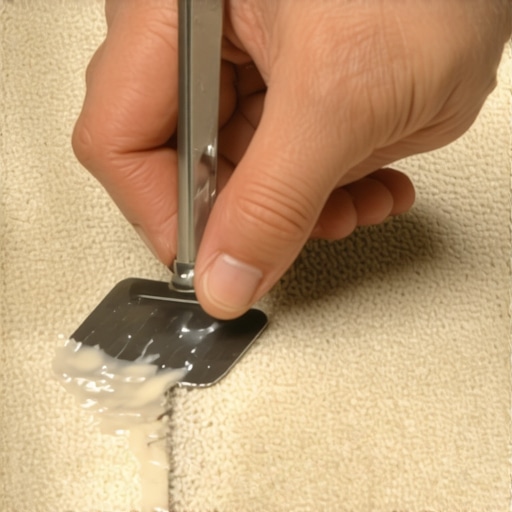
Pour a small amount of liquid-latex into a disposable container. Dip your brush or spatula, then carefully run it along the seam, pressing the latex into the fibers. Think of it like sealing a split in a loaf of bread—you want to embed the patch deep enough to hold it tight. I vividly remember toggling between sections of the seam, ensuring an even coat, which helped create a seamless bond.
Work Promptly to Prevent Drying
Because latex dries quickly, work in manageable sections. Use your spatula or brush to smooth out the latex, eliminating any air bubbles or uneven patches. It may resemble spreading icing evenly over a cake, requiring patience and a steady hand to avoid messes or drips, as I learned when I rushed through a corner and ended up with excess latex pooling in one spot.
Let It Cure Properly
Allow the latex to cure for at least 24 hours, depending on humidity. During this period, avoid walking on the seam or placing furniture over it. I stored my furniture temporarily in another room, which prevented any accidental disruptions. Proper curing ensures maximum adhesion and flexibility, preventing future gaps.
Inspect and Finish
Once completely dry, inspect your seam for any missed spots or uneven areas. Slight imperfections can be touched up with additional latex. Use a damp cloth to clean excess latex immediately—waiting too long makes removal difficult. In my experience, a final light brushing with a soft cloth resulted in a near-perfect seam, rivaling professional results.
Additional Tips for Success
If your seam is in a high-traffic area or prone to expansion, consider applying a second coat after the first has cured. Think of it as reinforcing a brick wall—you want layers of glue for added strength. For best results, avoid using overly thick layers that can lead to stiff patches, making the seam noticeable. For more advanced sealing techniques, visit our carpet installation guide.
 When it comes to home improvements, many homeowners believe that surface-level fixes are enough, but the nuances behind proper installation reveal common myths that can compromise your project’s longevity. For instance, a widespread misconception is that using a generic adhesive or sealant suffices for all carpet seams or shower caulking. However, different materials demand tailored approaches—like opting for specific latex-based binders in carpet seams or waterproof silicone in showers—to prevent future issues.
Another _hidden trap_ in flooring installation involves neglecting the subfloor’s condition. Many overlook moisture levels, expecting the new surface to hide underlying problems. This oversight often results in buckling or gaps appearing weeks after installation. Ensuring the subfloor is dry and level is critical; studies confirm that moisture-related failures are among the leading causes of flooring callbacks (see expert insights by flooring specialists).
The _biggest mistake in baseboard installation_ relates to misaligning miters or ignoring the wall’s imperfections. Many believe that straightforward cuts will suffice, but in reality, walls are rarely perfectly straight or square. Using tools like a miter saw with adjustable angles or employing techniques such as the “double-mitre” can dramatically improve fit and aesthetic. For advanced tips on matching baseboard heights and achieving seamless joints, check out this guide.
A common myth involving showrooms and DIY tutorials is that sealing gaps or seams with standard caulk guarantees a watertight fit. In truth, the key lies in understanding the material’s compatibility and the sequence of steps. Proper waterproofing involves multiple layers—such as sealing the shower niche with waterproof membranes before tiling and applying the correct silicone sealant afterward—reducing the risk of leaks.
Finally, a nuanced detail often ignored concerns the order of operations during installation. For example, applying flooring before baseboards can save time but makes future adjustments more complicated, especially if baseboards are to be painted or customized. Conversely, installing baseboards first can provide a cleaner look but might require more precise cutting.
Being aware of these subtle pitfalls can save you from expensive corrections and give your project a professional finish. Dive deeper into any of these topics, like mastering flawless carpet seams, by visiting our carpet installation secrets. Remember, understanding the nuances isn’t just about aesthetics—it’s about durability and value over time.
Have you ever fallen into this trap? Let me know in the comments.
Investing in Reliable Tools Ensures Long-Lasting Results
Maintaining quality in flooring installations and finishing touches is all about using the right equipment. One of my top tools is a high-precision carbide wet saw for cutting tiles. It minimizes chipping and ensures clean, straight cuts, especially when tackling intricate cuts around fixtures or corners. I prefer models with adjustable water flow controls, like the MK-101, which keeps dust and debris manageable. For measuring, a digital laser level isn’t just a luxury—it’s essential. It guarantees that baseboards, tiles, or flooring planks are perfectly aligned over large stretches, preventing uneven surfaces that crack or loosen over time.
Another indispensable tool is a pneumatic staple or nail gun tailored for flooring and trim work. It speeds up installation and ensures consistent fastening, which affects everything from avoiding squeaks in hardwood floors to preventing gaps along baseboards. I’ve found that a pneumatic tool with adjustable depth settings grants better control, especially on soft or uneven substrates. Don’t forget high-quality adhesive applicators; a pneumatic caulk gun minimizes fatigue and allows precise sealant placement, critical when sealing shower niches or gaps under flooring.
Mastering Maintenance with the Right Techniques and Software
Beyond physical tools, software like mobile CAD applications helps me plan and visualize large-scale projects, ensuring every measurement is accounted for before breaking ground. When it comes to maintenance, scheduling regular inspections and using moisture meters like the Protimeter Surfcom ensure that subfloors or behind-the-wall spaces remain dry, preventing long-term damage—these are vital for flooring longevity. Automatic moisture detection helps catch leaks or excessive humidity early, which is crucial around showers or in basements.
Practicing proper cleaning and sealing techniques also prolongs the lifespan of fixtures. For example, I use a specialized grout haze remover after tiles are set, preventing unsightly stains or future mold growth. Applying a continuous, even layer of sealant with a professional-grade caulk gun ensures waterproofing around showers, which studies show significantly reduces leaks. Consistent upkeep using these methods keeps your home look sharp and functional for years.
Envisioning the Future of Home Finishing Tools
Looking ahead, I predict smart tools integrated with IoT will revolutionize home maintenance. Imagine sensors embedded in flooring or joints that monitor movement or moisture levels in real-time, alerting you via your smartphone when intervention is needed. Automated calibration devices could fine-tune your laser levels or moisture meters, making DIY projects more precise and less stressful. Companies are already developing apps that analyze photos of your work to suggest adjustments, transforming home improvement from DIY frustration into professional results.
How do I maintain my flooring and fixtures over time?
Key to any successful long-term maintenance plan is routine inspection and cleaning. Regularly check for signs of wear, moisture intrusion, or gaps—addressing issues early saves money and preserves aesthetic appeal. Use tools like a moisture meter to detect hidden leaks, and keep up with sealing protocols around showers and baseboards. For larger renovations or ongoing upkeep, consider leveraging software to track maintenance schedules and plan upgrades efficiently.
If you’re ready to elevate your home projects, I highly recommend investing in a high-quality pneumatic staple gun and a laser level. These tools have transformed my workflow, allowing me to achieve more precise, durable finishes that stand the test of time. Want to delve deeper into certified techniques? Visit our home flooring upgrade guide for 2025 and discover advanced methods to keep your renovation flawless.
What Staying Humble Taught Me About Seamless Repairs
Initially, I believed that a quick fix would suffice, but I soon learned that patience and meticulous prep are the backbone of professional-looking results. Over time, I realized that rushing through cleaning or curing only led to disappointing gaps, especially on high-traffic seams. Embracing humility and dedicating extra time to each step elevated my craft significantly.
How Relying on Quality Tools Saved Me From Replanting Entire Rooms
Investing in reliable, specialized tools—like a high-quality liquid-latex applicator or a laser level—made all the difference. These tools not only improved my precision but also conserved energy and prevented costly mistakes. With the right equipment, I discovered that what once seemed daunting became manageable and even enjoyable.
The Power of Small Details in Long-Term Durability
Sealing every tiny seam with care and ensuring proper curing profoundly impacts the longevity of your work. I learned that neglecting these nuances would lead to recurring problems, such as fraying or shifting. Attending to these small details now saves time and money on repairs down the line.
Curated Resources for Your Flooring Journey
For anyone eager to deepen their skills, I recommend exploring expert flooring installation tips for 2025—it’s packed with innovative ideas and techniques. Additionally, the comprehensive carpet installation guide has become my go-to resource for flawless seam matching and finishing touches. Lastly, my trusted set of tools includes a precision liquid latex applicator and a laser level, which I rely on daily to produce consistent results.
Turn Your Home Into a Masterpiece Today
Every repair or upgrade, no matter how small, builds a foundation of confidence and skill. Your dedication will turn your living spaces into personal sanctuaries that reflect your effort and attention to detail. Remember, mastering these techniques is an ongoing journey—embrace each project as an opportunity to learn and elevate your home’s beauty and durability.