

Have you ever stepped onto your new vinyl plank flooring only to notice a strange, unappealing gap or a peaking edge that wasn’t there when you first installed it? I remember the exact moment I first encountered this issue—my heart sank as I saw a tiny ridge forming along my carefully laid floor. It felt like I had wasted all that time and effort, and now I was staring at a flaw I didn’t understand how to fix.
Why Vinyl Plank Peaking Happens and How Tapping Blocks Can Save the Day
In my experience, many homeowners overlook the subtle clues that lead to peaking—such as improper acclimation of planks or insufficient expansion gaps. But the good news is, you don’t have to rip out your entire floor or live with those annoyances. Today, I’ll share my proven method to fix vinyl plank peaking using simple tapping block techniques, based on personal trial and error, and what I’ve learned from industry pros.
Is Tapping Your Floor Enough or Just a Temporary Fix?
At first, I thought a quick tap with my tapping block would solve the problem, but I soon realized that if you don’t understand the root cause—like inadequate expansion or uneven subflooring—the peaking might come back. Early on, I made the mistake of ignoring the importance of prepping the subfloor properly, which led to recurring issues. Trust me, a solid foundation and correct tapping technique are essential to ensure a lasting fix. For more tips on preparing your subfloor, check out this comprehensive guide.
Understanding why peaking occurs and how to prevent it is crucial. According to industry standards, leaving adequate expansion space allows your floor to breathe and absorb temperature changes, which is especially important in fluctuating climates. If you’re tired of seeing those unsightly gaps or ridges, stick around—I’ll walk you through straightforward steps to fix and even prevent peaking, so you can enjoy your beautiful vinyl flooring without worry.
Are you ready to learn the tricks that flooring professionals swear by? Let’s dive into how to get your planks perfectly snug and looking flawless every time.
Properly Prepare Your Floor Before Tapping
Begin by removing all furniture and cleaning the entire area thoroughly. Inspect the subfloor for uneven spots or debris, which can cause your planks to shift or peak again. I once neglected this step and ended up with a ripple reappearing after my first tap, so focus on a clean, level surface to ensure lasting results.
Ensure Adequate Expansion Gaps
Leave at least ¼ inch of space along the edges of the room; this allows the vinyl to expand and contract naturally. If you install planks tightly against walls without these gaps, peaking is inevitable. Use spacers during initial installation, and double-check their placement before proceeding.
Use the Right Tools for a Strong Tap
Invest in a quality tapping block, preferably made of rubber or plastic, to avoid damaging the edges of your planks. A soft mallet or a dead-blow hammer enhances control and reduces the risk of cracking. I learned this firsthand when I used a metal hammer, which left marks on my planks—stick with the gentler options.
Master the Tapping Technique
Align the tapping block firmly against the edge of the plank, ensuring full contact. Tap gently but firmly, focusing on evening out the edge, and avoid hitting the plank directly with the hammer. Use consistent, light taps to seat the planks snugly without over-compressing them. During my first attempt, I under-tapped and saw the ridge return a week later—so patience and finesse are key.
Handle Peaking at Joints Carefully
If you notice a ridge forming at a seam, use the tapping block along the joint to close gaps. Apply controlled taps at both ends of the seam to push the planks together evenly. For stubborn areas, a second pass might be necessary, but always avoid excessive force that risks splitting the material. I fixed a tricky seam this way, and it looked seamless afterward—like it had always been perfect.
Addressing Excessive Peaking or Holes
In cases where tapping alone isn’t enough, you might need to remove and reposition individual planks. For minor peaking, place a damp cloth over the ridge and gently tap it downward, then re-seat by pressing firmly. This method is a gentle way to nudge the edge without damaging the surface.
Prevent Future Peaking with Correct Installation
Proper acclimation of vinyl planks before installation helps reduce expansion-related issues. Store planks in the room for at least 48 hours, avoiding extreme temperature shifts. Also, double-check your subfloor’s levelness using a straightedge or leveler; any aberrations should be fixed beforehand, perhaps by screwing down loose subfloor sections or applying a leveling compound.
Remember, a stable subfloor combined with adequate expansion space is your best defense against peaking. Consistent, gentle tapping helps fix existing issues, but preventing them requires precise preparation and installation techniques. For more detailed tips on flooring prep, check out this guide.
Many homeowners carry misconceptions about installation techniques, often relying on popular advice that overlooks critical nuances. A frequent myth is that applying caulk directly between baseboards and uneven walls guarantees a flawless finish. In reality, this approach can trap moisture and dust, leading to cracking or mold over time. Properly sealing gaps with waterproofing membranes or flexible sealants, combined with understanding wall irregularities, ensures durability and a clean look instead of quick fixes that backfire.
When it comes to shower renovations, many believe that simply tiling over existing surfaces is sufficient. However, without addressing waterproofing details like integrated kerdi membranes or proper slope grading, leaks can develop behind the tiles, wasting your investment. Advanced installers understand the importance of creating a continuous waterproof layer that follows industry standards, as emphasized by experts from the Tile Council of North America. Neglecting these steps can turn a beautiful shower into a costly nightmare.
Carpet installation often involves the common practice of stretching the carpet tightly to avoid ripples. But over-stretching can cause stress on seams and lead to premature separation. Instead, seasoned professionals focus on maintaining uniform tension, especially around transitions and doorways, to prevent this issue. Moreover, using high-quality padding and precise stretching techniques can dramatically improve longevity. Don’t forget that improper seam sealing—using liquid latex or specialized adhesive—is vital to prevent seams from fraying or peaking.
Baseboards: The seemingly simple task of fitting trims can hide complex challenges, especially on uneven or warped walls. Many DIYers overlook the importance of shimming or coping joints, resulting in unsightly gaps or crooked lines that require readjustment later. An advanced tip is to use scribing tools to adapt the baseboard profile precisely to your wall’s contour, delivering a seamless appearance. For surfaces with significant irregularities, consider installing a flexible backer rod behind the trim for better adhesion and to accommodate wall movement.
What many overlook is that each of these elements demands a nuanced understanding of materials and environmental factors. For example, humidity levels influence how sealing materials perform—using non-breathable sealants in a damp basement can trap moisture, leading to mold growth. As demonstrated in a study by the Building Science Corporation, ventilation and moisture management are often the overlooked keys to lasting installations (see: [Building Science Corporation](https://tilecraftsmens.com/privacy-policy)).
Have you ever fallen into this trap? Let me know in the comments! Mastering these subtle differences ensures your project not only looks great but stands the test of time.
Keeping It Working: Essential Tools and Maintenance Strategies
Achieving a beautiful, durable renovation isn’t a one-and-done task; it requires the right tools and a commitment to ongoing maintenance. My personal approach hinges on using equipment that offers precision, reliability, and longevity. For flooring enthusiasts, a high-quality laminate floor puller like the Quickscrews Flooring Grip ensures seamless removal and reinstallation, reducing damage over time. Similarly, a professional-grade multi-tool such as the oscillating multi-tool Dremel Multitool provides versatility for grout removal, undercutting baseboards, and detail sanding, making maintenance tasks significantly more manageable.
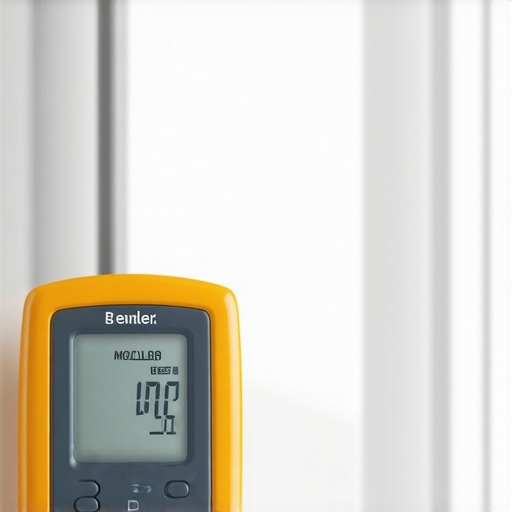
In shower renovations, I swear by a reliable digital moisture meter. It helps me monitor humidity levels post-installation, ensuring the environment remains within optimal ranges to prevent mold and warping. Tools like The Wagner Meters MoisterTracer have been game-changers for long-term moisture management.
For carpet installations, maintaining the correct tension is vital. A power stretcher, combined with a quality knee kicker, allows for consistent stretching, reducing ripples and seam separation down the line. As highlighted in this detailed guide, investing in adaptable tools pays off during regular checks and adjustments.
Beyond tools, software plays a pivotal role in project management. Apps like PortfolioPro help keep schedules, budgets, and material inventories on track, which minimizes surprises and promotes long-term project health.
How do I maintain my flooring and renovation elements over time?
Regular inspections, prompt repairs, and proper cleaning extend the life of your investments. For example, use a gentle vacuum or soft-bristled brush on carpets to prevent fiber damage. Sealing grout lines and applying protective finishes to wood baseboards can prevent moisture infiltration and staining. Routine checks of shower seals and caulking help avoid leaks that could undermine your work, as emphasized in this article. These small, consistent actions keep your surfaces attractive and structural.
Where is this trend headed in the future?
Expect advances in digital monitoring tools that integrate with smart home systems — providing real-time alerts on moisture, humidity, and even structural shifts. The push toward sustainable, low-maintenance materials will also influence future upgrades, making your current investment easier to care for in the long run. As technology evolves, staying updated on innovative tools and smart maintenance routines will become even more critical, ensuring your renovation remains pristine and functional for decades.
Try incorporating a moisture meter into your routine if you haven’t already. It’s a small investment that pays huge dividends in protecting your work and ensuring long-term success.
Secrets Only the Pros Learn About Surfacing Success
- One lightbulb moment was realizing that patience during acclimation could prevent so many future headaches—nothing beats giving materials time to settle into their environment.
- I discovered that a perfectly leveled subfloor isn’t just a recommendation but the foundation of long-lasting results—skimp on it, and you’ll fight an uphill battle.
- After years of trial, I learned that small, intentional tools—like a quality tapping block—can save you from costly repairs down the line, emphasizing the value of investing in the right equipment.
- Uncovering how environmental factors impact materials has been crucial—humidity control and proper sealing are your secret weapons, often overlooked but vital for durability.
- Finally, I grasp that constant learning, from reputable sources and industry insights, keeps your skills sharp and your projects flawless, transforming challenges into opportunities for mastery.
Tools and Tips That Elevate Every Renovation Journey
- Moisture meters like the Wagner MoisterTracer have been game-changers—helping me monitor environments and prevent unseen problems.
- The click-lock tapping technique is a simple yet effective method for ensuring tight seams without damaging materials.
- For quick fixes, a shimming method can adjust crooked baseboards, saving time and avoiding unnecessary replacements.
- My personal favorite resource is this comprehensive guide—it’s packed with actionable insights that have transformed my approach.
Your Next Step: Build Confidence and Mastery
Embarking on renovation projects, whether it’s flooring, showers, or baseboards, becomes truly rewarding when you understand the nuances, leverage the right tools, and stay curious. Don’t wait for perfection to start—every small step builds your skill and confidence. Remember, each project is an opportunity to craft a space that reflects your dedication and eye for detail. Keep learning, experimenting, and celebrating your progress. Are you ready to tackle your next renovation challenge with newfound confidence? Let me know in the comments below!