

It was a sunny Saturday afternoon when I finally decided to upgrade my living room flooring. Excited, I pulled out my new vinyl planks, carefully laid them down, and felt a sense of pride. But then, disaster struck — I noticed tiny scratches appearing near the coffee table within days. My heart sank. That frustrating moment made me realize how delicate vinyl planks can be when it comes to furniture movement. If you’re like me, you’ve probably experienced that sinking feeling of discovering scratches that seem to appear out of nowhere, ruining an otherwise beautiful floor. The good news? There’s a simple, cost-effective fix that can save your floor and your peace of mind: using the right furniture pads.
Why Scratches Are a Bigger Problem Than You Think
Vinyl plank flooring is renowned for its durability and aesthetic appeal, but it’s not invincible. Small scratches can quickly turn into deep gouges, especially if furniture is dragged or shifted without protection. According to flooring experts, scratches not only mar the visual smoothness but can also compromise the floor’s integrity over time, leading to more extensive repairs. Early on, I made the mistake of ignoring the importance of furniture pads, thinking they were unnecessary. That was a costly oversight. As I learned the hard way, every time furniture is moved across unprotected vinyl, tiny abrasions can start forming, eventually becoming noticeable and permanent.
Luckily, this problem is entirely preventable. In our upcoming discussion, I will share how selecting the right furniture pads can make all the difference. You’ll discover easy tips to keep your floors looking pristine for years to come, avoiding costly refinishing or replacement. Trust me, a small investment in furniture pads now can save you hundreds later.
Are Furniture Pads Really Worth the Hype?
Many skeptics dismiss furniture pads as a trivial accessory. I used to think the same—until I saw the difference firsthand. Early on, I bought cheap pads that wore out quickly or didn’t provide enough cushioning. That was a mistake. Quality furniture pads, especially those made of felt or rubber, can absorb shock and prevent scratches effectively. Skimping on them can lead to even more damage, negating any saved money. Remember, a scratched vinyl plank not only looks bad but can also decrease your floor’s lifespan. Proper padding is a small step with a big impact, and it’s worth investing in the right type.
Want to learn more about the best types of furniture pads and how to install them correctly? Visit this guide on furniture protection for expert insights. Now, let’s explore how choosing and applying the right pads can be a game-changer for your flooring.
Select the Perfect Furniture Pads
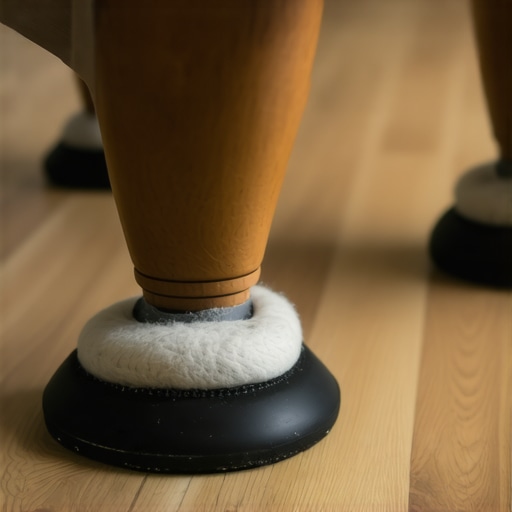
Start by choosing pads made of felt or rubber because they provide cushioning and grip, reducing the risk of scratches. I remember once grabbing cheap foam pads that wore out within weeks, leaving my floor unprotected. After trying felt pads on my coffee table and rubber caster cups on my dining chairs, I noticed a significant decrease in scratches, and my floors looked newer longer.
Measure Your Furniture’s Contact Points
Use a tape measure to find the base dimensions of each piece of furniture—particularly legs, chair bottoms, and table feet. When I measured my sofa legs, I realized they were larger than I thought, so I opted for bigger felt pads that fit snugly. This avoids slipping or uneven weight distribution that can cause scratches or dents.
Prepare Furniture Surfaces
Clean the contact areas thoroughly with a damp cloth to remove dust and debris—dirt can prevent pads from sticking or cushioning properly. I found that wiping surfaces with rubbing alcohol before applying pads made them adhere better and last longer, especially for chairs that get frequent movement.
Apply the Pads Effectively
Position each pad squarely under the contact point, ensuring it covers the entire surface. For instance, I gently pressed felt pads onto the bottom of my coffee table legs, making sure they aligned evenly. Use a small weight or pressing with your hand for about 30 seconds to improve adhesion. If using adhesive-backed pads, follow the manufacturer’s instructions carefully for best bonding.
Secure Loose or Worn Pads
Check periodically—every three to six months—and replace or re-adhere pads that have become loose or worn out. I noticed that after a couple of months, some felt pads on my dining chairs had flattened, so I replaced them to maintain effective protection and silence when moving furniture.
Test and Fine-Tune Placement
Gently move furniture to verify stability and ensure pads stay in place. I tested my newly padded side table by nudging it slightly; the smooth movement confirmed good adhesion and protection. Adjust pad positions if you find slipping or any gaps that could lead to scratches.
Incorporate Maintenance into Routine
Make furniture pad checking part of your regular cleaning schedule. Every few months, lift furniture and inspect the pads—replace any that are damaged or missing. This proactive approach prevents that heartbreaking discovery of scratches after a minor move or accidental bump, saving you from costly floor repairs later.
 When embarking on home renovation projects, many homeowners rely on popular advice that often misses critical nuances, leading to costly mistakes. For example, a widespread myth is that choosing the cheapest materials guarantees savings, but in reality, inferior quality can cause premature failure, especially in high-moisture areas like showers. Experts emphasize the importance of selecting durable, moisture-resistant products, such as high-quality waterproof membranes, to prevent leaks and damage. In flooring installation, many believe that straightforward surface levelling suffices, but overlooking subfloor integrity—like hidden moisture or uneven joists—can result in creaking, gaps, or cracked tiles over time. Conducting comprehensive subfloor assessments is crucial for longevity, a step often skipped by DIY enthusiasts. Regarding carpet installs, the common misconception is that padding size doesn’t significantly impact durability. However, advanced installers know that choosing the correct thickness and density directly influences the carpet’s lifespan and comfort. Opting for anti-microbial, high-density padding not only improves hygiene but also reduces matting in heavy-traffic areas, which is a nuance many overlook. When it comes to baseboards, the prevalent mistake is using a one-size-fits-all approach, ignoring wavy walls or varying surface textures. Precision in scribing and shimming ensures a seamless fit, preventing gaps that invite dirt and moisture intrusion. A sophisticated detail often ignored is the impact of paint finish on durability; matte paints may look stylish but can peel in high-traffic zones, while semi-gloss finishes offer better resistance. This reflects how choosing the right materials for specific contexts saves both time and money. One advanced mistake I’ve seen repeatedly involves misjudging expansion gaps for flooring, especially in regions with significant temperature fluctuations. A study from the National Association of Home Builders highlights that insufficient gaps can lead to buckling or warping. Avoiding this requires precise calculations and adjustments, not just following a generic rule. Do you see how these nuanced differences make a significant impact? Implementing these insights can transform a good project into an exceptional one. For more detailed guidance on professional installation, visit our comprehensive resource on flooring tips or check out the latest trends in baseboard designs. Remember, mastering these advanced details can save you from costly regrets down the line. Have you ever fallen into this trap? Let me know in the comments.Maintaining your home improvements like showers, flooring, and baseboards requires more than just initial installation; it demands the right tools and a strategic approach to upkeep. Investing in quality equipment ensures projects stay durable and look professional over time. For example, I personally rely on a high-grade oscillating tool equipped with various blades for precise grout removal and detail work on tile edges, which makes routine repairs much easier and less invasive. This versatile tool streamlines tasks like cleaning joint lines or making minor adjustments without damaging surrounding surfaces.
When it comes to cleaning and ongoing maintenance, I recommend using a microfiber mop paired with pH-balanced cleaners. This combo preserves the finish of your flooring and baseboards while effectively removing dirt and dust. Regularly inspecting your grout lines, seals, and caulking is essential. I set a quarterly reminder to check these areas, reapplying sealant or caulk as needed to prevent water infiltration— a common cause of damage in showers and around baseboards.
In terms of long-term results, employing moisture meters and infrared thermometers helps monitor humidity levels and detect hidden leaks early. Detecting moisture behind tiles or under flooring can prevent costly repairs. For instance, I used a moisture meter to confirm that my bathroom’s subfloor remained dry, avoiding unnecessary tile removal.
Looking ahead, I believe smart home technology will revolutionize home maintenance, with sensors integrated into floors and walls to alert homeowners of leaks or humidity spikes instantly. Implementing these sensors now, especially in high-traffic or moisture-prone areas like showers and basements, can save time and money by facilitating proactive interventions.
**How do I maintain my shower and flooring systems over time?** The key lies in regular inspection, using the right tools, and staying proactive about repairs. A tip I swear by is applying a specialized grout protectant every couple of years; it helps resist stains and moisture penetration, significantly extending tile lifespan. If you’re interested in elevating your maintenance routine, consider investing in a digital moisture analyzer. It provides precise insights into subfloor or wall conditions, guiding you on when repairs are genuinely needed—preventing small issues from becoming major headaches.
For additional expert insights on durable installations, visit this resource on flooring longevity. Don’t hesitate to try out a moisture meter or sealant application this month—these small steps can dramatically improve the durability and appearance of your home upgrades over time.
Over the years, I’ve learned that the secret to a truly successful home upgrade isn’t just choosing beautiful materials but understanding the nuanced lessons that can turn a decent project into a fantastic one. The most valuable insights often come from mistakes—mine and others’—so I want to share some of those hard-earned lessons to help you navigate your own renovations smoothly.
The Hardest Lesson I Learned About flooring and bathroom projects
- Superficial prep can sabotage your entire project. I once skipped thorough subfloor assessments before installing vinyl planks, only to face squeaks and buckling months later. Now, I know that proper moisture testing and leveling are non-negotiable for longevity.
- Cheap materials often cost more in the long run. I initially used budget-friendly furniture pads, which wore out quickly, exposing my floors to scratches. Investing in quality felt and rubber pads dramatically reduced damage and extended the life of my floors.
- Overlooking detailed measurement can lead to gaps and misalignments. Precise measurements of furniture contact points saved me from uneven pads and furniture wobble—something I learned the hard way after my coffee table kept scratching the floor during minor shifts.
Tools and tips that transformed my approach
- Using a good moisture meter helped me identify hidden leaks in bathroom walls before tiling, preventing costly repairs later. I trust this guide on durable flooring installation for expert advice on subfloor prep.
- High-quality adhesive and scribing tools make install jobs smoother and more precise, especially when fitting baseboards over uneven surfaces. I rely on latest baseboard trends to stay updated on stylish, functional options.
- Routine inspections and gentle cleaning with pH-balanced solutions preserve the integrity of tiles and grout, saving time and money. A quarterly maintenance routine, including checking sealants, keeps problems at bay.
What you can do today to improve your home upgrade journey
The key is to recognize the importance of attention to detail, quality, and proactive maintenance. Small investments now—like proper tool use, accurate measurements, and regular inspections—can save you from costly surprises later. Remember, a well-planned upgrade isn’t just about aesthetics but about creating a durable, enjoyable space that stands the test of time. Don’t hesitate to apply these insights—your future self will thank you for it. If you’re ready to take your home renovation to the next level, start with small steps today, and watch as your efforts pay off in years of peace and style.