

Ever spent hours installing baseboards only to end up with messy, uneven mitered corners that look like they’ve been chewed by a squirrel? I’ve been there, frustrated, trying to wrestle those stubborn corners into shape, and feeling like I was fighting a losing battle against my own walls. It wasn’t until I finally discovered a simple trick—The 2-Piece Method—that everything changed. The corners that once seemed impossible to perfect now come together seamlessly, even on those wavy walls that refuse to be straight.
Why Wavy Walls Make Perfect Corner Joints a Challenge—and How to Beat the Odds
Walls aren’t always plumb or level. Sometimes, years of settling or uneven framing leave your surfaces with gentle curves and dips. Many folks assume they have to settle for less-than-perfect corners or spend hours fussing over every cut. I used to do the same—cut and recut, trying to hide the imperfections with caulk and hope. But I found that a clever technique, which I now swear by, makes all the difference. It’s a straightforward approach that allows your mitered corners to stay tight and look professional, regardless of wall imperfections. And it’s not just about aesthetics; it saves time, reduces frustration, and gives your home that polished touch we all crave.
Is the 2-Piece Trick Worth the Fuss or Just Hype?
I’ll admit, my early attempts at corner mitering were a comedy of errors. I’d assume that perfect corners meant perfect cuts, but I kept ending up with gaps and gaps. My biggest mistake was trusting the traditional single-piece method on uneven walls. When I first heard about the 2-Piece Trick, I was skeptical—surely, it sounded too simple to work. But after trying it, I realized that proper preparation and understanding the nuances of wall irregularities make all the difference. This method helps accommodate those irregularities, especially on wavy walls, and ensures a tight, clean joint every time. If you’ve ever felt defeated by your corners or wondered if there’s an easier way, keep reading. I’ll walk you through the step-by-step process so you can achieve flawless results without pulling your hair out.
Feeling tired of the same old imperfect corners? Curious about how a minor tweak could make your baseboard installation look like it was done by a pro? You’re in the right place. For more expert tips on finishing touches that elevate your home’s interior, check out latest baseboard trends.
So, let’s get into the nitty-gritty of what you need to do to master this game-changing technique. But first, answer me—have you ever faced stubborn corners that just wouldn’t sit right, despite your best efforts? If yes, then you know exactly what I’m talking about. Stick around, because this method might just be the solution you’ve been searching for.
,
Align Your Cuts with Wall Imperfections
Start by measuring the angle at the corner rather than relying solely on standard 45-degree cuts. Use a protractor or digital angle finder to determine the exact miter angle, especially on a curved wall. When I installed my baseboards in a room with gentle waves, I realized that mass-produced 45-degree cuts often left gaps. Instead, I customized each cut slightly to match wall irregularities, which I achieved by marking the wall directly onto the baseboard before cutting. This approach ensures a snug fit, accommodating the subtle curves rather than fighting against them.
Bend and Fit for a Tight Seal
Use the Back Beveling Technique
Apply the back beveling trick by trimming the back of the baseboard at a slight angle, around 10-15 degrees. This extra bevel allows the piece to sit flush against uneven walls or inside corners that are not perfectly 90 degrees. I once used this method in my living room, where the wall’s curvature made standard cuts look awkward. The beveled edge pressed snugly into the wall, eliminating gaps. This step is crucial for creating a seamless look without endless caulking and filler.
Employ the Shimming Trick for Uniformity
When the wall dips or rises abruptly, shim behind the baseboard at strategic points. I used thin cardboard shims cut from cereal boxes, positioning them behind the baseboard where gaps appeared. Taping the shims temporarily helped me check the fit, then I nailed through the shim into the wall stud. This technique elevates the baseboard slightly to match dips, ensuring a tight, professional appearance. For crooked walls, I recommend the back-shimming method detailed at this guide.
Use the 2-Piece Method for Corners
This essential step involves cutting each piece of moldings at precise angles so they fit together perfectly around irregular corners. First, mark the wall’s exact junction where the two pieces meet. Cut the baseboard at an exterior or interior miter, but don’t rely solely on standard angles. Instead, hold the two pieces in place, mark where they overlap, and cut the joints together for a custom fit. Once glued or nailed, the joint appears seamless. I’ve found that this method reduces the need for extensive filling, especially on crooked walls where perfect 45-degree cuts misalign.
Finish with Finesse
Once the baseboards are fitted, fill minor gaps with flexible caulk that moves with wall settling. Use a damp cloth or your finger to smooth the bead to blend perfectly. For paint, a quick primer and semi-gloss finish match most interior trims, but keep in mind that textured or uneven walls may require additional sanding. The key is patience — taking the time to customize your cuts and adjustments results in a clean, finished look that rivals professional installations. Want to elevate your finishing skills? Explore easy updates for your baseboard style.
Applying these concrete techniques transforms stubborn, uneven corners into showcase features. It’s about adapting your approach to wall irregularities rather than forcing perfect cuts—saving time and frustration, and enhancing your home’s aesthetic appeal.
< >When it comes to home improvement, many assume that following basic instructions guarantees flawless results. However, the real nuance lies in understanding the intricate details that often go unnoticed. For example, a common misconception about shower installations is believing that sealing the grout completely is enough to prevent leaks. In reality, experts emphasize the importance of waterproofing steps that many pros tend to skip, such as installing a proper membrane beneath the tile to prevent water infiltration into substructures. Skipping this can lead to costly repairs down the line, as highlighted in industry studies on moisture management.
Similarly, with baseboards, the typical approach is to cut and glue them directly onto the wall. But in my experience, overlooking the wall’s irregularities can cause gaps and cracks over time. The secret lies in meticulous wall scribing and back-beveled cuts, ensuring a tight fit regardless of uneven surfaces. Many DIYers miss this nuance, resulting in an imperfect finish that requires frequent touch-ups.
When installing carpet, the prevailing myth is that stretching alone will produce a smooth, tight surface. However, advanced installers know that proper padding, precise tack strip placement, and strategic seam joining are equally critical. Neglecting these factors often leads to issues like buckling or seams that gape after a few months. The double-cut method, for example, is a hidden technique that ensures seamless transitions and invisible joins, elevating the overall quality.
Flooring installation, especially for luxury vinyl planks, is riddled with misconceptions. Many believe that as long as the planks click together, they’re fine. But the truth is, subfloor preparation is half the battle. A spongy, uneven subfloor will cause squeaks, gaps, and even warping over time. Proper leveling, moisture barriers, and expansion gaps are often overlooked but are vital for a durable, professional-looking floor. For detailed guidance, consult resources on subfloor prep and flooring standards.
The underappreciated nuance across these projects is that attention to detail during preparation—floor leveling, wall straightening, waterproofing, and seam joining—dominates the final outcome. Ignoring these steps often results in what I call the ‘Oops’ factor, where minor oversights lead to significant future headaches. Taking the time to learn and implement these advanced techniques saves you money and frustration.
Looking to refine your skills further? Check out these expert tips for baseboard upgrades or explore cutting-edge flooring installation strategies to elevate your home projects.
Ever fallen into this trap of thinking that basic fixes are enough? Share your experiences or questions in the comments — let’s dig deeper together and ensure your next renovation is a success.
Keep Your Projects Running Smoothly with the Right Tools
If you’re serious about achieving professional-quality results in your home renovations, investing in the right tools makes all the difference. I personally swear by a few essential pieces that streamline the process and ensure longevity. For example, a high-quality miter saw with adjustable angle settings provides precise cuts for baseboards and molding, especially important when tackling uneven or curved walls. I recommend the DEWALT DWS779 because it’s reliable, accurate, and durable enough to handle various angles, reducing rework and material waste.
Why a Digital Angle Finder is a Game-Changer
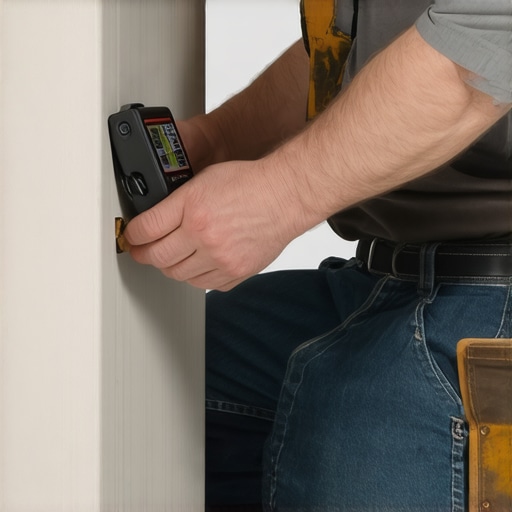
On wavy walls, standard measurements often fall short. That’s why I rely on a digital angle finder. It instantly reads the exact corner or wall angle, allowing me to customize cuts on the fly rather than relying on preset angles. This tech not only improves accuracy but also saves time — a vital factor for larger projects where consistency is key. Tools like the digital angle finder help you adapt to real-world irregularities quickly and confidently.
Maintaining Equipment for Long-Term Results
Proper maintenance of your tools extends their lifespan and keeps your work quality high. Regularly clean blades and bits to prevent gunk buildup, which can cause inaccurate cuts and damage. Lubricate moving parts like the smooth slide of your miter saw or the hinges of your tile cutter to prevent wear. Basic upkeep like recalibrating digital tools annually ensures measurements stay precise. For cordless tools, always check the battery health; a weak battery can reduce torque and accuracy, especially during demanding tasks like framing or flooring. Setting a routine maintenance schedule—say, after every major project—will keep your kit in top shape and save you money in replacements long-term.
Looking Ahead: The Future of DIY Maintenance and Tools
As technology advances, expect smart tools with integrated Bluetooth connectivity, offering real-time calibration tips and efficiency tracking. AI-driven measuring devices could soon offer adaptive cut suggestions based on wall irregularities, further reducing errors. Investing in these cutting-edge tools now may seem substantial, but they’ll pay dividends in quality and ease of work, making your long-term results more predictable and professional. For now, focus on mastering basic maintenance and selecting tools that fit your specific needs; this foundation allows you to adapt and upgrade seamlessly as new technologies emerge.
How do I keep my tools in top shape over time?
Implementing a disciplined maintenance routine is vital. Clean blades after each use, store tools in dry, organized spaces, and regularly inspect for wear. Recalibrate measurement devices annually, and replace worn parts promptly. This proactive approach not only preserves your tools but also ensures your projects—like baseboard installations or flooring updates—maintain their perfect finish for years to come. Remember, the quality of your tools directly impacts the durability and appearance of your work, so give them the care they deserve.
Throughout my DIY journey, one of the most persistent challenges has been achieving tight, professional-looking corners on uneven walls. The key insight I discovered was that flexibility and customized cuts trump perfect angles in these scenarios. Embracing the back beveling technique and shimming behind baseboards transformed my installations from amateurish to polished. Moreover, understanding that wall irregularities can be an advantage rather than an obstacle equipped me with patience and ingenuity. Remember, the goal isn’t perfection in the cut but seamless integration with the wall’s natural shape. By tailoring your approach and using the 2-Piece Method, you’ll save time and frustration while elevating your home’s aesthetic appeal. Trust me, once you embrace these insider tricks, your corners will look flawless—even on the most stubbornly wavy walls.