

Ever spent hours working on baseboards only to end up with scuffs, uneven surfaces, or that dreaded dull finish? I remember the first time I tackled a baseboard makeover. I was eager to transform my space, but after sanding and painting, the results were disappointing — scratches remained, and the finish looked tired. It was a frustrating lightbulb moment that led me down the rabbit hole of learning better techniques.
Why a Simple Sanding Step Can Make All the Difference
What I discovered is that those seemingly minor scuffs and imperfections can be tackled effectively with just a bit of strategic preparation — specifically, a 2-Step Sanding Process. This method isn’t just fluff; it’s a game-changer that saves time, reduces rework, and achieves that sleek, professional look we all crave. If you’ve ever wondered why your baseboards aren’t turning out as glossy or smooth as you’d like, you’re not alone. Many DIYers and professionals alike underestimate the power of proper sanding, often rushing through or skipping crucial steps.
Recent studies show that surface preparation is responsible for up to 80% of successful finishing projects. That means taking a moment to correctly sand can make your entire project go from mediocre to stunning. I promise this guide will walk you through a simple, effective process that’s easy to follow — whether you’re a seasoned pro or just starting out.
Is Over-Sanding Actually Worth the Hype?
Early in my journey, I once believed that more sanding meant a better finish. Turns out, I was just wasting time and potentially damaging my baseboards. Excessive sanding can create uneven surfaces or even remove too much material, leading to gaps or an uneven final coat. Learning to sand just enough, and in the right way, is the secret to durability and flawless aesthetics. Trust me, I’ve been there — making that common mistake is what kept me from getting professional results early on. But once I cracked the code, my baseboards went from looking DIY to polished and elegant. Curious? Let’s dive into the step-by-step process that changed how I approach baseboard refinishing — and it can do the same for you.
Begin by removing furniture and covering adjacent surfaces with painter’s tape. Wear a dust mask and eye protection to keep safe from airborne particles. Use a tack cloth or damp rag to clean the surface thoroughly, removing all dust and debris that can mar the finish. Remember, a dust-free surface is essential for a smooth paint job, similar to preparing a canvas before painting or laying tiles on a clean bed of mortar. During my first attempt, I skipped this step, resulting in marring the paint; subsequent cleaning improved my results dramatically.
Use a 120-grit sandpaper or sanding sponge and gently sand the entire baseboard surface. Think of this as smoothing out the rough edges, much like sanding down a piece of wood to prevent splinters. Use even, controlled strokes along the length of the baseboard to avoid creating dips or grooves. Focus on areas with previous imperfections, scuffs, or uneven paint. This step prepares the surface, ensuring better adhesion for your primer and paint.
Switch to a 220-grit sandpaper or finishing sponge. Lightly sand the surface again, this time focusing on creating a silky-smooth finish that reflects light evenly. This final pass minimizes scratches and prepares the surface for painting, much like buffing a car before waxing. Don’t press too hard; let the sandpaper do the work. I vividly remember a time I rushed this step, resulting in a rough surface that showed through the paint, undermining the entire project.
Use a detail sanding sponge or small hand sanding block to reach tight spots like corners and edges. This is crucial when working with intricate moldings or detailed trim, similar to tuning the fine details of a musical instrument. A steady hand and patience are your best allies here. During one project, I used a craft knife to scrape paint from corners before fine sanding, which made the painting process much smoother and resulted in crisp, clean lines.
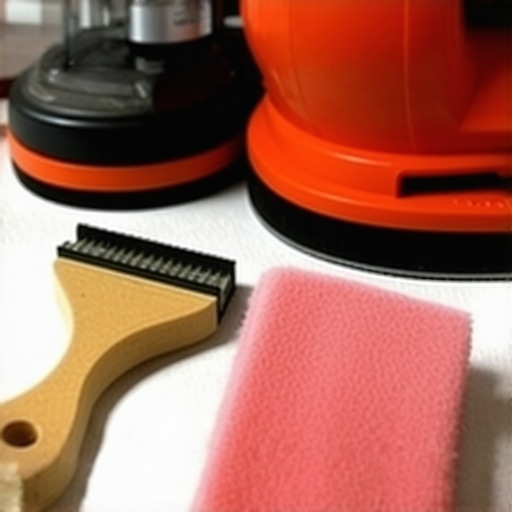
For larger surfaces, an orbital sander with a variable speed setting can save time and provide consistent results. Match the grit to the task: start with medium (120 grit) and finish with fine (220 grit). For edges and tricky areas, hand sanding or using a detail sander works best. Choosing the right tools is like selecting the proper brush for a painting — it directly affects the outcome. I once invested in a palm orbital sander, and it made the sanding process quicker without sacrificing quality.
After sanding, run your hand over the surface to feel for rough spots. What feels smooth is what you want. Clean the surface again with a tack cloth or vacuum with a brush attachment to remove all residual dust. Dust on the surface will ruin your paint finish, much like dirt on a lens affects photo clarity. Proper prep ensures your paint adheres well and dries to a sleek finish, transforming ordinary baseboards into a showcase feature.
Remember, effective sanding is a small investment of time that yields big rewards, making your subsequent painting or staining much more successful. These steps can be adapted whether you’re working on baseboards, door casings, or intricate trim details. Take your time — your finish will thank you for it.
Even seasoned DIY enthusiasts often believe that installing a shower, flooring, or baseboards is straightforward—simply follow the steps, and you’ll get a perfect result. However, this oversimplification neglects critical nuances that can make or break your project. For example, many assume that using a standard waterproof membrane alone guarantees a leak-proof shower, but expert plumbers emphasize that proper slope and sealing are equally vital to prevent future issues. Skipping these details can lead to costly repairs down the line.
In flooring installation, a widespread myth is that leveling compound alone will fix all unevenness. In reality, subfloor inspection and proper preparation are essential to avoid creaking, squeaks, or gaps. Overlooking subfloor prep often results in a bouncy or squeaky floor, diminishing comfort and durability. Similarly, with baseboards, many believe that simply painting over imperfections hides flaws, but expert carpenters know that meticulous sanding, accurate miter cuts, and proper shimming are essential for a seamless look.
One often overlooked detail is the importance of controlling environmental conditions during installation. Wood flooring, for instance, is highly sensitive to humidity changes. If installed during high humidity, boards may expand and buckle later as the environment stabilizes. Conversely, installing in dry conditions can cause gaps to appear in winter. Learning how to manage these nuances—like acclimating materials and adjusting installation techniques—can save you from future headaches.
Have you ever fallen into this trap of oversimplification? Let me know in the comments. For deeper insights, check out my guide on [baseboard trends in 2025](https://tilecraftsmens.com/baseboard-trends-in-2025-fresh-styles-for-every-room), which discusses advanced styling that complements meticulous installation practices. Remember, paying attention to these hidden details transforms an average project into a professional finish, elevating your home’s aesthetic and functionality.
Investing in the Right Tools for Longevity
Having quality tools is essential to ensure your projects stand the test of time. I personally swear by a Ryobi orbital sander equipped with variable speed settings. Its lightweight design and adjustable power let me control surface preparation delicately, especially on intricate moldings or older woodwork. This level of precision minimizes the risk of over-sanding, which can cause uneven surfaces over years of expansion and contraction.
For detailed work, a Festool Delta Sander is invaluable due to its ergonomic design and dust collection capabilities, keeping your workspace cleaner and your air healthier. Properly maintained equipment like sharp sanding pads and brushes reduces the wear and tear on your tools, extending their lifespan and ensuring consistent results.
Mastering the Art of Maintenance to Keep Results Fresh
Regular upkeep prolongs your project’s beauty. For painted or stained baseboards, light cleaning with a damp microfiber cloth every few months prevents dirt buildup that can dull the finish. Inspect your shower’s grout lines periodically—using a grout sealer every year helps prevent staining and mold growth, which can compromise tiles and waterproofing over time.
Flooring, especially laminate and vinyl, benefits from protective pads under furniture legs. Not only does this guard against scratches, but it also facilitates easy movement, reducing stress on joints and seams. Incorporating a deep cleaning schedule for carpets, with professional steam cleaning annually, can keep fibers strong and prevent long-term odors.
Scaling Up for Larger Spaces and Long-term Results
As your projects expand, investing in a flooring installation laser leveling system becomes a game-changer. It ensures consistent height across large areas, reducing the need for costly adjustments later. For showers, considering a two-stage drain system can significantly reduce future maintenance, preventing leaks that damage surrounding walls and flooring.
Furthermore, keeping a dedicated maintenance kit with essential supplies—like extra silicone, spackle, sealants, and cleaning agents—allows quick fixes as issues arise, maintaining a pristine finish year after year. Maintaining a detailed project log helps track warranties, product expiration, or needed upgrades, especially vital for high-traffic areas or frequent renovation cycles.
How do I maintain my flooring and installations over time?
Long-term maintenance involves routine inspections, gentle cleaning, and timely repairs. For example, checking for early signs of grout deterioration or loose baseboards can prevent costly repairs later. Upgrading tools periodically, like replacing worn-out sandpaper or investing in smarter digital meters for moisture levels, keeps your work efficient and reliable. Keep abreast of new innovations—future trends hint at smart-installation systems with integrated sensors that monitor humidity or structural integrity in real-time, helping you intervene before issues escalate.
Try incorporating a quarterly check-in routine and see how it preserves your craftsmanship’s durability. Remember, investing in the right tools today ensures your project’s endurance tomorrow. Need tailored advice? Reach out via our contact page or explore more advanced tips at my latest flooring trends in 2025.
Looking back at my early projects, I realize that some of my biggest improvements came from embracing a few core lessons that aren’t immediately obvious. These insights not only saved me time but transformed my results from amateurish to polished. For anyone eager to elevate their baseboard game, these lessons are worth their weight in gold.
The Hardest Lesson I Learned About Baseboard Perfection
- I used to believe that a quick sanding and a fresh coat of paint were enough. Turns out, meticulous surface prep—particularly, understanding when to stop sanding—was the real game-changer. Over-sanding can ruin edges or create dull spots, so learning when to call it quits is crucial.
- Another revelation was the importance of environmental control. Humidity and temperature affect paint adhesion and drying. I used to rush projects on humid days, only to deal with peeling or uneven finishes later. Now, I ensure proper climate conditions beforehand.
- Lastly, precision in measuring and cutting miter joints can’t be overstated. A small miscalculation here undermines the entire look. Investing in a good miter saw and taking the time to double-check cuts makes a visible difference.
Tools and Resources That Made a Difference
- Quality Miter Saw: A sharp, reliable miter saw like the step-by-step flooring guide greatly improved my precision and efficiency.
- Fine Grit Sandpaper: Switching to 220-grit for finish sanding produced a smoother surface, making subsequent painting effortless and flawless.
- Painter’s Tape and Caulk Guns: For crisp paint lines and seamless joints, these simple tools have been invaluable.
- Beyond tools, I found that resources like online tutorials, particularly tips on baseboard updates, provided practical insights that fast-tracked my learning curve.
Keep Moving Forward with Confidence
Every project taught me something, and I hope sharing my experiences inspires you to approach your own baseboard updates with a fresh perspective. Remember, fine details matter—the right tools, a bit of patience, and continuous learning turn an ordinary DIY into a professional-looking finish. Don’t shy away from trying new techniques or investing in quality gear; thosesmall steps build a big impact over time.
What’s the biggest challenge you’ve faced when refinishing baseboards? Share your story below—I love hearing about your experiences!