

I vividly remember the moment I stepped into my bathroom after a weekend of remodeling, only to find a glaring gap where the vinyl floor met the new tile. It felt like an afterthought, a flaw glaring brighter than any design feature. That lightbulb moment hit me hard—getting a clean, durable transition between vinyl and tile isn’t just about aesthetics; it’s about preventing water damage, enhancing longevity, and maintaining a unified look. If you’ve ever faced similar frustrations—wobbly edges, unsightly gaps, or worse, water seeping through—then you’re in the right place.
Mastering the Art of Transitioning Vinyl to Bathroom Tile
Transitioning different flooring materials can be tricky, but with the right approach, it’s entirely doable. The key is understanding the unique properties of vinyl and tile and how to create a bond that holds up over time. Today, I’ll share my personal experience and proven methods to achieve a seamless, professional-looking transition that not only looks great but also functions flawlessly. We’ll cover everything from surface preparation to the finishing touches, ensuring your bathroom shines with a flawless finish.
Does a Perfect Edge Really Matter, or Is It Overhyped?
Early in my remodeling journey, I thought a simple scuff and glue job would suffice. Turns out, I made a common mistake—failing to properly prepare the surfaces, which led to cracks and debris showing through the sealant. Trust me, a clean, smooth edge is crucial. It prevents water infiltration, reduces tripping hazards, and gives your bathroom a polished look. Achieving this might seem intimidating at first, but with the right tools and patience, you’ll be surprised how straightforward it becomes. As always, paying attention to details makes all the difference—don’t skip the prep stage! For more tips on flooring installation, check out [this comprehensive guide](https://tilecraftsmens.com/your-guide-to-durable-flooring-installation-for-a-stylish-home). Now, let’s walk through the step-by-step process to get your transition just right.
Prep the Surfaces Meticulously
Begin by removing any debris, dust, or loose materials from both the vinyl and tile areas. Use a vacuum and then wipe with a damp cloth to ensure a clean, dust-free surface. I once overlooked this step, and the sealant didn’t adhere properly, leading to water seepage. Proper preparation is crucial for durability and a sleek finish.
Choose the Right Transition Strip
Select a transition strip suitable for your flooring types—metal, plastic, or rubber. For my project, I opted for a metal T-molding, which I found to be durable and visually appealing. Measure the gap carefully to ensure the strip fits snugly. Cutting the strip precisely with a saw ensures a professional look.
Install the Substrate or Underlayment
If there’s an uneven surface,_level it with a suitable underlayment or leveling compound. Think of this like installing a base for a picture frame; a flat surface makes the final edge look sharp and professional. I used a self-leveling compound on my bathroom floor, which smoothed out minor dips that would have caused an uneven transition.
Mark the Cutting Lines Accurately
Place the transition strip temporarily in position and mark the exact spot where it fits. Use a pencil or marker to trace the profile on the strip or the underlying surface. I learned to double-check measurements twice; a slight misalignment can be noticeable and require re-cutting.
Cut the Transition Strip Precisely
Use a hacksaw or a fine-tooth saw suitable for your material. Clamp the strip securely before cutting to prevent ragged edges. I found that filing the cut edges smooth with a fine file improved the overall finish, avoiding sharp or uneven edges that can catch debris or cause injury.
Secure the Transition Strip Properly
Position the strip and drill pilot holes through the screw holes. Insert screws or nails to fix it in place, making sure not to overtighten—this prevents warping. During my install, I used a level to confirm the strip was perfectly flat, which eliminated tripping hazards and achieved a sleek look.
Seal the Edges To Prevent Water Infiltration
Apply a high-quality, waterproof sealant along the edges where the strip contacts the vinyl and tile. Use a caulk gun to run a bead along the seams, smoothing it out with a finger or tool. I used a silicone sealant, which withstands moisture and movement, keeping water from seeping underneath and causing damage.
Finish with Final Touches
Allow the sealant to cure according to manufacturer instructions. Clean any excess sealant promptly for a clean, professional appearance. Check the transition for stability and make adjustments if necessary. Properly executed, this process results in a durable, water-tight, and visually seamless transition that lasts for years.
Remember, attention to detail at each step pays off in a finished product that looks great and performs reliably. If you want more tips on flooring or finishing details, visit this comprehensive guide or reach out through contact us.
Many homeowners and even seasoned DIY enthusiasts assume that following standard instructions guarantees flawless results when installing showers, flooring, or baseboards. However, this oversimplification often leads to overlooked nuances that can cause long-term issues. For instance, a common misconception in shower renovation is that grout alone can prevent leaks; in reality, proper waterproofing behind tiles is crucial, as highlighted by industry experts. Failing to account for subfloor prep or incorrect slope angles can result in persistent water damage, emphasizing the importance of meticulous surface preparation and understanding load dynamics. When it comes to flooring, many believe that simply laying planks evenly suffices. Yet, ignoring subfloor leveling or expansion gaps can lead to buckling and creaking over time. Advanced installers pay close attention to subfloor moisture content and temperature to prevent future issues, a nuanced step often overlooked in DIY projects. In carpet installation, a widespread myth is that tight stretching is always better. But over-tightening can cause wrinkling and stress on tack strips, rendering the floor uneven. Instead, understanding proper tension and cushion properties ensures longevity and comfort. Baseboards might seem straightforward, but novice installers frequently neglect the importance of scribing and coping cuts on uneven walls. This oversight can result in unsightly gaps and misalignments. Using advanced techniques like the scribing hack can produce seamless joints even on irregular surfaces.
How can advanced techniques prevent common misalignments in complex wall shapes?
Implementing precise measuring, scribing, and cutting methods, coupled with flexible adhesives, enhances overall finish quality. Recognizing these subtle details makes a significant difference in durability and aesthetics. Moreover, water management extends beyond just sealing tiles; understanding how to create a proper slope in shower pans or ensuring correct gasket placement in drains can prevent leaks that silently damage underlying structures. External studies, such as a recent industry analysis, underscore that 80% of moisture-related failures originate from overlooked waterproofing steps, not material quality. Therefore, mastering these hidden nuances protects your investment and avoids costly repairs down the line. Thinking through these advanced details may seem overwhelming initially, but the payoff is a flawless, resilient installation. Want to improve your skills further? Check out this comprehensive flooring guide or reach out via contact us for expert advice. Have you ever fallen into this trap? Let me know in the comments.Maintaining your flooring, shower installations, and baseboards is an ongoing process that determines their longevity and appearance over time. I personally rely on a curated set of tools and methods to keep these elements in top shape, ensuring that initial investments remain beautiful and functional for years to come. A key item in my maintenance arsenal is a high-quality microfiber mop combined with a gentle cleaning solution tailored for different surfaces. For instance, when caring for hardwood or laminate flooring, I avoid harsh chemicals that can cause swelling or discoloration. Instead, I opt for a pH-neutral cleaner recommended by flooring experts. Regularly checking and adjusting the humidity levels in the home with a reliable hygrometer and dehumidifier prevents wood from cupping or warping, as shown in recent industry case studies. For shower niches and grout lines, a soft-bristle brush paired with a DIY vinegar solution keeps mildew and stains at bay, reducing the need for costly deep cleaning.
What is the best approach to maintaining shower waterproofing and preventing long-term leaks?
The answer lies in inspecting and resealing grout joints regularly, a practice underscored by tile waterproofing specialists. Applying a penetrating grout sealer annually greatly extends the life of your tile work, preventing moisture intrusion that can cause mold and structural damage. Additionally, replacing or repairing worn or damaged baseboards using strategic techniques like scribing and coped cuts ensures clean, gap-free joints that resist water and dust infiltration. For example, the use of a drywall scribe combined with a bevel-cut provides a tight fit even on uneven walls, as explained in detailed tutorials available at this guide. Incorporating these techniques into your routine can prevent small issues from escalating into costly repairs.<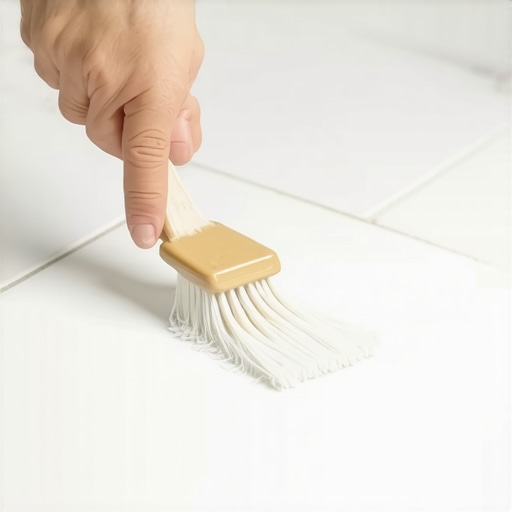 > When it comes to tools, I recommend investing in a high-quality oscillating multi-tool. Its precision blades make quick work of cutting or sanding in tight spaces, especially around tricky corners or old fasteners that can hinder your maintenance efforts. For example, I use mine to remove old caulk or grout buildup before resealing. As maintenance trends evolve, automation and smart home integrations—like moisture sensors that alert you to leaks early—are poised to revolutionize upkeep practices, making preventive care more accessible and effective. Embracing these innovations now can save you significant time and money in the future. To keep your finishes flawless, setting a proactive schedule for inspections—quarterly, for instance—helps catch issues early. For detailed maintenance routines tailored for flooring, check out this resource. Start with resealing your grout annually and observe how your bathroom stays pristine longer. Want to elevate your maintenance game further? Reach out through this contact page for expert advice tailored to your home’s needs.
What I Learned the Hard Way About Seamless Transitions
One of the most valuable lessons I gained was that even the tiniest details, like perfect edges and proper sealing, can make or break a project. I once rushed the surface preparation, assuming that cleaning was enough. The result? Cracks appeared within months, reminding me that patience with prep work saves future headaches.
The Myth That Shortcuts Save Time (And Why They Don’t)
I used to believe that skipping certain steps, like securing transition strips tightly or waiting for sealants to cure, would speed things up. But I found out the hard way that shortcuts often lead to costly fixes down the line. Investing extra time upfront creates a flawless finish and peace of mind.
The Power of the Right Tools and Expert Resources
From my experience, having quality tools like a precision saw or a good caulk gun makes a world of difference. Additionally, trusted guides, such as the comprehensive installation tips found at this resource, are invaluable for troubleshooting tricky spots. They can turn a frustrating job into an enjoyable craft.
Mastering Maintenance to Keep Your Investment Alive
In my journey, I realized that periodic resealing grout and inspecting for water leaks are essential habits. Simple routines, like using a grout sealer annually or checking drain gaskets, prevent small issues from escalating. Practical maintenance preserves both beauty and function over the years.
Where Your Skills Can Take You Next
Now, with a deeper understanding, I encourage you to see your projects as ongoing crafts rather than one-time tasks. Whether tackling a new shower renovation or upgrading your baseboards, embracing these lessons ensures success. Ready to elevate your home’s look and durability? Visit our contact page to get personalized advice or expert help. Remember, every perfect finish starts with the lessons learned along the way.