

I remember the moment clearly — I had just finished installing a new tile floor in my bathroom, feeling pretty proud of myself. But then, as weeks passed, that stubborn, grimy discoloration between the tiles refused to budge. No amount of scrubbing or commercial cleaners seemed enough. That lightbulb moment hit me: my grout wasn’t just dirty; it was aging and embedded with layers of grime no superficial cleaning could reach. It was frustrating enough to make me wonder if I had made a mistake in my renovation.
The Deep-Cleansing Secret That Transforms Old Grout
After experimenting with countless methods, I discovered a simple, effective technique that revitalized my tired grout. Today, I want to share this game-changing insight— a deep-cleansing method that actually works. It’s a technique I wish I had known earlier, especially considering that grout deterioration over time is common, and many homeowners overlook the power of this approach. Persistent grout discoloration isn’t just unsightly; it can also harbor mold and bacteria, making your space less healthy. According to the National Tile Contractors Association, regular cleaning extends the longevity of tiles and grout, but deep cleaning is essential for severely stained or aged installations.
Is Deep-Cleaning Your Grout Actually Worth the Effort?
Honestly, I initially doubted whether a simple homemade mix could make that much difference. My early mistake was relying solely on harsh chemical cleaners that only scratched the surface and often damaged the grout or tiles. That experience taught me that patience and the right technique are key. Now, I’ll walk you through exactly how to peel back years of grime, restoring your grout’s original beauty and sealing it in for long-lasting freshness. Curious to see how I shook off that stubborn dirt and achieved professional-looking results? Stick with me.
Ready to breathe new life into your tile surfaces? Let’s dive into the details and get your grout looking pristine again. Want more tips? Check out our comprehensive guide on [creating a spa-like shower experience](https://tilecraftsmens.com/creating-a-spa-like-shower-experience-tips-tricks) for inspired upgrades.
Prepare Your Workspace and Gather Supplies
Start by clearing the area around your tiled surface. Remove any movable items and lay down plastic or old towels to catch drips. Assemble your cleaning tools: a stiff-bristled brush or toothbrush, spray bottles, gloves, and protective eyewear. You’ll also need baking soda, hydrogen peroxide, or a commercial grout cleaner. I once divided my bathroom into sections and prepared my supplies the night before, which made the process smoother and less stressful.
Apply an Initial Dry Brush to Loosen Embedded Dirt
Before introducing liquids, brush the grout lines vigorously. This step dislodges surface grime and prevents excessive soaking. Think of it like sweeping away loose debris before a deep clean—this ensures cleaners penetrate more effectively. I recall manually scrubbing the grout between my kitchen tiles, revealing a surprisingly brighter joint line after just this step.
Create and Apply Your Cleaning Solution
Mix a paste of baking soda and water or use a commercial grout cleaner per instructions. If opting for a homemade mix, combine 1/2 cup baking soda with enough water to form a thick paste. Apply the paste generously along the grout lines using an applicator or toothbrush. For especially stubborn stains, spray hydrogen peroxide over the paste after application. I once used a hydrogen peroxide and baking soda combo that fizzed intensely, which helped lift years of grime from old grout. 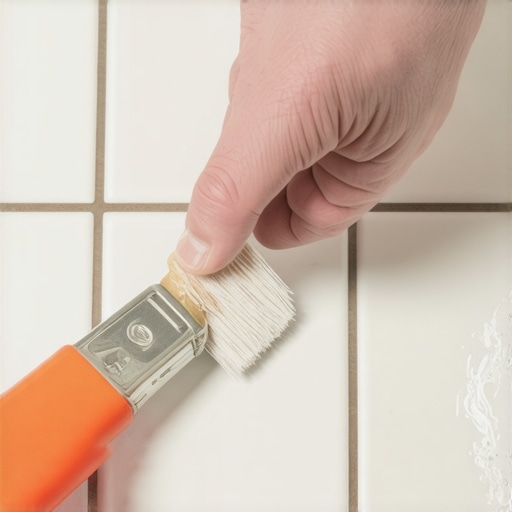
Let the Solution Reaction Do Its Work
Allow the cleaner to sit for 10–15 minutes—this lets it break down dirt and stains at a molecular level. During this time, avoid splashing water on the area to prevent dilution. I learned that patience pays off when I left the solution to work while I took a short break, returning to find the grout lines visibly brighter.
Scrub Vigorously to Remove Residual Grime
Use your stiff-bristled brush to scrub along the grout lines, applying firm pressure. Focus on areas with deep discoloration. Imagine polishing a tarnished silver—consistent, focused scrubbing yields better results. I remember tackling a particularly stubborn bathroom corner, where vigorous scrubbing restored shine and made the grout look refreshed.
Rinse and Wipe for a Clean Finish
Drench a sponge or cloth in clean water and wipe over the tile and grout to remove loosened dirt and residual cleaner. Repeat as necessary, ensuring no residue remains. I once rinsed my tiles repeatedly until I saw no more foam, revealing a seamless, bright grout line that looked almost new. Proper rinsing prevents days-long residue buildup that could cause more discoloration.
Seal the Grout to Lock in Cleanliness
Once the surface is dry, apply a high-quality grout sealer to protect against future stains and grime buildup. Use a small brush or applicator, ensuring even coverage. This is akin to putting a protective coating on furniture—preserving your hard work. I always seal my grout at least once a year, which has extended the freshness of my tile installations significantly. For a comprehensive guide on maintaining your flooring investments, visit this article.Many homeowners believe they understand the basics of flooring and shower projects, but beneath the surface lie common misconceptions and nuanced pitfalls that can derail your renovation. One prevailing myth is that selecting the most affordable materials guarantees long-term durability; in reality, investing in quality and proper installation techniques is essential, as highlighted by industry experts like the National Tile Contractors Association. For instance, many overlook the importance of precise subfloor prep before tiling, leading to cracks and loosened tiles over time. Additionally, novice installers often underestimate the critical role of proper moisture barriers in shower renovations, which can result in leaks and mold if neglected. An advanced tip for shower waterproofing is incorporating a vapor barrier behind the niche to prevent moisture intrusion—a detail that often escapes DIYers but is crucial for longevity, as discussed in our guide on creating a spa-like shower experience. When it comes to carpet installation, a common mistake is ignoring the importance of stretching; lack of proper tension causes ripples and early wear. Similarly, baseboard misalignments frequently result from neglecting to account for seasonal expansion and contraction of materials, leading to gaps or cracking. For experienced renovators seeking perfection, mastering techniques like scribing baseboards to uneven walls can elevate the finished look—learn more about this in our baseboard makeover tutorial. Remember, understanding these nuanced details not only enhances the quality of your project but also saves you from costly repairs down the line. Don’t fall into the trap of superficial fixes; invest time and knowledge into each step. Want to dive even deeper? Check out our comprehensive guide on durable flooring installation for a stylish and lasting finish, or explore our tips on achieving flawless shower designs. Have you ever fallen into this trap? Let me know in the comments.
Keep It Running: Essential Tools for Longevity
Maintaining your flooring, showers, and baseboards isn’t just about the initial installation—it’s about ongoing care and having the right tools at your fingertips. For flooring, I highly recommend investing in a high-quality rubber mallet and a tapping block. These allow for precise adjustments without damaging tiles or planks. A high-torque cordless drill with adjustable speed is invaluable for installing and repairing baseboards, especially when dealing with stubborn nails or screws. When it comes to showers, a good silicone sealant remover tool helps maintain waterproof integrity during resealing projects, preventing leaks and mold buildup. Personally, I keep a vibration dampening underlayment cutter for large-format tiles—it ensures clean, accurate cuts that prevent future cracks. Predictably, as trends evolve, so will the tools, with smart sensors and DIY digital leveling systems becoming more accessible for homeowners wanting professional results without the contractor price tag.
Software and Methods to Keep Projects on Track
Embracing technology has revolutionized home renovation maintenance. I rely on specific project management software like Trello or Notion to track repair schedules and maintain detailed logs of renovations. For measuring and leveling, laser levels such as the Bosch GLL 3-50 provide quick, precise alignment over large areas—crucial when installing baseboards to avoid uneven gaps—like those discussed in our baseboard makeover tutorial. These tools save time and reduce errors, ensuring long-term aesthetic and functional quality. Moreover, digital moisture meters can monitor humidity levels after shower upgrades, helping prevent issues like mold growth. As construction technology progresses, integrating apps that suggest maintenance schedules based on your specific materials will become standard, offering peace of mind in the long term.
Strategies for Long-Term Results and Scaling Up
Maintaining and scaling your renovation efforts requires a strategic approach. Regular inspections are key—checking grout lines, sealants, and caulking around showers every six months helps catch issues early. For flooring, applying a high-quality sealant periodically, such as the one recommended in several industry guidelines, extends the lifespan, especially in high-traffic areas. When considering scaling your projects, like expanding a bathroom remodel into a full spa-like upgrade, plan your material inventory and timeline meticulously. Use advanced planning tools to visualize the scope—I’ve found that sketch-up models or augmented reality apps can help you anticipate issues before they arise, saving both time and money. For example, pre-planning shower waterproofing with details like a vapor barrier—a topic extensively covered in our guide—avoids costly leaks down the line.
How do I maintain flooring and showers over time?
Consistency is crucial. Incorporate routine cleaning with tools suited to your materials—like steam cleaners for tile floors or gentle brushes for grout lines. Keep an eye on wear patterns and adjust maintenance frequency accordingly. Upgrading your tools as technology advances ensures you’re always working efficiently; for instance, switching to cordless, battery-powered orbital sanders can make baseboard touch-ups faster and more even. I recommend trying out a self-leveling underlayment for large-format tiles as an advanced step; it ensures flawless flatness, reducing future cracking. Remember, staying proactive in maintenance adds years to your renovation investment. For comprehensive insights into durable flooring solutions, check our ultimate guide.
Lessons That Changed How I Approach Home Repairs
One of the most valuable lessons I learned was that patience truly pays off. Rushing through the grout cleaning or skipping proper prep can lead to costly setbacks later. Now, I take my time with each step, understanding that meticulous work results in a longer-lasting, professional finish.
Another insight was the importance of investing in quality tools. An affordable tile cutter might seem tempting, but a reliable wet saw and the right blades can make all the difference in clean cuts and precise installations, saving time and reducing frustration.
I also discovered the significance of learning from experts—not just through articles but by observing techniques in tutorials and consulting industry guides. This approach has helped me avoid common pitfalls and elevated my craftsmanship.
Tools and Resources That Elevate My Renovation Game
My essential toolkit includes a high-torque cordless drill and a multi-angle grinder, which give me versatility and control during installations and repairs. I trust brands like Bosch and Makita because of their durability and performance, making my projects smoother and more efficient.
For design inspiration and technical tips, books like “Tile & Stone Installation” by Mark M. Curran have been invaluable, providing detailed procedures and troubleshooting advice from seasoned professionals. Additionally, online resources such as trusted industry blogs and forums keep me updated on the latest trends and innovations.
When it comes to project planning, I rely on apps like Trello to track progress and appointments, ensuring I stay organized and avoid overlooked details. These tools help me turn complex projects into achievable steps, giving me confidence with each renovation.
Take Your Home Improvements to the Next Level
Remember, every renovation challenge is an opportunity to learn and improve. Embrace the process, gather the right tools, and seek guidance from trusted sources—your future self will thank you for the effort. With dedication and the right mindset, transforming your space into a beautiful, functional environment is well within reach.
Have you faced a renovation obstacle that taught you a valuable lesson? Share your story below—I’d love to hear how you turned setbacks into victories!