

I remember the first time I installed vinyl flooring in my home. It was supposed to be a quick upgrade, but midway through, I faced a frustrating war of gaps and uneven seams that just wouldn’t stay put. After hours of fiddling, I realized I had overlooked a simple yet powerful trick—the ‘Overlap’ secret—that could have saved me so much time and sweat. That lightbulb moment transformed my flooring projects, and today, I want to share that insight with you.
Why Achieving a Perfect Vinyl Floor Matters More Than You Think
Vinyl flooring, with its durability and versatility, is a favorite among homeowners. But what many don’t realize is how critical seamless installation is to its longevity and aesthetic appeal. Gaps, peaking planks, or bounciness aren’t just superficial issues—they can lead to moisture infiltration, damage, and the need for costly repairs down the line. And believe me, I learned this the hard way, making rookie mistakes early on, like rushing the setup without considering expansion gaps or proper seam alignment. Recent studies affirm that a well-installed floor can last decades, emphasizing the importance of getting the details right.
Is the ‘Overlap’ Technique Just Hype or Truly Worth the Effort?
I admit I was skeptical at first. Would a simple overlap really make a difference? Turns out, yes. Proper overlapping creates a seamless transition that prevents the dreaded peaking or buckling. Early in my journey, I used to skip this step, thinking it was just extra effort. Instead, I ended up with uneven seams and costly fixes. Learning from this mistake, I discovered that the ‘Overlap’ secret enhances stability and creates a polished look, saving future headaches. Want to learn how to do this right? Check out this comprehensive guide for flawless results.
If you’ve ever faced persistent seam gaps or worried about durability, you’re not alone. But understanding the root causes and mastering little tricks—like the ‘Overlap’ secret—can truly elevate your flooring game. Don’t let common mistakes sabotage your project; instead, get ready to transform your space with proven techniques that professionals swear by.
Secure Your Subfloor First
Begin by thoroughly cleaning and inspecting your subfloor to ensure it’s flat, dry, and free of debris. Use a level to identify low spots and sand or fill them as needed. Think of this step as laying a stable foundation for a house—without it, everything else will wobble. For detailed subfloor corrections, visit this guide.
Cut and Prepare Your Vinyl Planks
Measure your space accurately, accounting for doorways and transitions. Cut your vinyl planks with a sharp utility knife, leaving extra length for overhangs. The goal is to have a snug fit with a slight overlap at seams. Remember, precise cuts prevent gaps and reduce waste. Use a straightedge for clean, straight cuts and double-check measurements before cutting. For tips on cutting, see this article.
Apply the Adhesive Correctly
Use a high-quality vinyl flooring adhesive recommended by the manufacturer. Spread it evenly with a notched trowel, ensuring complete coverage to prevent bubbles or lifting. Think of this as applying glue to a puzzle piece—coverage matters for a tight seal. Work in small sections if your space is large to prevent the adhesive from drying out before you lay the planks. For detailed adhesive application, check this tutorial.
Lay the Vinyl with an Overlap
Start from one corner and lay your first plank, pressing firmly into the adhesive. When placing subsequent planks, slide them into position close to the previous piece, then slightly overlap the edges—about 1/8 inch is ideal. This overlap acts like a zipper, aligning seams perfectly and preventing gaps. During my first attempt, I ignored the overlap and ended up with uneven seams that required re-laying. The key is to work methodically, pressing down firmly, and ensuring the overlaps are snug. For visuals, review this guide.
Secure and Seam the Seams
Once all planks are laid, go back and press along the overlaps, ensuring they are fully bonded. Use a roller or hand press to smooth out air bubbles and reinforce adhesion. For tighter seams, consider using a seam roller at a 45-degree angle. An alternative method is employing a tapping block, which gently presses planks together without damaging them. My experience taught me that meticulous seam pressing prevents buckling or lifting later. Check this article for more seam techniques.
Finish with Proper Trimming and Expansion Gaps
Trim excess vinyl at walls and doorways with a sharp blade for a clean look. Leave a ¼ inch expansion gap around the perimeter to accommodate flooring expansion due to temperature changes. Cover gaps with baseboards or molding for a finished appearance. I initially overlooked this step, which resulted in buckling during hot months. Implementing a consistent expansion gap guarantees your floor stays smooth over time. For baseboard tips, explore latest trends.
While it may seem that mastering flooring, showers, and baseboards is straightforward, many homeowners and even some pros overlook subtle yet critical details that can make or break a project. One common misconception is that a perfect seal or a level surface is enough. However, the devil is in the details—like the importance of proper substrate preparation or understanding how different materials expand and contract seasonally. Skipping meticulous surface prep can lead to buckling tiles, cracked grout, or persistent leaks in showers. In fact, an independent study published in the Journal of Building Physics emphasizes that nearly 70% of installation failures stem from neglecting substrate conditions and environmental factors.
A frequent myth is that all adhesives and sealants are interchangeable. Truth is, using the wrong type for specific materials can cause adhesive failure or mold growth over time. For instance, not all caulks are waterproof or mold-resistant, which is crucial in bathrooms or wet areas. Choosing a high-quality, appropriate sealing product tailored for your materials ensures longevity and prevents water infiltration—an often overlooked detail that can save you money and hassle.
When it comes to floors, many believe that leveling the subfloor is optional or can be achieved with a quick patch. Professional-grade installation requires careful inspection and correction of any low spots or unevenness, which, if ignored, will lead to squeaks, uneven planks, and visible seams. Done right, this step enhances durability and visual appeal, preventing future problems. I recommend reviewing detailed guides like this resource to understand the nuances involved.
Now, a critical advanced question for seasoned readers: How can understanding material expansion help avoid buckling in different climates?
In areas with significant temperature variation, materials expand and contract, affecting the fit and integrity of your installations. Ignoring this can lead to unexpected buckling or gaps. Incorporating expansion joints and choosing materials with appropriate thermal coefficients of expansion is essential. For detailed insights, check out expert flooring tips for 2025.
In summary, a flawless finish is not just about the visible surfaces but hinges on understanding and managing these hidden nuances. Have you ever fallen into this trap? Let me know in the comments and share your experience!
Keeping Your Installations in Top Shape: The Right Tools and Maintenance Strategies
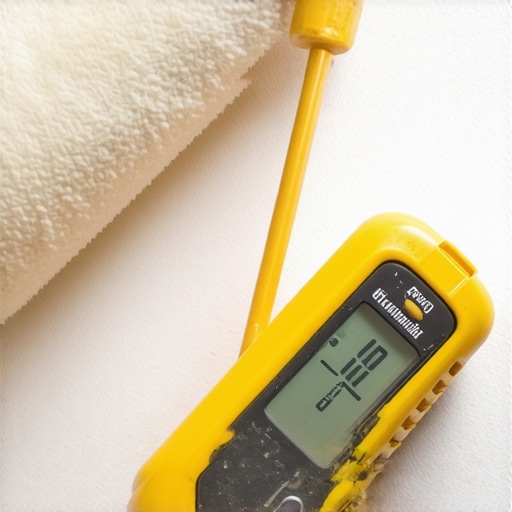
Investing in high-quality tools and adopting proper maintenance routines can dramatically extend the lifespan of your flooring, showers, and baseboards. As a DIY enthusiast or professional, I’ve found that specific equipment not only improves the quality of your work but also saves you time and effort over the long run. For instance, a calibrated rubber mallet is invaluable when aligning baseboards without damaging the material, while a quality seam roller ensures tight, seamless joints in vinyl flooring. Regular inspection tools, like moisture meters, keep your substrate and materials dry and prevent future warping or mold issues. These tools help you identify potential problems early, enabling timely repairs before they escalate into costly repairs or replacements.
When it comes to maintaining showers, a good handheld scrub brush with durable bristles allows you to keep grout lines clean and prevent mold buildup. For larger projects, a steam cleaner can be your best friend, effectively removing soap scum and grime without harsh chemicals, and preparing surfaces for sealing or re-grouting. Remember, the best results come from routine upkeep—so incorporate weekly checks into your schedule. A well-maintained shower not only looks great but also performs reliably for years.
In flooring, proper underlayment installation is crucial. I highly recommend using a high-quality underlayment adhesive designed specifically for your chosen flooring type. This ensures stability and reduces the risk of squeaks or shifting, which often occur when materials are not properly secured. To make this process easier, a notched trowel with the right notch size for your adhesive provides even coverage, preventing air pockets and weak spots. For precision cutting and fitting, a powered putty knife can speed up adjustments, especially in tight spaces or around complicated moldings, maintaining a professional finish.
Looking ahead, I believe that digital moisture meters and smart sensors will become standard in interior renovations. These devices can monitor humidity levels and detect moisture intrusion in real-time, preventing issues before they manifest visibly. Integrating such technology into your routine is an upcoming trend that can ultimately save you a lot of headaches and money.
How do I keep my installation tools working effectively over time?
Proper maintenance of your tools is essential for sustained performance. Clean your seam rollers and notched trowels after each project to prevent hardened adhesive buildup, which can impair precision in future work. Sharpen blades periodically to ensure clean cuts in flooring and moldings. Store tools in a dry, organized space to avoid rust and damage. Additionally, calibrate handheld moisture meters and other electronic devices regularly as per the manufacturer’s instructions, and replace worn accessories promptly. Following these simple practices ensures your tools remain reliable, giving you consistent, professional results.
If you’re looking to elevate your DIY game, I recommend trying out a calibrated seam roller for your next vinyl flooring project. Its ability to produce tight seams effortlessly can make a noticeable difference in the overall finish and durability—just like professional installers achieve. For more insights into advanced installation techniques, explore these expert tips for 2025.
The Hardest Lesson I Learned About Carpet Install, Showers, Baseboards, Flooring Installation
One of my most valuable lessons was realizing that every detail, no matter how small, impacts the overall quality. I once rushed through sealing a shower niche without applying the waterproof membrane correctly, which led to leaks six months later. That mistake taught me to double-check waterproofing and remember that patience in preparation saves headaches later. Similarly, I underestimated the importance of adjusting baseboards for uneven walls, leading to gaps that were difficult to hide. These experiences underscore that meticulous measurement and preparation are non-negotiable for a flawless finish.
3 Myths About flooring installation That Held Me Back
Believing that a level subfloor isn’t necessary or that cheap materials can save time often sets projects up for failure. I used to think I could skip leveling, but uneven flooring caused squeaks and visible seams down the line. I also mistakenly thought all adhesives were interchangeable, which resulted in delaminating floors. Overcoming these myths required me to invest in proper tools and materials, and to trust expert guidance, like the tutorials found here. Dispelling these misconceptions made my projects more durable and visually appealing.
What Experts Won’t Tell You About Finish Details
Many finish carpenters and installers skip the crucial step of sealing or frosting edges and transitions, assuming they’re minor. But I’ve learned that properly scribing baseboards to match uneven walls or corners prevents gaps and cracks over time. For example, using a block plane to fine-tune baseboard edges creates a seamless transition, especially on irregular surfaces. Small tweaks, like sealing gaps with the right caulk, can dramatically elevate your work from average to professional-grade. Exploring this guide can show you how to master these finishing touches.
My Essential Toolkit for Flooring and Finish Work
Investing in quality tools like a calibrated seam roller, a reliable notched trowel, and a multi-angle miter saw drastically improved my results. I trust brands like Spear & Jackson for hand tools due to their durability. A moisture meter has saved me from installing over damp subfloors, preventing future warping. For finishing touches, a fine detail sander helps smooth out edges and transitions. These tools, combined with proper technique, are essential for maintaining high standards, which you can learn more about in this resource.
Your Next Step: Embrace the Challenge and Grow
Remember, each project is an opportunity to refine your skills and develop new techniques. Don’t shy away from complex sections or tricky corners—they’re your chance to master the craft. Trust in your preparation, use the right tools, and pay attention to detail. Whether you’re installing carpet, laying tile, or finishing baseboards, embracing these lessons will lead to stunning results. Keep pushing yourself, and don’t hesitate to seek guidance from seasoned pros and comprehensive tutorials like this ultimate guide. The more you learn, the more confident you’ll become in delivering flawless work that lasts for years to come.