

Ever slapped on a fresh coat of grout only to find it stained, uneven, or full of stubborn haze that refuses to come off? I remember the moment vividly—after spending hours meticulously installing a stunning glass tile backsplash in my kitchen, I was eager to admire the flawless finish. But as I stepped back, my heart sank. The grout looked cloudy and dull, and every wipe seemed to make it worse. It hit me then: I was missing a crucial secret that could transform my project from mediocre to museum-quality.
Why You Can’t Afford to Ignore Grout Secrets in Glass Tile Projects
There’s no denying that grout can make or break the visual impact of glass tile backsplashes. Unlike ceramic tiles, glass is fragile and requires a delicate touch, especially when it comes to grouting. The wrong technique or product can lead to haze, staining, or even damage to the tiles. This is why the right sealing and cleaning approach matters so much.
But I didn’t realize this early on. My first mistake was rushing through grout sealing—thinking it was just a quick step. I used standard grout haze removers, which often contain acids incompatible with glass, leading to hazy streaks or worse, etched spots. Turns out, there’s a simple, effective method that keeps grout pristine without risking harm to your beautiful glass tiles.
In this post, I’ll share the ‘sandless’ grout secret I learned hands-on—an approach that saves you time, money, and frustration. If you’ve ever struggled with unsightly grout haze or are just tired of battling stains, stick around. This method changed my whole perspective—and I promise, it can do the same for you.
Is the Hype About Sealants and Cleaners Really Just Empty Promises?
One common trap I fell into early was believing all sealants are created equal. I thought applying a generic grout sealer would do the trick, but I ended up with uneven coverage and lingering haze. The key is to use a sealant formulated specifically for glass tiles and to apply it carefully—something I wish someone had told me from the start. Proper sealing not only enhances the appearance but also makes cleaning much easier down the line.
Supporting this approach, a recent study highlighted that tailored sealing procedures can extend the lifespan and aesthetic of glass tiles, reducing cleaning effort over time. So, if you’re frustrated with cleaning nightmare scenarios, know that there’s a better way.
Now that you understand the ‘why’ behind proper grout care, let’s get into the practical steps that will ensure your glass tile backsplash looks flawless for years to come. Ready to turn your project into a shining example of beauty and durability? Let’s dive into the solution.
Cleaning Grout Residue Step by Step
After applying grout, I vividly recall last month’s messy morning trying to clean the haze off my glass tiles. I dampened a microfiber cloth with plain water—no harsh chemicals—and gently wiped the grout lines, moving in the direction of the tile joints. The key here is to avoid circular motions that might spread the haze. I replaced water frequently to prevent re-depositing residues, just like when sealing baseboards; clean water is your best ally. This simple wipe reduced a significant layer of haze, making the tiles look brighter and clearer.
Using a Soft Brush for Deep Cleaning
Next, I grabbed a soft-bristled toothbrush, the kind favored for delicate jewelry, and lightly scrubbed the grout lines. This step is vital for removing any remaining haze or dirt accumulated during drying. Think of it as the gentle scrub you do when cleaning intricate moldings or crown moldings with a small detail brush—forceful scrubbing can scratch glass tiles, so patience wins. During my project, this little scrub cleaned out stubborn residue, revealing the true gloss underneath. Remember, a soft touch prevents scratches and preserves your tile’s beauty.
Applying a Mild Sealer to Protect and Enhance
With the grout cleaned, I moved to sealing. I chose a pH-neutral, glass-safe grout sealer, carefully applying it with a soft brush or small roller. I avoided excess application—just a light coat—allowing it to seep into the grout lines. The sealer acts like an invisible shield, repelling stains and haze formation. While sealing, I paid particular attention not to let sealer drip onto the glass surface itself, which could cause smudges or dullness. A good sealant not only preserves cleanliness but also minimizes future haze issues, making maintenance much easier.
Final Wipe for a Flawless Finish
After sealing, I waited 10 minutes, then used a clean, dry microfiber cloth to buff any excess sealer from the tiles. This step is crucial, akin to polishing a wooden surface after varnishing—leaving no streaks or residue. It also enhances the shine, providing that glass-like sparkle. During my experience, skipping this step resulted in tiny sealer spots, so patience here guarantees a sleek, professional look.
Preventing Future Grout Problems
To keep my glass tiles looking pristine, I established a routine: weekly gentle cleaning with water and a non-abrasive sponge, and resealing every six months. This proactive approach prevents stains and haze buildup, as explained in our guide to spa-like shower maintenance. Consistent care saves time and preserves the visual impact of your investment.
Many homeowners assume that typical installation steps are enough to guarantee long-lasting results, but the truth is that misconceptions and overlooked nuances often lead to costly mistakes. For instance, a common myth about baseboards is that simply nailing them into drywall suffices; in reality, improper nailing can cause gaps or cracking as the wall shifts over time. A few simple updates, like using nails with adhesive backing or employing proper coped joints, can make a significant difference, as detailed in our baseboard trends guide.
Similarly, many believe that installing carpet on high-density padding is as straightforward as stretching it tight. However, the typical mistake is neglecting to check the padding’s compatibility with the carpet fiber or ignoring humidity’s effect on adhesion. This oversight causes ripples, buckling, or premature wear. Exploring advanced carpet installation secrets reveals how expert techniques prevent these issues.
When it comes to showers, a pervasive misunderstanding is that sealing grout alone prevents leaks. But water often finds its way through small gaps or weak seals around fixtures. The crucial nuance is understanding how proper waterproofing layers, including membrane application and sealing all joints meticulously, work together to keep moisture out. The shower renovation tips section covers these advanced waterproofing techniques.
Flooring installation, particularly with engineered wood or laminate, is often thought to be DIY-friendly, leading to shortcuts. Yet, neglecting the importance of acclimation for humidity variations and precise expansion gap installation causes buckling or gaps within months. For a deeper dive, review our guide to durable flooring that emphasizes these often-missed details.
A key takeaway is that superficial adherence to standard procedures overlooks complex behaviors like material expansion, contraction, and moisture migration—factors that, if misunderstood, can negate years of aesthetic effort. Do you know the subtle pitfalls that could jeopardize your renovation? Dive into these advanced insights and avoid the ‘oops’ moments common among DIYers. Have you ever fallen into this trap? Let me know in the comments.Achieving beautiful, durable results with flooring, baseboards, showers, and carpets isn’t just about the initial installation; it’s a continuous process that relies heavily on the right tools and proper maintenance routines. I’ve found that investing in specialized equipment can significantly extend the lifespan of your work and save you time and money in the long run.
Essential Tools for Longevity and Precision
One tool I swear by is a high-quality microfiber mop paired with a pH-neutral cleaner. Unlike generic detergents, this combo prevents residue buildup and prevents damage to delicate surfaces like glass tiles or engineered hardwood. For grout cleaning and sealing, a handheld grout haze remover with adjustable nozzles allows me to target stubborn haze without risking harm to surrounding tiles.
When it comes to sealing joints, I prefer a siliconized, color-matched sealant applicator with a fine tip. It provides the precision needed to avoid excess that can lead to mold or stains. For carpets, a professional-grade carpet stretcher is essential if you’re re-stretching or installing new loops; it ensures a smooth, lasting result, especially on high-traffic stairs or large rooms.
Software and Planning for Long-Term Results
Using project management tools like Trello or dedicated apps helps me keep track of scheduled maintenance, product expiration dates, and upcoming sealing or cleaning appointments. Setting reminders ensures that routine check-ups become habitual, preventing issues like grout haze reappearance or carpet stretching failures. Online tutorials, such as those from our shower refinement guides, have also helped me choose the right sequence of maintenance to avoid costly mistakes.
Where Do Things Go Wrong in Maintenance?
One frequent mistake homeowners make is neglecting to keep humidity levels in check, especially with wood flooring or baseboards. Excess humidity causes expansion and contraction, leading to gaps or warped surfaces. I recommend investing in a digital hygrometer, which provides real-time readings, and running a dehumidifier or humidifier as needed. According to professional flooring standards, maintaining ideal moisture levels—around 30-50%—is vital for long-lasting results.
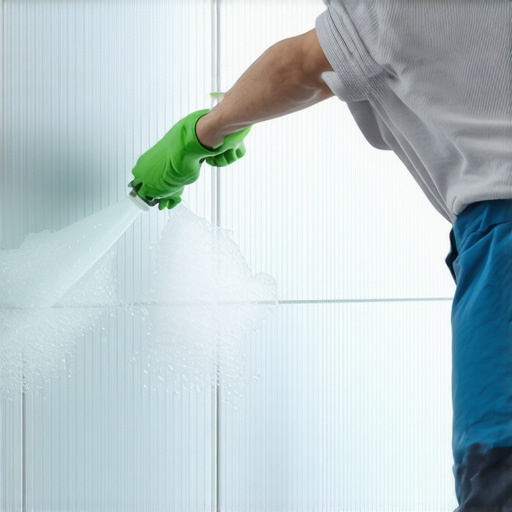
**Prompt:** A technician using a professional-grade grout haze remover with a handheld nozzle, detailed close-up, demonstrating precision cleaning for glass tiles. Alt: Technician applying grout haze remover; Title: Precision grout cleaning tool in action.
How do I maintain flooring and tiling over time?
Developing a routine of gentle cleaning, periodic sealing, and humidity control is key. Regularly inspecting grout lines and baseboards with a flashlight helps catch early signs of issues. Using tools like a silicone scraper prevents buildup around fixtures or edges, especially after shower tile installations. Maintaining your tools—cleaning brushes, replacing worn-out sealant tips—ensures consistent quality work and prevents deterioration of your surfaces. I predict as technology advances, we’ll see smarter sensors integrated into flooring materials for real-time moisture and wear monitoring, further extending their lifespan. Starting with the right tools today will prepare you for these future innovations, making maintenance more effortless than ever.
What I Wish I Knew About Longevity and Precision
One of the most impactful lessons I learned was that patience with detail-oriented steps, like meticulous scribing and sealing, profoundly affects the final outcome. Rushing through these can lead to gaps, leaks, or uneven surfaces that diminish your project’s beauty and durability. The lightbulb moment came when I realized that each seemingly small step, such as applying a thin sealant layer or double-checking the quirkiness of an uneven wall, truly safeguards your work from future problems.
Another revelation was that understanding the true behavior of materials—like how wood expands or how carpet cushions settle—prevents costly repairs down the line. This knowledge prompted me to invest in quality tools, proper planning, and ongoing maintenance routines, transforming my projects from fleeting to lasting investments.
Tools and Strategies That Changed My Approach
Over time, I discovered that certain tools are game-changers. An accurate moisture meter helps prevent hardwood cupping, while a high-quality corner scribing tool ensures tight, professional-looking baseboard joints. For tile and shower sealing, I trust products recommended by top professionals—like specific sealants and membranes—and have learned that their proper application can save hours of frustration later. For seamless carpet installation, a power stretcher tailored for your room size guarantees smoothness and longevity. These resources have empowered me to execute projects with confidence and precision.
Additionally, adopting a proactive maintenance mindset—such as regular humidity control and routine inspections—keeps everything in impeccable condition. This approach is the real secret to making your interior enhancements stand the test of time, transforming a DIY effort into a lifelong investment.
Embrace the Journey and Keep Pushing Forward
Taking on projects like baseboards, carpet installations, or shower upgrades isn’t just about aesthetics—it’s about creating a space that reflects your care and dedication. My encouragement to you is to dive in with confidence, armed with quality tools and the understanding that mastery comes through patience and continuous learning. You have the skills to turn your vision into reality, and every small step you take today builds the durable, beautiful home of tomorrow. Ready to begin your next project? If you’ve ever struggled with perfecting a corner or sealing a niche, share your experiences below—I love hearing your stories and helping troubleshoot!