

Picture this: I’m in the middle of a bathroom remodel, spacing out over my latest tile project, when suddenly I notice a small puddle creeping out from behind the shower bench. My heart sinks. I realize I overlooked a crucial detail—how I sealed the seams. That tiny leak looked innocent enough, but it was a ticking time bomb, threatening to cause water damage behind my walls and mold growth down the line. It was like a lightbulb moment: the devil is in the details, especially when it comes to waterproofing.
Why Seal Properly or Pay the Price
I’ve learned that the difference between a leak-proof shower bench and an ongoing nightmare often comes down to one simple trick: using silicone sealant as the primary barrier. Instead of relying solely on waterproof membranes or complicated flashing, applying a generous bead of high-quality silicone around the seams, corners, and edges creates an immediate, flexible, and reliable water barrier. This felt like a revelation—something so simple yet so often overlooked.
What’s the Big Deal with Silicone First?
Most people, myself included, used to think that waterproof membranes or vinyl liners were enough. But experience—and a good amount of research—shows that silicone sealant is the unsung hero in stopping leaks. According to waterproofing expert John Bridge, silicone’s flexibility handles the expansion and contraction of materials, preventing cracks and leaks over time. However, I must admit, I made a common mistake early on—skimping on the application or choosing a generic sealant. That decision came back to haunt me when a tiny leak started months later, proving that quality and technique make all the difference.
Have you ever faced a stubborn leak around your shower bench that just wouldn’t quit? If so, you’re not alone. This is why I want to walk you through a proven method that’s helped me—and many others—build a truly leak-proof shower bench using the silicone-first trick. Stick with me, and you’ll learn how to avoid my mistake and create a sealing system that endures for years.
Prep the Surface Thoroughly
Start by removing any old caulk, dirt, or mold from the seams using a utility knife and a stiff brush. Ensure the area is dry and free of debris, much like prepping a floor before laying new tile. This step guarantees the silicone bonds properly, preventing future leaks. I once rushed this stage and paid the price—water seeped behind the tile, causing damage. Now, I always dedicate time here.
Apply Painter’s Tape for Clean Lines
Place painter’s tape parallel to the seams on both sides. This creates a neat edge and helps you control the silicone application, similar to framing a picture frame for precision. It’s a simple trick I adopted after struggling with messier seals early in my projects.
Use the Right Silicone Sealant
Choose a high-quality, 100% silicone waterproof sealant rated for bathrooms. Avoid generic products; opt for brands trusted by professionals. During my last shower upgrade, I selected a premium silicone that remained flexible over time, unlike cheaper variants that crack. This choice was crucial in ensuring a long-lasting seal.
Apply the Sealant Carefully
Squeeze the silicone evenly along the seams using a caulking gun. Maintain steady pressure and move smoothly to avoid gaps or blobs. Think of it like icing a cake—consistent flow is key. I once pressed too hard, creating air pockets, which compromised the seal. Now, I master this simple but vital skill for a perfect application.
Tip: Use a Smoothing Tool for Flawless Finish
Immediately after applying, smooth out the silicone with a moist finger or a silicone finishing tool. This helps press the sealant into the seams and creates a sleek surface. I keep a wet sponge nearby for quick smoothing, avoiding the unsightly bumps I had in earlier attempts.
Remove Tape Before Silicone Sets
Pull off the painter’s tape slowly and carefully within 5 minutes of application. This prevents the silicone from tearing or smudging and ensures crisp edges. During one project, waiting too long resulted in jagged lines. This step might seem small, but it dramatically improves the overall look and effectiveness of your waterproofing.
Allow Adequate Curing Time
Let the silicone cure for at least 24 hours before exposing it to water. Avoid cleaning the area or applying grout during this period. Rushing this step is a mistake I’ve made in the past, causing leaks later. Patience here pays off, saving you headaches down the line.
Check Your Work and Repeat if Necessary
After curing, inspect the seams for any gaps or uneven areas. If you find any, reapply silicone as needed. I once noticed a tiny crack and quickly resealed it, preventing a leak. Remember, meticulous attention now prevents costly repairs later. This process ensures your shower remains watertight for years to come.
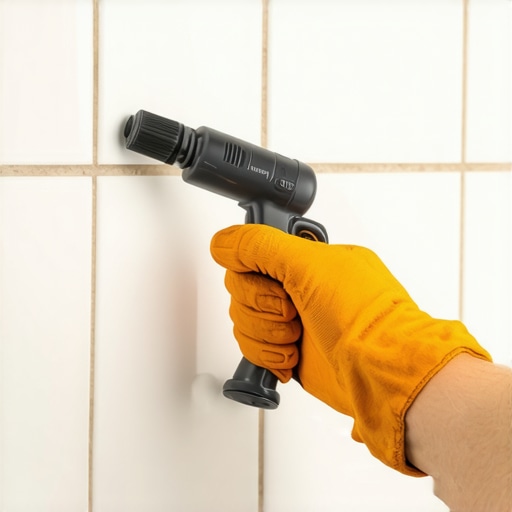 When tackling home improvement projects like installing baseboards, laying flooring, or designing showers, many DIY enthusiasts and even seasoned pros fall prey to misconceptions that can compromise durability and aesthetics. One widespread myth is that simply choosing high-quality materials guarantees a flawless finish. In reality, the meticulous attention to detail during installation is often more critical than the material’s brand name. For instance, in flooring installation, understanding the importance of proper subfloor prep can prevent issues like squeaking or buckling, as explained in detail on [TileCraftsmen](https://tilecraftsmens.com/your-guide-to-durable-flooring-installation-for-a-stylish-home).
Another common mistake involves over-relying on visible finishes like paint or trim to mask underlying flaws. This “cover-up” approach can lead to problems surfacing later, such as gaps between baseboards and uneven cuts around curves. Advanced practitioners know that precise scribing and shimming, which can be explored in [this guide](https://tilecraftsmens.com/the-back-shimming-secret-for-installing-baseboards-on-extremely-wavy-walls), are essential for a professional look.
A frequently overlooked nuance is the interaction between different materials. For example, installing hardwood flooring over a concrete slab without adequate moisture mitigation can cause warping and gaps over time. It’s critical to understand the material behavior and incorporate vapor barriers or acclimation protocols, as discussed in [our flooring trends](https://tilecraftsmens.com/transform-your-home-expert-flooring-installation-tips-for-2025).
Let’s address a question that often stumps even experienced DIYers: How do you ensure a shower niche won’t leak, especially at the corners? The answer lies in understanding the importance of proper flashing and sealing techniques used during tile installation—the subject of detailed technical advice on [shower waterproofing](https://tilecraftsmens.com/why-your-shower-niche-leaks-and-the-flashing-fix-that-stops-it). Skipping or rushing these steps might seem minor but can lead to significant water damage down the line.
One trap I see many fall into is underestimating the importance of curing times for sealants and adhesives. Immediate use or cleaning too soon can compromise the bond, leading to long-term failure—something I experienced firsthand. Patience here isn’t just a virtue; it’s a necessity.
In summary, deepening your understanding of the subtle details, material interactions, and proper techniques transforms a good renovation into a lasting masterpiece. Are you aware of any hidden nuances in your recent projects? Share your experience or questions below, and let’s learn together.
Maintaining your home improvement investments like flooring, showers, and baseboards requires more than just initial craftsmanship; it hinges on using the right tools and adopting effective long-term habits. One essential tool I rely on is a high-quality cordless oscillating multi-tool. Its versatility allows me to trim, sand, or grind in tight spaces without removing large sections. I’ve found the Fein MultiMaster to be particularly reliable, especially for delicate tasks like smoothing grout lines or polishing edges after installation.
Another indispensable piece of equipment is a digital moisture meter. Regularly checking moisture levels in concrete slabs or wood subfloors helps prevent issues like buckling or mold. I check substrate moisture before laying vinyl or tile, ensuring compliance with manufacturer specifications—which, according to this guide, is critical for longevity.
For ongoing maintenance of showers, I swear by a silicone removal tool set. Over time, silicone can degrade or collect mold. Using a proper silicone scraper makes resealing seams more efficient and reduces waste. By maintaining a habit of inspecting and reapplying sealants every few years, I significantly extend the life of my shower enclosures, preventing water leaks and damage.
Scaling is inevitable if you ignore foundational maintenance. Installing a moisture barrier underneath flooring, especially in bathrooms and basements, is a game-changer. I recommend using a vapor barrier like 6-mil polyethylene film during subfloor prep, which aligns with expert advice from trusted industry sources. Proper sealing around baseboards is also vital, and the best way to achieve this is with flexible, paintable caulk combined with meticulous prep—think clean surfaces and masking tape for sharp lines.
How do I maintain my flooring, shower, and baseboards over time?
Developing a routine that includes regular cleaning with low-abrasion products, inspecting seals, and checking for signs of moisture ingress can save you from costly repairs. For example, using a vacuum with a soft brush attachment keeps dust and debris from settling into crevices. Periodic resealing of grout lines and seams prevents water seepage, which can undermine your entire installation. Remember, the key is consistent, proactive care.
Looking ahead, I believe the trend will shift towards smart maintenance systems—integrating sensors that detect moisture or structural shifts. Early detection can mitigate damage before it becomes expensive. Until then, I recommend trying the advanced sealing tip: apply a thin, uniform bead of a high-quality silicone sealant around shower corners and baseboard edges, then smooth with a finishing tool for professional results. It’s simple, effective, and truly extends the lifespan of your installations.
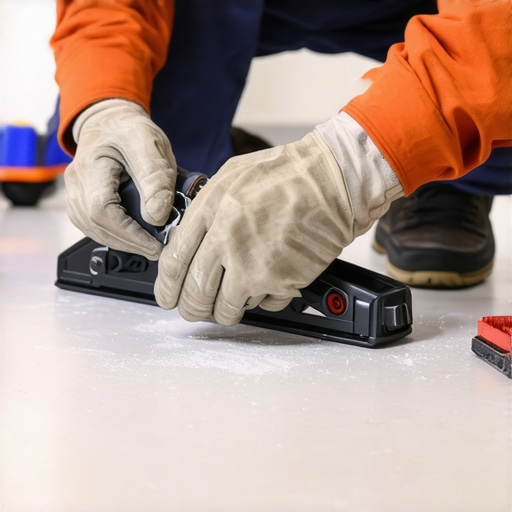
Equipping yourself with the right tools, like a digital moisture meter or a multi-tool, combined with disciplined maintenance, ensures your home improvement projects stand the test of time. Don’t wait for that small leak or creaking to turn into a major repair—be proactive, stay informed, and enjoy the peace of mind that comes with lasting craftsmanship.
The Hidden Lessons No One Tells You About Sealing Masterpieces
After countless DIY projects, I learned that the toughest seals come from understanding your materials’ quirks, not just following standard instructions. One lightbulb moment was realizing that silicone’s flexibility is essential for long-term waterproofing—something that no online guide emphasized enough. I used to think a quick, thick bead was enough, but I discovered that the finesse in application and curing time truly define durability. Additionally, I underestimated the importance of surface prep, often rushing the process and paying dearly with leaks and mold. Now, I’ve refined my technique, and my DIY shower benches stay dry year after year—proof that attention to detail beats shortcuts hands down.