

If you’ve ever tried to install baseboards around doorways and ended up with mismatched heights, you know how frustrating it can be. I vividly remember the moment I finished installing new flooring and was eager to add the finishing touches — only to realize that my baseboards didn’t line up perfectly at the door casings. That tiny misalignment nagged at me every time I walked into the room, making the whole space feel unfinished.
Why I Was Struggling to Achieve a Seamless Look
Initially, I thought I could just cut the baseboards to fit around the door frames, but no matter how precise I was, there was always a slight height mismatch. It wasn’t until I discovered a simple yet underrated trick that everything clicked. This small adjustment made a huge difference, transforming my project from semi-professional to pretty darn neat.
What’s the Big Deal About Matching Heights?
Beyond aesthetics, mismatched baseboards can also make a room look off-balance and less polished. When baseboards are uneven at door casings, it steals attention—not in a good way. The good news is, with a little tweak, you can avoid this common pitfall and achieve a clean, cohesive appearance across your entire space.
Now, you might be wondering if this is really worth your time. Absolutely — especially if you’re particular about the details or planning to sell your home soon. Achieving perfectly aligned baseboards at doorways isn’t just a bragging right; it’s a sign of a careful, quality finish. And trust me, starting off on the right foot with this trick can save you headaches down the line.
The Solution Awaits: How to Match Baseboard Heights Like a Pro
In the sections ahead, I’ll walk you through the straightforward steps I wish I’d known earlier. This method is quick, effective, and without the need for specialized tools. But first, let’s acknowledge a common mistake I made early on that nearly derailed my project—and how you can steer clear of it.
Did I mention this is a common issue? More often than not, folks underestimate how subtle height differences can affect the overall look. According to home improvement experts, paying attention to these small details can elevate a renovation from good to stunning (source).
With that in mind, let’s dive into the foolproof trick that transformed my approach — and I believe, will do the same for you.
,
Start with Precise Measurement
Before making any cuts, I recommend measuring the height difference at multiple points along the doorway. Use a reliable tape measure and note the lowest and highest points. This gives you a range and helps prevent surprises when fitting the baseboards. I once skipped this step, assuming the walls and floors were even—only to spend extra time sanding and adjusting later. Taking these measurements upfront saves you from backtracking.
Use a Scribing Method to Fit Perfectly
To adapt the baseboard to uneven surfaces, employ a scribe or contour method. Clamp a scrap piece of wood along the baseboard and trace the wall or door casing onto it with a pencil. Then, cut along that line to achieve a custom fit. I once had a wavy wall and used this technique, which resulted in a seamless appearance. This method ensures that your baseboards sit flush against irregular surfaces without gaps or overlaps.
Implement the Invisible Join Technique
When installing long runs of baseboards, join sections using the ‘invisible join’ method. Cut the ends at a 45-degree angle, aligning them tightly without gaps. Applying a small bead of wood glue and pinning with finishing nails secures the joint. I once had a 20-foot stretch at a client’s house and used this trick to make the connection practically invisible, elevating the overall look. This approach is especially useful when pieces are cut in separate sessions.
Adjust the Nail Depth and Seal Gaps
Set your nail gun to ensure nails are countersunk slightly below the surface of the baseboard. Use a nail set to drive the nails in flush. Fill the holes with wood putty, then sand smooth. In my experience, this step prevents nail pops and creates a clean finish. Don’t forget to caulk any small gaps between the wall and baseboard for a professional touch, especially at tricky corners.
Seasonal Checks to Maintain Alignment
Walls and floors move with temperature and humidity changes. Periodically inspect your baseboards, especially after seasonal shifts. If you notice gaps or misalignments, a quick reap of the nails or a fresh caulk bead restores the sleek appearance. I learned this the hard way—initially, ignoring seasonal shifts, which led to noticeable gaps during winter. Staying vigilant helps preserve that perfect look year-round.
Refining Your Technique with Expert Tips
For perfect mitered corners, use a miter saw with a sharp blade and measure carefully. Test cuts on scrap before final installation. When tackling tight or irregular corners, consider a back-bevel or coping cut for a snug fit. I once struggled with a complex corner and apprenticed with a pro, who recommended the back-bevel technique, saving me hours of frustration. These small adjustments can dramatically improve the finish.
Additional Resources
Want to keep enhancing your skills? Check out our guide on baseboard upgrades for the latest styles and techniques. And remember, patience and attention to detail make all the difference in achieving a professional-grade result.
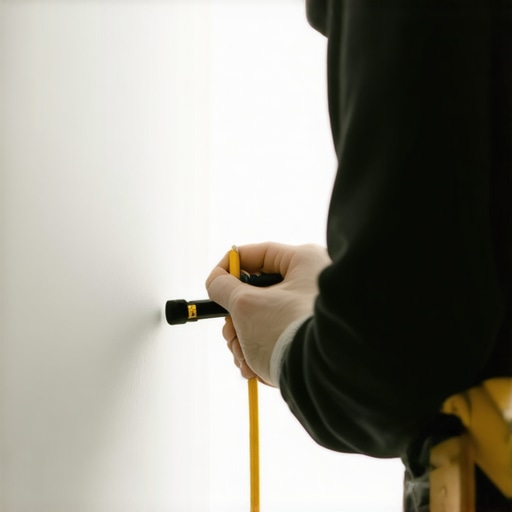 Even seasoned DIYers often fall prey to misconceptions about flooring, shower, or baseboard installation—mistakes that can turn a straightforward project into a costly mess. One common myth is that following basic measurements guarantees a perfect finish. In reality, the subtle differences in wall and subfloor conditions mean that meticulous attention to these nuances separates professionals from amateurs. For instance, many believe that installing flooring directly over existing surfaces is always fine, but studies show that undetected subfloor movement can cause long-term buckling or gaps, especially in high-traffic areas (source).
What do most installers overlook that causes problems down the line?
Advanced installers know that environmental factors and material behaviors play a huge role. For example, when installing showers, a common mistake is neglecting proper sealing techniques around joints, leading to leaks. The flexible sealants, such as silicone, are often applied without considering caulking expansion and contraction, which can cause cracks and water infiltration over time. Proper venting and substrate preparation are equally overlooked, increasing the risk of mold and structural damage (source).
In carpet installation, many assume that stretching the carpet tightly is always best. But over-stretching can cause the carpet to wrinkly or pull away from edges, especially if the subfloor isn’t perfectly level. An often-underestimated factor is the quality of padding—the wrong density can lead to lumps and depressions that develop quickly. Professionals emphasize that choosing the right padding is just as critical as the installation technique itself (source).
Are you making the mistake of overlooking material expansion and contraction?
Expansion gaps are frequently misunderstood or ignored, leading to warped flooring or cracked grout lines. For example, neglecting to leave proper gaps near walls or installing trim without accounting for seasonal shifts causes stress points. Experts advise always leaving a small gap and using appropriate baseboards or transition strips to accommodate movement. Additionally, sealing these gaps with flexible materials prevents debris buildup and maintains a clean look (source).
In my experience, paying attention to these hidden details saves time, money, and frustration—and it’s what elevates a good project to an expert level. Remember, the devil is in the details, and subtle nuances can make or break your install. For advanced tips on finishing touches and avoiding typical pitfalls, check out our comprehensive guide on baseboard upgrades.
Have you ever fallen into this trap? Let me know in the comments.
Deploying the Right Tools for a Professional Finish
One essential aspect of keeping your home’s surfaces in top shape is investing in quality tools that deliver consistent results. I’ve found that using a high-precision miter saw with a zero-clearance insert significantly improves the accuracy of baseboard cuts, reducing gaps at corners. For measuring, a digital laser level ensures that elevations and alignments are spot-on, especially when working on uneven walls or floors. These tools save me time and minimize mistakes, which is critical for projects where long-term durability matters.
When installing flooring, I rely on a rubber mallet with a smooth face for snapping planks into place without damaging them. Coupled with a tapping block, this technique prevents chipping and helps achieve a tight fit. For shower renovations, a quality sealant gun with adjustable pressure allows for precise application of silicone or caulk, ensuring water stays out of areas where moisture can cause long-term damage. Regular calibration of these tools maintains their accuracy, so I recommend periodic checks, especially before big projects.
Best Practices for Long-Term Results
Consistency in maintenance routines extends the life of your installations. Periodically check for gaps or signs of wear, especially after seasonal changes. Re-tightening baseboard nails, resealing grout lines, or reapplying caulk can prevent minor issues from escalating into costly repairs. Personally, I schedule a quarterly inspection of key areas and use a color-matched filler for minor gaps, which preserves the aesthetic integrity.
Another tip I swear by is keeping a small box of essential spare parts—extra nails, paintable putty, and versatile sealants. These enable quick fixes without waiting for a professional, saving both time and money. Maintaining your tools and supplies organized in labeled containers also streamlines your workflow and ensures you always have what you need when tackling maintenance tasks.
Scaling Up Your Home Improvements Effectively
If you’re planning to expand your renovation efforts, consider modular tools that adapt to different surfaces. For instance, an oscillating multi-tool with various attachments allows for sanding, cutting, and scraping in tight spots—ideal for detailed work around complex shower niches or intricate baseboard corners. Investing in a corded version with ample wattage offers the power needed for more demanding tasks, making larger projects more manageable.
Looking ahead, I believe the trend toward smarter home renovation tools will grow, incorporating IoT features for precision tracking and maintenance reminders. Staying informed about these advancements can give you a competitive edge, ensuring your home stays beautiful and functional for years to come. To stay updated, I recommend exploring the latest in flooring trends and maintenance tips at our trend guide for 2025.
How do I keep my surfaces in top shape over time?
Developing a regular maintenance routine is key. This includes cleaning with appropriate products, checking for signs of damage, and reapplying protective finishes when necessary. For example, sealing grout annually prevents stains and water infiltration, extending its lifespan. Similarly, inspecting sealants around showers and re-sealing as needed prevents leaks that could lead to mold growth or structural issues. Following these practices ensures your home continues to look polished and functions properly long after installation.
If you’re ready to elevate your home maintenance game, start by applying one of these advanced techniques today—perhaps the use of a laser level for flawless alignment or a proper caulk gun for seamless sealing. Making these small adjustments now will pay off in durability and beauty for years to come.

The Future of Home Maintenance Tools
Looking forward, I see a clear evolution toward smarter, more connected tools that can provide real-time feedback and tailored advice. From app-enabled laser levels to AI-driven maintenance schedules, embracing these innovations can simplify complex tasks and prevent costly mistakes. Staying ahead of the curve means investing not just in quality tools but also in ongoing education about emerging technologies that will shape the next wave of home improvement excellence.
Achieving a perfect finish in your home renovation, especially when it comes to baseboards, flooring, and shower upgrades, is as much about attention to detail as it is about the right techniques. Throughout this journey, I’ve uncovered valuable lessons that transformed my approach and can do the same for you.
The Hidden Lessons That Changed My Perspective
- Overconfidence Can Be Costly: Believing that simple measurements alone guarantee flawless results led me to overlook subtle wall irregularities. I now know that every surface holds surprises, and embracing a meticulous scribing process is essential for seamless finishes.
- Tools Matter More Than You Think: Investing in quality, precise tools, like a digital laser level and sharp miter saw, dramatically reduces errors. They’ve become my secret weapons for consistent, professional-looking results.
- Don’t Underestimate Seasonal Movements: Ignoring how temperature and humidity affect materials can cause gaps or warping over time. Regular seasonal checks and accommodating expansion gaps have saved me headaches down the line.
- Sealing and Filling Are Equal Parts Art and Science: Properly countersinking nails, filling gaps with quality caulk, and trusting expert techniques elevates a project from decent to stunning. Skipping these steps is a common pitfall I now avoid.
Tools That Have Revolutionized My Home Projects
- Digital Laser Level: It ensures precise alignment on uneven surfaces, saving time and preventing crooked installs. I trust it for all my baseboard and flooring projects.
- High-Quality Miter Saw: Sharp blades and accurate angles are non-negotiable, especially for tight corners. My saw has become my go-to for seamless miters that don’t need extra touch-ups.
- Reliable Caulk Gun and Sealants: Applying sealant with control prevents leaks and gives a clean, professional look—key in shower remodeling and baseboard finishing.
- Comfortable Tapping Block and Mallet: Achieving tight planks or panels without damaging them is made easier with the right tools, ensuring long-lasting results.
Step Forward with Confidence
Applying these insights and tools transforms home improvement from a daunting task into an enjoyable journey. Each small detail, from scribing the wall to choosing the right expansion gap, contributes to a finishing touch that lasts for years. If you’re ready to take your skills to the next level, start with one technique today—like perfecting your baseboard joints or managing seasonal shifts—and watch your projects elevate from good to extraordinary.
Have you ever struggled with that one tricky corner or gap that just wouldn’t align? Share your experiences below and let’s learn together!