

Ever had the sinking feeling when you glance down at your living room floor—or worse, step onto a damaged vinyl plank—and realize a small accident or wear has turned your beautiful space into a patchwork of imperfections? I’ve been there. That moment of frustration, thinking I’d have to redo the entire flooring, was a real eye-opener. Then I stumbled upon a simple yet effective trick that transformed how I approach repairs: the suction-cup method for replacing individual vinyl planks.
Why a Tiny Change Can Save You Big Headaches
Allow me to share my lightbulb moment. A few months ago, a glass slipped out of my hand and shattered on the floor, taking a chunk out of a vinyl plank near the couch. My first instinct? Panic—and then the daunting thought of replacing the entire section. But after some digging and trial, I discovered the suction-cup technique that makes removing and replacing a single damaged plank surprisingly straightforward.
This method isn’t just a hack; it’s a game-changer because it allows you to tackle repairs without ripping up your entire floor or risking further damage. What’s more, with just a few tools and a bit of patience, I managed to make the repair look seamless. Trust me, once you see how simple it is, you’ll wonder why you didn’t try it sooner.
Is the Suction-Cup Method Really Worth the Hype?
I’ll admit, I was skeptical at first. I’ve made my share of DIY flooring mistakes—like gauging the wrong adhesive or rushing the glue-up process, which only made matters worse. Early on, I tried prying the planks loose with common tools, but I ended up damaging more than just the one I wanted to replace. It was a costly and frustrating mistake, especially since I didn’t want to redo the entire room just because a single plank had a blemish.
However, the suction-cup trick, when done correctly, offers a controlled way to lift the affected plank with minimal damage. If you’re nodding along because this sounds familiar, you’re not alone. Many homeowners face this exact dilemma, and surprisingly, this approach is backed by flooring professionals who care about preserving your existing subfloor and avoiding costly replacements.
Implementing the suction technique requires understanding some key pitfalls—like choosing the wrong type of suction cup or applying excessive force early on. I learned the hard way that inconsistent pressure can crack the vinyl or dislodge surrounding planks. But with a bit of practice, I started to get a real feel for it, and that’s when the magic happened.
Now, if you’re tired of facing the same dilemma or just want to be prepared for those little mishaps, keep reading. I’ll share step-by-step instructions to help you master this technique and keep your floor looking flawless. And, if you’ve already faced a damaged plank but hesitated to fix it yourself, I’ll explain why you don’t have to call a pro—unless you want to, of course! For more seamless flooring tips, you might find it helpful to explore our guide on how to choose the right carpet for a cozy living space.
Prepare Your Tools and Workspace
Before diving into the repair, gather a sturdy suction cup with a large surface area, a utility knife, clean cloths, and some plastic pry tools. Clear the area around the damaged plank, and vacuum or sweep to remove debris. I remember a time when I rushed to grab tools, only to realize I needed an extra set of hands to hold the suction cup steady—planning ahead saves time and frustration.
Identify the Damage and Mark the Plank
Locate the vinyl plank that needs replacing. Use painter’s tape to mark its edges for clarity. Be precise; misalignment can cause uneven flooring. I once hurried through this step and ended up removing the wrong plank, which added hours to the repair. Taking a moment to double-check your target saves headaches later.
Apply the Suction Cup Properly
Find the Best Spot for Maximum Grip
Choose a flat, clean section of the damaged plank. Wipe the area with a cloth to remove dust and grease that impair suction. Place the suction cup center on the marked area. In my experience, pressing firmly and ensuring a tight seal is crucial—otherwise, the cup slips during the lift. Think of it as trying to pick up a slimy fish; a good grip makes all the difference.
Use Controlled Lifting Technique
Gradually pull upward, maintaining steady pressure. Don’t yank; instead, use gentle, rhythmic pulls. During my first attempt, I applied too much force, cracking the vinyl around the damaged zone. Instead, I learned to use small, incremental pulls—like peeling a sticker—this method minimizes damage.
Loosen and Lift the Damaged Plank
As the plank begins to lift, slide a plastic pry tool underneath to help free any adhesive or locking mechanisms. Be cautious; vinyl can crack if over-torqued. I once used a metal chisel by mistake and ended up damaging neighboring planks, which taught me the value of gentle, plastic tools here. The goal: create enough lift to remove the plank without disturbing surrounding flooring.
Replace or Repair the Plank
If you have a matching replacement, align it carefully—using the tongue-and-groove system—and press down firmly. For minor damage, some prefer using a vinyl repair kit, but replacement yields the best visual result. I once patched a small crack with adhesive, but the repair was visible, so I opted for full replacement next time. Expert advice suggests ensuring the new plank is well-seated, preventing future gaps.
Final Checks and Clean-Up
Press along the edges to lock the plank in place. Wipe the area and look for any gaps or unevenness. If needed, give the plank a gentle tap with a rubber mallet wrapped in a cloth. I once forgot to re-press a corner, which caused a noticeable bump; instantly, I learned to double-check my work before finishing.
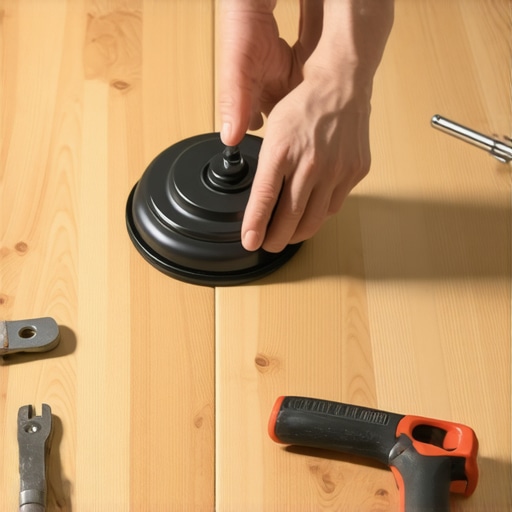
Applying the suction cup with steady pressure ensures minimal damage during vinyl plank removal. The right technique makes all the difference.
Many DIY enthusiasts believe that straightforward tasks like installing a shower or laying flooring are simple, step-by-step processes where following the instructions verbatim guarantees success. However, **these assumptions often lead to costly mistakes** if you overlook certain nuances or fall prey to myths. For example, a widespread misconception about shower waterproofing is the belief that applying a single layer of sealant is sufficient. In reality, expert guidance suggests a multi-step sealing process for a truly leak-proof shower, as detailed in our guide on sealing shower joints effectively.
One of the biggest errors in flooring installation is the misuse of expansion gaps. Many assume that just leaving a small gap around the perimeter is enough. Yet, **not understanding the importance of proper expansion allowances and the right subfloor prep can lead to buckling and separations over time**. It’s crucial to follow best practices outlined in professional flooring installation tips and pay close attention to the detailed steps involved.
When it comes to baseboards, a common myth is that they just serve a decorative purpose and therefore don’t require precise measurement or installation techniques. This myth is especially problematic in homes with uneven or curved walls. Using advanced techniques like scribing or shimming baseboards ensures a tight fit, preventing gaps and future cracks. For more in-depth ideas, see our latest baseboard trends.
Let’s address a tricky question that often stumps even seasoned DIYers: How can I ensure my shower doors and baseboards stay sealed and aligned over the long term, especially with temperature fluctuations and building movement? The key lies in understanding material expansion, contraction, and choosing the right sealing materials. Flexible sealants, like silicone, accommodate movement better than traditional caulking. Additionally, proper substrate preparation and use of shims or adjustments during installation guarantee longevity. For comprehensive insights, explore our flexible sealing tips for showers.
Beware of the trap where many fall: rushing the prep phase, ignoring manufacturer guidelines, or dismissing the importance of detailed measurements. Skipping these steps essentially sets the stage for leaks, cracks, and future repairs, which could cost far more than the initial investment in careful workmanship. According to a study by the National Association of Home Builders, **up to 70% of home repair costs are caused by early mistakes** that could have been avoided with better planning and understanding of the nuances.
In summary, success in installations like showers, flooring, and baseboards hinges on understanding the intricacies—beyond just following generic DIY tutorials. Mastering these advanced nuances not only saves money but also creates a durable, professional-looking result. Have you ever fallen into this trap? Let me know in the comments.
Investing in the Right Tools for Long-Lasting Results
Maintaining your flooring, baseboards, and shower installations demands more than just routine inspection; it requires the proper tools that combine precision with durability. One of my most trusted pieces of equipment is a high-quality oscillating multitool. Its versatility allows for delicate tasks like trimming caulking or removing stubborn grout without damaging surrounding surfaces. I personally swear by the Fein MultiMaster because of its powerful motor and variety of attachments, which give me control and finesse during delicate repairs.
Another essential is a digital moisture meter. Regularly checking moisture levels in subfloors and behind baseboards helps prevent issues like warping or mold growth. I rely on the Wagner Meters MMC220 because it provides rapid readings with high accuracy, enabling me to catch potential problems early before they escalate into costly repairs.
For cleaning and routine inspections, a cordless vacuum with HEPA filtration ensures debris and dust are eliminated, which is critical for maintaining adhesion during repairs or installations. The Dyson V11 is my go-to because of its suction power and maneuverability, making it easy to keep the workspace clean and debris-free.
Anticipating the Future of Maintenance Tools
Looking ahead, advancements in smart tools and IoT connectivity are poised to revolutionize home maintenance. Imagine a tablet that alerts you when moisture levels exceed safe thresholds or a drill that automatically adjusts torque based on material resistance. These innovations promise to make DIY maintenance more intuitive and error-proof, empowering homeowners to prolong the life of their investments with minimal hassle.
How do I keep my flooring and baseboards functioning over time? Simple maintenance, like applying a high-quality silicone sealant to edges and joints every few years, can prevent water infiltration and damage. Additionally, routine re-sanding of baseboard joints and touch-up painting keep everything looking sharp and prevent cracks from forming. Incorporating these small steps ensures your installations remain durable and attractive for decades.
If you’re ready to elevate your maintenance game, consider trying the tip of reapplying silicone sealant with a masking tape trick for neater beads. This quick step can dramatically improve the appearance while reinforcing waterproofing—especially around bathroom fixtures and shower enclosures. For more detailed guidance, visit our flexible sealing tips for showers.
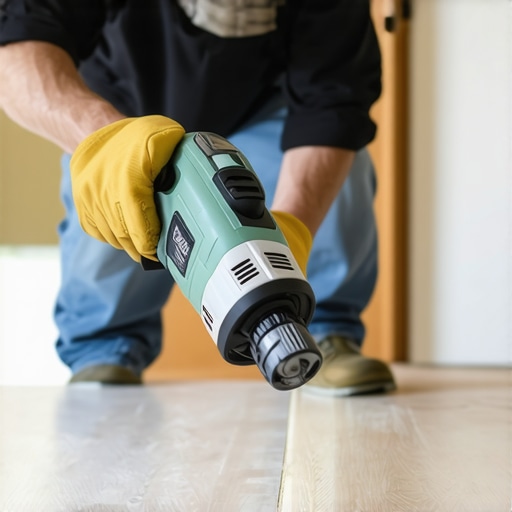
Using a high-quality oscillating multitool allows for precise, damage-free repairs, extending the lifespan of your flooring and baseboards.
Maintaining your home’s foundation isn’t only about fixing problems as they arise but establishing a proactive routine with the right tools. For example, incorporating moisture monitoring into your regular maintenance checklist ensures early detection of hidden issues, preventing larger repairs down the line. This approach aligns with the recommendations found in expert-level resources and can dramatically increase your home’s durability.
Start by integrating a moisture meter into your toolset and schedule semi-annual inspections—it’s a small investment for peace of mind and long-term savings. Remember, the key to «keeping it working» lies in consistent, informed care. Ready to give it a shot? Try reapplying your sealant using that precise masking tape technique I mentioned—it’s a small step that makes a big difference!
My Best Lessons About Flooring and Showers That No One Tells You
- In my early DIY attempts, I believed that more force always meant a better fix. Turns out, patience and finesse are key—especially when lifting vinyl planks or sealing shower edges. Rushing often causes more damage and extra expenses.
- I used to overlook the importance of proper tool selection; a cheap suction cup would slip, leaving me frustrated. Investing in quality tools like a reliable oscillating multitool or a moisture meter changed my entire approach to home repairs, making them more precise and less stressful.
- Thinking that all repairs could be quick and straightforward was my biggest myth. Sometimes, tackling a small issue like a cracked vinyl or a leaky shower requires detailed planning and careful execution—taking extra time now saves headaches later.
- Ignoring the subtle signs of underlying problems—like minor warping or loose grout—can escalate. Regular inspections and proactive fixes, guided by expert advice, help maintain your home’s integrity over the years, rather than just patching symptoms.
- Lastly, I learned that combining traditional techniques with modern solutions, like using shims or flexible sealants, creates more durable results. Embracing continuous learning from seasoned professionals and reliable guides fuels ongoing home improvement successes.
Tools and Resources That Have Transformed My DIY Journey
- Fein MultiMaster Oscillating Tool: Its versatility and precision have saved me from accidental damage and made delicate repairs like corner scribing and grout removal much easier.
- Wagner Meters MMC220 Moisture Meter: Spotting hidden moisture issues before they become costly fixes keeps my flooring and walls looking perfect and prevents mold growth—this tool is invaluable for proactive maintenance.
- High-Quality Silicone Sealants and Painter’s Tape: Applying sealants neatly and effectively around showers and baseboards has dramatically improved waterproofing and aesthetics, saving me from future leaks and ugly caulk lines.
- Professional Guides and Blogs: Trusted websites like expert flooring installation tips and shower renovation ideas offer insights that help me avoid common pitfalls and refine my skills continually.