

It was a weekend project, and I thought I was all set. But when I finished and turned on my shower, I noticed a slow drip from the niche. My stomach sank. Turns out, I skipped a crucial waterproofing step that most pros overlook—something so simple yet so vital for preventing leaks. If you’ve ever dealt with recurring mold or water damage despite what seems like solid tile work, chances are, you’re missing this key detail.
Why Waterproofing Niches Properly Is a Game-Changer
In my early days of tiling bathrooms, I believed the tile alone would do the job of keeping water out. Spoiler alert: it doesn’t. Waterproofing a niche isn’t just about adding membrane or sealant at the edges; it’s about creating a comprehensive barrier that protects the entire cavity from moisture infiltration. Failing to do this properly can lead to leaks behind walls, mold growth, and even structural issues down the line.
Research shows that improper waterproofing is one of the leading causes of bathroom remodel failures, often resulting in costly repairs. A little extra effort during the waterproofing phase can save you from headaches—and dollars—in the future.
Have you ever had a leak that seemed to come out of nowhere, even after seemingly perfect tile installation? You’re not alone. I once made the mistake of assuming that sealing the edges was enough, only to deal with a slow leak later. That experience taught me that it’s often the small, overlooked steps that make all the difference.
Is skipping extra waterproofing really risky enough to ignore?
Let me be honest—I used to believe that if the grout looked sealed, I was safe. But grout can crack or shrink and leave tiny gaps, letting water seep behind the tile. The real trick is to ensure the entire niche cavity—the back and sides—is sealed with a waterproof membrane or coating before tile installation. This extra layer acts as a failsafe against water infiltration, especially in humid environments.
If you want to avoid the frustration of water damage, I recommend digging a little deeper into the waterproofing process. It’s surprisingly straightforward, and I’ve included some tips and tricks you won’t want to miss, like how to properly apply a membrane that remains flexible over time, ensuring long-lasting protection.
Curious? Let’s dive into the step-by-step game plan that will keep your shower niches dry and worry-free—no more leaks, no more mold. Ready to become a waterproofing pro? Keep reading, and I’ll guide you through the process with practical advice rooted in experience and proven techniques.
Apply a Waterproof Membrane to the Entire Niche
Start by choosing a reliable liquid or sheet membrane designed for wet areas. I once used a flexible waterproofing liquid that I applied with a brush to the back and sides of my niche, making sure to cover every surface thoroughly. Use a roller or brush to achieve a smooth, even coat, avoiding drips or thin spots. This layer acts like a raincoat for your shower, preventing water from seeping behind tiles and into the wall cavity.
Create a Seamless Seal with Helpful Tips
Next, focus on the edges where the membrane overlaps with existing waterproofing or drywall. Use a quality sealant or primer compatible with your membrane to ensure a strong bond. I recommend double-checking with a small test section first to verify adhesion. Proper sealing prevents leaks at vulnerable joints, much like sealing seams in flooring or carpet installations to prevent moisture infiltration.
Build Up with Multiple Layers
Apply at least two coats of your chosen membrane, allowing sufficient drying time (usually a few hours between coats). In my project, I let each layer cure fully before adding the next, which prevented bubbles or cracks. Think of this like layering grout in tile work; multiple thin layers are more effective than one thick coat, providing a durable moisture barrier that remains flexible over time.
Scribe and Seal Corners and Edges
Pay special attention to corners and edges, which are prone to leaks. Use a putty knife or scribing tool to shape the membrane into tight corners, pressing firmly to create a continuous seal. I once sketched a quick corner template to ensure consistent coverage, which saved me from potential leaks. This step is crucial—imagine the caulking around baseboards that needs to be fully sealed to prevent water infiltration.
Perform a Leak Test Before Tiling
Once the membrane has cured, pour a small amount of water into the niche and watch for leaks over 24 hours. Use painter’s tape to mark water levels and check for drops or seepage. I once caught a tiny pinhole during this test, allowing me to spot it before tiling. Don’t skip this step; it’s your best chance to catch any flaws early and save yourself future headaches.
Reinforce with a Final Protective Layer
If desired, add a final coat of waterproof sealant or paint over the membrane for extra protection and peace of mind. Think of it like adding a varnish layer on wood—it doesn’t replace the waterproofing but enhances durability. This extra step is especially worthwhile if you live in a humid climate or have experienced water issues before.
Remember, this process is straightforward but demands attention to detail. Taking the time to thoroughly waterproof your niche now will prevent costly water damages later, much like using proper waterproofing in flooring installations or sealing baseboards. Incorporate these steps into your shower renovation, and you’ll build a leak-proof sanctuary that stands the test of time.
While many homeowners and DIY enthusiasts believe they understand the basics of installing showers, carpet, flooring, and baseboards, some crucial nuances often go unnoticed, leading to long-term issues. Let’s dig deeper into what most people get wrong and the subtle pitfalls that can undermine your projects.
Why Assumptions About Waterproofing Can Cost You
Many believe that applying a waterproof membrane solely to visible areas, like the shower floor or niche surfaces, suffices. However, water can seep through tiny imperfections in seams or behind tiles if the entire cavity isn’t properly sealed. This misconception often results in hidden leaks behind walls, mold growth, and costly repairs down the line. For example, experts have emphasized the importance of continuous waterproof barriers over isolated patches—something overlooked when rushing through the prep. Learn more about the essential steps at https://tilecraftsmens.com/shower-renovation-ideas-modern-designs-for-a-luxury-feel.
Misjudging the Role of Subfloor Preparation
When installing flooring, many assume that leveling the subfloor is enough. In reality, neglecting to identify and repair spongy or uneven spots can cause tiles to crack or vinyl planks to misalign over time. Proper testing methods, like the thumping test, help detect hidden voids. Failing to address these subtle issues can lead to the dreaded “lumpy” floor or even dangerous unevenness—a trap many fall into. A comprehensive subfloor prep ensures durable, flawless results (see https://tilecraftsmens.com/the-dry-fit-rule-for-leak-proof-shower-pan-liners for related tips).
Common Carpet Installation Pitfalls that Damage Comfort
Many believe that stretching the carpet sufficiently is enough to prevent wrinkles or peaks. But over-stretching can damage the carpet or weaken the backing, leading to premature wear. Conversely, insufficient stretching allows ripples to form, creating trip hazards and aesthetic issues. The secret lies in proper stretching techniques and understanding padding quality, as detailed here: https://tilecraftsmens.com/carpet-install-secrets-achieving-flawless-results-every-time. Remember, even small miscalculations in seam placement or padding density can cause the carpet to feel uneven and look less inviting.
Overlooking the Importance of Precise Baseboard Fitting
Baseboards are often treated as secondary; many skip proper miters or don’t account for wall or floor irregularities. This oversight results in gaps, visible seams, or uneven heights. Advanced installers pay close attention to detail—using techniques like the 45-degree miter cut or scribing to uneven floors—to achieve tight, professional-looking joints. For tips on matching wood grain and perfecting these details, visit https://tilecraftsmens.com/how-to-match-wood-grain-when-piecing-baseboards. Remember, small gaps can allow drafts or water infiltration, and subtly ruin the overall look.
Is There a Hidden Danger in Cutting Corners?
Cutting corners during installation—whether by skipping testing, rushing the sealing process, or ignoring minor irregularities—often leads to significant setbacks. An advanced understanding reveals that meticulous prep and thorough testing, like leak tests for showers or moisture checks for floors, are essential steps many overlook. Skimping here can turn a seemingly straightforward project into a renovation nightmare.
Let’s not forget that recognizing these nuances and avoiding common myths can save you time, money, and future headaches. Dive into detailed guides and expert tips to elevate your DIY game and ensure durable, professional results. Have you ever fallen into this trap? Let me know in the comments and share your experiences!Maintaining your home improvement projects is crucial to ensuring their longevity and performance. When it comes to showers, flooring, and baseboards, using the right tools and adopting effective maintenance routines can save you time and money in the long run.
Invest in Quality Tools for Precision and Durability
For shower waterproofing, I highly recommend using a high-quality silicone gun with a rapid-curing process. This tool helps you apply consistent bead seals around niches and joints, ensuring a watertight finish that lasts. Incorporating a moisture meter during the installation phase can also identify hidden dampness in subfloors or walls, preventing future issues like mold and rot.
Similarly, for flooring, a tension-mounted puller or power-stretcher is essential. These tools allow you to re-tension loose vinyl or carpet without damaging the material. For baseboard installation, a fine-tooth saw paired with a miter box guarantees precise cuts, preventing gaps and misalignments over time.
Maintain Your Installations with Routine Checks
Regular inspections of sealant joints around showers can catch small cracks before they turn into leaks. Applying a flexible sealant or waterproof paint every couple of years sustains the protective barrier. For flooring, cleaning and reapplying topcoats or sealers extend the surface’s life, especially in high-traffic areas. Baseboards should be checked for loose nails or gaps; resealing or re-nailing these spots preserves wall integrity and aesthetics.
Leverage Modern Software for Planning and Troubleshooting
Digital tools can simplify your maintenance routines. I use apps that track humidity levels and schedule upkeep tasks based on usage patterns. For complex flooring layouts, design software allows you to visualize cuts and seams, minimizing waste and ensuring alignment. These tools are becoming indispensable as homeowners seek more control over their projects, especially as trends move toward more intricate designs.
What’s the Future of Home Maintenance?
Emerging technologies like predictive diagnostics, powered by IoT sensors, promise to alert you proactively when moisture levels or structural stresses increase beyond safe thresholds. This shift toward preventative care will make home maintenance more efficient, reducing emergency repairs and extending the life of your investments.
If you’re ready to take your maintenance game to the next level, I suggest trying the advanced sealing techniques with liquid latex or exploring the latest waterproofing membranes that remain flexible over years. These methods have saved me from costly repairs and can be easily incorporated into ongoing maintenance routines. For detailed step-by-step guidance, visit our privacy policy page and start optimizing your home now!
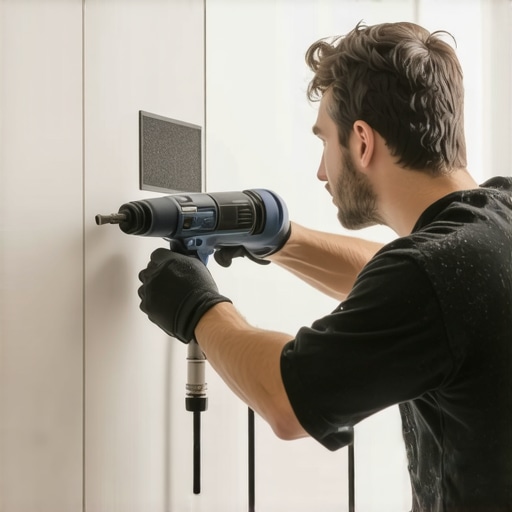
Throughout my journey with bathroom renovations, I discovered that some of the most impactful lessons come from embracing the nuances that many overlook. The biggest breakthrough? Recognizing that the smallest details in waterproofing and installation can make or break your project’s longevity. When I initially underestimated the importance of comprehensive sealing, I faced costly repairs and frustrating leaks — a tough but valuable lesson. Now, I know that meticulous attention to every seam, corner, and layer isn’t just a recommended step; it’s the foundation of durable, worry-free updates.
Lessons That Changed My Approach to Home Upgrades
- Never assume a visual seal is enough. Grout and caulk can crack or shrink over time, allowing water behind tiles or flooring. That’s why applying a full layer of waterproof membrane to the entire shower niche or carefully sealing all edges has been a game changer.
- Test before you trust. Performing leak tests with water in the niche or pouring a small amount on the floor before tiling can reveal hidden flaws early, saving you from major repairs later.
- Pay attention to the corners and edges. These are the most vulnerable points for leaks. Precise sealing and applying flexible membranes around corners ensure a continuous moisture barrier that stands the test of time.
- Use quality tools and materials. Investing in a good waterproofing membrane, sealants, and application tools has helped me achieve professional results that last years longer.
- Embrace patience in multiple layers. Applying two or more thin coats of waterproof membrane, letting each cure properly, creates a resilient barrier versus rushing with a single thick coat.
My Go-To Resources for Home Improvement Wisdom
- Guide to Modern Shower Renovations — A comprehensive resource that walks through innovative design and sealing techniques that prevent leaks from the start.
- Creating a Spa-Like Shower Experience — Offers practical tips on waterproofing and finishing touches for a luxurious, worry-free space.
- Expert Flooring Tips for Lasting Style — Shares insights into proper subfloor prep and sealing methods that prevent future damage.
- Elevate Your Space with Perfect Baseboards — Details on precise measurements, cuts, and sealing techniques for a polished look that withstands daily wear and environmental changes.
Your Next Step Toward a Leak-Free Home
The journey toward a durable, beautiful bathroom and flooring project begins with understanding the importance of every step — from choosing quality materials to applying meticulous waterproofing. Don’t let overlooked details become your home’s Achilles’ heel. Instead, embrace these lessons, utilize trusted resources, and approach each project with confidence and care. Remember, the effort you put in now not only safeguards your investment but also transforms your space into a sanctuary of comfort and reliability.
Are you ready to implement these secrets in your next renovation? Share your experience below, and let’s build leak-proof, stunning homes together!
.