
It was one of those mornings where I stepped onto my freshly installed carpet, expecting a soft, luxurious feel underfoot. Instead, I was met with a surprisingly firm and almost uncomfortable surface. That lightbulb moment made me realize I had overlooked a crucial detail during my installation process — the padding density. Since then, I’ve had to troubleshoot why my new carpet doesn’t feel as cozy as I envisioned, and I want to share what I’ve learned so you don’t make the same mistake.
Understanding the Padding Puzzle
When installing new carpet, it’s tempting to focus solely on the aesthetics or the type of pattern, but the secret to that plush, cushioned feeling lies beneath — the padding. Many folks, including myself early on, underestimate how vital padding density is. A common mistake is choosing a padding that’s too dense or not dense enough, and it transforms the experience entirely. A too-dense padding can make your carpet feel hard and less forgiving, while a padding that’s too soft could lead to premature wear.
What I didn’t realize initially was how padding compression affects comfort. A study by the Carpet and Rug Institute underscores that proper padding can significantly influence carpet durability and comfort, emphasizing the importance of selecting the right density for your specific needs. Trust me, the difference in feel is night and day.
Have You Faced This Problem Before?
If you’ve ever installed a carpet and felt like you needed a pair of crampons just to walk across it, you’re not alone. It’s a frustrating feeling, especially when you expect your new flooring to be that cozy retreat you had in mind. The good news? There’s a straightforward way to fix it — and it starts with understanding the role of padding and how to choose the right one for your space.
In the next sections, I’ll walk you through how to identify the padding issue and what steps you can take to make your carpet feel plush again. If you want a home that invites you to sink your toes in, mastering this knowledge is essential. Ready to transform your walking experience? Let’s dive in.
Select the Right Padding for Comfort and Durability
Begin by removing the existing carpet if possible, then inspect the padding underneath. Use a measuring tape to assess the thickness and a scale to determine the density—look for padding codes or labels indicating lb/ft³. During my recent project, I laid out multiple padding options, testing their firmness by pressing with my hand—aim for a medium firmness that offers cushion without feeling firm or sinking excessively.
Remove and Replace Padding
Lift the carpet edges carefully using a knee kicker or pry bar, then peel back the carpet to expose the padding. Cut the old padding into manageable sections with a utility knife. Lay down the new padding, aligning it properly and securing it with staples along the edges, ensuring it is smooth and even to prevent creating bumps later. I learned this trick during a flurry of trial and error—once I properly secured the padding, the carpet stretched more evenly, eliminating ripples.
Stretch and Secure the Carpet Properly
Reinstall the carpet, starting at one wall and using a power stretcher or a knee kicker to stretch the carpet tight. Focus on the areas that felt bumpy or loose before. When stretching, I worked slowly from wall to wall, making sure there were no slack areas or wrinkles. Proper tension is key—over-stretching can tear the carpet, so proceed gradually. Use a carpet tucker to press the edges into the tack strips for a tight fit.
Double Check Your Work
Walk across the newly stretched carpet with a weight or object to test for lumps or ripples. Re-stretch sections as needed. Use a seam roller or a flat iron to smooth out transitions between seams if your carpet has joins. Remember, patience during the stretching process directly affects the plushness of the finished surface.
Tackle Problem Spots with Strategic Fixes
If small bumps persist, lift the affected area and add additional staples or tack strips underneath to firm it up. For larger issues, consider re-stretching the entire room. During one project, I encountered a stubborn ripple near a doorway; I removed the carpet, re-stretched it with a power stretcher, and secured it tightly—immediately, the bump vanished, restoring a uniform feel.
Prevent Future Lumps
Ensure the subfloor is clean, level, and free of debris before installation. Use a leveling compound if necessary, especially on uneven surfaces. Adequate insulation and padding adjustment can also prevent the carpet from feeling spongy or lumpy over time. Reviewing [your flooring options](https://tilecraftsmens.com/your-guide-to-durable-flooring-installation-for-a-stylish-home) can help in selecting the best base for long-term comfort.
Check and Maintain Regularly
Periodically inspect your carpet to spot early signs of ripples or unevenness. Prompt re-stretching when needed prevents larger lumps and prolongs the carpet’s lifespan. This proactive approach keeps your floors looking and feeling their best for years to come, ensuring every step is as plush as intended.
 Even seasoned DIY enthusiasts can fall prey to misconceptions when it comes to intricate details like baseboards or shower tiles. A common myth is that nail or glue placement is enough to ensure longevity, but in reality, neglecting the subtle nuances, like the importance of proper sealing and expansion gaps, can lead to costly repairs. For example, many assume tight-fitting baseboards will prevent cracking, yet without considering substrate movement or proper caulking techniques, cracks can still appear over time. Mastering these details is essential for a flawless finish.
In shower installations, there’s a misconception that waterproofing is solely about sealing the surface. However, understanding the properties of vapor barriers and the correct layering sequence is crucial to prevent leaks and mold growth. An overlooked mistake is neglecting to slope floors adequately or failing to install proper flashing, which can cause water to seep behind walls, leading to structural damage.
Advanced contractors know that the key to durable flooring isn’t just choosing quality materials but also preparing the subfloor meticulously. Skipping proper leveling or ignoring moisture testing can cause tiles to crack or lift prematurely. For carpets, many believe that padding density alone determines comfort, but uneven subflooring or poor stretching techniques have a more significant impact. The real challenge is coordinating these elements seamlessly.
What most people get wrong about these installations is not just a lack of knowledge but an underestimation of the subtle factors. For example, in flooring, temperature fluctuations cause expansion and contraction; ignoring this can cause gaps or buckling. According to industry standards, proper acclimation and allowing for movement are non-negotiable steps that prevent future issues.
One trap to beware of is over-tightening nails or screws in baseboards or trim, which can cause splitting or pop-outs over time. Instead, leaving slight gaps and filling them with flexible caulks accommodates natural expansion.
Engaging with these advanced nuances elevates your craftsmanship and saves money in the long run. If you’re interested in deeper insights, check out [your comprehensive guide to durable flooring installation](https://tilecraftsmens.com/your-guide-to-durable-flooring-installation-for-a-stylish-home). Have you ever fallen into this trap? Let me know in the comments.
Tools I Recommend for Professional-Grade Results
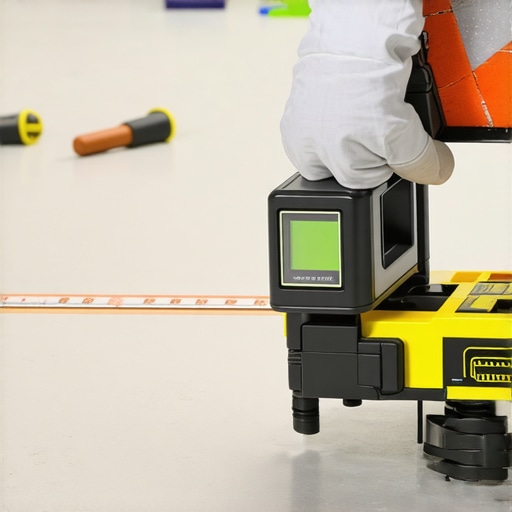
Maintaining your home improvements requires not only skill but also the right equipment. I swear by my cordless oscillating multi-tool for precise, dust-free cuts when trimming baseboards or prepping surfaces before installation. Its versatility allows me to sand, cut, and scrape with a single device, saving time and ensuring clean edges. For measuring and leveling, I rely on a laser level; it’s indispensable for ensuring straight cuts, perfect alignments, and level surfaces, especially on uneven subfloors. I prefer brands like Bosch or Dewalt, which offer durability and accuracy that I trust on every project.
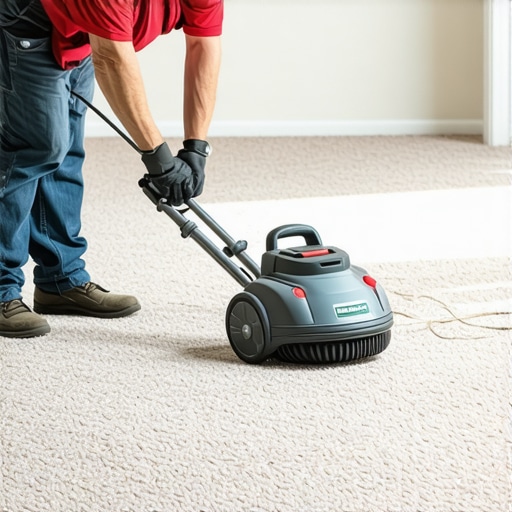
When it comes to maintaining flooring, a high-quality floor polisher like the Shark Rotator is my go-to for deep cleaning without damaging the surface. Regular maintenance keeps the finish looking fresh and prevents buildup that can compromise adhesive bonds or grout integrity. I also recommend having a moisture meter handy; testing subfloors and walls for moisture is critical before installing tile or flooring to prevent issues like mold or warping.
The Future of Home Maintenance: Smart Tools and Automation
Looking ahead, I believe the trend leans toward smarter tools integrated with app control—think laser levels and moisture meters that sync with your smartphone, providing real-time data and maintenance reminders. Automated cleaning devices will become standard in flooring care, reducing effort and extending the lifespan of your surfaces. Embracing these advancements now can dramatically simplify upkeep and prevent costly repairs down the line.
How do I maintain flooring and installations over time?
Routine inspections are key. Periodically check for signs of wear, loose grout, or uneven spots—early detection allows for simple fixes like re-stretching carpet or re-grouting tiles. Use appropriate cleaning agents tailored to your flooring type; for hardwood, a damp cloth and mild cleaner work wonders, while for tile, a mixture of vinegar and water maintains shine without harmful residues. Protect high-traffic areas with rugs or mats, which can significantly reduce wear. Additionally, keep tools sharp and calibrated—dull blades or misaligned lasers lead to uneven cuts and poor results, so investing in quality maintenance for your equipment is essential. For detailed guidance on maintaining your floors, I recommend reviewing the comprehensive insights available in [this article about durable flooring](https://tilecraftsmens.com/your-guide-to-durable-flooring-installation-for-a-stylish-home).
Let’s not forget the importance of adhering to manufacturer guidelines for cleaning and upkeep to maximize longevity. Using the correct sealants, reapplying protective coatings when necessary, and scheduling periodic professional check-ups can prolong the life of your installations. Remember: consistent maintenance is the secret to keeping everything functioning smoothly long-term.
To ensure your tools stay sharp and your skills sharp, incorporate routine calibration and sharpening into your maintenance routine. For instance, regularly honing your utility knives and sharpening blades ensures precise cuts every time, preventing damage to materials and frustration. I challenge you to try one advanced tip today: calibrate your laser level to guarantee perfect alignments for your next project—small investment, big payoff!