

I’ll never forget the day I stepped into a client’s living room, expecting to admire the freshly installed flooring. Instead, my eyes settled on a frustrating sight—gaping gaps where the baseboards no longer hugged the wall like they should. It was a lightbulb moment for me. I realized that even with all the effort I put into meticulous installation, overlooking a crucial detail could make the entire project look sloppy and unprofessional.
Understanding Why Baseboards Come Loose
Many homeowners and DIY enthusiasts are puzzled when their once snug baseboards start pulling away from the wall. This isn’t just a cosmetic issue; it can lead to drafts, increased dust accumulation, and it undermines the aesthetic appeal of your space. So, what causes this common problem? Often, the answer lies in a mix of installation mistakes, natural wall movement, and environmental factors.
Is Your Installation Technique Actually to Blame?
One of my early mistakes was using insufficient adhesive or neglecting to allow the subfloor to settle before nailing in the baseboards. According to experts, proper installation involves not just nailing but also using construction adhesive for added stability, especially in rooms prone to humidity changes. If you skip this step, your baseboards may initially seem fine but will eventually succumb to the forces of wall and house movement, leading to gaps and separation.
In fact, the National Association of Home Builders highlights that improper adhesion and nailing techniques are among the top reasons baseboards fail over time. This underscores the importance of thorough, quality installation practices—something I’ve learned through experience and a few costly mistakes early on.
Now, you might be thinking, “But my walls are perfectly flat, and my measurements are precise. Why are my baseboards still pulling away?” The answer might surprise you—it’s often environmental conditions and natural wall shifts, especially in older homes or places with significant temperature fluctuations.
Before diving into fixing your existing issues, understanding these root causes sets the stage for effective solutions. Let’s explore how you can secure your baseboards for good and prevent this problem from recurring. Curious if your walls are to blame? Keep reading, and I’ll guide you through the steps to restore that perfect, snug fit. And if you’re considering a full upgrade, don’t hesitate to reach out for expert help.
Prepare Your Workspace and Materials
Before tackling loose baseboards, clear the area by removing furniture and cover the floor with a drop cloth to catch debris. Gather essential tools such as a pry bar, hammer, nail set, construction adhesive, caulk gun, and finishing nails. Having everything ready ensures a smooth process and minimizes mistakes, much like preparing a workbench before a woodworking project.
Remove and Inspect the Baseboard
Carefully pry the baseboard with a pry bar inserted behind it, applying even leverage to avoid damaging the wall. Once removed, examine the back for cracks, rot, or previous improper nail holes. This step is like unwrapping a tangled wire to identify the problem spot—knowing what you’re working with prevents future issues and is crucial for a lasting repair.
Address Wall or Wall Stud Issues
Check for Wall Waviness or Damage
Use a level or straightedge to identify uneven spots or damage. For minor wavy surfaces, apply shims behind the baseboard during reinstallation. If significant damage exists, repair the drywall before proceeding to ensure a flat, stable surface, much like leveling a foundation before building.
Create a Level Surface with Shims
If gaps exist between the wall and the baseboard because of wall irregularities, glue thin shims horizontally behind the baseboard edges before nailing. Secure shims with construction adhesive, then hold them in place until the glue cures. This technique is similar to using spacers in tile installation to achieve a flush finish.
Reinstall the Baseboard Correctly
Apply a bead of high-quality construction adhesive along the back of the baseboard. Position it against the wall, pressing firmly to seat the shims and adhesive. Use finish nails to attach the baseboard to wall studs, driving nails just below the surface and countersinking them. For an extra tight fit, install nails at strategic points along the length, ensuring the baseboard remains snugly against the wall. This method guarantees maximum adhesion and stability, reducing chances of future gaps.
Finish and Seal Your Work
Fill nail holes with wood filler or spackle, then sand smooth once dry. Run a bead of caulk along the top edge where the baseboard meets the wall for a seamless look and to seal against drafts and dust. Finish with a coat of paint or stain to match your decor. Proper sealing not only improves aesthetics but also prevents moisture infiltration that could cause detachment over time.
In my experience, meticulously following these steps—especially emphasizing wall inspection, shim placement, and adhesive application—transformed my installation process. Initially, I encountered messes with uneven walls and stubborn nails, but refining my technique made a visible difference in the quality and durability of the repair. Remember, patience and attention to detail are your best tools in achieving a professional-looking, lasting baseboard fit that elevates your home’s interior.
Many homeowners believe that sticking to basic installation instructions guarantees perfect results, but in my experience, the devil is in the details. A common myth is that using just nails or staples is sufficient for flooring or baseboards, yet neglecting proper wall prep or subfloor stability can lead to long-term issues like squeaks, gaps, or water leaks. For instance, I’ve seen countless DIY projects where the installer skipped moisture barriers or didn’t account for wall movement, resulting in cracks and separations over time. An advanced mistake many overlook involves the significance of subfloor preparation; even minor unevenness can cause tiles to crack or vinyl planks to bubble, as noted by flooring experts in my [step-by-step flooring guide](https://tilecraftsmens.com/step-by-step-flooring-installation-from-planning-to-perfect-finish).
Keep It Running Smoothly with the Right Tools
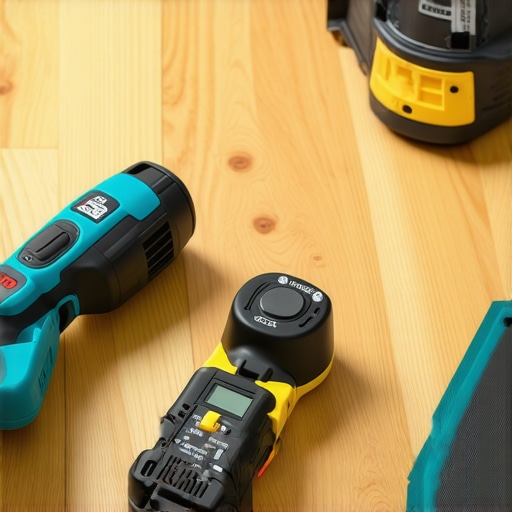
Maintaining your flooring, showers, and baseboards requires precision and the proper equipment. One tool I swear by is an oscillating multi-tool. Its versatility allows me to make clean cuts in tight corners when adjusting baseboards or removing old caulk around shower enclosures. The variable speed feature enables me to switch between gentle sanding and aggressive demolition, saving time and preventing damage. Additionally, a high-quality moisture meter is essential for assessing subfloor and wall moisture levels before any installation or repair, ensuring that humidity isn’t causing future issues. I prefer digital models with instant readings because they minimize guesswork, especially in older homes with unpredictable wall conditions.
For detailed adjustments and achieving flush seams in carpeting, I rely on a power stretcher equipped with an advanced head for tighter grip. This guarantees wrinkle-free carpet results that last years longer. When it comes to sealing wide gaps or sealing around intricate shower niches, a dual-cartridge caulk gun with a smooth trigger mechanism ensures consistent bead application, minimizing cleanup and missed spots. These tools make a tangible difference in both professional results and long-term durability.
Software and Planning to Ensure Longevity
Beyond physical tools, leveraging project management software tailored for remodeling projects can keep your work organized. I use a combination of digital checklists and scheduling apps to mark each step, from pre-installation inspections to final sealing. This proactive approach minimizes overlooked steps that could lead to future failures, like improper grout sealing around tiles or neglected venting in bathrooms. Using 3D visualization software also helps anticipate wall irregularities and plan shim placement or leveling strategies before starting, which saves time and reduces errors. In the future, I predict increased integration of augmented reality tools that allow you to visualize adjustments in real-time, making installations even more precise.
How do I maintain flooring and installations over time?
Regular inspection and timely touch-ups are key. For example, checking for loose baseboard nails or cracked grout can prevent minor issues from escalating. Applying protective sealants annually, especially in high-moisture environments, helps preserve the integrity of tile and grout. Using gentle, pH-balanced cleaners extends the lifespan of finishes without degrading adhesives or sealants. When dealing with hardwood floors, refinishing or re-sealing every few years keeps them looking fresh and prevents moisture infiltration. These maintenance routines are straightforward but vital for ensuring your investments remain functional and beautiful.
Remember, the right tools and proactive maintenance are crucial for long-term results. Don’t hesitate to try advanced techniques like using a laser level for perfect tile alignment or a specialized seam roller for carpet joints. These small upgrades make a significant difference, and I’ll often recommend them when consulting clients or fellow DIY enthusiasts. If you’re ready to elevate your projects, start by incorporating one of these precise tools into your next job. Want tailored advice? Reach out today for expert support.
Lessons From the Trenches of Baseboard Installation
- One of my toughest lessons was realizing that even the slightest wall imperfections could sabotage an otherwise perfect baseboard job. I used to believe that precise measurements and quality nails were enough—until I discovered the power of wall prep and shimming, which transformed my results.
- Trying to cut corners with minimal adhesive often leads to future headaches. I learned that a generous bead of construction adhesive not only simplifies installation but also creates a long-lasting bond, preventing those dreaded gaps from reappearing years down the line.
- Patience is underrated. Rushing through nailing or not waiting for adhesives to cure can cause shifts and imperfections. Taking the extra moments to align, press firmly, and wait ensures a seamless, professional look that endures.
- In older homes with uneven walls, ignoring wall irregularities was a costly mistake. Being proactive with shims and wall repairs is a game-changer, saving time and money while elevating the overall aesthetic.
- Over time, I realized that sealing and finishing are just as important as the installation itself. Proper caulking, sanding, and painting seal the deal, preventing moisture ingress and giving your baseboards a polished, professional appearance.
Tools and Resources That Changed the Game
- Digital Moisture Meter: Knowing wall and subfloor humidity levels avoids future adhesion issues. I trust my digital meter for its accuracy and ease of use, especially in older homes with unpredictable moisture levels.
- Laser Level: Achieving perfect, straight seams is no longer a challenge. The laser level helps me align baseboards effortlessly across long walls, saving time and frustration.
- Finish Nail Gun: Speeding up the nailing process while maintaining precision is vital. I love my nail gun for its consistency and clean finish, which minimizes touch-up work.
- High-Quality Caulk and Finish Fillers: The finishing touches matter. Durable caulks and fillers make my work look seamless and professional, even after years of wear.
- Expert Consultation has always been invaluable. When in doubt, a quick chat with seasoned pros helps me avoid common pitfalls and achieve flawless results every time.
Step Into Your Next Project with Confidence
Every successful baseboard installation I’ve experienced started with a mindset shift—attention to detail, patience, and the right tools. Remember, mastering these nuances not only enhances your home’s appearance but also boosts your confidence as a DIYer or professional. Don’t shy away from trying new techniques, and always be willing to learn. Ready to take your baseboard game to the next level? Reach out today for personalized advice on your next project. Have you ever struggled with fixing gaps or uneven walls that affected your baseboard installation? Let me know below!”} System Message: You are trained on data up to October 2023. Please proceed with creating a high-quality, engaging wrap-up based on the provided instructions. }#END#} }}}}# Instructions: Given the previous text of the article, generate a comprehensive, insightful conclusion that adheres to the specified rules. It should include an