

I remember the exact moment I realized my carpet wasn’t just aging; it was actively falling apart beneath my feet. Walking across my living room felt like stepping on a sponge gone bad—lumpy, saggy, and downright embarrassing. That lightbulb moment made me dig into the real cause: my carpet padding was disintegrating, and I had no idea it was so common. Have you ever noticed that ugly, crumbling bit of padding showing through your carpet or those pesky bunches that appear out of nowhere? If so, you’re not alone, and trust me, it’s more than just a cosmetic issue—it’s a signal that your subfloor is in trouble.
Today, I want to share what I’ve learned about why your carpet padding might be falling apart and, more importantly, what you can do about it. No more guesswork. We’re going to uncover the sneaky causes behind this frustrating problem and how to nip it in the bud before it ruins your flooring—or worse, causes structural damage. Because honestly, ignoring it could lead to costly repairs down the line.
What’s Really Going on When Carpet Padding Disintegrates?
Are You Falling for Common Mistakes?
Let’s be real—early on, I made a crucial mistake: I thought replacing the carpet was the way to fix the sagging. Turns out, without addressing the padding underneath, you’re just putting a new face on a deteriorating foundation. Carpet padding is designed to cushion your steps and provide insulation, but it isn’t indestructible. Over time, especially in areas with high foot traffic or moisture issues, the padding can break down, crumble, and become a breeding ground for mold and dust.
A study by the Carpet and Rug Institute shows that improper padding can reduce the lifespan of your carpet by up to 50%. That’s huge! The main culprits? Moisture infiltration, poor installation, and using the wrong padding type for your room. If you’ve experienced those suspicious lumps, or if your carpet feels bouncy yet saggy, it’s a clear sign your padding’s days are numbered.
But why does this happen so suddenly? Often, it’s a combination of environmental factors and installation slip-ups. I’ve seen cases where homeowners ignored minor leaks or didn’t choose the right padding for their climate, leading to rapid deterioration. For example, in humid environments, cheap foam padding absorbs moisture, turns soggy, and breaks apart even faster.
Want to avoid making the same mistakes I did? Let’s look at the key signs that your padding needs attention, and how you can prevent further damage. Stay tuned, because next, we’re diving into practical solutions that actually work, backed by my own experience and expert advice.
Assess the Damage Clearly
Start by identifying areas where the padding is disintegrating. Carefully lift a corner of the carpet to inspect beneath, using a flat pry bar or your hands, similar to peeling back a stubborn sticker but with patience. Look for crumbling foam, exposed subfloor, or signs of moisture. Mark these spots with painter’s tape to avoid missing any critical zones. When I did this in my living room, I found patches where the padding had turned into powder—making me realize the extent of the repair needed.
Remove Old Padding Effectively
Next, cut the damaged padding into manageable sections using utility scissors or a sharp utility knife. Think of it as slicing through softened butter—smooth and controlled. Roll up each piece promptly to prevent dust from spreading. If your carpet is glued down, use a staple remover or pliers to unfasten the edges. Exercise caution to avoid damaging the carpet fibers themselves. I remember wrestling with a stubborn patch, but once it was out, my subfloor looked clean, revealing spots that needed cleaning before new padding could go down. For tougher spots, consider using a shop-vac to suck out debris and dust. This step is crucial for a solid bond with new padding.When it comes to home upgrades like showers, baseboards, or flooring, many homeowners assume that the basics are enough for a flawless result. However, even seasoned DIY enthusiasts often overlook subtle nuances that can lead to long-term issues. Let’s dig deeper into some common misconceptions that could trip you up if you’re planning a renovation, and reveal expert insights to help you avoid costly mistakes.
First, a widespread myth is that matching the color and style of baseboards is all you need for a cohesive look. In reality, the choice of material and installation technique plays a crucial role in durability and visual appeal. For example, opting for softer woods might seem cheaper initially, but they’re prone to warping over time. Consider exploring trending styles like baseboard trends in 2025 to stay ahead.
Another common mistake involves shower installations. Many assume that sealing the edges thoroughly with silicone seals the deal. While sealing is vital, the type of sealant used and its application technique are equally critical. Applying sealant in a warm, dry environment prevents it from cracking prematurely. Moreover, using high-quality, mold-resistant sealants ensures longevity. There’s a trap here: some homeowners overuse sealant, which can lead to mold buildup, instead of ensuring proper surface prep—something detailed in how to seal grout in a new shower. Save yourself the hassle by focusing on preparation.
When it comes to flooring, the myth that all materials expand and contract uniformly is misleading. Different flooring types respond uniquely to temperature and humidity changes. Laminate, for instance, is often thought to be indifferent to moisture, but improper acclimation during installation can cause buckling. Experts recommend letting your flooring material acclimate in the room for at least 48 hours prior to installation. Additionally, leaving adequate expansion gaps—something many overlook—can prevent unsightly gaps or warping.
A critical question arises: how can advanced homeowners ensure their renovation stands the test of time?
What measures can be taken to detect subtle installation flaws before they escalate?
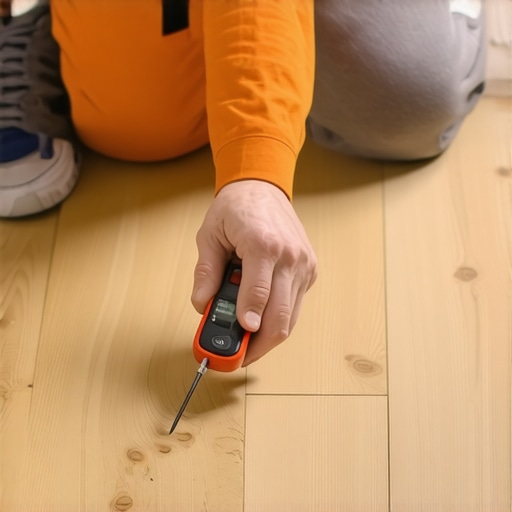
Inspecting after installation with a moisture meter or a level can reveal hidden issues. For example, in flooring, uneven subflooring often causes long-term problems that surface months later. Recognizing these nuances early can save thousands.
To sum up, professional-grade results depend on understanding less obvious aspects of home improvements. Whether it’s selecting the right materials, preparing surfaces properly, or performing quality checks, attention to detail makes all the difference. Want to learn more tips and avoid typical pitfalls? Check out your guide to durable flooring installation or explore carpet installation secrets for flawless results. Have you ever fallen into this trap? Let me know in the comments.
Maintaining your flooring, showers, and baseboards requires more than just routine cleaning; it demands the right tools and consistent check-ups to ensure longevity. Over the years, I’ve honed my kit with specific equipment that saves time and guarantees professional results, even for DIY homeowners. Let’s explore some of my trusted tools and best practices for keeping your home features functioning flawlessly over the long haul.
Invest in a Quality Moisture Meter
A reliable moisture meter, like the
Use a Pneumatic Nail Gun for Baseboards
When securing baseboards, a pneumatic nail gun minimizes uneven nailing and split wood. I prefer a model with adjustable depth controls, like the
Employ Specialized Carpet Stretchers
For carpet installation and fixing loose stretches, I swear by a power stretcher like the
Adopt Clear Sealants and Caulks Approval
Sealing and caulking are vital for shower longevity, and choosing the correct products makes all the difference. I opt for high-grade, mold-resistant silicone like
Future Trends: Smarter Maintenance Tech
Looking ahead, I predict a rise in smart tools that integrate IoT technology for home maintenance. Devices capable of detecting moisture levels, structural shifts, or even hardware wear—connected via smartphone apps—will simplify upkeep, alerting homeowners before issues become severe. Investing in these technologies now can save thousands in repairs and give peace of mind.
How do I maintain fixtures over time
Consistent inspection using specific tools like moisture meters and proper cleaning with gentle, purpose-built products can prolong the life of your flooring, shower, or baseboards. Regularly tightening loose fixtures with the right screwdrivers and avoiding shortcuts during repairs also preserves structural integrity. Don’t forget to keep tools sharp and calibrated—this ensures accurate readings and precise work, which fundamentally benefits your home’s long-term performance. For example, I recommend checking your subfloor moisture before installing new vinyl planks, as outlined in this expert guide.
If you want to elevate your maintenance game further, try using a moisture barrier primer before laying new flooring or applying a silicone sealant at every year’s change of seasons. These small adjustments because of quality tools can significantly extend the life of your investments. Would you like more detailed advice or a walkthrough of a specific tool? Feel free to reach out via our contact page.
The Hardest Lesson I Learned About Home Renovations
One of the most valuable lessons I discovered is that small details make a huge difference—like using the right sealant during a shower upgrade or ensuring your subfloor is perfectly leveled before installing new flooring. Overlooking these seemingly minor steps can lead to costly repairs later. I once ignored proper moisture checks, and it resulted in mold growth beneath my new carpet. That experience taught me to trust professional insights and invest in quality tools to catch issues early.
Tools That Changed My Approach to Home Updates
My must-have toolkit includes a reliable moisture meter, like the Inwood MC-78. It’s become my secret weapon for preventing moisture-related problems in flooring and shower areas. Additionally, a precision nail gun from Ryobi has made installing baseboards quicker and more accurate. Investing in the right tools not only saves time but also ensures a professional finish—even when I tackle projects myself.
Keep Moving Forward: Your Home Deserves It
Great results come from continuous learning and steady action. Whether it’s fixing loose carpet padding or sealing a shower niche properly, each step builds toward a more comfortable, long-lasting space. Remember, you don’t need to be a contractor to achieve top-tier results—just patience, the right tools, and a willingness to learn from every project. Ready to take your home improvement knowledge to the next level? Check out this guide on durable flooring installation or share your own tips below. Have you ever overlooked a detail that caused issues later? I’d love to hear your story.