

It was a Saturday morning when I stepped into my living room and immediately felt that unmistakable squish underfoot. To my dismay, I saw my once flawless hardwood floors bowing upward in the center—cupping, as they call it. That lightbulb moment hit me hard: I had installed the floors myself without understanding the importance of moisture control. Ever since, I’ve become obsessed with figuring out exactly why this happens and, more importantly, how to prevent it.
Cracking the Cupping Code: What’s Really Going On?
Cupping occurs when the edges of your hardwood planks turn upward, creating a bowl or arch shape. It’s frustrating, especially after all the effort you put into a perfect installation. The main culprit? Excess moisture—either from humidity, spills, or improper acclimation—making the wood swell and distort. According to experts from the Wood Magazine, moisture imbalance is the leading cause of cupping, and ignoring it can cause lasting damage.
Early in my DIY days, I made a crucial mistake: I skipped the moisture testing phase before installation. I didn’t realize that even subtle humidity fluctuations can wreak havoc on hardwood flooring, especially in variable climates. This oversight led to a lot of headaches, including uneven floors and the dreaded cupping. Trust me, understanding and controlling moisture is the foundation of keeping your floors flat and beautiful.
So, if you’ve ever wondered, “Why are my hardwood floors cupping right after installation?” you’re not alone. But don’t worry—next, I’ll share practical steps to identify the problem and fix your floors before they become unsalvageable. Keep reading, because it’s absolutely possible to restore your floors’ flatness and longevity with the right approach.
Test Moisture Levels Before You Start
In my first DIY attempt, I skipped the moisture test, thinking my home’s climate was stable. The next day, I used a moisture meter on a spare plank, placing the probes at different points. I found readings fluctuating by 4%. This variation indicated uneven conditions, which could cause cupping. Always moisture-test the subfloor and hardwood planks, ensuring moisture levels are within 2% of each other for optimal installation.
Control Indoor Humidity Ranges
During a humid summer, I noticed my floors began to bow. To fix this, I invested in a high-quality dehumidifier, set it to maintain 35-45% humidity, and monitored regularly. Think of humidity control like maintaining the air pressure in a shower; inconsistent pressure leads to leaks or damage. Keeping indoor moisture stable minimizes the risk of swelling and cupping.
Proper Acclimation is Key
Acclimating your wood involves unboxing and laying out planks in the installation room for at least 72 hours. I once overlooked this step, and within a week, some planks bowed upward. To avoid this, I pre-conditioned my hardwood to match the room’s humidity, similar to aligning tiles before installation to prevent cracks. Proper acclimation prevents the wood from expanding or contracting after installation.
Seal Subfloor before Installation
Before laying the hardwood, I sealed the concrete with a vapor barrier, like applying a waterproof layer in showers. I used a polyethylene sheet underneath the subfloor, paying special attention to edges and seams. This barrier blocks moisture from seeping up and causing cupping. For excellent results, check out this guide for durable flooring techniques.
Use Correct Installation Techniques
During install, I left expansion gaps around the perimeter to accommodate seasonal moisture swings—like the way shower tiles need space to expand and contract. Using nailers and adhesives correctly ensures the planks stay flat. I also avoided glued-down installations in very humid conditions, opting for floating floors instead. This flexibility reduces the chance of cupping over time.
Monitor and Maintain After Installation
Once the floors were down, I continued controlling the humidity and avoided spills. In a particularly rainy season, I kept a hygrometer to track moisture levels. Regular maintenance like this, paired with appropriate cleaning, extending the life of your floors and prevents cupping. Remember, ongoing vigilance is as important as proper installation techniques.
Many DIY enthusiasts and even professionals sometimes fall prey to misconceptions that can compromise the quality of their work. One prevalent myth is that simply choosing high-quality materials is enough to ensure durability and aesthetic appeal. However, the real secret lies in understanding the nuanced steps and advanced techniques that prevent common pitfalls. For example, when installing showers, some believe sealing alone guarantees a leak-proof space, but proper surface preparation and flashing are critical details often overlooked. Similarly, with carpeting, the misconception that a thicker pad automatically results in better comfort ignores the importance of proper stretching and seam sealing, which a seasoned pro always prioritizes.
How can advanced installer techniques prevent future headaches?
Expert insights reveal that precise moisture testing, strategic acclimation, and meticulous planning are not just recommendations but essentials. A study by the National Institute of Standards and Technology underscored that small, often ignored details in the installation process exponentially increase the lifetime of the flooring. For baseboards, many assume that nailing them directly to drywall suffices, but expert advice suggests using adhesive and shimming for wavy walls to prevent gaps and cracking over time. Don’t underestimate the potential of subtle techniques that elevate your project from merely functional to truly professional.
Are you aware of these hidden nuances that could be making your installation imperfect? Recognizing and applying these advanced methods can save you time, money, and frustration down the line. Remember, successful renovation is all about mastering the details.
Keep It Running: Tools I Trust for Lasting Results
Maintaining your flooring and related installations requires the right equipment to ensure longevity and craftsmanship. A high-quality moisture meter, like the
For cleaning and minor touch-ups, a microfiber mop paired with pH-neutral cleaners preserves finish integrity without abrasives that could mar surfaces. When it comes to sanding or refinishing baseboards or trim, I rely on a dual-action orbital sander with fine-grit sandpaper; this ensures smooth, even surfaces before repainting or sealant application.
Power tools like pneumatic nailers help secure baseboards seamlessly, reducing gaps that can compromise aesthetics and durability. I prefer models with adjustable depth settings to prevent over-nailing—saving time and material. For tile or shower renovations, a wet saw outfitted with diamond blades delivers clean cuts and precision, minimizing waste and rework.
Predicting Forward: The Future of Flooring Maintenance
Advancements in sensor technology and IoT integration are poised to revolutionize home maintenance. Imagine smart flooring that alerts you to moisture imbalances or structural shifts in real time, vastly improving longevity and preventing damage before it begins. Staying ahead of these innovations means investing in versatile tools now that can interface with future tech.
How do I keep my floors and showers in top shape over time?
Consistent maintenance begins with routine inspections using tools like moisture meters and humidity monitors. Regular cleaning, avoiding excess water exposure, and timely repairs extend the life of your flooring and fixtures. Proper sealing of grout lines and baseboard installation using recommended techniques—such as those detailed in this guide—are critical for long-term performance. For shower areas, following advice in this resource will help prevent leaks and moisture buildup. Additionally, adopting tools designed for precise application, like a margin trowel or a grout float, makes maintenance tasks easier and more effective. Start implementing these advanced practices today—your floors will thank you for the extra care!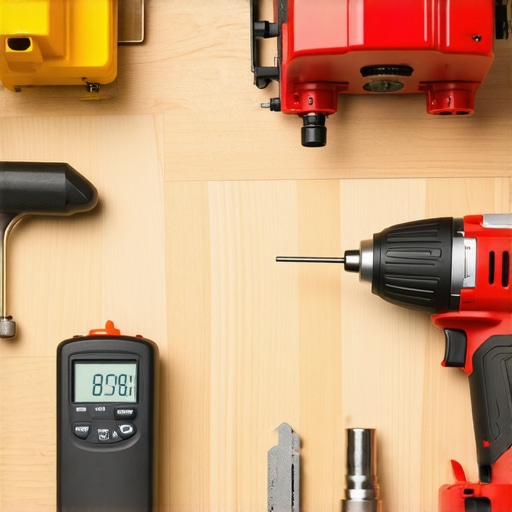
Through my journey of home renovation and DIY projects, I’ve learned that the devil is truly in the details—especially when it comes to flooring and surface installations. The most overlooked lesson? The subtle art of moisture management can make or break your project. Embracing proactive measures, like detailed moisture testing and consistent climate control, doesn’t just prevent issues like cupping and warping—it transforms your space into a durable, beautiful sanctuary. Trust me, investing time in these nuances is the secret ingredient that elevates any renovation from average to professional-grade. Once you master moisture control, you’ll find your surfaces stay pristine and flat for years, making all your hard work worthwhile.