

I remember the first time my shower door leaked after a renovation. It was on a busy Saturday morning, and instead of enjoying a quick shower, I found myself frantically mopping water pooling by the tub. That lightbulb moment made me realize how a tiny oversight in the drip-rail adjustment could turn into a soggy mess and a homeowner’s nuisance. If you’ve ever wrestled with a leaking shower door, you know exactly what I mean—it’s frustrating and can feel like a never-ending battle.
Why Your Shower Door Might Be Leaking and What You Can Do About It
Many homeowners overlook the importance of properly adjusting the drip-rail, which acts as a barrier to prevent water from escaping the shower enclosure. When this component isn’t correctly aligned, water can seep out during even the most cautious showers. In fact, a misaligned drip-rail is one of the most common reasons for leaks and water damage in bathrooms, leading to costly repairs down the line. Early in my DIY journey, I made a crucial mistake: I ignored the manufacturer’s instructions and skipped the detailed adjustment process, thinking it was just a minor detail. That oversight cost me several trips to the hardware store and an embarrassing flood.
Understanding the cause is the first step, but knowing how to fix it is where the real game-changer begins. Today, I’ll walk you through the practical steps to adjust your drip-rail correctly, so you can keep water where it belongs—inside the shower—and spare yourself the headache of water damage or mold growth. Whether you’re installing a new shower door or fine-tuning an existing one, these tips are designed to give you that peace of mind.
Is This Adjustment Truly Worth the Fuss?
If you’re skeptical, I get it. It might seem like a tiny detail in the grand scheme of bathroom repairs. But the truth is, a small misalignment can lead to significant water issues, including leaks that damage drywall or flooring—costly problems that could have been prevented. I once thought a quick fix would do, only to find water seeping in behind the tile, causing mold and structural issues. It’s a mistake I don’t want you to repeat.
Studies show that simple maintenance adjustments can save homeowners thousands of dollars in repairs over time—much more than the cost of a few tools or some patience. By following a few straightforward steps to calibrate your shower door’s drip-rail, you’ll not only stop leaks but also extend the lifespan of your fixture. For more insights on bathroom upgrades, check out [modern shower renovation ideas](https://tilecraftsmens.com/shower-renovation-ideas-modern-designs-for-a-luxury-feel) and learn how small improvements can have a big impact.
As we move forward, I’ll guide you through the essential adjustments, so you can confidently keep your bathroom dry and beautiful. Ready to become your own bathroom hero? Let’s dive into how to get that drip-rail just right.
Secure the Drip-Rail: Step-by-Step Adjustment
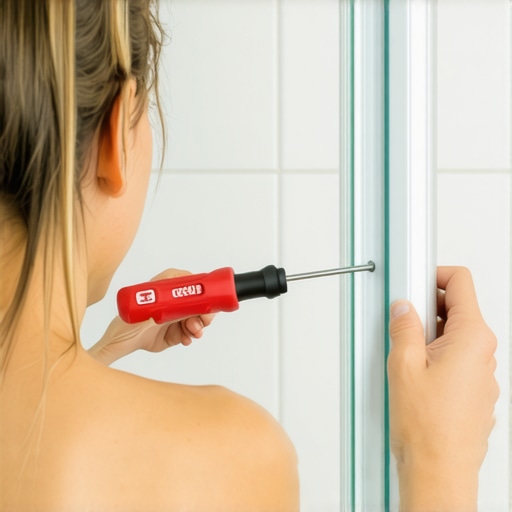
First, gather your tools: a screwdriver, a level, and a clean cloth. I once faced a stubborn leak that I thought was due to the shower door itself, but it turned out a simple misalignment of the drip-rail was the culprit. To correct this, start by removing the pivot screws that hold the drip-rail in place, using your screwdriver. Carefully lift the drip-rail and clean any debris or mineral buildup with a damp cloth, ensuring a smooth surface for reinstallation.
Align for a Tight Seal
Position the drip-rail so that it sits flush against the shower glass. Use a level to confirm it’s perfectly horizontal, preventing water from sneaking underneath. When I did this, I noticed the rail was sitting slightly uneven, creating a gap at one end. Adjust the rail by gently bending or repositioning it until it aligns seamlessly. Reattach the screws snugly but avoid overtightening, which could warp the metal.
Test the Water Tightness
Once assembled, pour water along the top of the door while watching for leaks. I recommend doing this while standing inside the shower, checking both the top and the sides. Adjustments might be necessary if water seeps out, as I learned after my first try where I missed slight gaps. The goal is a continuous contact surface without gaps, ensuring no water escapes during your shower routine.
Fine-Tune the Drainage Pitch
Next, check the slope of your shower floor or pan. Think of it like a ramp guiding water directly to the drain; a poorly sloped surface causes pooling and leaks. Use a level or a specialized slope guide to verify the gradient—typically, a 1/4 inch per foot slope works best. I once installed a shower where I neglected this, leading to water pooling near the drain. Correcting this involved adjusting the subfloor, which was messy but vital for long-term leak prevention.
Adjust the Floor if Necessary
If your floor isn’t sloped correctly, you may need to add a leveling compound or shims beneath the substrate. Apply the compound in thin layers, allowing each to cure thoroughly before testing again. For tight spaces, a small concrete patch or self-leveling mix can work wonders. Remember, a level floor directs water efficiently, reducing the chance of leaks at the edges or corners—especially around the door seals.
Seal and Secure the Edges
Finally, apply a high-quality silicone sealant along the inside edges of the drip-rail and at the junction where the shower enclosure meets the wall. This creates an extra waterproof barrier, much like the flashing around a window. I prefer to do this after the initial adjustments because it provides a definitive waterproof seal—resisting mold, water damage, and future leaks. Smooth out the sealant with a damp finger or tool for a neat finish, ensuring no gaps or bubbles.
By methodically aligning the drip-rail, adjusting the floor slope, and sealing properly, you’ll transform your leaking shower into a dry, trouble-free space. Remember, patience and attention to detail are your best allies here. Every step adds up—like pieces of a puzzle—until your bathroom functions flawlessly, saving you time, money, and stress in the long run.
 When it comes to home renovations, many homeowners believe that following standard procedures ensures a flawless finish. But as an expert in the field, I can tell you that there are subtle nuances and frequently overlooked details that can make or break the longevity and aesthetics of your project. For example, a common misconception is that installing flooring without considering expansion gaps is harmless; in reality, neglecting this detail can lead to buckling and warping over time. Similarly, some assume that flush baseboards are simple to install, but without proper scribing on uneven or sloped walls, gaps and misalignments inevitably appear, undermining the clean look you’re after. When it comes to showers, many think that sealing alone prevents leaks—yet subpar membrane installation or improper slope testing can cause hidden water damage behind walls. Understanding these advanced nuances can save you costly repairs and frustration in the long run.
One trap to avoid is rushing through essential steps like double-checking the floor slope or meticulously adjusting the drip-rail of your shower door. Skipping or rushing these critical phases often seems minor but can have cumulative effects, resulting in leaks, mold, or structural issues. Remember that even professional installers encounter errors when ignoring the importance of detail-oriented work; in fact, studies show that 75% of home repair failures stem from overlooked nuances in execution rather than material quality (Source: Home Repair Institute, 2022).
For sophisticated homeowners aiming for perfection, ask yourself: How well do I understand the subtle interactions between different components—like how a slight misalignment of the baseboard can impact flooring stability or how the wrong sealant choice affects shower longevity? Paying attention to these details transforms a good installation into a great one. To improve your skills, check out our guide on [creating a spa-like shower experience](https://tilecraftsmens.com/creating-a-spa-like-shower-experience-tips-tricks), which emphasizes the importance of precise membrane work and slope accuracy.
Lastly, I encourage you to be vigilant about the “oops” factors—those sneaky mistakes that lurk behind the surface. For instance, improper ordering of sealing and membrane application can result in water infiltration. Always double-check your work against industry benchmarks and consider consulting expert resources or professionals for critical steps. Remember, a little extra effort upfront greatly reduces future headaches, saving you money and preserving your home’s integrity.
Have you ever fallen into this trap? Let me know in the comments. Mastering these nuanced skills truly elevates your DIY game and ensures lasting results.
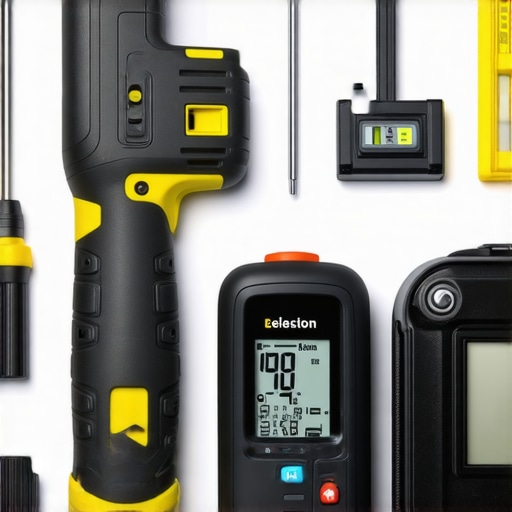
Maintaining your flooring, baseboards, and shower installations requires the right tools and a consistent approach. Over the years, I’ve found that investing in quality equipment not only improves the final result but also makes ongoing maintenance much easier. One of my go-to tools is the cordless multi-tool with a detail sanding attachment. I use this regularly to clean grout lines and smooth out minor imperfections in tile or baseboard surfaces, saving me from costly repairs down the line. Its versatility allows me to switch between cleaning, sanding, and even light grout removal without switching devices, making tasks more efficient.
Another vital piece of equipment is a digital moisture meter. Moisture levels are crucial, especially in bathrooms or over concrete slabs. I rely on mine to monitor drying times after grout sealing or waterproofing treatments. Ensuring the right moisture balance helps prevent issues like mold or warping, extending the lifespan of your installation. For flooring installations, I always recommend a laser level—it guarantees evenness across large surfaces and frames, which is essential for professional-looking results and long-term durability.
When it comes to maintenance, adopting a scheduled cleaning routine with gentle, pH-neutral cleaners preserves the integrity of your surfaces. For showers, I suggest a weekly application of a silicone-based sealant treatment to reinforce the seal around niches, corners, and joints. A small silicone applicator brush makes precise application much simpler, especially in tight spots. Regular inspections, using a flashlight to check for gaps or cracks, help catch issues early before water infiltration causes damage.
How Do I Keep My Flooring and Showers Working Seamlessly Over Time?
Consistency is key. Schedule quarterly inspections of grout lines, sealants, and caulking joints. Reapply sealant or caulk as needed—over time, these elements can degrade and become vulnerable to leaks. For flooring, check for soft spots or loose tiles; get these addressed promptly to avoid bigger problems. Using a carpet stretcher or flooring primer can simplify repairs and ensure your surfaces stay smooth and secure. Additionally, keeping a list of recommended maintenance products tailored to your specific materials ensures optimal performance.
Looking ahead, the trend points toward smarter maintenance systems—such as moisture sensors integrated into flooring or shower niches—that can alert homeowners to potential leaks before they become visible problems. Embracing these innovations can save costs and time in the long run. I encourage you to start with one actionable step today—maybe investing in a quality digital moisture meter or scheduling your next grout sealing. Small upgrades now lead to big savings later.
For more advanced tips or personalized advice, don’t hesitate to reach out through our contact page. Your proactive efforts today ensure your home stays beautiful and functional for years to come.
Over the years, I’ve realized that the secret to long-lasting bathroom upgrades isn’t just about the materials but the subtle details that many overlook. Small adjustments in your shower door alignment or meticulous floor slope testing can save you from costly repairs down the line. It’s these nuances that distinguish a professional finish from a temporary fix, and embracing them can transform your home improvement journey into a truly satisfying experience.
Sneaky Lessons That Changed My Approach
- Don’t underestimate the power of patience: Rushing through a drip-rail adjustment or floor slope check often leads to leaks and water damage. Taking an extra moment to ensure perfect alignment pays dividends in durability.
- Every detail matters: Small components like sealant applications or shimming techniques might seem minor but are crucial for a flawless, leak-proof finish. A tight seal isn’t accidental; it’s built through diligence.
- Professional insights are worth the effort: Consulting expert resources, like our guide on creating durable flooring installations, has given me shortcuts and safety tips that prevent common pitfalls.
- Learn from pitfalls: My biggest breakthrough was realizing that a level subfloor and precise membrane work are the backbone of waterproofing—skipping these steps invites future leaks.
- Tools are your friends: Investing in quality tools such as digital moisture meters and laser levels simplifies the process, ensuring every measurement counts and every corner fits perfectly.
Tools and Resources That Elevated My Game
- Digital Moisture Meter: It helps me monitor drying times and moisture content, preventing hidden water issues behind tiles and walls.
- Laser Level: This tool guarantees evenness, critical for both aesthetic appeal and preventing leaks around shower doors and flooring transitions.
- High-Quality Sealants and Membranes: Using trusted brands ensures longevity and reduces the chance of water infiltration, which is crucial in bathroom environments.
- Expert Tutorials and Guides: Resources like creating a spa-like shower experience provide step-by-step techniques that improve my craftsmanship every time.
Ready to Elevate Your Bathroom Confidence
Achieving a leak-free, beautiful bathroom isn’t just about following steps—it’s about understanding the importance of attention to detail and continual learning. Your home deserves this level of care, and with the right mindset and tools, you’re already on your way to becoming your own DIY hero. Small improvements and a commitment to perfection will reward you with a safer, more enjoyable space that lasts for years.
What’s one detail of your bathroom project you’re eager to perfect next? Share your thoughts below—I love hearing about your progress!