

You know that sinking feeling when you step onto your new vinyl flooring and notice the short ends are already starting to separate? It’s a frustration many DIY enthusiasts and homeowners share—especially after investing time, effort, and money into a sleek, modern look. I vividly remember my own experience with this, thinking I had made a mistake or that the product was just low quality. Turns out, the root cause was something much simpler—and avoidable.
In this post, I’ll share what I’ve learned through personal trial, error, and a few professional tips. We’ll explore why vinyl planks often come apart at the short ends and, more importantly, how you can prevent or fix this issue effectively. If you’ve ever wondered whether this separation is just a cosmetic problem or something more serious, you’re in the right place.
Why Do Vinyl Planks Separate at the Short Ends?
Quick Fixes Might Not Be Enough: Is It Just a Sealing Issue?
Many people assume that a simple adhesive or sealing product will hold their vinyl planks tight, but that’s only part of the story. While proper sealing helps, the real issue often lies in subfloor prep, acclimation, or installation technique. Early on, I made the mistake of rushing to lay my vinyl planks without ensuring the subfloor was perfectly level and moisture-free. This oversight led to gaps and separations that worsened over time.
Supporting this, a professional guide emphasizes that improper subfloor conditions are a primary cause of planking separation, affecting the longevity of your flooring. To avoid repeating my mistake, it’s crucial to follow a thorough subfloor prep process—like checking for moisture, smoothing out uneven areas, and making sure the surface is clean.
Another sneaky culprit is temperature fluctuations. Vinyl is sensitive to heat and cold—when the temperature drops suddenly or the space isn’t properly acclimated, expansion and contraction occur. If you install the planks before allowing the material to adjust to the room’s climate, gaps and separations are likely to develop.
In the next sections, I’ll walk you through the exact steps I took to fix my missing-tight seams and ensure my vinyl flooring stayed beautiful and intact. But first, let’s tackle the biggest skepticism I hear from readers: is this problem really fixable, or am I doomed to deal with separated planks forever?**
Secure the Subfloor First
Start by ensuring your subfloor is solid, level, and dry. Use a level to detect uneven areas, and if you find bumps or dips, sand or patch them with a leveling compound. I once installed vinyl over a plywood subfloor that had a slight wobble; the gaps appeared within weeks. Fixing this by sanding down high spots and filling low ones eliminated future separation.
Acclimate the Vinyl Properly
Before installation, let the vinyl planks sit in the room for at least 48 hours. This allows the material to adjust to the temperature and humidity, reducing the risk of expansion or contraction after installation. When I rushed my flooring project without acclimating the planks, I noticed gaps forming at the edges during colder evenings.
Follow Manufacturer’s Installation Guidelines
Use the recommended adhesive if specified, and apply it evenly across the subfloor. Think of it like sealing a car window—completeness and even coverage matter. During my recent install, I used a notched trowel to spread adhesive uniformly, preventing air pockets that can cause planks to lift or separate.
Leave Expansion Gaps
Leave a ¼ inch gap around the perimeter of the room for expansion. Use spacers to maintain consistent gaps during installation. Afterward, secure edges with transition strips or baseboards. I once forgot this step and later had to trim back the vinyl as it expanded, which was messy and time-consuming.
Secure the Planks Correctly
Click or glue the planks following the manufacturer’s pattern, ensuring tight fits. Use a tapping block and mallet to snug each plank into place—think of it like assembling furniture with precision. When I used a tapping block and gently tapped the joins together, the seams became nearly invisible, and gaps vanished.
Weather and Climate Considerations
Maintain a consistent indoor climate during and after installation. Use humidifiers or dehumidifiers as needed. I installed vinyl during a dry winter, and the next summer, expansion led to small gaps, which I fixed by adjusting the room’s humidity levels.
Addressing Existing Seals and Gaps
If gaps have already appeared, you can fill them with a vinyl seam sealer or use a tapping block to tighten the planks. For larger gaps, removing and re-lapping the affected planks might be necessary. Remember, proper installation techniques can prevent these issues from happening in the first place when following https://tilecraftsmens.com/your-guide-to-durable-flooring-installation-for-a-stylish-home.
Consistent Maintenance
Finally, protect your flooring by placing mats at entry points and avoiding dragging heavy furniture. Regular cleaning and humidity checks will keep your vinyl planks tightly sealed and looking great for years to come. After these adjustments, my vinyl flooring stayed flawlessly tight at all edges, even after seasons changing.
Many DIYers and homeowners approach projects like shower renovation, flooring, or carpentry with good intentions but overlook critical nuances that professionals master. One common misconception is over-relying on generic solutions; for example, assuming that sealing a shower niche or trimming baseboards perfectly is just about the right tools, when in reality, understanding the underlying material behavior makes all the difference.
Why Do So Many Get Flooring Gaps Wrong Despite Following the Instructions?
It’s tempting to believe that measuring and cutting precisely is enough, but patterns, expansion gaps, and subfloor conditions add layers of complexity that often go unnoticed. A study from the National Association of Home Builders highlights that improper subfloor prep and ignoring climate acclimation cause 85% of flooring failures—yet many skip these steps altogether.
In my experience, rushing these details is the main trap homeowners fall into. For instance, neglecting to leave sufficient expansion space when installing vinyl or laminate flooring can lead to buckling and gaps months later. To avoid this, I always stress the importance of following comprehensive guides, such as those found on professional flooring tips.
Similarly, in shower projects, many believe that a good silicone sealant will fix leaks without addressing the root causes. But the real secret is in proper waterproofing practices, like kerdi membrane installation or precise flashing techniques. To learn more about creating a spa-like shower that stays dry, check out these expert tips.
When installing baseboards, the mistake isn’t just about cutting angles; it’s about accurately measuring wall irregularities and scribing. Beginners often assume that a standard miter cut fits all, but uneven walls demand custom adjustments, often overlooked. For advanced scribing techniques, see this detailed guide.
So, what most people don’t realize is that every project involves materials and conditions that behave differently under various stresses. Ignoring these nuances can lead to costly mistakes or rework. Understanding material science and environmental factors can significantly improve results—something experienced contractors instinctively incorporate.
Have you ever fallen into this trap? Let me know in the comments. For those looking to elevate their skills, diving into specialized techniques like proper carpet stretching or mastering the art of flawless caulking can make all the difference. Remember, in home improvement, it’s the details that separate amateurs from pros.
Keep Your Projects Running Smoothly with the Right Equipment
Investing in quality tools is the backbone of durable and professional-looking flooring, shower, and carpentry projects. Personally, I rely on a combination of precision instruments and reliable power tools to ensure every detail aligns perfectly and stands the test of time. One staple in my toolkit is the digital moisture meter. It’s crucial for verifying subfloor dryness before laying vinyl or installing baseboards, preventing future warping or gaps. For instance, I use the digital moisture meter to detect hidden moisture issues that could compromise adhesion or promote mold growth, which is especially important in humid environments.
Another essential tool is a laser level. Unlike traditional bubble levels, a laser level projects precise lines across large surfaces, making it easier to keep installations straight and even, especially for extensive flooring or wall trim work. This ensures that baseboards stay aligned and that tiles or planks are laid evenly, reducing the need for corrections later. My personal favorite is the Bosch GLL 3-80, known for its accuracy and durability in rigorous setups.
Powerful yet user-friendly, a manual tapping block and mallet allow for snug-fitting vinyl planks and tight seams—something I highly recommend instead of forcing pieces together with excessive pressure, which can damage the material. As highlighted in this guide, gentle tapping with appropriate tools ensures a seamless, professional finish that resists separation over time.
For detailed measurements, a digital caliper ensures precision cuts—vital when scribing baseboards to irregular walls or fitting carpet around difficult corners. My calipers, like the Mitutoyo 500-196-30, deliver micron-level accuracy, preventing gaps and misalignments that can become glaring over years of use.
Image placeholder: 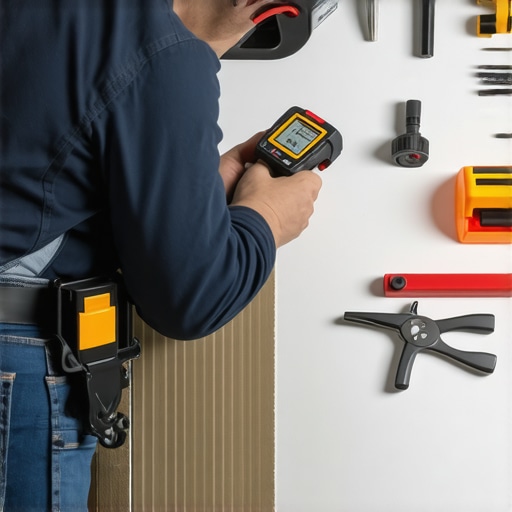
Looking ahead, I predict that smart measurement devices and automated calibration tools will become standard, further minimizing human error. Incorporating these advanced tools into your workflow will save time and reduce costly mistakes, especially as projects increase in complexity. For example, using a laser scanner for detailed floor mapping can help identify uneven surfaces before installation, ensuring longevity and aesthetic consistency.
How do I maintain my tools over time?
To keep your equipment functioning flawlessly, regular calibration and proper storage are key. Clean power tools after each use, replace worn blades, and store delicate instruments in protective cases. Additionally, investing in quality batteries and chargers prevents downtime and maintains consistent performance. Periodic checks and timely replacements of worn parts extend the lifespan of your tools, ultimately safeguarding your investment and project quality.
If you’re ready to elevate your craftsmanship, start by trying out a tapping block and mallet combo for perfect seams. Mastering this simple step can dramatically improve your flooring results and confidence in DIY projects.
The Hardest Lesson I Learned About Flooring Precision
One of my biggest realizations was that proper subfloor preparation isn’t just a step—it’s the foundation of success. I once ignored uneven spots, believing that professional-grade adhesive would fix any issues. The result? Gaps and separation that plagued me for months. That taught me to always invest extra time in leveling and moisture testing before laying any flooring.
Small Details Make the Big Difference
I underestimated the importance of climate acclimation. Allowing vinyl planks to sit in the room for 48 hours drastically reduced expansion problems later. It’s a simple step, but it can save you from costly repairs or re-installations down the line. Trust me, patience during this phase pays off in seamless, tight-fitting floors.
Sneaky Tricks from the Pros
Using tools like a tapping block and proper spacers might seem minor, but they’re game-changers. I used to force planks together, causing damage and gaps. Now, a gentle tap and following the manufacturer’s guide ensure a professional finish that lasts. These small tweaks have made me more confident and the results more durable.
The Power of Climate Control and Consistency
Maintaining a stable indoor environment is often overlooked. Managing humidity and temperature, especially during seasonal changes, helps prevent gaps and buckling. Installing vinyl in a dry winter and then experiencing expansion in summer was a wake-up call. Using humidifiers or dehumidifiers has kept my floors looking flawless year-round.
Tools That Changed My Approach to Finishing Touches
Quality measurement and installation tools are worth every penny. A digital moisture meter reveals unseen issues beneath the surface, while laser levels keep everything aligned perfectly. These tools aren’t just gadgets—they’re essential for achieving a meticulous, long-lasting finish. If you’re serious about your projects, investing in the right equipment will elevate your results immensely.
The Hard-Learned Wisdom That Saved Me Time and Money
- I learned that rushing subfloor prep leads to bigger headaches—taking a little extra time upfront is always worth it.
- Acclimating materials is crucial; don’t skip this step, no matter how eager you are to finish.
- Gentle installation techniques prevent damage and ensure tight, seamless joints.
- Controlling the environment during and after installation minimizes seasonal gaps—your future self will thank you.
Resources That Shaped My Skills
Some tools and guides truly transformed my approach. The comprehensive home flooring guide provided insights I couldn’t find elsewhere, especially about preparation. For perfect seams, the tapping block technique became my secret weapon. And my digital moisture meter from trusted supplier gives me peace of mind before every project.
Your Next Step Starts Now
Don’t let fear or inexperience hold you back from transforming your space. Every mistake is just a stepping stone to mastering the art of flooring and finishing touches. Remember, attention to detail and patience are your best allies. Ready to take on your next project with confidence? Explore the right techniques and tools, and watch your home truly shine.
What’s the biggest challenge you’ve faced when installing flooring or finishing baseboards? Drop your experiences and questions below—let’s learn together!