

There was a moment during my latest home renovation where I took a stubborn old baseboard off, expecting a quick fix. Instead, I ended up scratching the paint and gouging the wall—a mistake that almost made me give up on the project altogether. Have you ever experienced that sinking feeling when a seemingly simple task turns into a wall-damage disaster? If so, you’re not alone. Many homeowners and DIY enthusiasts struggle with removing old baseboards without leaving unsightly marks or scratches.
The Hidden Pain of Baseboard Removal
Traditional methods often involve prying tools or aggressive wriggling, which can easily damage the surrounding wall surface. This damage not only costs extra time and money but also diminishes the aesthetic appeal of your carefully renovated space. I’ve learned that there’s a better way—one that keeps your walls pristine while making removal straightforward and stress-free.
Are Scrapers Really the Best Solution? Yes, but with a Catch
Initially, I relied on conventional putty knives and scrapers, believing they were enough. I made the mistake of using dull blades that chipped paint or slipped, creating more damage than I wanted. I discovered that the right scraper and proper technique can make all the difference. For a detailed guide on updating your interior with simple but stylish baseboard trends, check this baseboard trends article. This method isn’t magic—it’s a skill that, once learned, transforms the job from a dreaded chore into a manageable task.
In the next section, I’ll walk you through the specific scraper method that helps remove old caulk and paint residue without risking scratches or wall gouges. Trust me, after trying this technique, you’ll wonder why you ever struggled with traditional tools. Ready to say goodbye to wall disasters and hello to a smooth, clean removal? Let’s dive into the secrets that professional contractors swear by.
Gather the Right Tools to Protect Your Walls
Start by assembling a safe, sharp utility knife, a paint scraper with a flexible blade, painter’s tape, and a hairdryer or heat gun. I recall a time when I used a dull putty knife that slipped, causing scratches; switching to a sharp, flexible scraper solved that issue instantly. Taping along the wall-line where the baseboard meets the wall creates a buffer zone that prevents accidental paint gouging and scratches during removal.
Loosen Caulk and Paint for Easier Detachment
Apply gentle heat with a hairdryer to soften existing caulk and paint along the edges. This step is crucial—think of it like thawing frozen glue before a clean peel. I experienced a smoother removal when I heated the area for about 30 seconds per section, which helped the scraper slide gracefully without unwanted tears or gouges. Carefully run the heat along the top and bottom edges to prep the baseboard for separation.
Use the Heat Gun for Stubborn Adhesives
For tougher spots where caulk or paint resist softening, a heat gun set to a low temperature is your ally. Carefully direct the heat, keeping the gun moving to avoid scorching the wall paint. Once the area is warm, gently insert the scraper behind the baseboard, working slowly from one end to the other. This technique minimizes wall damage, turning what used to be a frustrating task into a manageable process.
Separate and Remove Baseboards Without Wall Damage
Once the edges are sufficiently loosened, insert the scraper behind the baseboard, tilting it slightly downward as you work along the length. Think of it like opening a stubborn jar lid—gentle but firm pressure is key. When I applied consistent pressure, I avoided gouging my wall drywall, which previously happened when using brute force. Use your hand to support the baseboard as you gently pry it away, moving steadily from one end to the other.
Handle Corners and Edges With Care
Corners often pose a challenge because of miter joints. Instead of brute force, apply warm heat and gently insert the scraper into the joint, leveraging the tool like a pry bar for a clean separation. If the corners resist, work slowly, and avoid twisting or pulling excessively—this safeguards your wall paint and drywall integrity. For precise miter adjustments or repairs, check out this guide on fixing miter gaps.
Clean Up Residual Adhesive Carefully
After removing the baseboard, you’ll often find residue of caulk or adhesive. Use a plastic scraper or your heat gun to soften these remnants, then gently scrape off. If stubborn glue persists, a bit of mineral spirits applied with a cloth can help dissolve residues without damaging your wall surface. This meticulous cleanup prevents unsightly wall gouges and ensures a smooth surface for your next step, whether it’s repainting or installing new trim.
Document Your Progress to Avoid Rework
Taking photos during each phase helps you remember where you left off and guides precise reinstallation later. I find that a quick shot before and after the removal process clears confusion and speeds up the reattachment process. When you’re ready to re-hang your new baseboards, this prep work pays off in a flawless finish. For trends and ideas on upgrading your baseboards, explore this latest styles.
By following these targeted steps, you can preserve your walls and make baseboard removal a straightforward task rather than a source of frustration. Remember, patience and the right technique save time and effort—transforming what once was a messy chore into a clean, wall-friendly process.
Many homeowners believe that installing carpets, showers, or baseboards is straightforward—simply follow instructions, and everything will turn out perfect. However, this oversimplifies the process, leading to costly mistakes and subpar results. Let’s dig deeper into what most people get wrong and reveal some hidden nuances that can make or break your project.
Myth: Bigger Tools Equal Better Results
It’s a common misconception that using the largest hammer or most aggressive tools speeds up installation. In reality, choosing the right tool for precise tasks—like a specialized tile cutter for showers or a laser-guided measuring device for flooring—ensures accuracy and prevents damage. Overly forceful tools can chip tiles, gouge drywall, or create uneven seams. For expert tips on perfecting your flooring, check out this flooring installation guide.
Think ‘One-Size-Fits-All’ in Materials
Another trap is ignoring the specific requirements of materials. For example, installing carpet padding that isn’t dense enough can cause wrinkling and unsightly ripples, despite proper stretching. Similarly, using standard grout in areas prone to movement can crack prematurely. Understanding the unique properties and proper application techniques of materials is vital. Visit this shower renovation advice for more insights.
How Can Advanced Techniques Save You Time and Money?
Employing subtle, advanced methods—like properly scribing baseboards to uneven floors or carefully leveling subfloors—can dramatically improve finish quality. These nuances often escape amateur installers but are crucial for a seamless look. For example, using a taping and shimming strategy during baseboard installation helps accommodate wall irregularities without gaps or cracks. Mastering such techniques elevates your project from DIY to professional-grade. Learn more about establishing flawless baseboard transitions with this trend report.
The Oops Factor: Overlooking Wall and Floor Prep
The most overlooked aspect is proper surface preparation. Failing to level a subfloor or clean wall surfaces before installation can lead to uneven flooring, bubbling carpets, or cracked tiles—problems that often surface months later. Taking the time to prep surfaces correctly is a hidden step that enhances durability and aesthetic appeal. For detailed pre-installation procedures, see this floor squeak fix.
Expert Tip: Avoid Common Installation Traps
One frequent mistake is neglecting expansion gaps in flooring or allowing grout lines to be uneven. These small details allow materials to expand and contract with temperature changes, preventing warping or cracking. Ignoring such nuances is akin to leaving your home’s structural integrity unprotected. A recent study by the National Home Builders Association emphasizes the importance of meticulous installation for long-term satisfaction.
Remember, understanding these hidden nuances and avoiding common myths can significantly improve your home renovation outcomes. Want more insider tips? Explore this professional advice blog or reach out directly through our contact page. Have you ever fallen into this trap? Let me know in the comments.
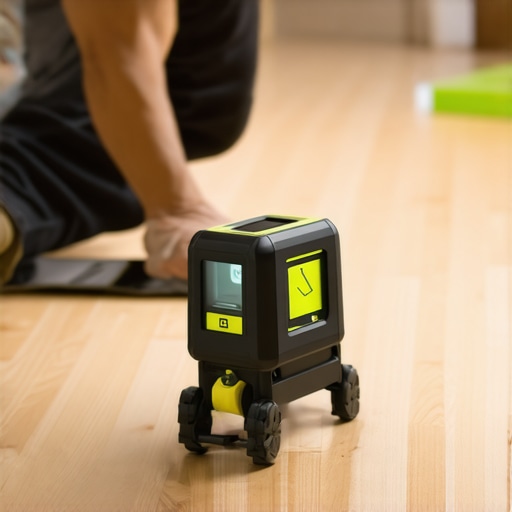
Maintaining quality in your home renovation projects isn’t just about getting the initial install right—it’s about ensuring lasting performance over time. Having the right tools and a solid maintenance routine can significantly extend the lifespan of your carpet, shower, or flooring. For instance, I personally rely on a high-quality laser level, like the Bosch GLL 3-330, which provides precise, 360-degree alignment—crucial for flawless flooring and tile work. Additionally, a good digital moisture meter helps monitor moisture levels in floors and walls, catching potential issues before they escalate.
Investing in specialized cleaning tools, such as a grout haze remover or a microfiber scrubber, keeps your surfaces looking fresh and prevents buildup that could compromise material integrity. I recommend regularly inspecting sealants around showers;
this simple habit prevents leaks and mold growth, saving you from costly repairs down the line. For maintaining shower components, I often use a silicone removal tool for any degraded sealant, like the 3M Sealant Remover, which makes re-caulking more effective and easier.
Software-wise, employing project management apps like Trello or Asana helps track maintenance schedules, upcoming inspections, or future upgrades, ensuring nothing gets overlooked. These tools are especially useful when managing multiple parts of a renovation, such as re-sanding baseboards or replacing worn-out carpet padding.
Prioritize Routine Checks to Avoid Major Repairs
How do I maintain my floors and surfaces over time? Regularly cleaning with non-abrasive products, frequently inspecting for cracks or loose fittings, and reapplying sealant as recommended (typically every 1-2 years for showers) are key. Staying proactive can prevent minor issues from becoming expensive disasters—like a small grout crack developing into a leak behind your wall.
Looking ahead, I predict advancements in smart home sensors will soon allow homeowners to get real-time alerts about moisture, air quality, or structural shifts—making maintenance even more manageable. For now, integrating simple yet precise tools into your routine offers a substantial upgrade in long-term durability and aesthetics.
Take one actionable step today: try using a laser level for your next flooring project or shower rebuild. The precision it affords will set a strong foundation for everything that follows. Curious about integrating advanced tools into your renovation workflow? Reach out through our contact page for expert advice tailored to your project.
What I Wish I Knew Before the First Baseboard Peel
One of the most valuable lessons I learned is that patience outweighs brute force every time. Rushing to pry off old baseboards without proper prep often led to wall gouges and extra repair work, costing me both time and money. It’s tempting to get the job done quickly, but taking the time to heat, tape, and carefully work the scraper prevents damage and creates a professional finish. Remember, the devil’s in the details—slow and steady truly wins the race in wall preservation.
Tools Have Power—Choose Them Wisely
Equipping myself with a sharp, flexible paint scraper and a heat gun, instead of the usual dull knives, made every difference. These tools weren’t just better—they transformed the entire removal process. Using painter’s tape to protect the wall lines ensured I avoided accidental scratches, and a heat gun softened stubborn caulk and paint, making baseboard detachment smooth and damage-free. Trust me, investing in quality tools elevates your DIY game and spares your walls from costly repairs.
Real Tips That Save Hours and Headaches
Applying gentle heat along the edges to soften adhesives, then working slowly from one end to the other, kept my walls intact. For tight corners, I found that working with heat and a carefully inserted scraper prevented tearing or chipping. Also, documenting each step with photos made reinstallations easier and more precise. Incorporating small tricks like this turns a daunting project into an achievable task, giving you results that rival professional work.
Resources That Make a Difference in Your Renovation Journey
- High-Quality Scrapers: A flexible, sharp scraper, like the Stanley Classic Scraper, ensures clean prying and reduces wall damage—trustworthy for any removal job.
- Heat Guns: Dual-temperature heat guns from brands like DeWalt provide controlled heat, softening adhesives without risking wall paint, and are invaluable for stubborn spots.
- Protective Tape: Painter’s tape keeps your lines crisp and prevents accidental scratches—an inexpensive step that pays off big time.
- Online Guides and Tutorials: Expert blogs and videos, such as those available on this style guide, offer in-depth, visual instruction to complement your DIY efforts.
Empower Your Creativity — Take the Leap Today
Embarking on baseboard removal doesn’t have to be intimidating. With the right mindset, tools, and techniques, you’re perfectly capable of protecting your walls and achieving a flawless finish. Every successful project builds confidence, so don’t wait for a perfect moment—start now and transform your space with the satisfaction of doing it yourself. Remember, a small change like refreshed baseboards can revitalize an entire room, elevating your home’s style and personality. Are you ready to take that first step towards a cleaner, more beautiful interior? Share your plans or ask for tips below—I’d love to hear your DIY journey.