

I remember the moment clearly—the squeak, the bounce underfoot, and that sinking feeling in my stomach. I’d just laid out my beautiful luxury vinyl planks, only to realize they felt inconsistent, almost like walking on a trampoline. Turns out, my subfloor was acting up—spongy, uneven, and unprepared for such a crisp, stylish upgrade. That lightbulb moment made me realize: if you want your luxury vinyl to look perfect and last long, you can’t skip this crucial step—the subfloor must be rock-solid.
Why an uneven subfloor ruins your flooring dreams
– *Uneven surfaces lead to gaps and peaking*—nothing looks more amateur than lippage or gaps in your vinyl seams. Plus, the bouncing sensation isn’t just uncomfortable; it can cause the vinyl to wear prematurely. An uneven subfloor may seem harmless at first, but over time, it compromises both appearance and durability.
– *Spongy floors create a safety hazard*—a soft, uneven floor can be a slip-and-fall risk, especially in high-traffic areas or households with kids and pets. Ensuring a perfectly leveled base isn’t just about aesthetics—it’s about safety too.
– *Failure to correct can void warranties*—many flooring manufacturers specify flatness requirements. If the subfloor isn’t properly prepped, you could void your warranty, losing peace of mind.
I’ve learned the hard way that tackling a spongy subfloor isn’t as daunting as it sounds—with the right approach, you can lay your luxury vinyl confidently, knowing it will last for years.
Is fixing a spongy subfloor really worth the effort?
– I admit, I was skeptical myself early on. I thought, “Maybe I can get away with a quick patch or layer of underlayment.” But neglecting this step often leads to costly repairs down the line. A study from the Tile Council of North America emphasizes the importance of proper subfloor prep for durable flooring installations, showing that most failures are due to overlooked unevenness.
– One mistake I made was rushing the repair, thinking I could level out the floor with just thin layers. But patching or skimming without proper testing only masked the problem temporarily. For a truly smooth surface, patience and proper techniques are key.
If you’ve faced similar issues, or just want your new luxurious vinyl to look flawless and last for years, keep reading. We’re about to dive into practical steps—just like I wish I had known from the start—to level that spongy, uneven subfloor once and for all. Ready to transform your space with confidence? Let’s get started.
Prepare Your Tools and Assess the Floor
Start by gathering a straightedge, a level, a construction adhesive, and a pneumatic hammer or a demo hammer if needed. Walk over the floor and identify high or low spots by placing the straightedge across several sections. Mark any discrepancies with chalk to visualize areas that need leveling. I once faced a stubborn bounce in a living room, where I marked four uneven spots, which later turned into my target zones for correction.
Remove Obstacles and Clean Thoroughly
Clear the area of furniture, baseboards, carpets, and any debris. A clean, unobstructed surface allows for accurate assessment and effective repairs. Use a broom and a vacuum to eliminate dust, dirt, and loose particles that can interfere with patching materials. It’s like preparing a canvas before painting—cleanliness ensures better adhesion and results.
Patch Low or Spongy Areas
For small dips or soft spots, mix a high-quality floor-leveling compound or self-leveling underlayment. Pour or apply the mixture over the low spots, using a trowel or a screed to spread it evenly. For larger areas, consider installing a new layer of plywood or OSB (oriented strand board) over the existing subfloor. Secure the new layer with screws or nails every 6 inches, making sure to countersink any protruding heads. Remember, the goal is a flat surface—think of it as laying a foundation for a deck; it must be solid and even.
Sand and Smooth Surfaces
After the patching compound cures (refer to manufacturer instructions), sand down any excess with a pole sander or an orbital sander. Aim for a smooth, level surface without ridges or bumps. I once skipped this step, and my vinyl planks developed peaking at the seams within weeks—clear evidence that skipping proper finishing can cost you later.
Check Levelness Repeatedly
Use a long spirit level or a straightedge to reassess the surface from multiple angles. Place the level in different directions—lengthwise and widthwise—and notice any remaining high or low spots. This step ensures no discrepancies are missed. If you find new uneven spots, reapply patches or add underlayment as needed until the entire area is flat within manufacturer specifications, typically a maximum deviation of 3/16 inch over 10 feet.
Address Transition Areas and Edges
Pay special attention to doorways, transitions to other floor types, and edges near walls. Use shims, escutcheons, or transition strips to create seamless connections. I once shimmed a doorway threshold, which eliminated bounce and prevented vinyl from pulling away later. Properly addressing these zones avoids future lifting and ensures a smooth walk.
Final Test Before Laying Vinyl
Once you believe the surface is level, roll a heavy object like a 4-foot level or a rolling chair over the entire area. Slight movement or rocking indicates residual irregularities. Correct these areas before proceeding. Remember, patience now saves time and money during installation. If you want to get even more detailed about matching large-format tiles with subfloor corrections, check out this in-depth guide.Many DIY enthusiasts and even some professionals still cling to misconceptions about flooring, baseboards, carpets, and showers, which can lead to costly mistakes. One widespread myth is that installing baseboards is a simple cosmetic touch—yet, overlooking proper shimming and expansion gaps can cause unsightly gaps and cracking over time. For example, not accounting for wall or floor imperfections can result in baseboards that look uneven or squeaky, undermining the entire aesthetic. For insights on elevating your interior, visit baseboards makeover tips.
Another misconception involves carpet installation—many assume a straightforward process. In reality, improper stretching or neglecting to secure the pad can produce ripples and shifting, especially in high-traffic areas. Achieving flawless results requires attention to detail, such as using the right tack strips and double padding for comfort. Check out carpet installation secrets for expert guidance.
People also often believe shower tiling is just about laying tiles—yet, the devil is in the details. Installing a shower involves precise waterproofing and drainage planning that many neglect, leading to leaks and mold. For instance, missing a proper pre-slope or using inadequate sealing can compromise the entire shower system. For advanced tips, see shower renovation insights.
What about the hidden pitfalls like inconsistent heights or unlevel surfaces? These often show up months later, causing tiles to crack or grout to crumble. The Truth is, meticulous preparation and understanding of subfloor nuances matter much more than beginners realize. Studies from industry experts point to uneven subflooring as a primary cause of failure—so don’t cut corners when it comes to the foundation.
Now, here’s an advanced question—why do many seasoned installers recommend creating a detailed layout plan before starting? Because, as experience shows, neglecting layout precision can lead to awkward cut tiles, uneven grout lines, and aesthetic disappointments. Precise planning minimizes waste and ensures a professional look. For detailed layout techniques, visit expert installation tips for 2025.
In summary, the secrets to flawless flooring and bathroom upgrades involve more than just the visible details—they hinge on understanding the nuances and dodging the myths. Don’t fall into the trap of superficial fixes; investing time in preparation and knowledge pays off in durability and beauty. Have you ever fallen into this trap? Let me know in the comments.Maintaining your flooring, baseboards, carpets, and showers isn’t just about occasional cleaning—it’s about using the right tools and techniques to preserve their beauty and functionality over time. One essential tool I rely on is a high-quality oscillating multi-tool. Its precise detail attachments make tasks like removing old caulk, sanding tight corners, and cutting backer rods effortless, saving me hours and ensuring a professional finish. For deeper cleaning, especially in textured carpets or grout lines, I recommend a steam cleaner with adjustable steam settings. This gentle yet effective approach eliminates embedded dirt without risking damage, extending the lifespan of your carpet padding and flooring surfaces. Additionally, investing in a durable microfiber mop and high-quality cleaning solutions tailored for specific materials—like pH-neutral cleaners for hardwood or tile-specific agents—can make all the difference. They prevent wear and keep surfaces looking new. Predicting future trends, I believe that automation and smart maintenance devices will become more prevalent. Imagine sensors that notify you when a shower drain is clogged or when humidity levels risk mold growth—these innovations could revolutionize how we care for our homes.
How do I keep my flooring and decor working flawlessly over time?
Regular inspections are key. Check for signs of wear, loose baseboards, or grout cracks early before they escalate. Use a sturdy putty knife and shims to gently realign baseboards or address gaps, avoiding superficial fixes that won’t last. For shower maintenance, I suggest periodically testing the waterproofing seals with a moisture meter—maintaining these prevents costly leaks. When it comes to carpets, routine stretching every few years or after significant humidity shifts preserves their tension and appearance. Consider also upgrading your tools regularly; having a good knee kicker and seam roller for carpet installation ensures the job is snug and long-lasting, as described in detailed guides like those found on professional sites. Looking ahead, I see that integrating advanced tools like laser level systems, which project perfect lines for tile and trim alignment, will become a standard. These devices increase accuracy, reduce waste, and streamline installation work. Don’t forget, a simple but often overlooked tip is to manually check your grout joints periodically—cracks or discoloration mean it’s time for re-sealing, which prevents water infiltration and deterioration.
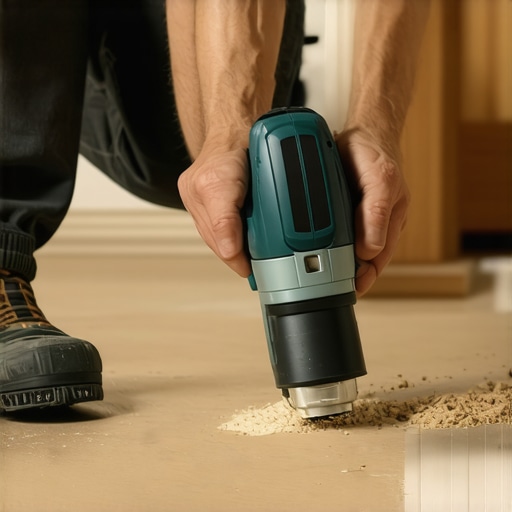
Investing in quality tools such as a reliable oscillating multi-tool now not only speeds up repairs but also minimizes errors. For instance, mastering the use of a multi-tool for reapplying caulk can significantly improve water resistance in showers, a task I highly recommend trying from the latest tutorials available. By combining these practice tips with proactive maintenance, you’ll ensure your home’s surfaces remain stunning and functional for years. Remember, consistent attention paired with the latest tools is the secret to keeping your flooring and decor working flawlessly. For comprehensive insights, explore [advanced flooring installation tips for 2025](https://tilecraftsmens.com/transform-your-home-expert-flooring-installation-tips-for-2025) and elevate your home maintenance game.
What I Wish I Knew Before Starting: Lessons That Changed Everything
– I learned that patience is an underrated virtue; rushing subfloor repairs often leads to repeating the same mistakes. Taking time to test and recheck levels saved me from costly callbacks.
– Embracing the importance of meticulous measurement and layout planning can’t be overstated—aligning tiles or planks perfectly starts with precise planning.
– Paying attention to small details, like sealing edges and transition areas, prevents future damage and adds a polished look.
– Recognizing that quality tools and materials might cost more upfront but pay off in long-term durability has been a game-changer in my projects.
– Finally, I realized that ongoing maintenance, like re-sealing grout or checking for shifts, keeps your flooring looking flawless for years to come.