

I remember the day I realized my shiny new shower was silently betraying me. It wasn’t the cracks in the tile or the inconvenient leaks—those I could handle. No, it was the softish, spongy feeling underfoot combined with a musty smell that finally made me face the grim truth: my shower curb was rotting away from the inside out. That lightbulb moment—when I understood that what I couldn’t see was causing real damage—persisted as a harsh reminder of how easy it can be to overlook the silent deterioration happening right beneath our noses.
Protect Your Shower Without Cutting Corners
Let’s be honest: a shower isn’t just a space to refresh; it’s a sanctuary. The last thing you want is for water damage to sneak in through a weak spot—especially at the curb, which acts as the first line of defense against leaks. Early on, I made the mistake of ignoring small signs—think a tiny gap here or a loose tile—thinking they weren’t urgent. Turns out, those seemingly insignificant gaps are perfect entry points for water to seep into the structure, accelerating rot and mold. That’s why, armed with some personal experience and a lot of research, I want to share how a simple, pre-formed foam core can be the game-changer in stopping shower curb rot.
Is a foam core curb really necessary to stop rot?
I used to wonder if I was overcomplicating my shower repairs. Would something as simple as a foam core hold up? Well, my early mistake was assuming that an inexpensive fix wouldn’t last. But after replacing my curb with a thoughtfully designed pre-formed foam core, I discovered it provided excellent insulation, waterproofing, and structural support—plus, it’s surprisingly resilient. According to waterproofing experts, a well-installed foam core can significantly extend the lifespan of your shower stall by preventing water intrusion in vulnerable joints (source: [Your Guide to Durable Flooring Installation for a Stylish Home](https://tilecraftsmens.com/your-guide-to-durable-flooring-installation-for-a-stylish-home)).
So, today, I promise to walk you through how to choose and install these foam cores effectively. Once you get the hang of it, you’ll see how this simple step can save you hundreds in repairs and prevent the miserable experience of dealing with rot and mold.
Are you tired of worrying about hidden water damage in your shower? Well, you’re in luck—because understanding the importance of a quality curb is your first step to peace of mind. Let’s dive in into the specifics, so you can confidently tackle this project and keep your bathroom beautiful and dry for years to come.
Preparing Your Shower Area for a Foam Core Curb
Begin by removing the existing curb if present. Use a hammer and chisel to carefully detach tiles and loosen the old structure, taking care not to damage surrounding tiles. Clean the area thoroughly to eliminate debris and ensure a smooth installation surface. Applying painter’s tape around the shower edge can help protect existing surfaces during work.
Measuring and Cutting the Foam Core
Measure the width of your shower threshold precisely. Transfer these measurements onto the foam core sheet using a straight edge and pencil. Cut the foam with a utility knife, making multiple shallow passes to achieve a clean, straight edge. Remember, a snug fit prevents water from seeping around the curb, so take your time with measurements and cuts.
Securing the Foam Core in Place
Mix a waterproof sealant recommended for shower enclosures, such as a liquid membrane or polyurethane-based adhesive. Apply an even bead along the shower walls where the foam will sit. Carefully place the foam curb onto the adhesive, pressing firmly to ensure good contact. Use shims or leveling tools if necessary to keep the curb perfectly horizontal, especially if your subfloor is uneven.
Sealing and Waterproofing
Once the foam core is positioned, apply a second layer of waterproof membrane over the foam and adjoining tiles. Pay close attention to the joints where the curb meets the shower wall; these are critical points for preventing water intrusion. Use a waterproof sealant at the edges and corners, ensuring all seams are fully sealed. This extra layer of protection helps prevent rot and mold in the underlying structure.
Completing the Installation with Tile and Finishing Touches
Tile the top surface of the curb with waterproof tiles, sealing the grout joints with a silicone-based grout sealer. For a seamless look, match the curb tiles to your shower floor or walls. Allow all adhesives and sealants to cure fully, following manufacturer instructions. During this process, I once accidentally let the grout dry too quickly, which caused cracking; waiting patiently yielded a flawless finish that has held up over years of use.
Incorporating a foam core for your shower curb is a straightforward yet effective way to prevent rot and leaks. Proper preparation, precise measurements, secure placement, and thorough waterproofing are key to ensuring your shower’s longevity. Once completed, you’ll enjoy peace of mind knowing your shower has a durable barrier against water damage.
When it comes to flooring installation, baseboard upgrades, or shower renovations, many homeowners assume that following the basic steps guarantees a flawless outcome. However, even seasoned professionals sometimes fall into common pitfalls because of overlooked nuances that can compromise long-term durability. Let’s explore some expert-level insights that challenge popular assumptions and help you avoid costly mistakes.
Why Skipping Moisture Testing Can Be Your Biggest Mistake
One of the most prevalent errors is neglecting comprehensive moisture testing before installing new flooring or baseboards. Many assume that because the floor appears dry, it’s ready for a quick update. But residual moisture, especially in concrete subfloors or substructures, can cause adhesives to fail or trigger hardwood cupping and warping over time. Advanced moisture meters and thorough pinhole testing are essential, as highlighted by flooring experts in this authoritative guide. Skipping this step can lead to premature buckling, mold growth, and costly repairs—traps many overlook until it’s too late.
Beware the Myth of Uniform Subfloor Flatness
Another misconception is that a subfloor needs to be perfectly flat before installation. While minimal levelness is necessary, perfection is often unnecessary and impractical. Many installers aim for a tolerance of up to 3/16 inch over 10 feet, but some assume any deviation indicates a failed subfloor. In reality, understanding the localized high and low points allows for targeted correction, preventing lippage issues in tile or uneven feel underfoot for carpet and vinyl. For a deep dive into proper leveling techniques, check out this resource. Overcorrecting can waste time and materials, creating additional problems.
Advanced Sealant Techniques Prevent Shower Leaks
Many shower installations falter because of inadequate sealing methods. The classic use of caulk alone doesn’t cut it in areas prone to movement or water pressure. Experts now recommend a combination of liquid membranes, properly reinforced niches, and careful surface prep to ensure long-lasting waterproofing. For example, the mistake of applying a thin layer of sealant without proper surface priming can result in leaks at the niche or corner joints. An in-depth look at superior sealing strategies can be found here. These nuances, though less obvious, extend the life of your shower and prevent the mold and rot many unwittingly invite.
What Happens When Baseboards Shrink or Gap
A common yet overlooked issue during carpet or hardwood installation is the tendency of baseboards to shrink or gap over time—especially if the environment is humid or if proper expansion allowances weren’t made. Instead of simply nailing the baseboards tightly, skilled craftsmen leave slight gaps and use flexible caulks or vapor barriers. They also consider seasonal movement, which prevents cracking or separation later. For an expert-approved approach, explore this detailed article. Recognizing and planning for these nuances can save you from repeated touch-ups and aesthetic frustrations.
Everyone’s been told the basics are enough, yet it’s these finer details—like moisture testing, subfloor leveling, sealing techniques, or understanding material movement—that make the real difference in lasting results. Don’t fall prey to common myths that oversimplify complex systems. Instead, invest in expert insights and precision practices. Have you ever fallen into this trap? Let me know in the comments, and remember, a little extra effort now pays dividends in durability and beauty later.
Keeping It Working: Essential Tools and Maintenance Tips
Investing in the right tools is crucial for maintaining your flooring, baseboards, carpets, and showers over the years. Personally, I rely on a high-quality oscillating multitool for minor repairs—its precision blades allow me to cut, scrape, and sand in tight spots without damaging surrounding surfaces. This versatility saves time and reduces the need for multiple specialized tools. Additionally, a reliable moisture meter like the Protimeter Surveymaster helps me assess underlying dampness before applying new treatments or adhesives, preventing unseen issues from undermining my work. These tools are invaluable in diagnosing problems early, especially in areas prone to water exposure or humidity.
Cleaning tools also matter. For hardwood or laminate floors, I swear by a microfibre dust mop, which effectively captures dust and prevents scratching. For deep cleaning, I use a pH-neutral cleaner designed for your specific flooring type, avoiding harsh chemicals that can degrade finishes over time.
How do I keep my installations functioning smoothly over time?
Regular inspections are your first line of defense. Checking for gaps, loose tiles, or baseboards, and addressing issues promptly prolongs the life of your renovation. For showers, sealing joints with a high-quality, mildew-resistant silicone sealant can prevent leaks and rot. Applying a fresh bead annually ensures the seal remains flexible and effective. When it’s time for larger updates, consider reapplying waterproof membranes or replacing worn grout to maintain the barrier against water infiltration.
Adopting preventive maintenance routines like vacuuming carpets with adjustable height settings and using furniture pads helps avoid unnecessary wear and tear. For instance, using soft-tipped shims when installing baseboards can accommodate seasonal expansion and contraction, preventing cracking or separation. These small but consistent efforts pay off in long-term durability.
Future Trends in Maintenance for Flooring and Showers
Automation and smarter tools are set to revolutionize home upkeep. Digital moisture sensors connected to your smartphone can alert you to hidden issues before they escalate, while automated cleaning robots equipped with HEPA filters are becoming more effective in maintaining pristine carpets and floors. Moreover, innovative waterproofing materials and self-healing grout are on the rise, promising even longer-lasting installations.
What should I consider for ongoing shower care to prevent rot?
Beyond initial waterproofing, routine maintenance such as inspecting for mold and re-sealing grout lines can prevent major problems. Regularly applying a penetrating grout sealer, like those recommended in this comprehensive guide, keeps moisture out of vulnerable joints. Additionally, installing a shower fan with humidity sensors can drastically reduce indoor moisture levels, protecting your walls and floors over time.
In my experience, treating your shower with preventive measures—paired with some advanced tools—makes a significant difference. Consider trying a moisture meter or an automatic sealant applicator to streamline the upkeep process. Embracing these tools and routines today lays the foundation for long-term performance and peace of mind.
< >
>
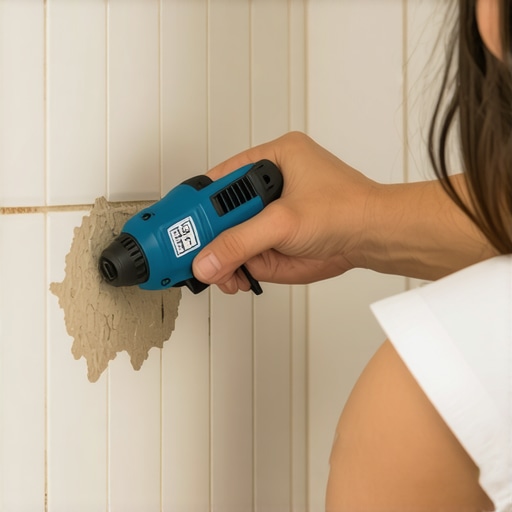
Picture this: a sleek, professional-grade oscillating tool from Dremel equipped with a grout removal blade, making it effortless to refresh your grout lines or replace damaged sections. Proper tools like this are game-changers in DIY maintenance, enabling precise work that extends your installation’s life. Move beyond basic methods and invest in quality equipment—your future self will thank you for it.
What I Didn’t Know About Moisture and the Hidden Fight Against Rot
One of the most eye-opening lessons was realizing that moisture isn’t always obvious. Even after the initial installation, hidden water seepage can quietly cause extensive damage. Investing in a moisture meter became my secret weapon, revealing moisture pockets behind tiles or beneath the foam core, which could have led to rot if left unchecked. This small tool empowered me to catch problems early, saving time and money in the long run.
Why a Slightly Imperfect Fit Can Save Your Sanity and Shower
Initially, I thought that a perfect, super-tight fit was essential. But I learned that allowing just a fraction of space when installing the foam core curb, then sealing it thoroughly, actually prevents cracking, shifting, or leaks over time. Flexibility in installation accommodates slight subfloor or wall imperfections and extends your shower’s lifespan, emphasizing that perfection isn’t always necessary — smart adjustments matter more.
How Routine Maintenance Prevents the Nightmare of Rot
Years into my project, I now see that regular inspections—like reapplying grout sealers and checking for mold—are critical. Simple steps, such as annually re-sealing grout lines or inspecting for small leaks, keep the barrier intact. Additionally, incorporating a high-quality exhaust fan with humidity sensors has reduced indoor moisture levels, drastically lowering the risk of unseen damage. These proactive habits have become my best defense against costly repairs and health hazards.
My Crack-the-Code Strategies for a Leak-Free Shower
Over time, I discovered that sealing every joint with a combination of waterproof membranes, high-quality silicone, and proper surface prep makes all the difference. For example, applying a liquid membrane over the foam curb and adjacent tiles creates a continuous waterproof layer, preventing water from creeping into vulnerable spots. Learning these nuanced techniques transformed my shower from a potential rot hazard into a durable sanctuary, highlighting that attention to detail is key.