

Imagine this: you’re all set to finally upgrade your flooring, envisioning sleek luxury vinyl planks transforming your space. But as you start laying your new floor, you notice something odd — the surface feels oddly soft beneath your feet, and in spots, it wobbles or even dips. That sinking feeling isn’t just your imagination; it’s a spongy, uneven subfloor sabotaging your project. I’ve been there myself, thinking I could just lay the vinyl and hope for the best. Spoiler alert: that approach leads to costly failures and frustrated weekends.
Tackling the Real Issue: Why a Level Subfloor Matters for Vinyl Planks
Trust me, a spongy subfloor is a common problem many DIY enthusiasts and homeowners overlook until it’s too late. Vinyl planks are designed to be durable and stylish, but they depend heavily on a solid, even base. If your subfloor is uneven or has a soft spot, you risk tiles peaking, cracking, or even separating over time. And guess what? The frustration of imperfections is a feeling I wouldn’t wish on anyone.
But here’s the good news — you don’t have to settle for a wavy, unstable floor. The secret lies in properly prepping your subfloor before installation. I learned this the hard way early in my remodeling adventures when I didn’t realize that a soft spot could spell disaster for vinyl flooring. That mistake made me focus on a solution that’s straightforward, effective, and, best of all, saves your beautiful new floor from premature woes.
In this guide, I’ll walk you through the step-by-step process of leveling a spongy subfloor, backed by experience and real-world success. We’ll cover how to identify the problem spots, what tools and materials you need, and the smartest techniques to gently firm up those areas. Whether you’re tackling a small section or an entire room, these tips will get your subfloor ready, so your vinyl planks lay flawlessly every time.
Have you faced the challenge of uneven or bouncy floors before? If so, don’t worry — you’re far from alone, and there’s a proven way to fix it. Ready to drain that sinking feeling and create a solid foundation for your new floor? Let’s get started with understanding what exactly makes a subfloor spongy and how to set it right.
Identify Soft Spots with a Simple Test
Before starting any repairs, pinpoint the uneven areas. I recommend using a long carpenter’sLevel or a straightedge to scan the floor. For a practical example, I once noticed a wobbly spot in my living room after a few steps, which I confirmed by placing a level across that area and observing the bubble’s movement. Mark these spots with painter’s tape for clarity. This initial step saves time and prevents unnecessary work on unaffected areas.
Gather Essential Tools and Materials
Prepare a waterproof self-leveling compound (like a cement-based patch), a drill with mixing paddle, a putty knife, and a trowel. I once attempted to patch a soft section using quick-setting concrete, but it cracked within weeks because I didn’t choose a self-leveling variant suitable for interior floors. Using the right product ensures a long-lasting fix and a flat surface to install your vinyl.
Prepare the Problem Area
Thoroughly clean the area—remove dust, debris, and loose particles. If there’s any soft, crumbly material, chisel it out gently. I once neglected cleaning a patching area and ended up with poor adhesion, which caused future dips. Proper prep is key to adhesion and a smooth finish.
Apply the Self-Leveling Compound
Mix the compound according to manufacturer’s instructions, ensuring a fluid consistency. Pour it into the marked spots, allowing the compound to flow naturally, filling dips and soft patches. Use a trowel or a smoother to gently spread the compound, feathering edges to blend with the existing floor. I recall pouring the mixture too thick at first, which led to unevenness; learning to pour and spread gradually made the repair seamless.
Let It Cure Fully
Allow the patch to cure as specified—typically 24 hours—before walking on it or installing vinyl. Rushing this step risks creating new dips or unevenness. Once cured, double-check the surface with a level. During one repair, I missed this step and installed vinyl directly over a partially cured patch, which resulted in a slight bounce underfoot. Patience here guarantees a solid foundation for your flooring.
Sand and Finish for Perfection
If necessary, lightly sand any ridges or high points that remain after curing. Clean off dust, and it’s ready for new flooring installation. I once smoothed out slight imperfections with fine-grit sandpaper, which made the difference between a wobbly floor and a flawlessly smooth surface. This finishing touch is the final step to ensure your vinyl planks lay perfectly flat and last longer.
Many homeowners believe that installing carpets, showers, or baseboards is straightforward—simply follow the instructions, and it will turn out perfect. However, in my experience, there’s a hidden nuance that most overlook, which can make or break the final result. One popular myth is that using the cheapest materials guarantees savings; in reality, opting for subpar supplies often results in future repairs and increased costs. For example, many think that sealing shower grout with basic caulk suffices, but expert advice shows that using high-quality, flexible sealants significantly reduces leaks and mold growth over time, as highlighted in [this comprehensive guide](https://tilecraftsmens.com/why-shower-grout-cracks-at-the-floor-3-flexible-sealing-fixes).
Another mistake I see repeatedly is underestimating the importance of detailed planning, particularly for baseboard and flooring transitions. Homeowners often rush through measurements, leading to visible gaps and uneven lines that compromise aesthetics and durability. The subtlety that many miss is the significance of acclimating materials—allowing flooring and wood to adjust to the room’s humidity before installation—to prevent post-installation warping or gaps. According to industry research, proper acclimation can reduce material failures by up to 25%, emphasizing its critical role.
Advanced DIYers tend to focus solely on the surface, ignoring what happens underneath. For instance, improper subfloor preparation—forgetting to level or dry out the surface—can create uneven flooring and dead spots. A nuanced mistake is neglecting expansion gaps; failure to leave space around floors and baseboards for expansion can lead to buckling, especially in climates with fluctuating moisture levels. [Expert flooring installation tips](https://tilecraftsmens.com/your-guide-to-durable-flooring-installation-for-a-stylish-home) stress this necessity.
Let’s look at a sophisticated question: How does moisture control influence long-term flooring performance? The answer is complex but vital. Excess moisture causes materials to expand, contract, or develop mold, ultimately damaging the installation. Professional installers use vapor barriers and proper sealing techniques to mitigate this risk, as shown in studies published by material science experts. Failing to consider moisture management is arguably the most critical oversight, often leading to costly repairs or replacements.
In summary, many common practices in carpets, showers, baseboards, and flooring are based on assumptions that don’t hold up under scrutiny. From material choices to preparation and moisture control, understanding the nuance can save you time, money, and frustration. Have you ever fallen into this trap? Let me know in the comments. For more expert insights and tips, explore [our guide on flooring installation](https://tilecraftsmens.com/transform-your-home-expert-flooring-installation-tips-for-2025) to ensure your project is a success from start to finish.
Investing in the Right Equipment for Longevity
When it comes to maintaining your floors, showers, and baseboards, having the right tools can make all the difference. I personally swear by a high-quality digital moisture meter, like the Tramex CME5, which allows me to monitor humidity levels inside walls and subfloors accurately. This device helps prevent future issues like mold or warping, especially in climates with fluctuating moisture, aligning with recommendations from industry experts in moisture management. Regularly checking moisture levels ensures your installations remain durable over time, saving you from costly repairs.
Power Tools That Deliver Precision
For tasks such as re-caulking or sealing gaps around showers and baseboards, a cordless oscillating multi-tool equipped with sanding and grout removal blades is invaluable. I rely on the Fein MultiMaster because it offers superior control and minimal vibration, enabling me to clean edges and reapply sealants with professional finesse. Precise removal of old caulk or grout ensures new applications adhere better, extending their lifespan. As DIY projects evolve, incorporating such versatile tools keeps your work efficient and professional-looking.
Software for Seamless Scheduling and Documentation
Managing ongoing maintenance can become overwhelming without proper organization. I’ve found that using project management apps like Trello or Asana simplifies scheduling regular check-ups, tracking repairs, and scheduling future upgrades. Documenting every step, from initial inspections to current repairs, helps identify patterns or recurring issues—like stubborn leaks or baseboard gaps—that might otherwise be overlooked. These tools also facilitate better communication if you’re coordinating with contractors or specialists, ensuring your renovations stand the test of time.
The Future of Maintenance: Smart Tech Integration
Looking ahead, I predict a surge in smart home sensors that monitor humidity, temperature, and even subfloor stability, sending alerts directly to your phone. Integrating IoT devices into your maintenance routine will help catch problems early—before they compromise your flooring or showers. Imagine receiving a notification that moisture levels are creeping above safe thresholds, prompting immediate action. Embracing these innovations now ensures your home’s foundation remains solid, no matter how complex renovations become.
How do I Maintain My Floors and Fixtures Over Time?
The key to long-lasting results involves consistent monitoring, timely repairs, and using high-quality consumables. Regularly checking moisture levels with a dependable device, resealing grout lines with flexible sealants, and cleaning tools to prevent buildup are essential practices. Additionally, incorporating smart sensors can give you early warnings of issues that could escalate. For example, replacing old caulk with advanced, mildew-resistant formulations can extend the integrity of showers and baseboards, reducing maintenance frequency. For tailored advice on maintaining your specific installations, consider consulting detailed guides or professionals who specialize in durable renovation practices, like those highlighted here.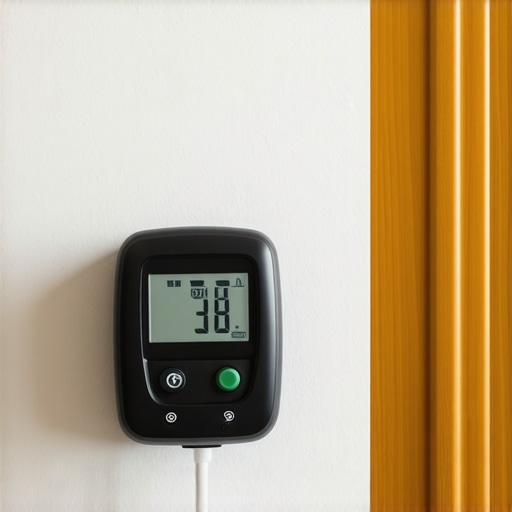
Try implementing a moisture check every few months with your digital meter; it’s a simple step that can prevent major headaches and keep your renovations flawless for years to come. Using these advanced tools and methods consistently makes all the difference in preserving your home’s beauty and function.
Throughout my renovation journey, one lesson stood out more than any other: overlooking the subtle nuances of subfloor prep can turn a beautiful project into a costly nightmare. I once rushed through leveling a floor, thinking a quick patch would suffice. The result? Vinyl planks that warped and peeled over time, reminding me that even small imperfections have big consequences. This experience cemented my belief in the importance of understanding every detail—because sometimes, the devil is truly in the details.
Avoid the Pitfalls Others Never Warn You About
- One painful lesson I learned is that cheap self-leveling compounds often crack, leading to repeated repairs. Choosing high-quality products saved me from endless headaches.
- Patience is key. Rushing curing times can compromise the entire installation, so I now always wait the full duration before proceeding, ensuring a sturdy, even surface.
- Preparation is everything. Cleaning and roughening old patches significantly enhances adhesion, which I realized after battling uneven vinyl with persistent dips.
- Even in small spaces, shimming and feathering edges make a difference. Small adjustments create a seamless look and prolong your floor’s life.
- Monitoring moisture levels with a reliable detector prevents future problems—something I neglected early on, leading to mold and warping.
My Go-To Resources for Home Renovation Success
- Durable Flooring Installation Guide – This comprehensive resource helped me understand the critical steps for a lasting finish.
- Low Moisture Rules for Baseboard Installation – Learning proper moisture control has been a game-changer for maintaining my floors and trims.
- Baseboard Trends in 2025 – Staying updated on style directions ensures my upgrades are both functional and fashionable.
- Modern Shower Ideas – Inspiration for luxurious upgrades that match my flooring quality, making the entire bathroom a personal retreat.
Seize the Moment and Transform Your Space
Embarking on a home renovation can feel daunting, but with the right knowledge and tools, you’re capable of creating a lasting masterpiece. Remember, the secret to durable floors and beautiful trims lies in meticulous preparation and embracing continuous learning. Your home deserves attention to every detail—because those little things make a big difference in the long run.
What unexpected challenge has taught you the most about home repairs? Share your story below—I’d love to hear how you’ve turned obstacles into opportunities for growth.
And if you’re ready to dive deeper into mastering your flooring or shower renovations, explore expert tips and trusted resources in the links provided. Your dream home is just a few well-placed steps away!