

Ever tackled a baseboard project only to find those darn corner miters aren’t lining up—on crooked walls no less? I remember my first attempt; I was so proud until I saw the gaps and uneven joins glaring back at me. That moment of frustration sparked a lightbulb—there had to be a better way. Today, I want to share a simple yet effective trick that changed my entire approach: the 2-Nail Method.
The Secret to Perfect Corners on Crooked Walls
Building tight, clean miter joints in your baseboards can feel like trying to coax a stubborn horse to cross a crooked fence. Walls aren’t always plumb, and corners often aren’t perfect 90 degrees. Early on, I made the mistake of ignoring this fact, thinking everything would line up if I just measured carefully. Spoiler: it didn’t. That led to gaps, visible separations, and a lot of sanding. But once I discovered this common-sense approach—using two nails instead of one—the frayed corners became a thing of the past.
This method essentially *forces* the miter to stay tight, accommodating those off-angle walls without sacrificing the crisp look you want. And trust me—it’s easier than you might think.
Are you tired of battling with crooked walls and uneven miters? If so, you’re in the right spot. Let’s dive into how this trick works and transform your baseboard game for good.
Is the 2-Nail Method Really Worth It for Baseboards?
I know what you’re thinking—”Does this really make a difference?” I used to be skeptical too. Early on, I tried every shortcut and cheap trick, only to end up fixing gaps later. The truth is, many common mistakes—like relying solely on measurements or ignoring the walls’ true shape—undermined my results. Investing time in understanding and applying this simple technique saved me hours of sanding and repainting. Plus, it’s backed by professional advice; accurate corner joints significantly elevate your home’s interior appeal. For more about achieving flawless results, check out the [tips on flawless carpet installation](https://tilecraftsmens.com/carpet-install-secrets-achieving-flawless-results-every-time).
Now that I’ve shared my initial breakthrough, let’s explore what pitfalls you should avoid and how to implement the 2-Nail Method confidently.
Position the First Nail Precisely
Begin by aligning your baseboard against the wall, ensuring the miter joint is as tight as possible. Drive in the first nail at the outside corner, but do not fully embed it yet. This initial placement acts as your anchor, keeping the joint aligned during the second step.
Secure with Minimal Force
Tap the nail in just enough to hold the piece in place without creating stress that could cause gaps later. Think of it like threading a needle—gentle but firm enough to hold temporarily. I remember once accidentally tapping too hard, causing the baseboard to shift slightly, which resulted in a visible gap. so now I always proceed cautiously with the first nail.
Insert the Second Nail to Tighten the Joint
Place the second nail roughly 1-2 inches from the joint on the adjoining piece. Drive this nail in firmly, but be cautious not to overdrive, which can bow or crack the baseboard. The key here is to pull the joint tight while keeping it flush against the wall. This act essentially ‘locks’ the miter, compensating for wall irregularities much like how a door latch aligns perfectly even if the door frame is slightly skewed.
Use a Nail Set for Final Adjustments
Once both nails are in, use a nail set to countersink them slightly below the surface. This allows you to fill the holes seamlessly and ensures the nails won’t interfere with future paint or finish. I’ve found that setting the nails this way prevents the baseboards from shifting over time, especially in high-traffic areas. Always check your alignment after setting the nails, adjusting gently if needed to keep the corners tight and clean.
Extra Tips to Enhance Precision
To avoid mistakes, mark the exact spot for the nails with a pencil beforehand. When working on uneven walls, consider shimming behind the baseboard to create a flat surface for nailing. This is a lifesaver—I’ve used small pieces of cardboard or wood shims under the baseboard in tricky corners. For a professional touch, you can also explore [4-hidden nail tricks for seamless baseboards](https://tilecraftsmens.com/4-hidden-nail-tricks-for-seamless-2026-baseboards). Using these methods, the 2-Nail Technique becomes your secret weapon for perfect, gap-free corners, even on less-than-ideal walls.Many DIY enthusiasts and homeowners often fall prey to common myths that can compromise the quality and durability of their renovations. One widespread misconception is that installing baseboards requires perfect walls and tight corners. In reality, walls are seldom perfectly straight or perfectly aligned, and it’s a mistake to assume classic techniques will suffice without adjustments. Overlooking the wall’s actual shape and wall irregularities often leads to gaps, uneven joints, and a less professional finish. Instead, understanding the nuance that wall imperfections demand flexible, adaptive techniques is crucial for expert-level results.
Are You Falling for These Myths About Shower Waterproofing?
One of the most persistent mistakes involves assuming a standard waterproof membrane is enough to prevent leaks. While a membrane is essential, neglecting the importance of proper slope, sealing, and detailed overlaps can lead to trapped water and hidden damage over time. Experts emphasize that waterproofing should be multi-layered and meticulously installed, especially in curbless showers where water flow dynamics are more complex. Skipping detailed attention to drains, seals, and transitions can be a costly error—so don’t cut corners here. For advanced shower renovation tips, I recommend exploring [modern shower design ideas](https://tilecraftsmens.com/shower-renovation-ideas-modern-designs-for-a-luxury-feel), which highlight the importance of detailed waterproofing techniques.
Room for Error When Installing Carpet and Flooring
Many believe that measuring and cutting precisely is enough for flawless carpet or flooring installation. But in reality, neglecting to prepare the subfloor properly, such as ensuring its levelness, can cause problems later. Warped subfloors or irregular surfaces can create wrinkles, gaps, and uneven seams that compromise both appearance and longevity. Advanced installers use digital leveling tools and shimming techniques to correct these issues before laying down materials. Rushing into installation without addressing subfloor preparation is a hidden trap that can turn a simple project into a nightmare. For comprehensive strategies, check out [expert flooring tips](https://tilecraftsmens.com/transform-your-home-expert-flooring-installation-tips-for-2025) to optimize your results.
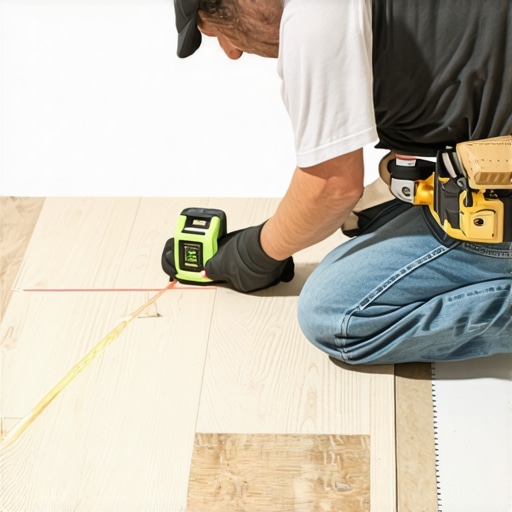
An illustrative image showing a professional using a laser level on a subfloor to achieve perfect flatness, emphasizing the importance of preparation before installation.
Keeping Your Projects Running Smoothly with the Right Tools
One of the most overlooked aspects of successful home renovation is maintaining your tools and selecting the equipment that truly lasts. Investing in high-quality, durable tools not only saves money over time but also ensures your work remains precise and professional. For example, I personally rely on a digital laser level like the DeWalt DW088K because it provides laser lines that are visible in bright conditions and self-leveling capabilities, which significantly reduce errors on tricky wall surfaces. Such tools become invaluable when you’re working on long-term projects like flooring installations or expansive shower remodels, where spot-on alignment is critical.
In addition to precision tools, maintaining your equipment is vital. Keep blades sharp, regularly lubricate moving parts, and store tools in a dry environment to prevent rust and degradation. A monthly check-up of your cordless drills, saws, and sanding machines can prevent unexpected breakdowns that delay your schedule. I recommend creating a simple maintenance schedule — for instance, after every major project, spend time cleaning and inspecting your tools to catch issues early. This habit pays off by extending the lifespan of your investments and reducing replacement costs.
Thinking ahead about future projects? Consider investing in versatile tools that can adapt to evolving needs. A cordless multi-tool, such as the Fein MultiMaster, allows for precise cuts, sanding, and scraping in tight spaces—perfect whether you’re refinishing baseboards or preparing a shower surround. As technology advances, staying updated with smart accessories or accessories that increase efficiency is becoming essential. For example, digital measuring devices now connect via Bluetooth to your smartphone, providing instant measurements and reducing human error during complex flooring or tile layout.
Looking ahead, the trend is moving toward smarter tools that integrate digital diagnostics and automation to make DIY work more accessible and accurate. However, even with these innovations, basic maintenance remains key. By keeping your tools well-maintained and choosing quality equipment, you’ll ensure your projects go smoothly over the long haul.
How do I keep my tools working well over time? Regular cleaning, correct storage, and preventive maintenance are essential. Also, choose trusted brands that offer repair or replacement parts readily—this keeps your investment protected. Take the time to learn the specific care requirements of your tools; for instance, some saw blades need sharpening, while others require replacement of carbon brushes. Implementing these simple practices can be the difference between a frustrating project and a smooth, professional finish.
To streamline your work further, explore advanced techniques like using a laser level for perfect wall and floor alignment. Don’t hesitate to invest in a high-quality tool and learn how to maintain it properly—the payoff is in the flawless results you’ll achieve consistently. For in-depth guidance on selecting the best equipment for your needs, visit this resource.
Ready to upgrade your toolkit? Start with one advanced tip today, such as calibrating your laser level to ensure precision—it’s a game-changer for complex installations like custom flooring or intricate shower tiling. Proper tools combined with consistent maintenance form the backbone of any lasting renovation project.
The Hardest Lesson I Learned About Baseboards and Showers
One key insight came from countless projects where I blindly trusted measurements alone, only to discover that walls aren’t always plumb or walls curve unexpectedly. Recognizing that walls have their quirks was a turning point—I realized that flexibility and adaptation matter more than strict measurements. For example, using the 2-Nail Method on baseboards transformed my approach, allowing for tight corners even on crooked walls, which was a game-changer in my work.
What I Wish I Knew Before Starting My Flooring and Shower Projects
Before I started installing flooring or waterproofing showers, I often overlooked the importance of subfloor prep and detailed waterproofing layers. Now, I know that investing in quality tools, like a laser level and moisture meter, and understanding wall and surface irregularities can save hours of frustration. These details might seem minor but make a lasting difference—trust me, the right techniques prevent leaks, gaps, and uneven finishes down the line.
Why DIY My Baseboards Can Feel Like a Puzzle—and How to Solve It
Initially, I struggled with tight miter joints and uneven walls, feeling out of my depth. The breakthrough came when I learned that accommodating wall irregularities with shims and precise nailing techniques, like the two-nail approach, creates professional-looking results without advanced carpentry skills. This mindset shift taught me that perfection isn’t about wall perfection, but about technique and patience.
Curated Tools That Took My Renovations to the Next Level
Having reliable, quality tools is essential. My laser level, the DeWalt DW088K, offers accuracy even in bright rooms and on uneven surfaces—something I rely on daily. A good drywall sander makes finishing baseboards easier, while a moisture meter helps prevent flooring issues. Investing in these tools saved me time and improved my results, making the process more enjoyable and less stressful. For more insights, check out the [transform your home with expert flooring tips](https://tilecraftsmens.com/transform-your-home-expert-flooring-installation-tips-for-2025).
Trust Your Skills—The Future of Home Makeovers Is Bright
Every successful project boosted my confidence, reminding me that learning and adapting are part of the journey. Whether you’re installing baseboards, tiles, or waterproofing a shower, small adjustments and patience can lead to stunning results. I encourage you to experiment, apply these proven techniques, and remember—every perfect corner and gap-free joint is a step toward a home you’ll love. What’s your next project, and which technique are you excited to try? Share below!