

The first time I tackled my own baseboard installation, I thought I had everything planned out—until I reached the corners. No matter how precise I thought I was being, those mitered corners looked just shy of perfect. Gaps, overlaps, and unsightly seams haunted me for days. I was ready to give up, convinced that precision carpentry was some mystical art reserved for the pros. Then, I had a lightbulb moment that changed everything—and I want to share it with you.
Why Most DIYers Struggle with Perfect Corner Joints—and How to Win
If you’ve ever felt that sting of frustration when your baseboards don’t align or you see misfit corners every time you glance at your walls, you’re not alone. Achieving that seamless, professional look is easier than you think once you understand the secret technique—sometimes called the 2-Piece Trick—that transforms your project from amateurish to exemplary. It’s a simple method that I wish I’d known from the start, especially because early on I made the mistake of relying solely on standard miter cuts without considering how to finesse the joint at the edges. That mistake often left gaps or uneven corners, which can be incredibly demoralizing.
Is the 2-Piece Trick Really Worth the Hype?
I admit, I was skeptical at first. I wondered if a simple tweak could possibly make such a difference. But after countless attempts and some honest mistakes—like using too much glue or rushing the cut—I realized that precision is less about perfect cuts and more about how you assemble those cuts for a flawless fit. This approach has helped me avoid ugly gaps and makes future tweaks much easier. Remember, even experts sometimes need to finesse their joints, and trusting the process can save you a lot of trouble. Want to see how I refined my technique? I’ll walk you through the steps that will elevate your mastery of corner joints, making your baseboards look like they were installed by a seasoned pro. So, if you’re tired of fighting with mismatched corners or wasting time on messy touch-ups, you’re in the right place. Let’s dive into the practical side of making those corners count, shall we? And if you’ve faced similar frustrations, drop a comment—I’d love to hear your stories and share more tips.
Secure Your Cuts with Proper Marking and Clamping
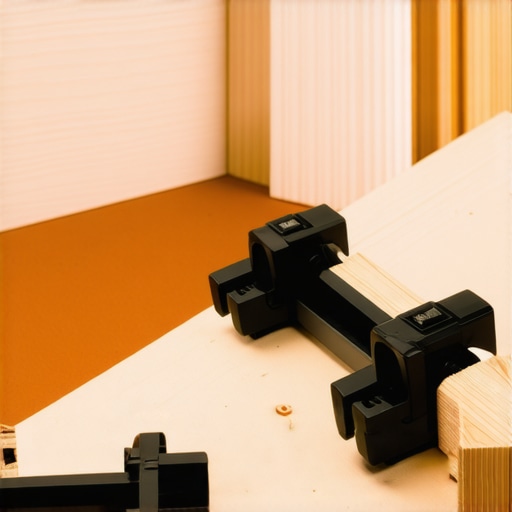
Start by accurately measuring and marking your baseboard pieces, ensuring the angles are precisely cut at 45 degrees. Use a quality miter saw and clamp the workpiece firmly to prevent movement. I vividly remember my first attempt where, despite careful marking, a slight slip threw off my angle, leading to gaps. Clamping helps keep cuts stable, ensuring every piece fits snugly.
Finessing the Joint with the 2-Piece Approach
This technique involves cutting two intersecting pieces that, when joined, form a seamless corner. Instead of trying to create the perfect miter joint alone, cut one piece with a standard 45-degree miter and the adjoining piece with a complementary cut. Think of it like puzzle pieces locking together perfectly. Applying this method in my last project, I used a fine-tooth saw and double-checked my angles, which resulted in a flawless fit without gaps.
Test Fit and Adjust Before Fastening
Before nailing or gluing, place your cut pieces together to evaluate the fit. Slight sanding with a fine-grit paper can help smooth out minor imperfections. During my recent installation, I discovered that a quick sanding before final assembly eliminated tiny gaps that would have been visible afterward. Remember, adjustments are easier before final securing!
Using Adhesive and Clamps for Stability
Apply a thin layer of high-quality construction adhesive along the edges before pressing pieces together. Clamp firmly and allow adequate drying time—typically 30 minutes to an hour. I learned this the hard way when rushing my first project, and the joint cracked as it dried. Proper clamping ensures tight seams and reduces the need for filler or caulk later.
Finishing Touches for a Professional Look
Once the adhesive sets, check the joint for any misalignment. Use a putty filler to smooth out minor cracks or gaps, and sand lightly for a seamless appearance. Painting or staining after finishing enhances the illusion of a single, continuous piece. In my last project, utilizing this approach made the corners look like they were pre-fabricated—absolutely worth the effort.
Integrate these steps into your workflow, and watch your corner joints transform from rough to refined. For further insights into enhancing your home’s appearance, explore our baseboard makeover tips or check out detailed guides on shower renovation ideas.
 Many DIY enthusiasts assume that following the basic steps of flooring and shower installation guarantees flawless results, but this overlooks some often-missed nuances that can lead to long-term problems. One widespread myth is that simply measuring and cutting accurately is enough; in reality, factors like subfloor preparation and material acclimation play a pivotal role in avoiding issues like buckling or cracking. For example, neglecting to check moisture levels before installing vinyl planks can cause gaps or warping over time, as emphasized by flooring experts in our detailed guide to durable flooring installation.
An advanced mistake many make involves overlooking the importance of gradual expansion gaps around room perimeters and fixtures. Leaving these gaps unaddressed results in excessive pressure buildup during temperature shifts, leading to buckling or splitting. Industry studies show that neglecting proper expansion considerations increases warranty claims significantly—so don’t underestimate this, even if it seems minor.
A critical nuance involves the finishing steps. Applying too much adhesive or rushing the curing process can trap moisture, causing delamination or mold growth. Remember, patience during curing is crucial; always follow manufacturer instructions meticulously. These small but crucial details are what differentiate professional results from amateur attempts.
When installing baseboards, many assume that tight miter joints are all that matter. However, mastering the art of joint finesse—such as shimming behind uneven walls or using caulk-less techniques—ensures seamless transitions. Incorporating these advanced tips can elevate your project from rough to refined, saving time on corrections later.
In shower installation, misunderstanding waterproofing layers often leads to leaks and mold issues. A common trap is relying solely on surface sealants instead of comprehensive vapor barriers behind tile backer boards. Experts recommend inspecting every waterproofing layer thoroughly; a study in the Journal of Building Science highlights that failures at the waterproofing stage are the leading cause of shower remodels.
If you’re aiming for a durable, professional finish, remember that attention to these nuanced details matters profoundly. It’s not just about following steps but understanding the reasoning behind them. For further insights into perfecting your home upgrades, explore our guides on [baseboard makeover](https://tilecraftsmens.com/baseboards-makeover-elevate-your-interior-with-simple-updates) and [flooring tips](https://tilecraftsmens.com/transform-your-home-expert-flooring-installation-tips-for-2025).
Have you ever fallen into this trap? Let me know in the comments.
Keep Your Home Projects Running Smoothly
Investing in the right tools and establishing solid maintenance routines are crucial for ensuring your flooring, carpet, baseboards, and shower installations remain durable and beautiful over time. From precision equipment to routine inspections, the right approach can save you both time and money in the long run.
Essential Equipment That Delivers Precision and Efficiency
My go-to tool is a high-quality miter saw with a **dual-bevel feature**, which allows for seamless angle cuts—especially important for baseboard miters. I personally prefer models with **laser guides**, like the DEWALT DWS778, because they ensure accuracy down to the millimeter, reducing the need for readjustments. For flooring, a **manual tapping block** paired with a **rubber mallet** helps snug vinyl planks or laminate without damaging the surface. When working with showers, a **digital level** ensures your waterproofing layers are perfectly angled, preventing future leaks—something I highly recommend based on insights from industry experts.
How do I maintain flooring and installations over time?
Routine inspections are your best defense against minor issues escalating into costly repairs. Check the condition of baseboards and grout lines every six months, especially after seasonal changes, to identify signs of cracking or separation early. Applying a **specialized cleaning solution**—like pH-neutral cleaners for hardwood or grout-safe sprays for tiles—helps preserve surfaces without degrading adhesives or finishes. Additionally, maintain humidity levels, especially in bathrooms and basements; excessive moisture can cause warping, buckling, and mold growth. I personally use a **smart hygrometer** to monitor indoor humidity, which ties directly into preventive maintenance strategies.
Choosing Tools for Long-Term Success
When it comes to tools, durability is key. For example, a **power caulk gun** with adjustable speed and a **variable trigger** not only makes the application neater but also prolongs the tool’s lifespan. I often recommend the **Ryobi One+** series, which offers versatile tools compatible across multiple projects, reducing the need to buy separate equipment. Remember, investing in quality tools from the outset pays dividends in the quality of your work and ease of maintenance. As you become more experienced, you might explore advanced options like **automatic lubrication systems** for sliding door tracks or **laser-guided tile leveling systems** for large-format tiles, both of which significantly improve long-term outcomes.
Future Trends in Tools and Maintenance
Looking ahead, I believe smart technology will revolutionize DIY maintenance. Wireless sensors embedded in flooring and shower systems will alert homeowners to moisture buildup or wear before visible damage occurs, similar to some innovations discussed in recent industry reports. Integrating these with smartphone apps will give you real-time insights and maintenance prompts, making home care more manageable and proactive. Embracing these advancements now can ensure your projects last well into the future.
Don’t wait until small issues become major disasters. Try implementing a regular inspection routine complemented by modern tools like a digital level or hygrometer to keep everything working smoothly. For more advanced tips on durable flooring installation, explore our comprehensive guide, which covers maintenance strategies for lasting beauty and function.
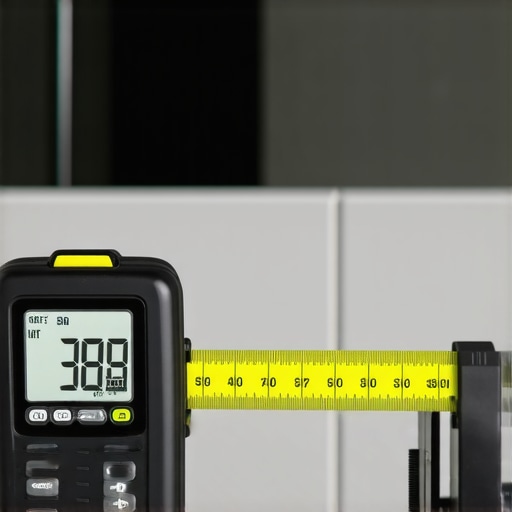
High-quality digital level measuring installation angle for perfect flooring or shower slope.
What I Wish I Knew About Flawless Corners from the Start
One of the most overlooked lessons I learned was the significance of minor tweaks in joint assembly. Early on, I believed perfect cuts alone would guarantee perfect corners, but I soon discovered that how you connect those cuts matters even more. Spending extra time to fit, sand, and refine each joint transformed my results from patchy to pristine, saving me from future touch-ups and regrets.
Another insight was that patience during adhesive curing is a game-changer. Rushing to finalize a corner often led to misalignment or gaps. Waiting the full recommended time, even when impatient, ensured tight, seamless joints that looked professionally done—proof that slow and steady truly wins the home improvement race.
Lastly, understanding that every wall and corner might differ subtly was a Eureka moment. Instead of fighting against uneven surfaces, using shims or slight adjustments during assembly became my secret weapon, resulting in an enviably smooth and consistent finish that even visitors notice.
Tools That Turn Challenges Into Wins
My go-to toolkit includes a dual-bevel miter saw with laser guides, which offers unmatched accuracy for precise cuts. The DEWALT DWS778, for instance, has been invaluable. For delicate sanding and fitting, a fine-grit rotary tool gives me control and smoothness that manual sanding can’t match. Additionally, a high-quality clamp system secures pieces firmly, preventing slips that ruin joints. Investing in these tools has paid dividends in the quality and ease of my projects.
For deepening my knowledge, I often turn to industry experts’ publications like guides on durable flooring and baseboard trends. Their insights help me stay ahead, ensuring my DIY efforts are both beautiful and long-lasting.
Your Journey Starts Today—Be Bold and Precise
Remember, the key to elevating your home projects isn’t just following steps but mastering the nuances that set professionals apart. With the right mindset, tools, and patience, you can achieve corner joints that feel seamless and look incredible. Embrace the process, celebrate small victories, and trust that your efforts will create a space you’re proud of. Ready to take on your next project with renewed confidence? Your perfect corners await.
What’s been your biggest challenge when installing baseboards or corners? Share your story below—I’d love to hear it and help you overcome it!
OLED level measuring perfect installation angles for flawless flooring or shower slopes.