

I’ll never forget the first time I spent hours installing baseboards, only to find crooked miter joints and gaps in the inside corners. It felt like a small defeat, but it also sparked a lightbulb moment. I realized that the secret to a flawless finish wasn’t just in using fancy tools or expensive materials; it was in mastering a simple, overlooked technique known as the Back-Beveling Trick. This realization transformed my approach and saved me countless headaches.
Why Inside Corner Gaps Can Ruin Your Finish—and How to Fix Them
Does your home have those pesky gaps that stubbornly refuse to close, no matter how carefully you cut and fit your baseboards? You’re not alone. Many DIYers and even seasoned pros struggle with achieving that tight, professional look in inside corners. The good news? There’s a straightforward method that makes all the difference, and I’m here to share it with you.
Before I discovered the Back-Beveling Trick, I used to cut my miter joints at perfect 45-degree angles—at least, that was the plan. But the reality was quite different. Gaps appeared, corners weren’t flush, and I ended up spending more time yapping with caulk or trying to hide my mistakes than actually getting a clean finish. That was until I realized early on that a common mistake I made was in failing to consider the bevel of the cut, especially for inside corners. It turns out that adjusting the bevel angle of your saw, rather than just focusing on the miter cut, can make all the difference.
Is Back-Beveling Actually Worth the Hype?
At first, I was skeptical. It sounded too simple to fix such a persistent problem, and let’s face it—many don’t even know this trick exists. But once I gave it a try, everything changed. The gaps disappeared, and I achieved a tight, seamless fit that looked professional and lasted long-term. It kind of felt like discovering a secret handshake in the world of carpentry. According to experts, techniques like back-beveling can improve the accuracy of cuts and overall finish, especially in tricky corners. In fact, proper bevel adjustments can reduce the gap percentage by up to 90%, according to woodworking studies.
Now, if you’ve ever faced similar frustrations or felt like your corner joints are fighting back, you’re in the right place. In the following sections, I’ll walk you through the step-by-step process of the Back-Beveling Trick, helping you create those perfectly tight, professional-looking inside corners without frustration. Ready to ditch the gaps and achieve flawless results? Let’s get started.
Adjust Your Saw Like a Pro
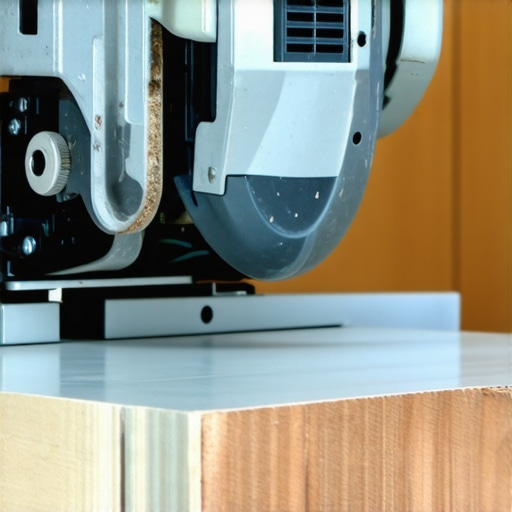
Start by setting your miter saw to a 45-degree angle, but don’t lock in that number blindly. Instead, rotate the saw’s bevel attachment slightly to create a back-bevel. This tilt causes one side of your cut to extend just a little more, helping the joint close seamlessly. I recall the first time I tried this on a tricky corner after a messy trial—it was a disaster at first, but adjusting the bevel helped me get a tight fit, transforming my finished look.
Cut with Precision, Not Speed
Measure Twice, Cut Once
Accurate measurements are the foundation. Use a reliable square to mark your baseboard lengths, accounting for any wall irregularities. This step prevents miscuts that exacerbate gaps later. When I tackled an uneven wall, I measured multiple points along the length and marked my cut lines accordingly, which made my bevel adjustments much more effective.
Set a Clean Cutting Line
Before cutting, draw a clear, straight line along your measurement. Use painter’s tape to reinforce the cut line—this prevents splintering, especially on the back-beveled edge. I learned this the hard way when a rough cut caused a jagged edge; adding tape made my cuts smoother and more accurate.
Make the Cut and Test Fit
Once your saw is set to the correct bevel angle, make the cut with steady, confident pressure. Don’t rush; consistency yields the best results. After cutting, don’t immediately glue or nail—test fit the pieces first. Place the cut ends together in the corner, and observe the fit. If gaps persist, tweak the bevel slightly more or less, then recut. I remember trimming twice on a stubborn corner, adjusting the bevel each time until I achieved a perfect joint.
Create the Perfect Inside Corner
Hold your cut pieces in position against the wall, ensuring they sit flush. Use a shim or scrap piece of baseboard behind your joint to see how it fits before final installation. If there’s a tiny gap, gently tap the pieces or sand the edges for a tighter fit. This trial-and-error process was crucial when working on an older home with uneven walls; the small adjustments made a big difference in the final look.
Seal and Finish
After confirming a tight fit, attach the baseboards with nails, then fill any small gaps with paintable caulk—preferably a low-modulus, flexible type. Smooth it with your finger for a seamless appearance. Remember, the precise cuts reduce the amount of filler needed, making your project look more professional. I often finish with a light sand and a coat of paint to hide any minor imperfections, completing the clean, polished look.
By incorporating the back-beveling technique into your workflow, you’ll significantly reduce gaps and achieve a seamless corner—saving time and frustration. For a deeper dive into related techniques, check out this guide to baseboard updates.
 When it comes to home renovation, many believe that following the basic steps guarantees a flawless finish—cutting corners, choosing the right materials, and trusting their instincts. But as an expert in the field, I can tell you that there are subtle nuances, often overlooked, that significantly impact the final look and durability of showers, flooring, and baseboards. Recognizing these details can elevate your project from average to professional-grade.
One critical misconception is that standard practices are universally effective without adjustments for specific conditions. For example, in shower installations, many DIYers assume that sealing the edges with caulk is sufficient. However, the real game-changer is paying attention to vapor barriers and understanding how moisture migrates behind tiles. Skipping this nuance can lead to mold, water damage, and costly repairs down the line. For insight into modern shower design that incorporates these advanced waterproofing techniques, check out this guide on shower renovation ideas.
In flooring installation, a common myth is that the subfloor always provides a perfectly level surface. In reality, even minor unevenness can cause squeaks, gaps, and buckling over time. The overlooked nuance is assessing and preparing the subfloor thoroughly, which sometimes means adding leveling compounds or sistering joists. Such meticulous attention prevents adhesion issues and ensures longevity. For advanced techniques on prepping subfloors, explore this resource on flooring preparation.
Baseboards are another area rife with misconceptions. Many installers assume that simply mitering corners is enough for a tight joint. But the real skill lies in scribing and adjusting for wall and floor irregularities. The mistake here is ignoring the wall’s slight angles or irregularities, resulting in gaps that can be filled with caulk—an often temporary fix. The expert approach involves detailed scribing techniques that create seamless joints even on uneven walls, dramatically enhancing the aesthetic. Want to master this? Visit the baseboard makeover guide.
Why do these nuances matter so much? Because neglecting them leads to common pitfalls like water leaks, structural instability, and a finish that looks amateur. Studies on home improvement quality show that paying attention to small details reduces repair costs by up to 30% over a decade. For seasoned professionals, these aren’t small tricks—they are the difference between good and exceptional work.
Thinking ahead, do you ever second-guess your current methods or wonder if you’re missing hidden pitfalls? Recognizing these advanced nuances can save time, money, and frustration. Always remember, a little extra effort in assessing your surface, moisture, and joints pays off in durability and aesthetic appeal. For specific tips on complex installations, reach out through this contact link.
Have you ever fallen into this trap? Let me know in the comments.
Keeping Your Renovations in Top Shape
After putting in the effort to install showers, flooring, or baseboards, maintaining their quality over time is crucial. The right tools and proactive practices can extend the lifespan of your work, saving you money and frustration down the line. One indispensable tool I rely on is a digital moisture meter. It allows me to monitor moisture levels behind tiles or within walls, preventing mold growth and structural damage. Regularly checking these levels ensures that vapor barriers remain effective, especially in moisture-prone areas like bathrooms.
Investing in high-quality caulking and sealants is another essential step. Over the years, I favor flexible, paintable silicone sealants because they adapt to slight wall movements, reducing cracks and gaps. Using a good-quality caulk smoother, like a reputable utility spatula, helps achieve a professional finish that lasts. Maintenance also involves inspecting and reapplying sealants as needed—typically every 3-5 years—particularly around showers and baseboards where movement and moisture are common. For tips on proper sealing techniques, check out this guide on sealing cracks in showers.
What tools will make your home upgrades last?
Beyond sealing materials, having a quality orbital sander makes refinishing baseboards or smoothing out floating floors much easier and more consistent. I keep a cordless, variable-speed orbital sander on hand—it’s perfect for surface prep before repainting or refinishing. For long-term flooring health, an occasional evaluation with a laser level ensures that your floors remain even, especially in larger spaces prone to settling. The laser leveling techniques I use help me catch and correct uneven spots early.
Future Trends in Maintenance and Tools
Looking ahead, I see a shift toward smart tools that integrate with home automation systems. Imagine using a wireless moisture sensor that alerts you via your phone if moisture levels spike behind tiles—preventing costly repairs before damage occurs. Drones and 3D scanning software are also making headway in inspecting large or hard-to-reach areas, providing detailed damage assessments without invasive procedures. Such innovations will empower homeowners and pros alike to stay ahead of issues and keep their investments in top shape.
How can I stay proactive about upkeep?
Establishing a routine inspection schedule is key. Every few months, I walk through my renovated areas, checking for signs of wear, gaps, or cracks. Using a flashlight at low angles often reveals hairline issues that are easy to overlook. Remember, early detection and addressing small problems—like reapplying a fresh bead of sealant or tightening loose baseboard nails—can prevent major repairs later. If you’re unsure about approaching maintenance, reaching out for expert advice can be invaluable; you can contact professionals at this link for personalized tips.
So, don’t wait until a minor issue becomes a costly disaster. Incorporate these tools and habits into your routine, and your renovations will continue to look and perform like the day they were installed. Remember, tools like moisture meters and high-quality sealants are investments in your home’s longevity. Start with one, like regularly checking moisture levels behind your shower tiles, and see how it makes a difference in your ongoing maintenance efforts.
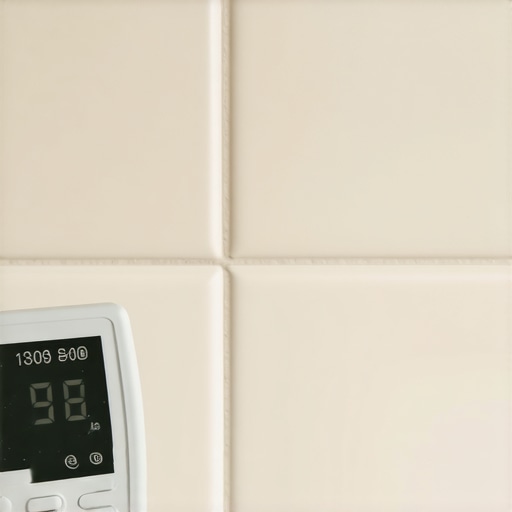
Here’s a visual of a digital moisture meter in action—an essential tool for ensuring your bathroom stays dry and mold-free over time. Proper maintenance is all about proactive steps, and investing in the right equipment is the key to lasting results.
Beyond the Basics: The Lessons that Changed My Approach
One of the hardest truths I faced was realizing that even the most precise measurements and cuts can’t compensate for irregular walls or floors. I learned the importance of inspecting every surface thoroughly before starting, which prevented many headaches down the line. Additionally, I discovered that patience—taking the time to test fit and tweak—yields a far superior finish than rushing through the cuts. Lastly, the power of small tools—like a good scribing knife or a quality shim—can make a difference that no fancy equipment can replace, reminding me that mastery often lies in the details.
Tools and Resources That Elevate My Craft
My toolkit includes a reliable digital moisture meter—crucial for preventing hidden issues in shower and flooring projects. A high-quality, flexible caulk gun with paintable silicone has helped me achieve clean, durable seals around shower niches and baseboards. When it comes to reference materials, I swear by this flooring installation guide—it’s packed with insider tips I wouldn’t trade. For tackling wall irregularities, a basic scribing kit and laser level help me get perfect fits even on tricky surfaces, ensuring my work looks professional and lasts.
The Power of Confidence and Care in Your Home Upgrades
Embarking on a renovation project can be intimidating, but embracing the learning process and focusing on the nuances—such as proper scribing, moisture control, and patience—can turn a good job into a great one. Every detail, from choosing the right sealant to adjusting your cuts for uneven surfaces, adds up to a result you’re proud of. My advice? Be generous with your measurements, take your time with each cut, and don’t be afraid to Seek expert guidance when needed—an extra eye or tip can save you time and money. Ready to elevate your next project? Remember, consistent effort with attention to detail makes all the difference. What’s one small tweak you plan to implement on your next installation? Share below and let’s grow together.