

It was a frustrating afternoon in my workshop when I realized I had spent hours aligning a perfect baseboard miter only to see the joint gape open the moment I moved to the next wall. That sinking feeling of a flawed cut, especially when you’re desperate for a seamless finish, is all too familiar. And if you’ve ever struggled with fixing return miters—those tricky corners that need to look polished yet stay tight—you know exactly what I mean. I used to think it was just a matter of measuring carefully, but I kept battling gaps and loose joints that wasted time and effort.
Then, one day, I had a lightbulb moment. I discovered a technique that transformed my approach—an unconventional method that’s simple, fast, and surprisingly reliable: the Hot-Glue Hack. This little trick has saved me countless hours on projects involving flooring, baseboards, or even shower niches. Today, I want to share the insight I gained from my early mistakes and how this hack can help you get perfect miters every time.
Why You Need a Better Solution for Return Miters
When I first started detailed carpentry and tiling projects, I assumed that precise cuts would be enough to ensure tight joints. But I was wrong. Despite my careful measurements, I’d often end up with gaps, crooked miters, or joints that would pop apart under minimal stress. It’s a common problem, especially in spaces with uneven or wavy walls, or when working with materials that are unforgiving of slight mistakes.
What really made me search for an alternative was the realization that even the best cuts can come loose or misalign when layers of adhesive or paint shift over time. This is particularly true for baseboards and bathroom tiles, where moisture creates additional challenges. The traditional approach of using nails, glue, or corner blocks sometimes fell short, especially if you’re working alone and need to keep everything aligned during final install.
Fortunately, I found that a little bit of hot glue—when used correctly—can make a world of difference. Unlike nails or caulk, hot glue provides an instant bond that holds delicate joints tight without damaging the material. Plus, it’s completely reversible, allowing for adjustments during the final fitting. If you’ve ever faced the nightmare of a misaligned miter after affixing it, you’ll understand the value of a quick-setting, reliable solution that you can apply right at the moment of need.
And it’s not just me—many seasoned pros swear by this hack for a variety of projects, from installing intricate baseboard corners to securing return miters in tiled shower niches. In fact, strategically using hot glue can dramatically improve the precision and durability of your finish work, saving you time and frustration.
But before jumping into the detailed steps, I want to address a question I often hear: “Is hot-gluing really a professional technique?” Trust me, I was skeptical too at first. I made a classic mistake early on—over-gluing or using too much heat, which caused unnecessary mess or material damage. Learning how to apply hot glue properly is key to making this trick work seamlessly.
So, if you’ve faced gaps, joint pops, or misaligned miters, keep reading. I’ll walk you through how straightforward and effective this hack can be—making your next project not only faster but also giving you that flawless finish that clients and friends will admire.
Select the Right Materials and Tools for Perfect Returns
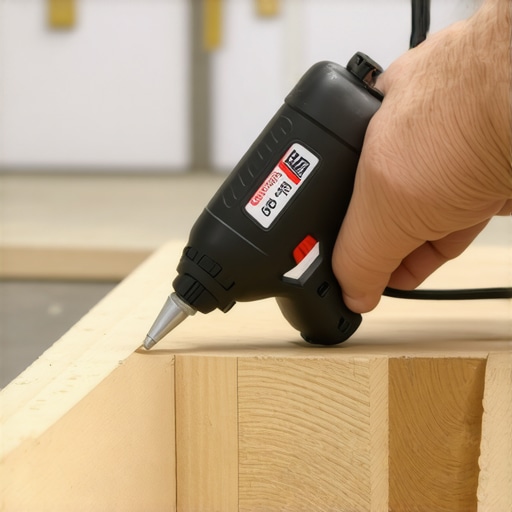
Start by gathering your materials: hot glue gun, high-quality hot glue sticks, a corner jig or miter clamp, a putty knife, and your mitered pieces of baseboard or trim. I once was in a rush to fix an awkward corner, and I didn’t prep properly—resulting in excess glue and a mess. Now, I always set up my workspace with everything ready, which makes the process smoother and faster.
Prepare Your Mitered Pieces for Gluing
Ensure your cut edges are clean, dry, and free of debris. Use a fine-grit sandpaper to smooth any rough edges, which helps the glue adhere better and reduces gaps. During a recent retrofit, I discovered that slightly chamfered edges increased the bond’s strength. Carefully dry-fit the pieces and make minor adjustments if necessary to ensure tight, seamless joints before applying glue.
Applying Hot Glue for a Strong, Reversible Bond
Hold your mitered joint in position and quickly apply a thin, even line of hot glue along the inside corner with the gun. Remember, hot glue sets rapidly—within seconds—so work swiftly. I recommend starting at one end and working your way to the other, pressing the joint tight as you go. The key is to avoid applying too much glue, which can spill out and create a mess. Keep a damp cloth or putty knife handy to wipe away excess; I once overglued and had a sticky cleanup that delayed my project.
Tip: Use the Right Amount of Heat
Set your glue gun to a medium temperature; too hot can melt the material or cause burns, while too low may not bond well. During a recent installation, I experimented with different heat settings and found medium temperature provides optimal flow and adhesion. Practice on scrap pieces first to get a feel for the glue’s consistency and setting time.
Secure and Adjust the Joint
Immediately press the joint firmly together for about 10-15 seconds until the glue cools and hardens. Use your corner clamp or miter jig to hold components tightly; this ensures no gaps or misalignments. Once the glue is set, you can make micro-adjustments with a putty knife if needed. I’ve used this method in tight corners of a bathroom remodel, and it produced a virtually invisible seam without the need for nails or caulk.
Finishing Touches for a Flawless Look
After the glue has cooled, lightly sand any irregularities and fill tiny gaps with wood filler or caulk if desired. Paint or stain over the joint for a seamless appearance. If you want the joint to be completely invisible, you can also scribe the baseboard against uneven surfaces before gluing. For ideas on matching your style, check out baseboard trends in 2025.
 Many DIY enthusiasts and even seasoned pros often fall into common traps when installing floors, baseboards, or showers, believing they know the basics well enough. However, the real pitfalls lie in overlooked details and misconceptions that can compromise the longevity and appearance of your work. Let’s dig deeper into some of these nuances that most people get wrong—sometimes without even realizing it.
One widespread myth is that perfect cuts alone guarantee flawless installations. While precision is crucial, the real secret is understanding material behavior over time. For example, hardwood floors and certain flooring adhesives expand and contract with temperature and humidity. Ignoring this can lead to buckling or gaps down the line. Experts recommend acclimating materials for at least 48 hours before installation and leaving expansion gaps around the perimeter, a detail many overlook. For comprehensive guidance, check out [our guide to durable flooring installation](https://tilecraftsmens.com/your-guide-to-durable-flooring-installation-for-a-stylish-home).
When it comes to baseboards, many installers focus solely on mitered corners, assuming they’re enough. However, subtle shifts in wall surfaces or uneven subfloors can create gaps that cause visual disruptions and loosen over time. One trick is to scribe the baseboard against the wall for a tight fit, rather than relying solely on miter cuts. Additionally, using shims can help achieve a flush fit on irregular surfaces. For more tips, explore [baseboard trends in 2025](https://tilecraftsmens.com/baseboard-trends-in-2025-fresh-styles-for-every-room).
A common advanced mistake in shower installations involves the sealing process. Many assume that applying caulk or grout is sufficient for waterproofing. However, the key is proper waterproof membrane application beneath tiles and around niches—skipping this step increases the risk of leaks and mold. The importance of proper membrane installation is supported by a study from the Building Science Corporation, emphasizing that membrane failure is a leading cause of shower leaks—so don’t cut corners here.
From my experience, one often overlooked nuance is the appropriate sequencing of installation steps. For instance, installing flooring or baseboards before sealing or waterproofing can trap moisture or create unintentional gaps. Always plan your workflow to include sealing and waterproofing as final steps, ensuring longevity and a polished appearance.
Have you ever fallen into this trap? Let me know in the comments. Remember, mastering these hidden nuances can elevate your DIY game from everyday to expert-level, saving money, time, and future headaches.Maintaining your flooring, baseboards, and shower installations requires more than just proper initial techniques; it demands the right tools, consistent upkeep, and an understanding of how to troubleshoot potential issues long-term. As someone who’s been in the trenches of home improvement, I can attest that investing in quality equipment and adopting disciplined routines makes all the difference in preserving that flawless look.
First and foremost, I highly recommend using a digital moisture meter, such as the Tramex MRH or Delmhorst/j-2000, to regularly check subfloor and ambient humidity levels. High moisture content can lead to vinyl plank warping or hardwood swelling, so proactive monitoring helps you catch problems early. In my experience, a reliable moisture meter has saved me from costly repairs by alerting me to humidity spikes before they cause visible damage.
For applying adhesives or sealants, I prefer using a caulking gun with adjustable speed controls and a precision nozzle. This setup allows me to control the extrusion rate and achieve consistent bead size, whether I’m sealing shower niches or fastening baseboards. Over-application often causes messy finishes and delays drying; hence, a quality gun paired with the right cartridges improves both speed and accuracy.
When it comes to cutting tools, I swear by a high-quality miter saw equipped with a dust collection system. Clean cuts aren’t just about aesthetics—they also ensure tight joints for baseboards or tiles, reducing gaps that trap dirt or moisture. Upgrading my saw’s dust port significantly reduced cleanup time and improved cut precision.
Long-term results hinge on regular inspections. I routinely examine the caulk around showers and the seams between flooring sections, checking for signs of cracking or separation. A small dab of flexible, waterproof silicone—like the GE Silicone II—can extend the life of your shower seals if applied correctly with a caulking smoothing tool. Implementing a schedule for such maintenance helps prevent leaks and water damage.
Looking ahead, I believe the trend in home renovation tools is moving toward smart monitoring systems that integrate humidity sensors and environmental data into mobile apps. These innovations can alert homeowners of issues at the earliest signs, which is especially valuable for homeowners without immediate access to the property.
The Hardest Lesson I Learned About Crafting Perfect Returns
Early in my career, I underestimated the importance of patience when working with complex miters. Rushing to finish often led to gaps or misalignments that only became apparent after the adhesive set. The revelation came when I started deliberately pre-fitting all pieces, making micro-adjustments, and allowing ample curing time for adhesives. This shift transformed my results from repair nightmares to professional-grade perfection.
Tools and Resources That Elevate My Craft
Assessing your toolkit can make or break your project quality. I swear by a high-quality miter saw with precise angle adjustments and a reliable hot glue gun for fast, reversible joints—especially in tricky corners of baseboards or niches. For detailed guidance on flooring, I recommend exploring this resource which has helped me understand material behavior. For shower projects, these tips have been invaluable for waterproofing and sealing techniques.
Embracing the Journey: Your Next Step Is Closer Than You Think
Every successful project starts with a willingness to learn from mistakes and refine your techniques. Whether you’re tackling baseboards, flooring, or showers, remember that mastery comes through consistent practice and attention to detail. Keep experimenting with trusted tools and don’t shy away from seeking out expert advice—you’ll find that your confidence and results will soar. Now’s the perfect moment to take that first or next step toward flawless installations that will stand the test of time.